





 Portuguese
  English
  Spanish
 3 min of reading


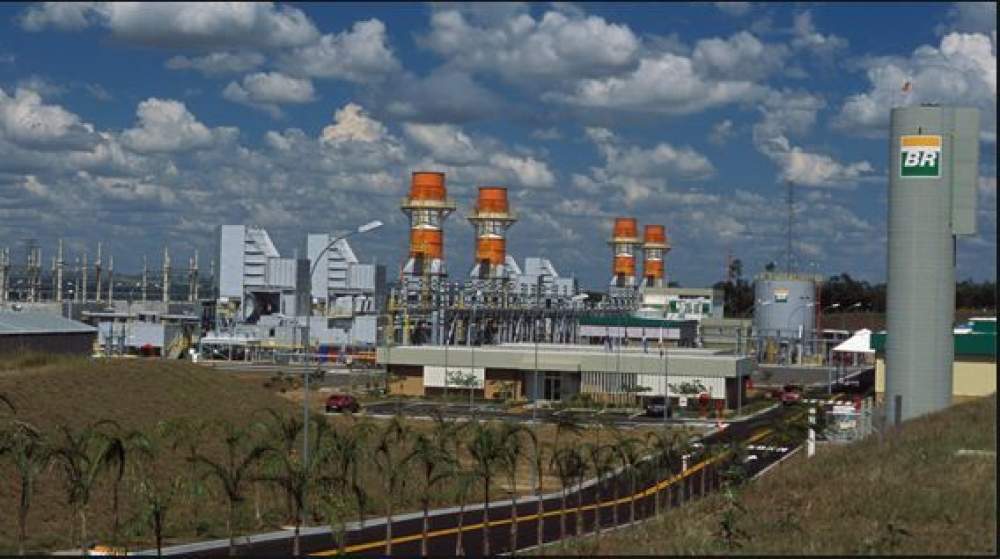
Petrobras Expressed The Need To Halt The Thermoelectric Plant For Maintenance, However ONS Pressured To Keep It Running
Last Saturday (09/25), in information released by the newspaper O Estado de São Paulo, Petrobras shut down the thermoelectric plant in Três Lagoas, in the state of Mato Grosso do Sul, due to a risk of catastrophic failure in the unit’s structure. Petrobras expressed the need to halt the plant for important maintenance, but the National Electric System Operator (ONS) pressured the state-owned company to keep the thermoelectric plant running. Also Read This News: Located at Porto do Açu, construction of the GNA II thermoelectric plant will begin in October
- Enel X and Bradesco Seal 10-Year Partnership For The Construction Of Nine Solar Plants
- Meet The Novus One, A Silent Electric Motorcycle That Is Fast And Weighs Only 75 Kg
- Casa dos Ventos and Unigel Form 20-Year Partnership For The Construction Of A New Wind Energy Complex In Bahia
- Tech Sector Companies Have Home Office Job And Internship Openings Available Throughout Brazil
- Government Of Rio Grande Do Norte Allows Direct Sale Of Ethanol From Plants To Gas Stations; Expectation Is That This Action Will Reduce Prices For Consumers
The Disagreement Between Petrobras And ONS Regarding The Operation Of The Thermoelectric Plant
The National Electric System Operator (ONS) pressured Petrobras to keep a thermoelectric plant that needed maintenance turned on. Claiming it needed to avoid a “catastrophic failure” in the unit’s structure, the state-owned company shut down the plant, according to communications exchanged between Petrobras, the National Electric Energy Agency (Aneel), and ONS obtained by ‘Estadão’.
Daily, it is ONS that determines what will be generated at each of the thermoelectric plants operating in the country, as a way to distribute this generation among different sources and ensure the balance of this division. With the reservoirs of hydropower plants at very low levels due to the worst drought in the last 91 years, the agency has required that thermal generation plants — fueled by gas, diesel, biomass, and coal — operate at maximum capacity to try to retain more water in the dams. However, these determinations have tested the limits of the system.
-
Petrobras Expands Refining in Brazil, Increases Production of Diesel S-10 and Gasoline, Enhances Operational Efficiency, and Reduces Import Dependence Between 2023 and 2025

-
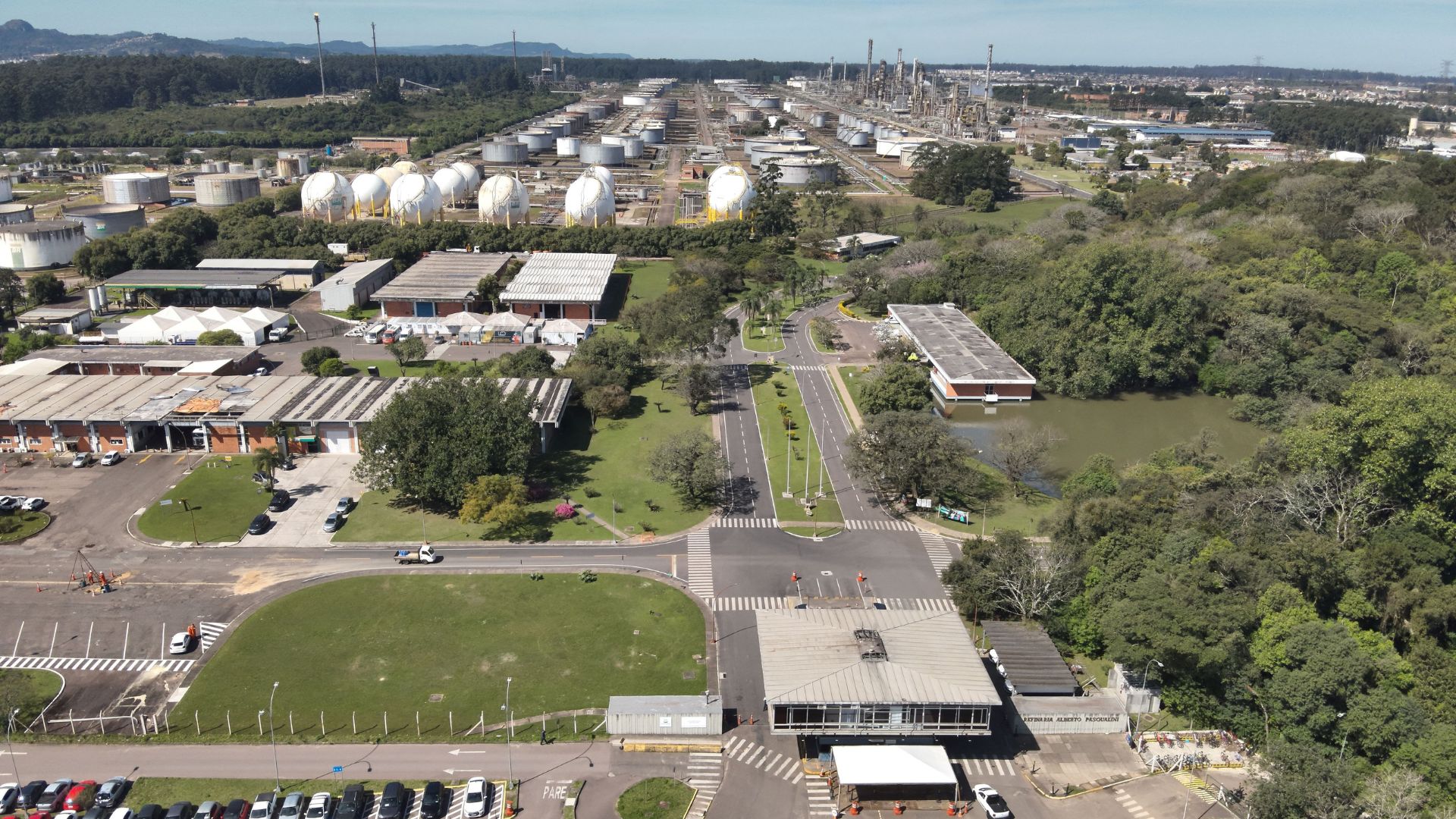
Petrobras’ Refap Sets Historic Records for Gasoline and S-10 Diesel Production in Canoas in Q4 2025, Surpassing Previous Figures
-
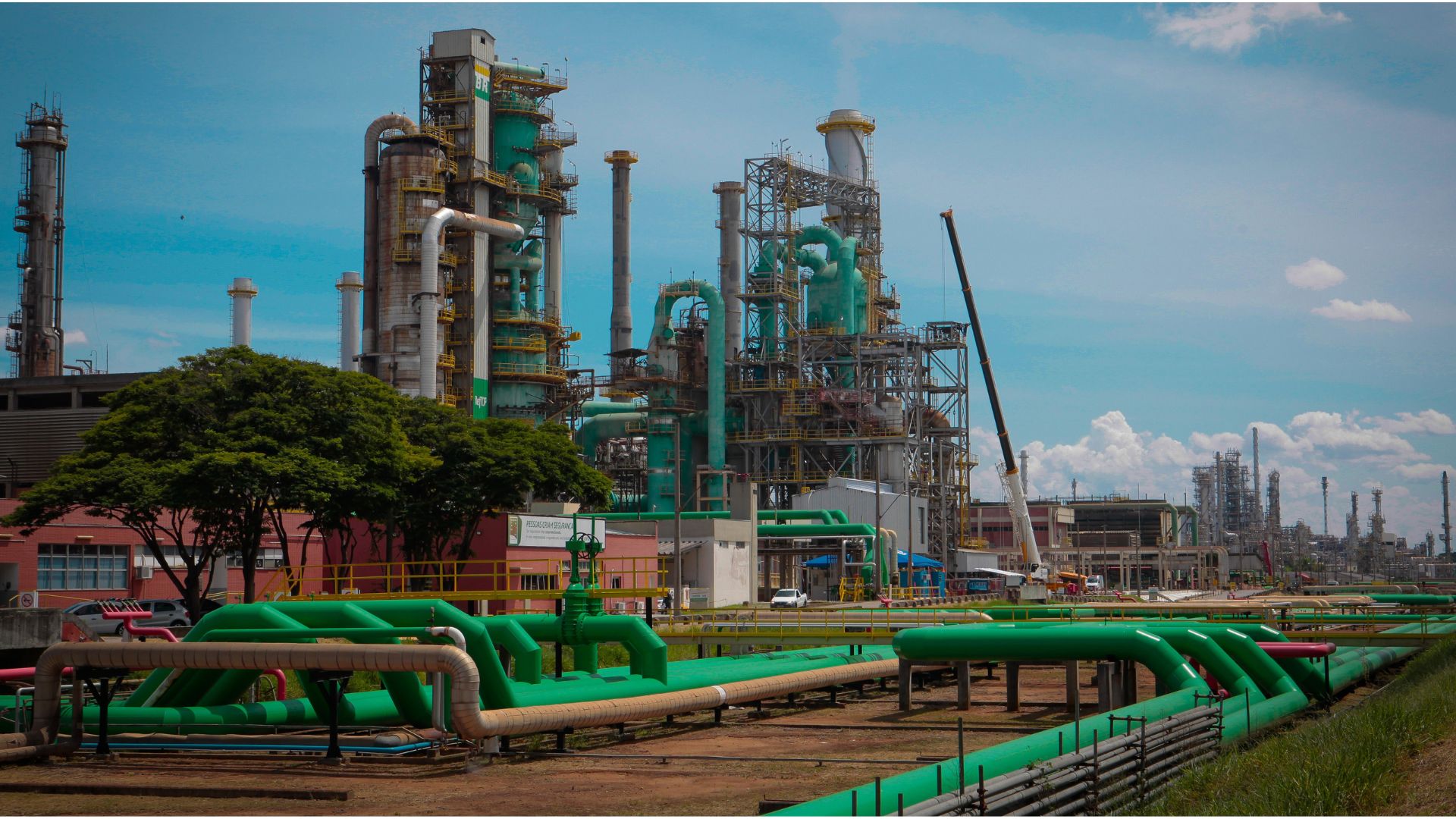
Revap Starts Operation of Modernized HDT and Petrobras Expands S-10 Diesel Production by 80% at the Refinery, Boosting Supply of Less Polluting Fuel in Brazil
-
Thermal Power Plant in Rio Grande do Sul Is Key to Attracting GWM


The State-Owned Company Communicated The Need For Maintenance At The Plant
During the first weekend of September, between the 3rd and the 5th, Petrobras had informed the Operator that it would need to halt operations at its thermoelectric plant in Três Lagoas, in Minas Gerais, a plant with 386 megawatts of installed capacity in Mato Grosso do Sul, because it had to perform important maintenance on the structure. The company took care to schedule the service for the weekend, when electricity consumption in the country decreases, and presented the schedule two weeks in advance. As is customary in the sector, this was a planned shutdown, that is, a routine operation. However, ONS decided to reject the request.
Three days before the scheduled shutdown at the thermoelectric plant in Mato Grosso do Sul, on August 31st, the Operator rejected Petrobras’ request and, without giving room for justification, declared that “due to the energy scenario, with high loads and high thermal dispatch,” it had to maintain the “maximum availability of generating units” and that the shutdown should only occur on the holiday, between September 5th and 7th.
The next day, Petrobras insisted with the regulatory body and requested that the original intervention schedule be maintained, because “there was no time to reschedule the activity and that this postponement would go against the recommendations of specialists and the manufacturer.” However, ONS once again rejected the company’s claims and, through an email, maintained the order to postpone the shutdown, indicating once again the energy crisis scenario to delay the intervention at the thermoelectric plant.









Seja o primeiro a reagir!