





 English
  Francês
  Alemão
  Italiano
  Japonês
  Norueguês
  Portuguese
  Spanish
 4 min of reading


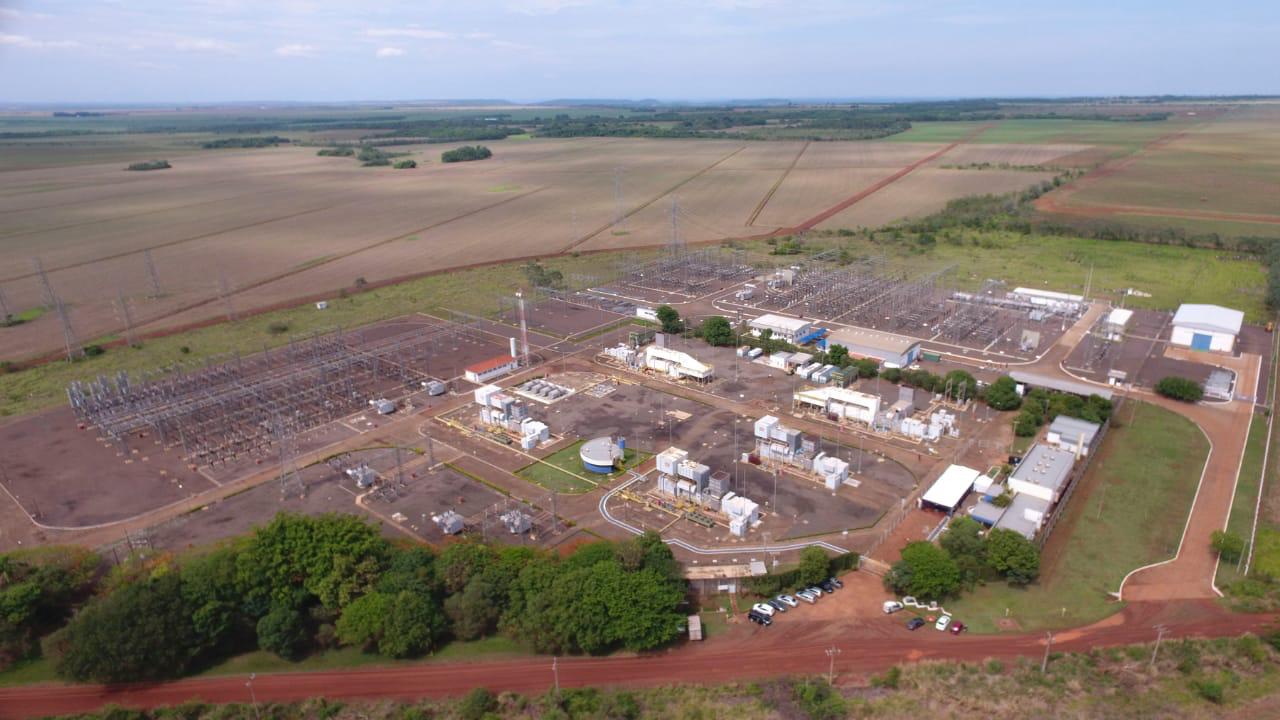
After Four Years Stalled, The Thermoelectric Plant in Campo Grande, Mato Grosso do Sul, Will Resume Operations
The William Arjona thermoelectric plant, located in the state of Mato Grosso do Sul, may resume operations as early as June this year. The thermoelectric plant, situated in the Imbirussu District, was taken over by Delta Energia Group. The project remained inactive for 4 years without any type of operation and will now assist the country during a water crisis. See also: Electricity Multinational EDF, which has a thermoelectric plant in Macaé, targets the natural gas market and will inject 200 million reais into the state of Rio de Janeiro
- Alerj Hearing Points to Paths for Job Creation in the Naval, Offshore, Oil and Gas Industries in Rio de Janeiro
- Maersk Secures Its Biggest Project Contract Ever with the Brazilian Oil Giant; The Scope Involves Engineering, Procurement, Construction, and Installation of the FPSO Mero 2
- Graphene, The Powerful Flexible Material, 200 Times Stronger Than Steel and Thinner Than a Hair, Is Abundant in Brazil and Will Make the Country a Leader in the Global Technological Revolution
- 800 New Job Vacancies Will Be Created in ES After Opening of New Franchises, Grocery Stores, and Havan Mega Store
- Senai Offers Many Free Professional Training Courses Across Brazil
Reactivation of The William Arjona Thermoelectric Plant in Mato Grosso do Sul
In May, entrepreneurs and directors of Delta Energia Group met with Agepen (State Agency for Regulation of Public Services) to inform that they are in negotiations with Petrobras, TBG operators, and MSGás distributors to move forward with the resolution of all necessary operational procedures at the thermoelectric plant.
Negotiations are also ongoing with Energisa Mato Grosso do Sul and the National System Operator (ONS) regarding the electricity generated by the thermoelectric plant and how it will be made available. Agepan executives are seeking regulatory information as they are customers of the inputs and supply of natural gas, which is provided by MSGás, monitored by the State Agency for Regulation of Public Services itself.
-
While Russia dominates the global wheat market, Brazil emerges as an unexpected competitor in the Cerrado, offering grain available in July and August when stocks in the Northern Hemisphere are at their lowest point of the year.

-
China returned almost 20 Brazilian ships with soybeans, but now everything could change: the country that buys 80% of the grain is considering relaxing regulations after impurities held up shipments of thousands of tons and caused million-dollar losses.

-
Chinese giant worth nearly R$ 4 billion that manufactures cables for electric cars, solar energy, and robotics wants to open a factory in SC.

-
Many employers do not know, but the law guarantees domestic workers a 25% increase in salary during trips, 50% for overtime, 20% for night shifts, and 17 additional benefits that can lead to labor lawsuits if not paid.


Investments to Be Made in The Thermoelectric Plant
Ricardo Lisboa, founding partner of Delta Energia, says they believed in Mato Grosso do Sul, aiming to favor private investment, opting to invest in the thermoelectric plant. Ricardo states that the company’s goal is to activate the thermoelectric plant in June this year and emphasized that this investment in the plant was the Group’s first endeavor in generation.
The president of Agepan, Carlos Alberto de Assis, says that the State Agency for Regulation of Public Services hopes to promote a balance between the relationship between consumers and service providers, as well as assist in development. Regarding regulatory issues, whether they are sufficient and necessary, the agency will strive to achieve them.
About UTE: Delta Geração acquired the William Arjona thermoelectric plant from Engie, announcing the intention to resume operations of the thermoelectric plant in the second half of 2020. At the end of 2017, Engie requested the revocation of the thermoelectric plant’s authorization, claiming loss of economic viability.
The thermoelectric plant is located in Campo Grande, Mato Grosso do Sul, and can be operated by natural gas or diesel. The mode of operation of the William Arjona thermoelectric plant requires it to be classified as an independent consumer and not a mandatory natural gas consumer since the plant does not generate energy on a permanent basis. At that time, the equipment will be activated punctually according to the needs of the electrical system and the cost-effectiveness of energy generation across the national system.
See Also: Amid Water Crisis in Brazil, Government Allows Activation of Thermoelectric Plants Without Contract
The government published a measure that authorizes, on an exceptional and temporary basis, differentiated regulatory conditions to allow the activation of thermoelectric plants without contracts for a period of up to six months, which may still be extended. The initiative, announced by the MME in the Official Gazette, comes amid a historic drought that has strained the levels of reservoirs of hydropower plants, the main source of generation in the country, raising concerns about energy supply.
The authorization, which had already been signaled given the conditions of the hydropower plants but would have focused only on gas units, was formalized by the Government so that the thermal sector’s support for the water crisis becomes broader, calling on thermoelectric plants from other and more expensive sources.








Seja o primeiro a reagir!