





 English
  Francês
  Alemão
  Italiano
  Japonês
  Norueguês
  Portuguese
  Spanish
 4 min of reading


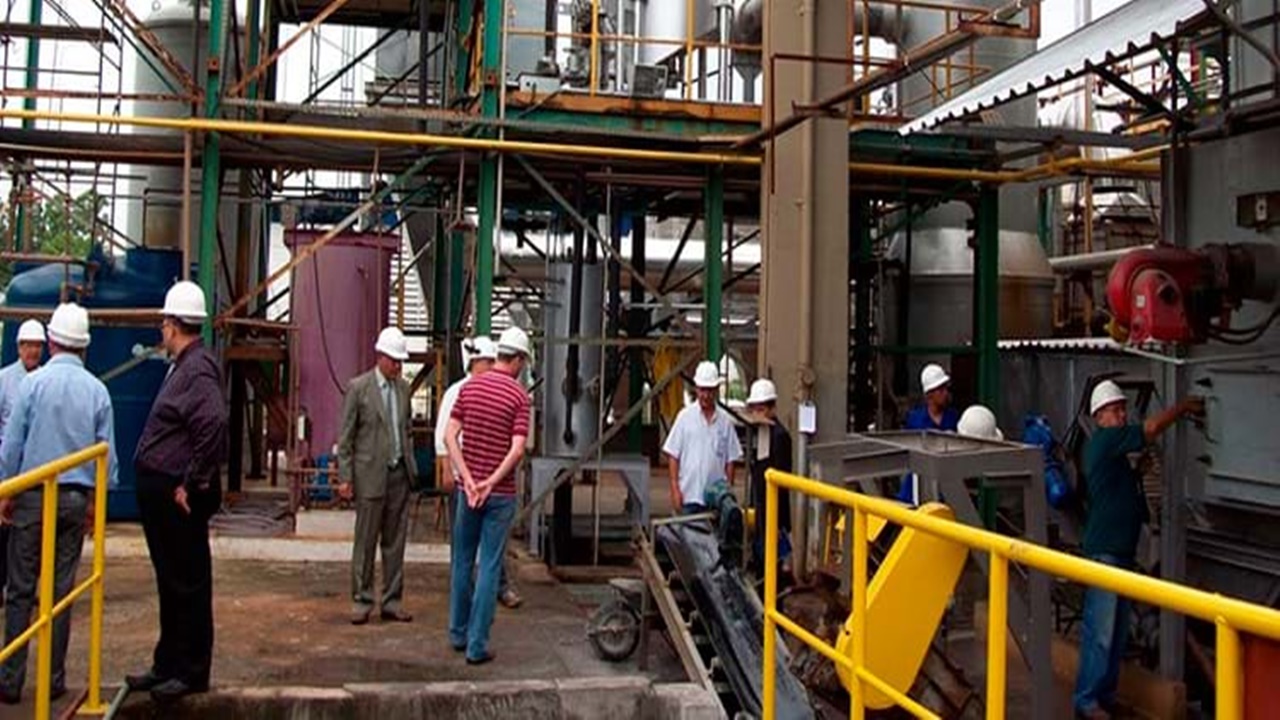
Energy Recovery Plants of 10 Thousand Tons of Waste Can Generate About 80 to 100 Permanent Direct Jobs Without Considering Indirect Ones
According to the System of Estimates of Emissions and Removals of Greenhouse Gases (SEEG, 2020), urban solid waste was responsible for 4% of the total greenhouse gas emissions in Brazil in 2019, corresponding to the emission of 96 million tons of CO2 equivalent, and energy recovery plants can avoid 48 million tons of CO2 equivalent per year, according to a study conducted by ABREN.
Read Also
- Gasoline, Diesel, and Cooking Gas Prices Soar but Petrobras Increases Fuel Prices Again on Tuesday (07/06), Starting with a Punch to Consumers’ Pockets
- Mining Company is the First Startup in the World to Develop Advanced Niobium Materials and Innovative Solutions for Health, Beauty, and Agribusiness Sectors
- WEG, One of the World’s Largest Electric Motor Manufacturers, Invests in Artificial Intelligence for Predictive Maintenance in Wind Turbines
- The Largest Steel Mill in Latin America and the World Leader in Niobium Invest in a Singaporean Company; Global Giants Bet on Graphene, the Material of the Future!
Since 2010, there has been an increase of 23% in these emissions, with 65% coming from landfills, controlled dumps, and open dumps.
The 5th Report of the Intergovernmental Panel on Climate Change (IPCC) points out that energy recovery plants for waste (URE) reduce greenhouse gas emissions by 8 times compared to landfills, and are the most effective way to mitigate greenhouse gas emissions from urban solid waste (USW). For each ton of waste treated in a URE, about 1,550 kg of CO2 equivalent is not emitted compared to landfills with 20% safety flare burning.
-
While Russia dominates the global wheat market, Brazil emerges as an unexpected competitor in the Cerrado, offering grain available in July and August when stocks in the Northern Hemisphere are at their lowest point of the year.

-
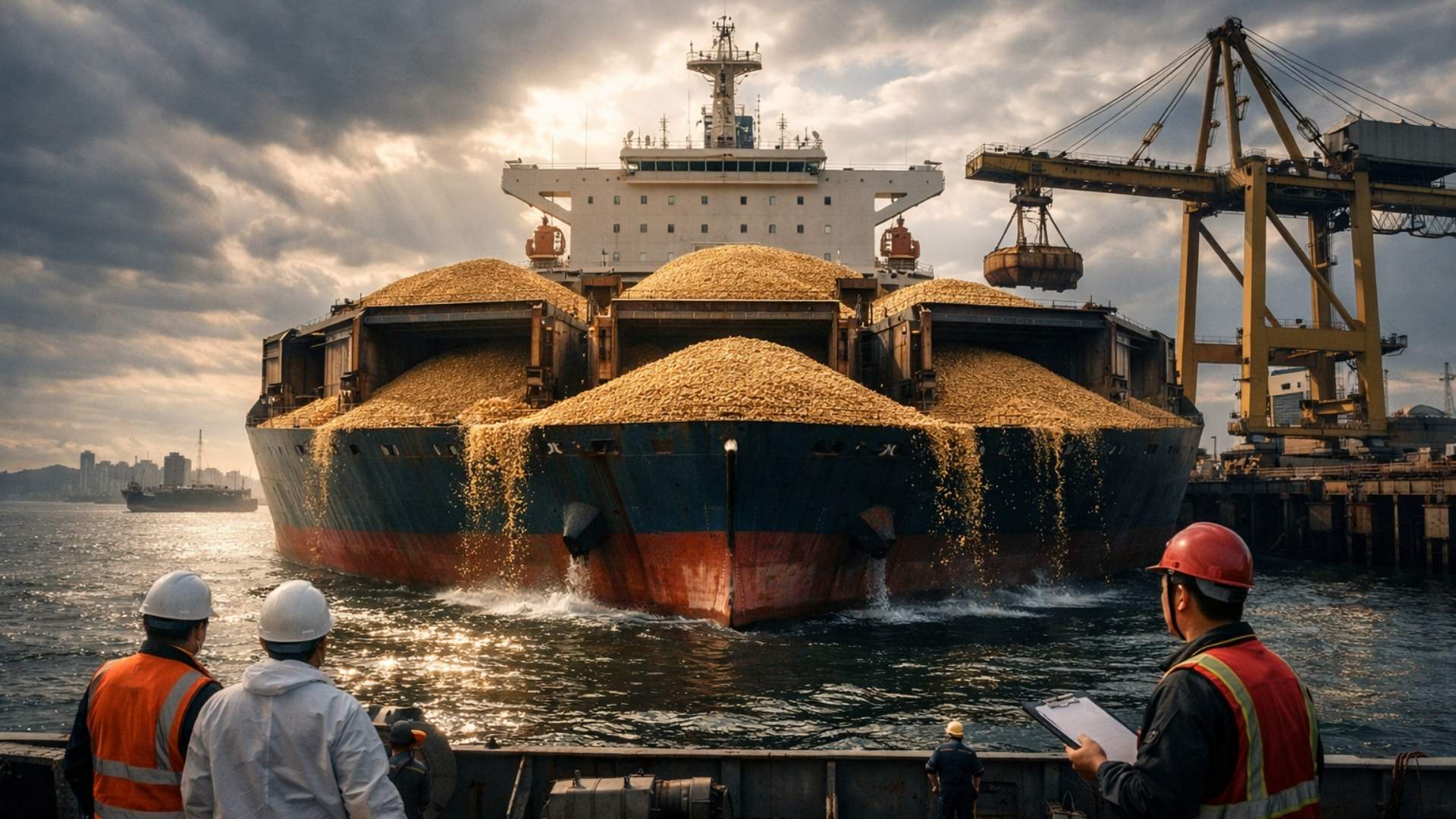
China returned almost 20 Brazilian ships with soybeans, but now everything could change: the country that buys 80% of the grain is considering relaxing regulations after impurities held up shipments of thousands of tons and caused million-dollar losses.
-
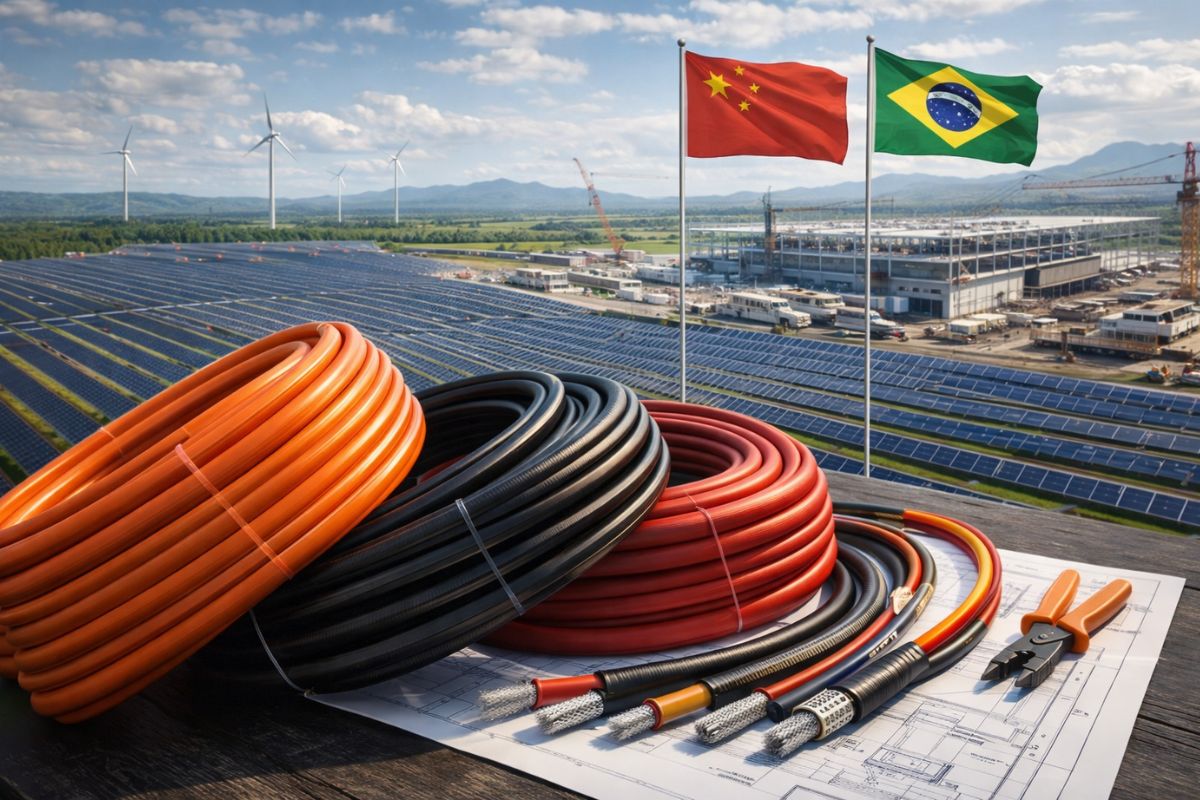
Chinese giant worth nearly R$ 4 billion that manufactures cables for electric cars, solar energy, and robotics wants to open a factory in SC.
-
Many employers do not know, but the law guarantees domestic workers a 25% increase in salary during trips, 50% for overtime, 20% for night shifts, and 17 additional benefits that can lead to labor lawsuits if not paid.


Energy Recovery Plants Are Equipped with Highly Efficient Combustion Gas Treatment Systems
UREs are subject to more stringent environmental legislation and are equipped with highly efficient combustion gas treatment systems, with typical emission values between 50% and 75% below the limit values imposed by the European Directive 2010/75/EU.
This directive requires monitoring of emission limits for more than 20 components, whereas in combustion plants with thermal capacity over 50 MW, only 3 polluting components are monitored.
The SMA Resolution 79/2009 adopted by the State of São Paulo used this directive as a reference. Landfills are subject to minimum air emission regulations, despite emitting over 170 pollutants and 46 air toxins, including 4 known and 13 probable carcinogens.
Energy Recovery Plants of 10 Thousand Tons of Waste Can Generate About 80 to 100 Permanent Direct Jobs for 30 Years, Without Considering Indirect Ones
A study conducted by the European Commission indicated that the energy recovery of 10 thousand tons of waste can create up to 40 jobs. During the construction phase of URE plants, an average of 200 to 300 direct workers is required at the peak of the work, which lasts about 36 months. In the operational phase, a medium-sized plant can generate around 80 to 100 permanent direct jobs for 30 years, without considering indirect ones. On the other hand, for every 10 thousand tons of waste sent to landfills, it is estimated that only about 10 jobs are created.
The implementation of UREs in Brazil would allow for the recovery of an average of 23 kg of recycled metals for every ton of waste treated. The establishment of plants in 28 Brazilian metropolitan regions, with over 1 million inhabitants, as well as in Brazilian capitals where landfills are located in environmentally protected areas, such as São Paulo (SP), Rio de Janeiro (RJ), Salvador (BA), Vitória (ES), Belo Horizonte (BH), Curitiba (PR), Recife (PE), Teresina (PI), Porto Alegre (RS), Florianópolis (SC), and Aracaju (SE), has the potential to recover over 800,000 tons of metals per year, which would otherwise remain buried and lost. Landfills do not allow the recovery of metals.
About ABREN: The Brazilian Association for Energy Recovery of Waste
About ABREN: The Brazilian Association for Energy Recovery of Waste (ABREN) aims to promote the energy recovery of waste, simultaneously addressing two major current problems in Brazil and the world: the disposal of solid waste and the generation of clean energy.
The problem of waste, produced in increasingly monumental quantities, damaging the environment, biodiversity, and public health, has found a solution in energy recovery.
ABREN is a member of the Global Waste to Energy Research and Technology Council (GWC), a prominent technology and research institution that operates in various countries, based in New York City, United States, with the goal of promoting best practices in integrated and sustainable waste management through energy recovery, known as Waste-to-Energy (WTE) or Energy from Waste (EfW). The Executive President of ABREN is also the President of WtERT Brazil, thus representing the Global WtERT Council (GWC).
The ABREN is associated with the International Solid Waste Association (ISWA) and the Federation of the German Waste, Water, and Raw Materials Management Industry or Bundesverband der Deutschen Entsorgungs, Wasser-und Rohstoffwirtschaft e. V. (BDE), allowing ABREN to receive relevant information about the international waste market, participate in events, integrate technical working groups, and seek knowledge exchange for the development of the Brazilian market.





Seja o primeiro a reagir!