





 Portuguese
  English
  Spanish
  3 min of reading
  0 comments


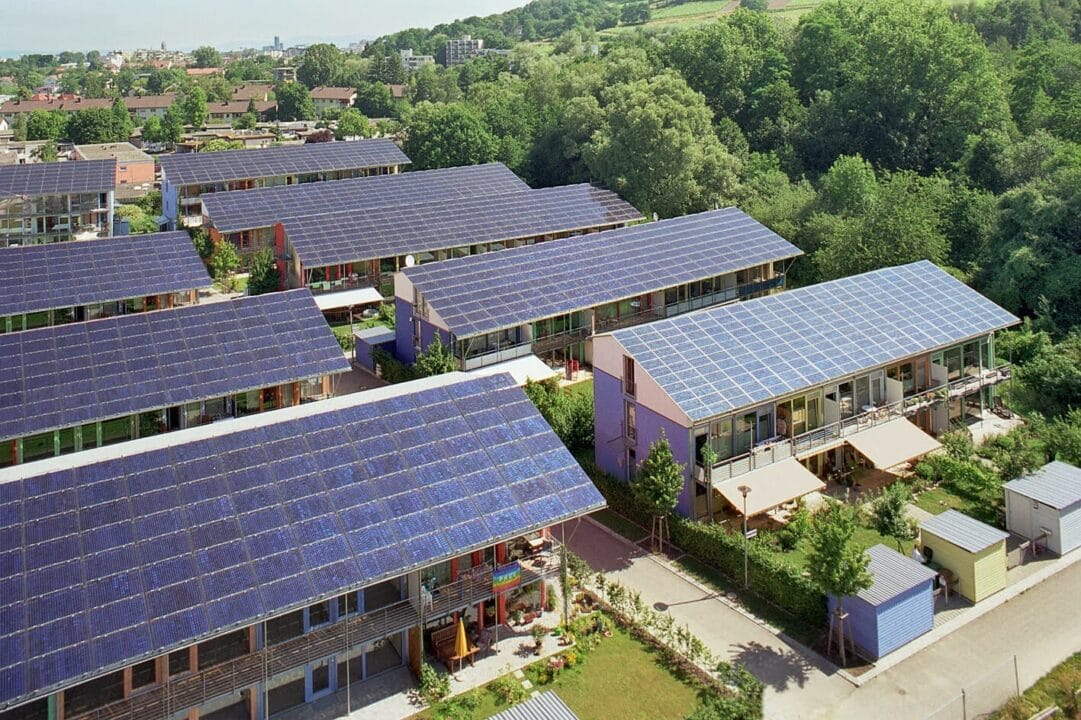
Brazil Has 625 Thousand Photovoltaic Systems, With 7.4 GW of Total Capacity in Solar Energy and Distributed Generation Serving Consumer Units Throughout the Country.
Solar energy is a clean and sustainable source that has been growing significantly in Brazil. In 2023, the distributed generation of solar energy increased by 40%, with over 625 thousand systems connected to the grid, totaling a capacity of 7.4 GW. With this increase, the country reached an installed capacity of 25.8 GW, according to the National Electric Energy Agency (Aneel).
Additionally, more than 837 thousand consumer units began to benefit from the surpluses and credits generated by solar energy. Photovoltaic energy is one of the main forms of renewable energy, providing an efficient alternative for sustainable energy generation. With the growth of solar energy generation systems, the country is getting closer to achieving energy independence and reducing its reliance on non-renewable sources.
Significant Growth of Photovoltaic Solar Energy
The result of 2023 was the second largest annual quantity ever recorded by the monitoring panel available on the Aneel (National Electric Energy Agency) portal. This major milestone demonstrates the exponential growth of photovoltaic energy in Brazil, reinforcing its position as a rising renewable energy source.
-
Renewable energy advances over protected areas in Brazil, and a survey by the Energy Transition Observatory reveals silent impacts that challenge environmental conservation and pressure sensitive traditional territories.

-
Rio Grande do Sul accelerates energy transition: State invests in renewable technologies and consolidates decarbonization strategies and pathways to attract billions in new industrial investments.

-
With 160,000 m² of collectors, an area larger than 20 football fields, Silkeborg, in Denmark, hosts a solar thermal plant that heats 19,500 homes and could become the largest solar heating plant in the world.

-
A study reveals the expansion of renewable energy procurement in Brazil and shows how companies are taking advantage of opportunities to reduce expenses, ensure energy efficiency, and strengthen strategic environmental commitments.


Installed Capacity and Distributed Generation
The impressive number of 796 thousand micro and mini-generation units connected to the grid, with a total capacity exceeding 8.3 GW in 2022, highlights the relevance of distributed solar energy generation in the country. In that year, there was a rush to take advantage of discounts on distribution and transmission tariffs, which ended on January 7, further driving the adoption of this form of energy generation.
States With the Highest Installed Capacity and Distributed Systems
Looking at the states with the highest installed capacity during the period, we see that São Paulo led with 1.1 GW, followed by Minas Gerais with 870 MW, Paraná with 630 MW, Rio Grande do Sul with 600 MW, and Mato Grosso with 530 MW. These numbers represent a significant advancement in utilizing photovoltaic solar energy as a clean and sustainable source of power throughout the country.
Expansion of Solar Energy in Municipalities
With 2.3 million installed systems in 5,545 municipalities, photovoltaic solar energy reaches over 3.3 million consumer units, providing surpluses and credits that reduce the monthly electricity bill. This municipal expansion reflects the growing adoption of this form of energy generation in communities across Brazil.
Leadership in Installed Capacity
The state that stands out with the highest installed capacity in micro and distributed generation is Minas Gerais, with 3.50 GW installed and 269 thousand systems. Next is São Paulo, with 3.47 GW installed and 368 thousand systems, and Rio Grande do Sul, with 2.60 GW installed and 288 thousand systems. These figures reinforce the leading position of these states in implementing photovoltaic solar energy systems across the country.
Source: EPBR









Seja o primeiro a reagir!