






 Portuguese
  Spanish
  3 min of reading


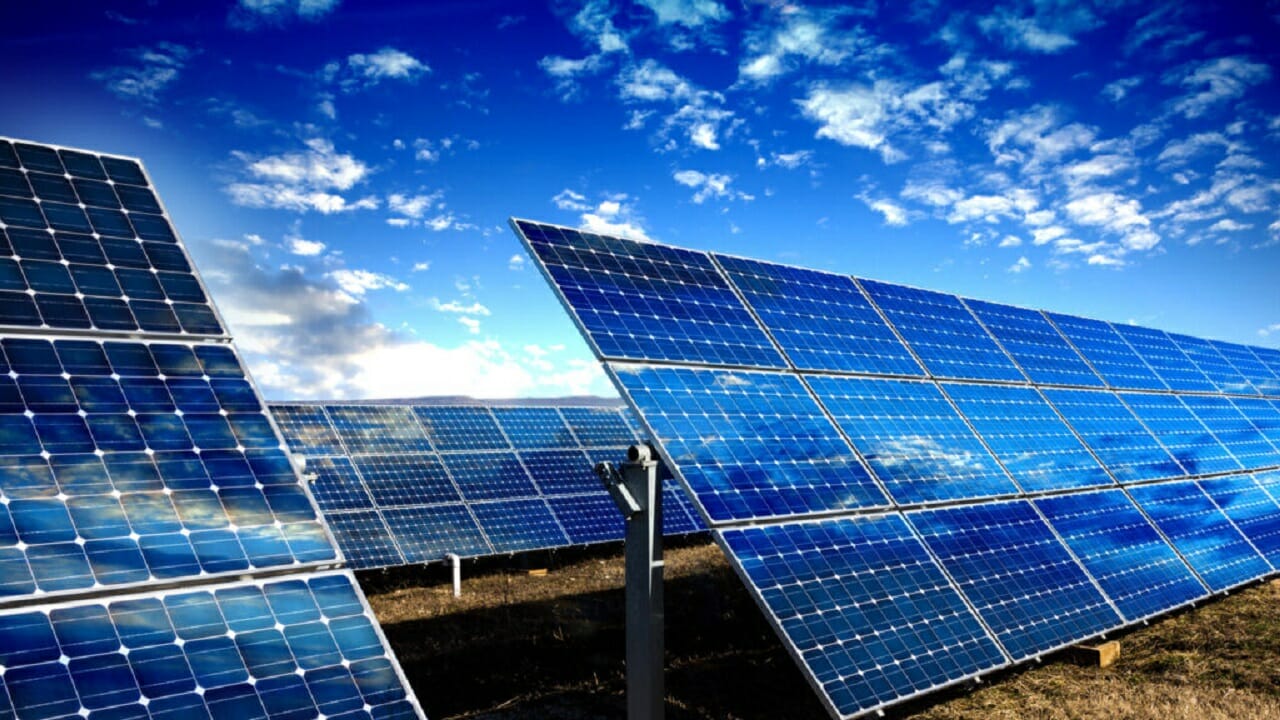
The Brazilian Solar Energy Market Continues To Expand. The Country Has Now Surpassed The Mark Of 2 Million Photovoltaic Systems Installed And Reaches The 8th Position In The World Ranking.
In full expansion in Brazil, the solar energy market has surpassed the mark of two million photovoltaic systems installed on facades, roofs, and small plots of land. Thus, the segment reaches a mark of 22 thousand megawatts of installed capacity in homes, industries, commerce, public buildings, and rural properties, equivalent to just over 4% of the total capacity of the national generation park.
Brazil Receives R$ 111 Billion In Investments Since 2012
The cited numbers are part of a mapping released by the Brazilian Association of Photovoltaic Solar Energy (Absolar) this Tuesday (27). According to the organization, the growth of solar energy reinforces the energy transition process in the country. Since 2012, the sector has received investments of R$ 111 billion, according to Absolar.
The states that continue to lead in installed capacity are: Minas Gerais, Rio Grande do Sul, São Paulo, and Paraná. According to Ronaldo Koloszuk, president of the board of the entity, the pace of solar energy expansion could be even greater; however, it is delayed due to high interest rates.
-
Brazilian scientists are simultaneously advancing two research projects on clean hydrogen and driving solutions that could transform the energy matrix, enhance industrial competitiveness, and accelerate large-scale emission reduction targets.

-
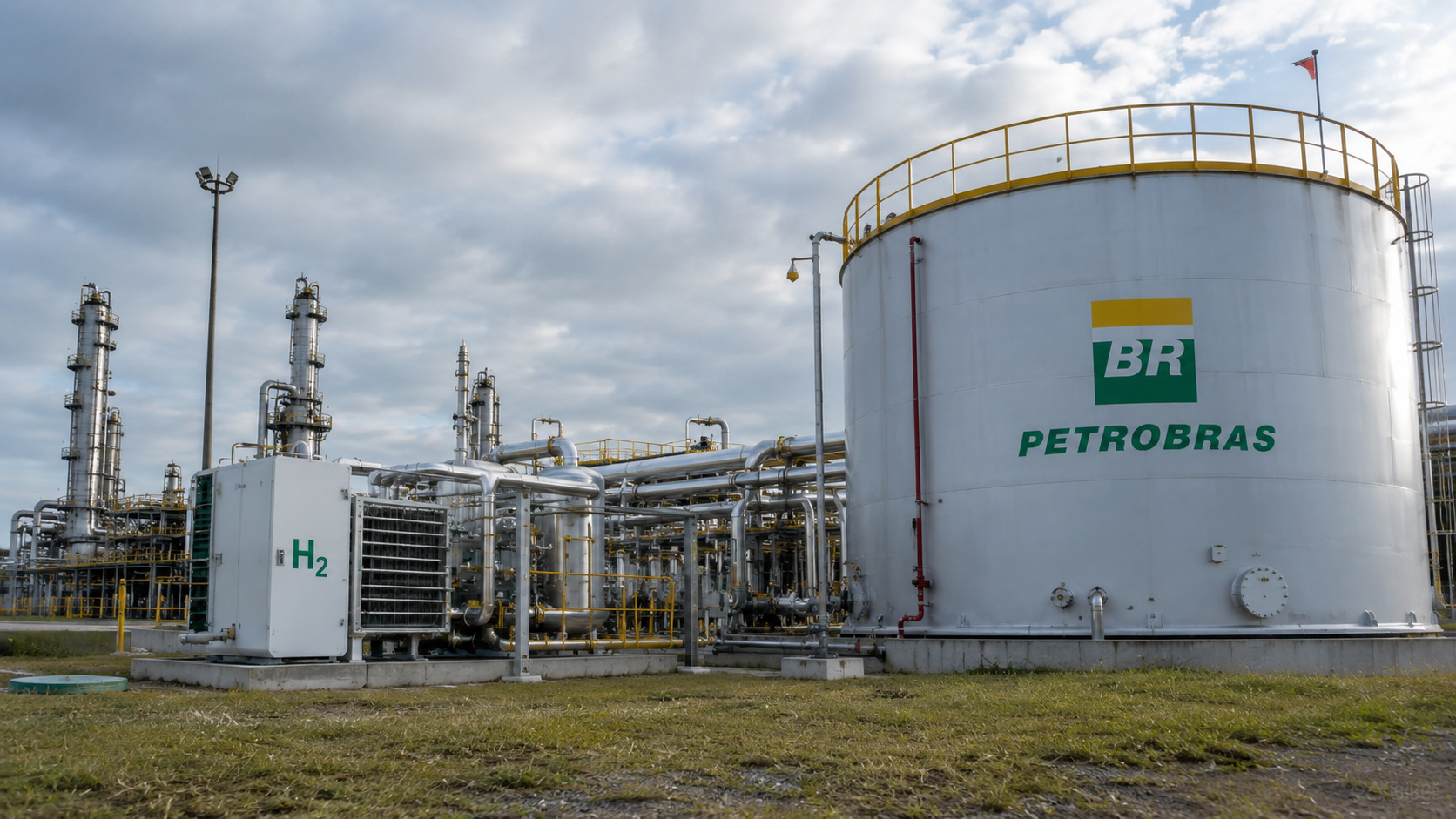
Advancement in renewable energy: A R$ 150 million project launched by Petrobras and Finep aims to create state-of-the-art electrolyzers for green hydrogen, strengthening national research and preparing Brazil to compete in a billion-dollar energy market.
-
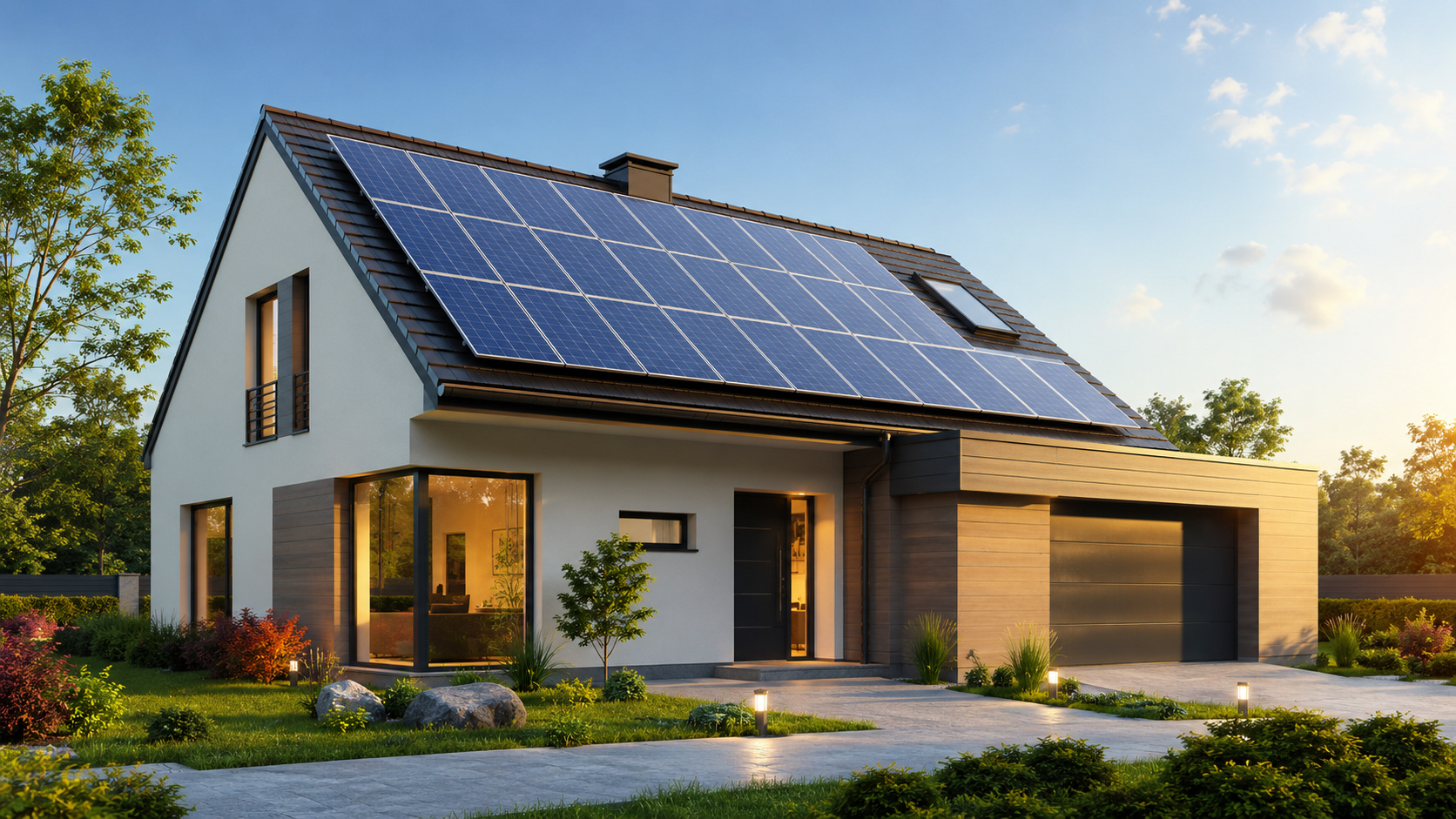
Solar energy can increase property value by up to 10% and become a selling point.
-
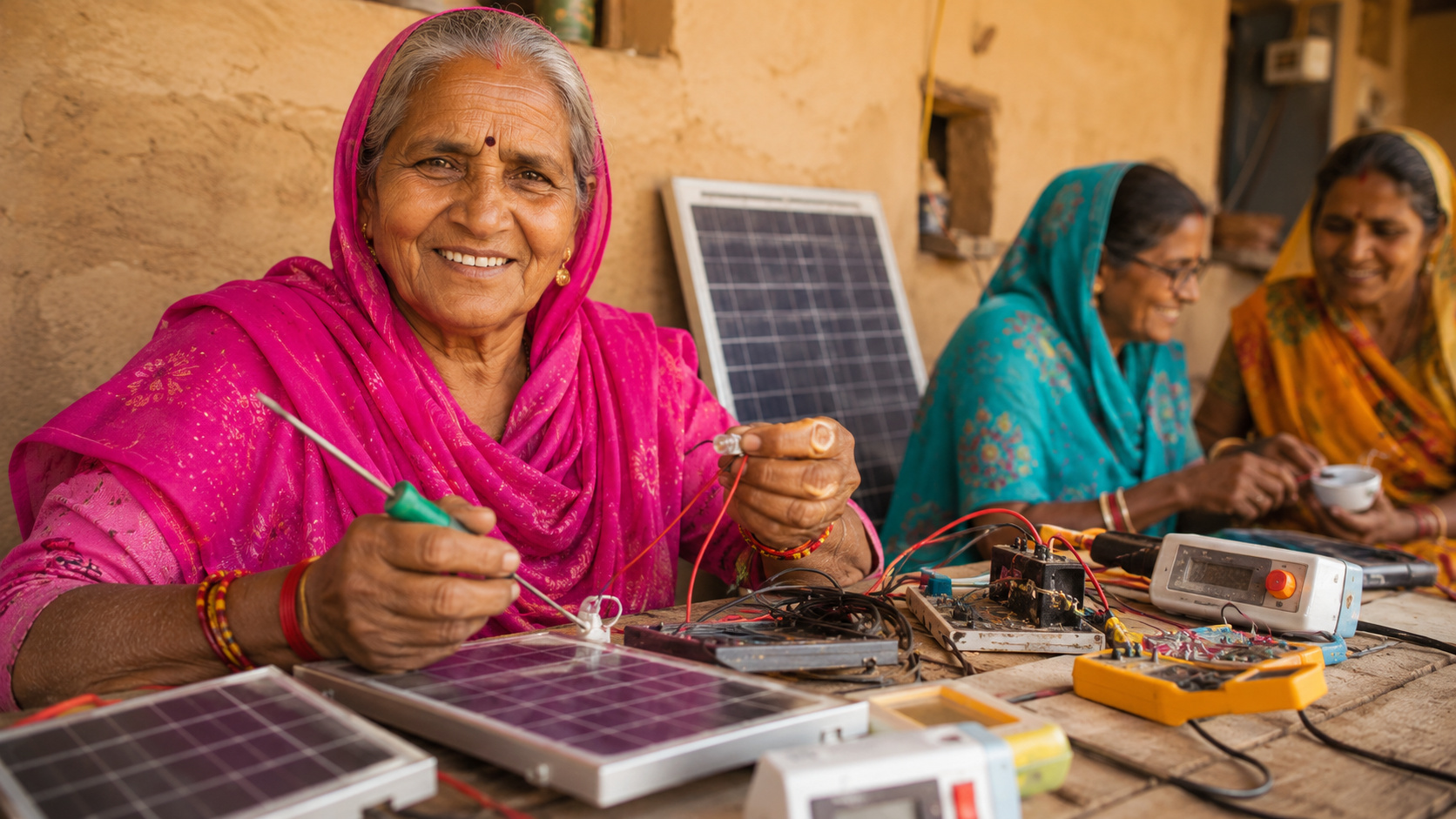
Illiterate or semi-literate grandmothers were trained to repair solar systems, open rural workshops, and light up homes that still depended on kerosene.

For Koloszuk, the current level of the interest rate in Brazil, at 13.75%, inhibits the acceleration of this progress, as the financing payment for the photovoltaic systems becomes heavy within the family budget. It is important to highlight that Brazil entered, for the first time in March, the list of the ten countries with the highest accumulated installed capacity from the solar photovoltaic source.
The country ended the last year with 24 GW of operational solar capacity. With this result, Brazil took the eighth place in the international ranking. Absolar states that the data considers the sum of large solar power plants and small and medium-sized self-generating solar photovoltaic systems installed on rooftops and facades of buildings, for example, as well as small plots of land.
Solar Energy Sees 64% Growth Just In 2022
According to the entity, Brazil’s eighth place is due to the fact that 10 GW of capacity was installed just in the last year.
In 2022, the solar energy sector attracted more than R$ 45.7 billion in new investments, a 64% expansion compared to the investments made in the segment the previous year. When the accumulated installed capacity of solar technology between 2021 and 2022 is analyzed, the country climbed 5 positions in the world ranking, rising from 13th place in 2021 to 8th in 2022.
Solar energy became the second largest source in Brazil’s electric matrix in January of this year. Currently, it totals 26 GW in operation in the country, responsible for more than 783.7 thousand accumulated jobs since 2012. According to Koloszuk, in addition to being competitive and accessible, solar energy is quick to install and helps relieve consumers’ expenses, reducing their electricity costs by up to 90%.
Minas Gerais Is The State That Generates The Most Solar Energy In Brazil
According to data gathered by Aneel’s Generation Information System in March, Minas Gerais is the Brazilian state that generates the most solar energy in the country through photovoltaic systems.
The state ranks first in centralized generation, generating more than 2 GW of energy, and second in distributed generation, with over 2.46 GW, only behind the state of São Paulo.
For Túlio Fonseca, CEO of Energy Brasil, the largest solar energy franchisor in Brazil, several reasons explain the growing demand for solar energy in Minas, such as the decreasing costs of photovoltaic kits, increased demand due to law 14.300, more installment options, and rising energy tariffs in the region.





Be the first to react!