





 English
  Francês
  Alemão
  Italiano
  Japonês
  Norueguês
  Portuguese
  Spanish
  4 min of reading


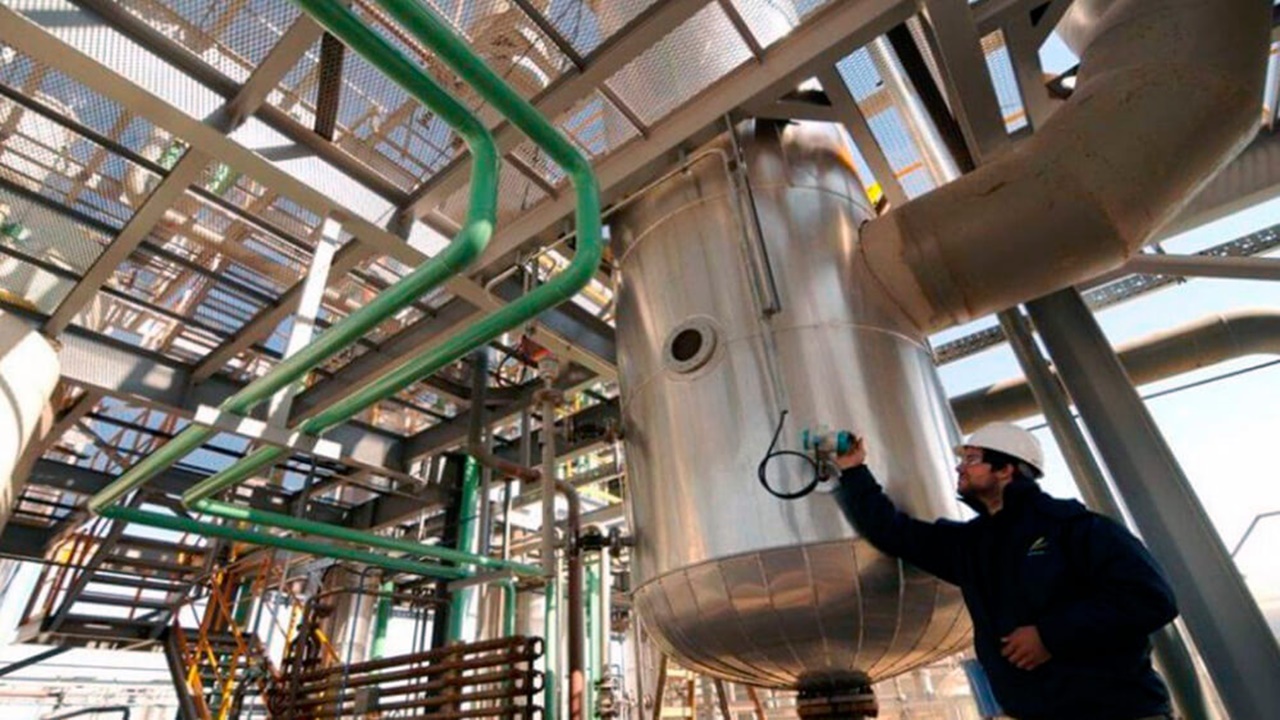
Ethanol Generates 90% Fewer Emissions Than Gasoline and Is Internationally Recognized for Not Posing a Risk to Native Forests
Cars with flex engines were launched in Brazil in March 2003 and since then, the new technology allowing the use of ethanol fuel has prevented the emission of more than 566 million tons of CO2 into the atmosphere, reported the Sugarcane Industry Union (Unica). This volume is equivalent to the annual emissions summed up in neighboring countries: Argentina, Venezuela, Chile, Colombia, and Uruguay.
See Also
- Raízen Will Help Brazil Expand Ethanol Globally by Licensing 2nd Generation Technology to Other Countries
- Gasoline, Ethanol, Diesel, and GNV Prices Keep Rising, and the Newest GNC Fuel Has Come to ‘Save’ App Drivers, Taxi Drivers, and Workers
- Volkswagen Announces Installation of Moura Batteries Factory in Its Industrial Complex in RJ for the Production of Brazil’s First Electric Truck!
- Sale of Hydrated Ethanol Among Distributors Was Definitively Prohibited by the National Agency of Petroleum, Natural Gas and Biofuels
- Ethanol Prices Spike, Reaching Nearly R$ 7 at Fuel Stations; Reductions Are Expected in the Coming Weeks to Alleviate Consumers’ Burden
The information was based on the methodology for measuring greenhouse gas (GHG) emissions standards for fuels established by the National Biofuels Policy – RenovaBio, and utilized data from the National Agency of Petroleum, Natural Gas and Biofuels (ANP).
Renovabio Controls 86% of Alcohol (Anhydrous and Hydrated) Sold in Brazil
Currently, 86% of the ethanol marketed in the country is certified under RenovaBio, ensuring traceability and effectiveness in emissions reduction and the nullification of direct and indirect deforestation, the organization highlighted.
-
While Russia dominates the global wheat market, Brazil emerges as an unexpected competitor in the Cerrado, offering grain available in July and August when stocks in the Northern Hemisphere are at their lowest point of the year.

-
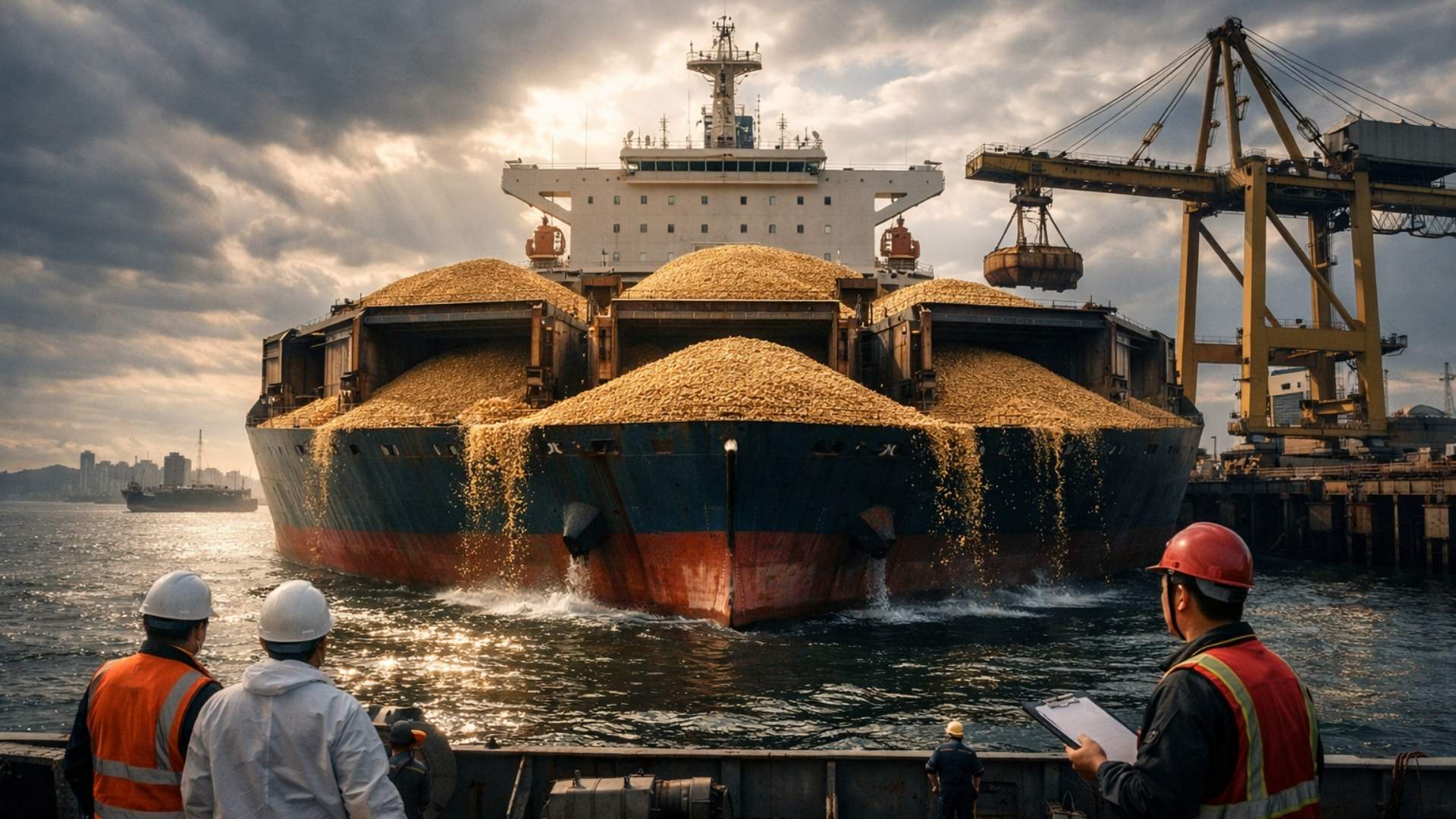
China returned almost 20 Brazilian ships with soybeans, but now everything could change: the country that buys 80% of the grain is considering relaxing regulations after impurities held up shipments of thousands of tons and caused million-dollar losses.
-
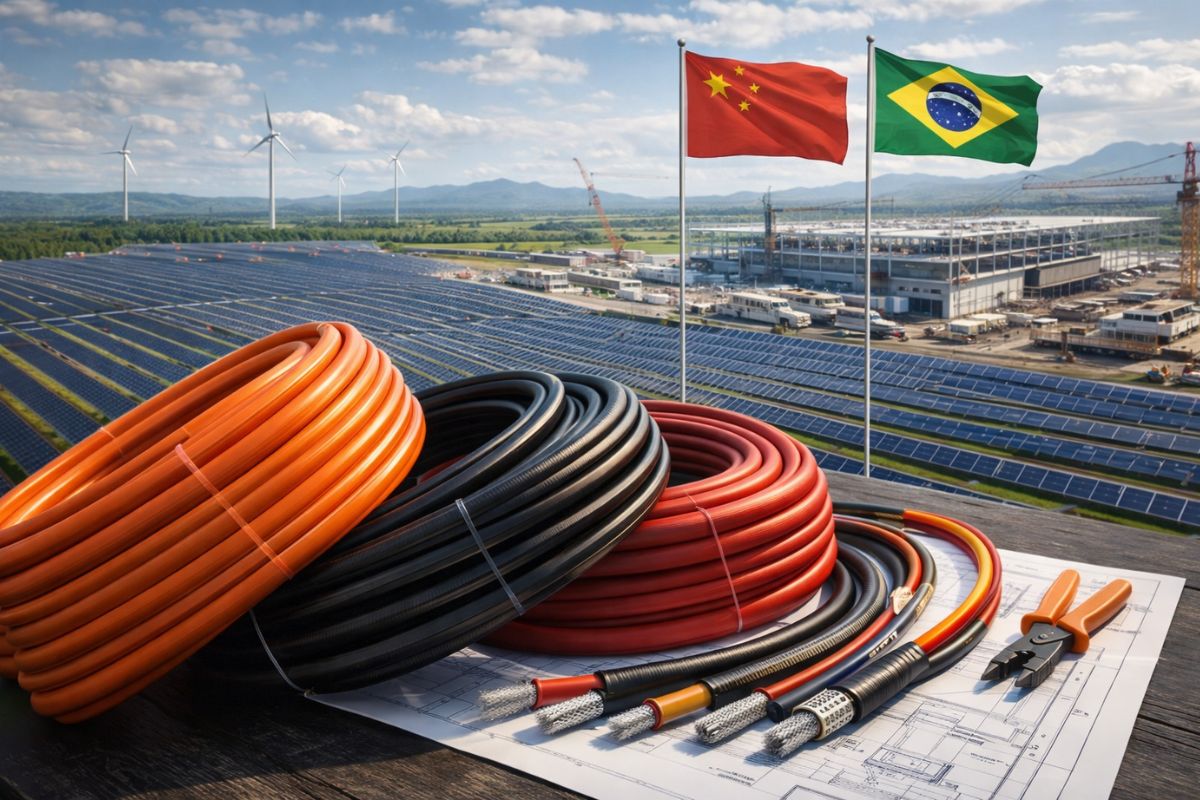
Chinese giant worth nearly R$ 4 billion that manufactures cables for electric cars, solar energy, and robotics wants to open a factory in SC.
-
Many employers do not know, but the law guarantees domestic workers a 25% increase in salary during trips, 50% for overtime, 20% for night shifts, and 17 additional benefits that can lead to labor lawsuits if not paid.


“The COVID-19 pandemic has reinforced the urgency of taking effective measures to combat climate change. In Brazil, as nowhere else in the world, we have a mature renewable fuels industry that has contributed year after year to reducing greenhouse gas emissions,” analyzed Evandro Gussi, president of Unica, highlighting that the International Energy Agency (IEA) has already pointed out the importance of programs like Renovabio to achieve zero emissions by 2050.
The sustainability of the chain is enhanced by the use of byproducts from ethanol production for low-carbon electricity generation. In 2020, bioelectricity supplied to the grid by the sugarcane sector increased by 1% compared to 2019, with a total volume of 22,604 GWh. Of this total, 83% was supplied between May and November, the dry period.
Ethanol Generates 90% Fewer Emissions Than Gasoline and Is Internationally Recognized for Not Posing a Risk to Native Forests
According to the National Energy Balance 2021, published by the Energy Research Company (EPE), sugarcane accounts for 19.1% of the entire primary energy supply in Brazil, considering ethanol and bioelectricity, and 39.5% of all renewable energy.
EPE also states that ethanol generates 90% fewer emissions than gasoline and is internationally recognized for not posing a risk to native forests. Sugarcane crops intended for ethanol production occupy only 0.8% of the national territory and are located more than 2,000 kilometers from the Amazon.
“Sustainability is a strategic differential of the sugarcane sector recognized in Brazil and around the world, and it is part of the value proposition of products derived from sugarcane, which are essential for the sustainable resumption of the country’s economic growth,” concluded Gussi.
Raízen Will Help Brazil Expand Ethanol Globally by Licensing 2nd Generation Technology to Other Countries
Francis Queen, vice president of ethanol, sugar, and bioenergy at Raízen, stated that the company can license second-generation ethanol technology, or 2G, to other countries. “We need to have more producing countries; this is essential for ethanol to become a global commodity,” he said on the afternoon of last Tuesday, 25, during the Fenasucro & Agrocana Trends event.
Also present at the event was Pietro Mendes, director of Biofuels at the Ministry of Mines and Energy, who said the government is working to expand ethanol globally both in public policies and with the private sector. “It is important for other governments to understand how Brazil developed a public ethanol policy and what the regulation looks like. But this also does not work without the private sector,” he said.
The president of Volkswagen in Latin America says the current moment is critical to determine whether Brazil “will be a protagonist or not” in ethanol. “Technology and energy are changing very rapidly, and we need to embrace this.”








Seja o primeiro a reagir!