Portuguese
  Spanish


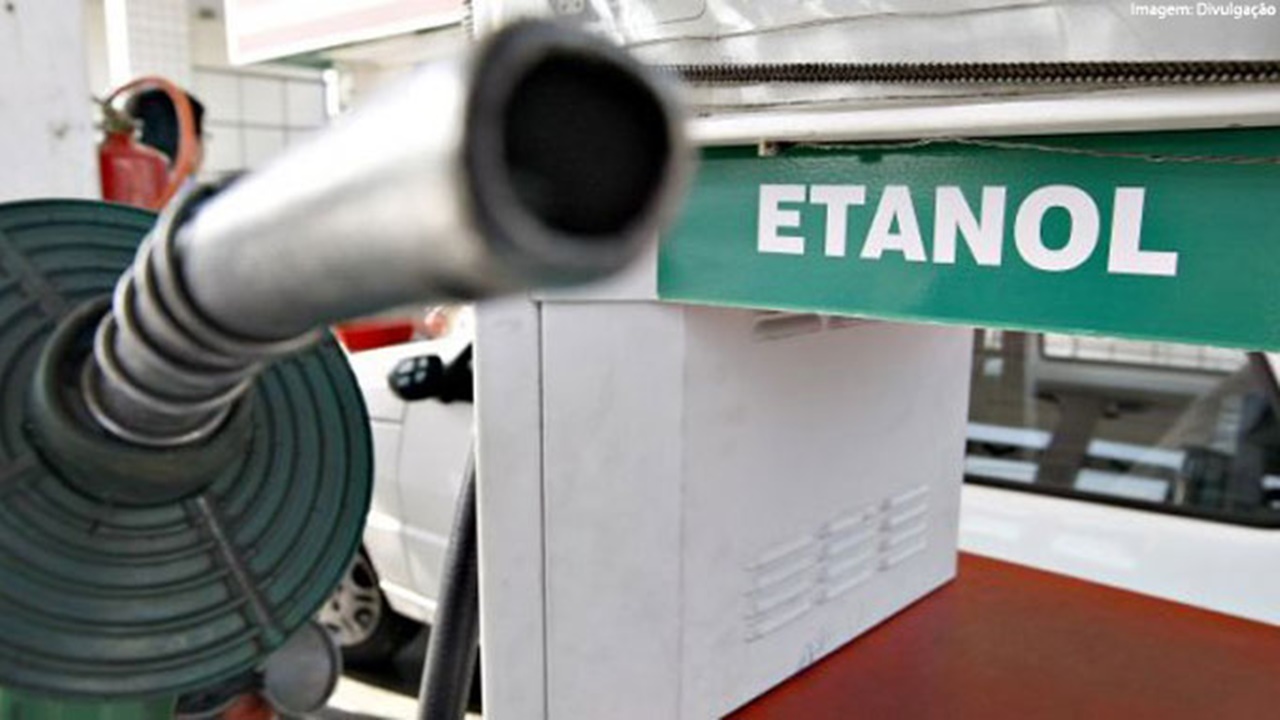

Gasoline And Ethanol Prices Skyrocket Every Day At Gas Stations And Hit Consumers’ Pockets Hard, Who Have Nowhere To Run
The price of ethanol continues to rise at gas stations across Brazil, reaching almost R$ 7 in the Southern region of the country, reveals a survey carried out by the National Agency of Petroleum, Natural Gas and Biofuels (ANP), between the 1st and the 21st of this month. According to Mario Campos, president of Siamig, the reduction will reach the pumps in the coming weeks and relieve consumers’ pockets.
Also Read
- Diesel Prices Rise Again And Truck Drivers Demand A Tax On Oil Exports To Relieve Fuel Costs
- Coconut Husk Ethanol, Developed By A Brazilian University, Could Change The World Of Renewable Energy
- Demand For Ethanol And Gasoline Plummets While Diesel Consumption Soars In Brazil
- Hydrogen-Ethanol Mixture Promises To Revolutionize Efficiency And Reduce Fuel Consumption In Flex Engines
- Ethanol Prices Skyrocket At Pumps As Consumption Grows And Mills Extract More Sugar; Consumers Are The Ones Paying The Price
- Ethanol Prices Evaporate At Mills And Exporting The Biofuel To The USA, The World’s Main Ethanol Consumer, Becomes A Very Advantageous ‘Salvation’
- Gasoline Prices Could Soar And Ethanol Could Become Scarce Due To Lack Of Anhydrous Alcohol; Shortages Will Further Impact The Pockets Of Brazilians
The average price of ethanol has reached up to R$ 5.999 in the Southeastern region, causing despair among consumers. According to the president of the Sugar-Ethanol Industries Association of Minas Gerais (Siamig), alcohol prices skyrocketed due to the drought that occurred last summer.
“Production did not come consistently, and therefore there was a supply and demand problem that caused ethanol prices to rise,” explained Mario Campos.
-
Over a Thousand Nelore Cattle Die Unexpectedly in Brazilian Feedlot, Raising Concerns About Intensive Livestock Farming

-
Researchers Turn Discarded Mango Pits into Hydrogel That Absorbs 400% of Its Weight in Water, Offering Agricultural Solution for Droughts and Waste Reuse

-
Flower strips in Brazilian farms become pest control strategy, attracting predator insects and reducing the need for chemical pesticides.

-
Brazilian Startup Turns Coffee Grounds into Plant-Based Leather, Cutting Water Use by Over 50 Times for High-Impact Sustainable Fashion


With the sugarcane harvest period and ethanol production usually occurring between April and December, the price of the biofuel should be low, but that is not what consumers are seeing at gas stations.
The Value Of The Biofuel Is Expected To Fall In The Coming Weeks And Alleviate Consumers’ Pockets
Despite the spike in ethanol prices, the executive notes that there has been production — albeit lower than in previous years — and thus prices should decrease soon at gas stations, alleviating consumers’ pockets.
“The reduction will reach the pumps in the next few weeks in markets where ethanol is more competitive, such as São Paulo, Paraná, and Minas Gerais. However, price parity with gasoline is expected to be less common due to the smaller harvest,” he stated.
Mario Campos explains that the primary culprit for the rise in biofuel prices is not just the drought during the Brazilian summer, but the spike in sugar prices in the international market also contributed to the appreciation of ethanol. In other words, with high prices abroad, mills prefer to export sugar rather than produce ethanol.
According to the Foreign Trade Secretariat (Secex), in April, Brazil exported 1.904 million tons of sugars and molasses, 25.67% more than in the same month in 2020, when a total of 1.515 million tons was shipped.
Direct Sale Of Ethanol From Mills Approved By The CCJ Promises To Stimulate Competition And Curb The Rise In Gasoline Prices At Gas Stations
On May 5th, the Commission of Constitution and Justice (CCJ) of the Chamber of Deputies approved the permission for the direct sale of ethanol from mills — without going through distributors, to gas stations. The new measure could curb the rise in gasoline and diesel prices and relieve Brazilians’ pockets.
It is still not possible to know exactly how much the direct sale of ethanol would impact the price of the biofuel in Brazil, as there is much dependence on industrial logistics in each state. However, a study by Esalq-Log in 2019 showed that the average transport cost of ethanol in the state of São Paulo would decrease by about 30% with direct sales.
There are also estimates that the concentration of production and distribution margins in the producer and the increase in competition among millers and distributors in the fuel market could reduce hydrated ethanol prices by up to 20 cents per liter for the final consumer.
Gasoline, Alcohol, And Diesel Prices Keep Rising, And Deputies Refuse To Change ICMS Amidst The Surge In Fuel Prices
Petrobras is being ‘attacked’ by the surge in fuel prices by deputies who refuse to change the ICMS amid the crisis caused by consecutive increases in gasoline, ethanol, and diesel prices.
Brazilians are suffering daily from rising fuel prices, given that ethanol, gasoline, and diesel prices keep climbing at the pumps. As a measure to try to curb the spikes, the Government proposed changes to the ICMS taxation on fuels. The new proposal was not well received by some deputies, who went as far as accusing the Brazilian oil company Petrobras of being the cause of it all.