





 English
  Francês
  Alemão
  Italiano
  Japonês
  Norueguês
  Portuguese
  Spanish
  2 min of reading
  0 comments



The Robotics Center (CRob) of the University of São Paulo (USP) is currently conducting a project aimed at introducing robots in oil rig operations. The proposal aims to use these devices for tasks that represent high levels of stress or danger for employees in offshore and onshore facilities.
The study at the University of São Paulo for such operations has been named “Infrastructure for the Development of Robotic Tools for Inspection and Maintenance in Oil Facilities” and will be carried out in collaboration with the School of Engineering of São Carlos (EESC) and the Institute of Physics of São Carlos (IFSC).
The initiative seeks to make it feasible to use robots in activities that currently expose workers to life-threatening risks. Marcelo Becker, a professor at EESC and coordinator of CRob, highlighted some of these dangers to Jornal da USP. According to him, in onshore facilities, the environment is extremely risky due to the presence of flammable and explosive substances.
On offshore platforms, located in open sea, many employees work on a rotation basis for 15 days, miles from the shore, performing 12-hour work shifts. Thus, the purpose of the research is also to reduce work-related stress and improve working conditions.
-
Goodbye iron: a common item in households is starting to lose space to technology that smooths clothes in minutes without an ironing board and with less energy consumption.

-
Antarctica reveals an unusual clue high in the Hudson Mountains, and what appeared to be just an isolated rock began to expose a secret hidden under the ice for ages.

-
Salaries of up to R$ 25,000, a shortage of professionals, and exploding demand in 2026 make the no-code automation specialist one of the most sought-after careers in Brazil, even without requiring a degree or programming knowledge.

-
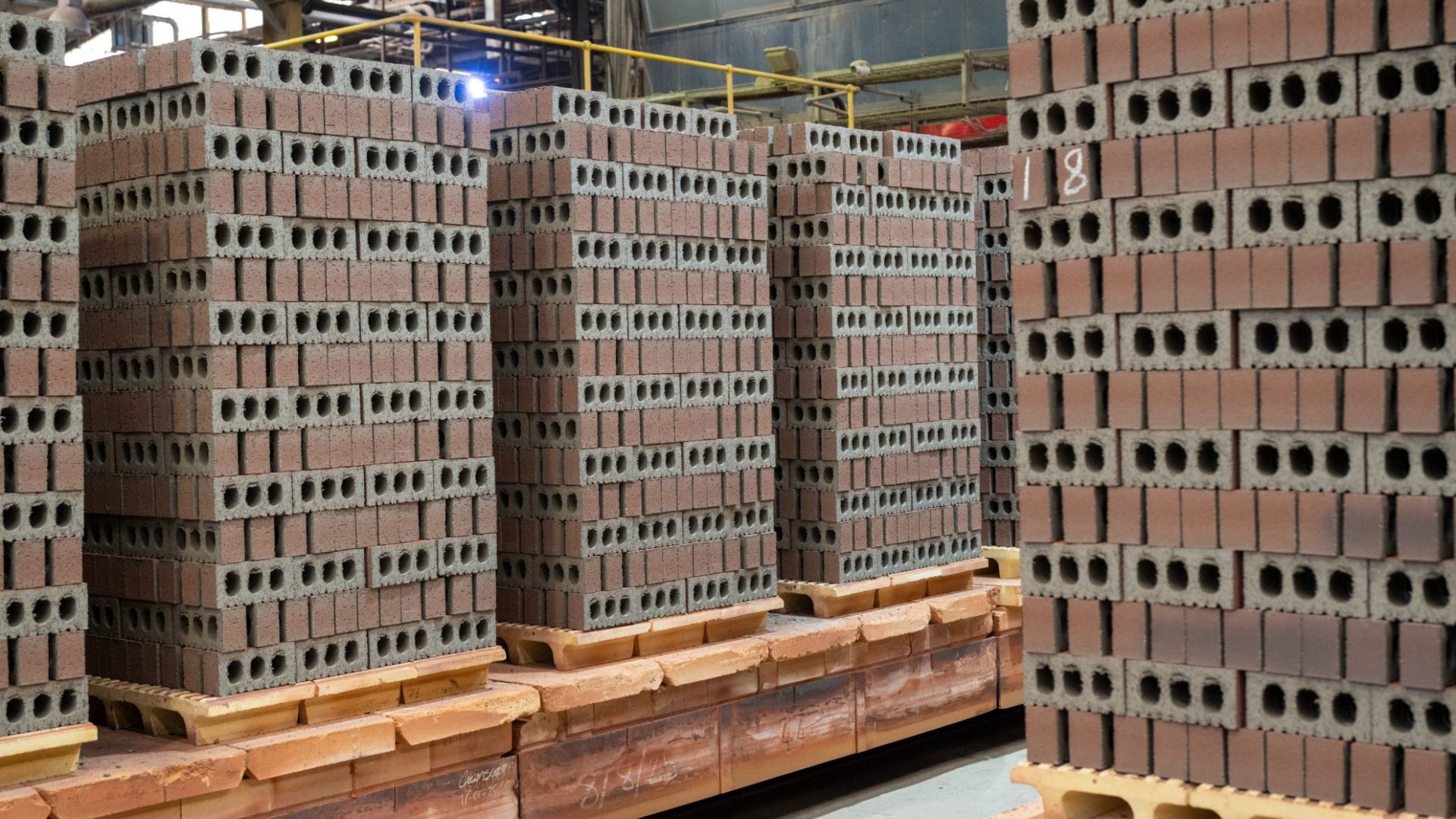
The first commercial-scale hydrogen-powered brick factory will be established.

Project Aims to Acquire 40 Robots to Facilitate Work at Stations
The study also has the partnership of Petrobras and the Brazilian Company for Research and Industrial Innovation (Embrapii). In fact, 40 mobile aerial and terrestrial robots have already been obtained, with different configurations to perform various purposes, such as land, aerial, and hybrid mobility.
These robots will undergo tests in activities with various levels of difficulty regarding oil operations. In total, there are more than 50 researchers currently developing the project at USP. The investment is expected to be around R$ 48 million in infrastructure and R$ 19 million in travel, scholarships, materials, and services for research.






Seja o primeiro a reagir!