





 Portuguese
  English
  Spanish
  2 min of reading
  9 comments


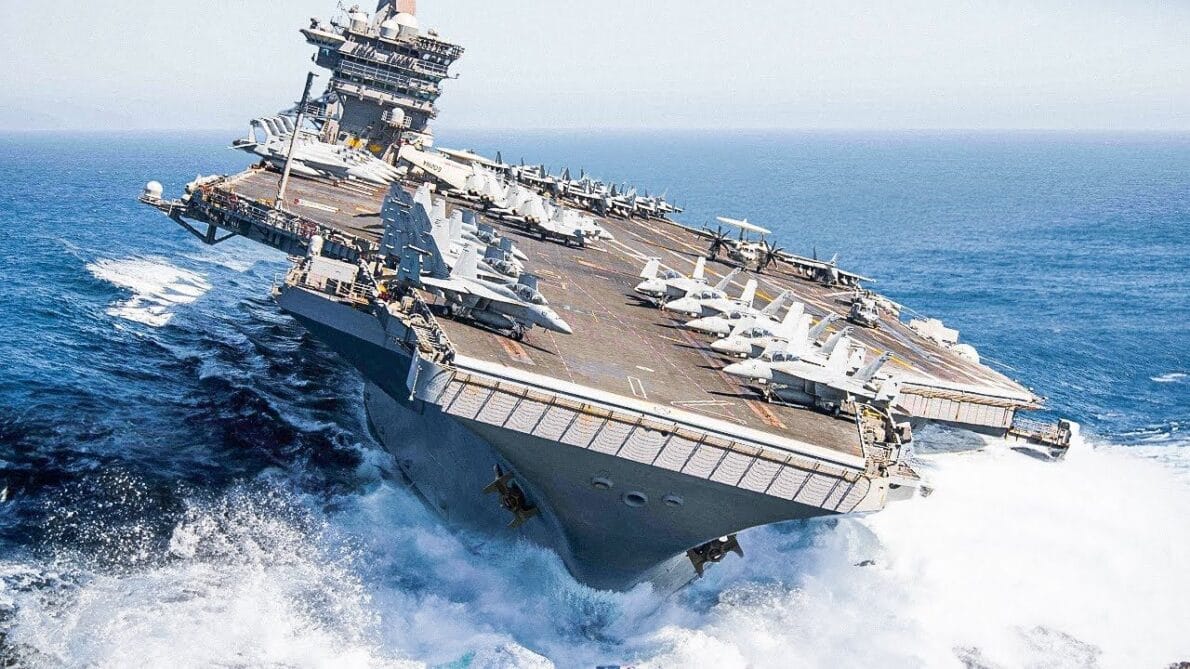

Keeping an Aircraft Carrier Stable at Sea Is Crucial for the Safety and Efficiency of Operations. The USS Harry S. Truman, One of the Largest Aircraft Carriers in the World, Has More Than 6,000 Sailors Aboard and Nearly 100 Combat Jets, Each Worth More Than 30 Million Dollars. So, How Does This Giant Stay Level?
On July 8, 2022, a combat jet fell off the deck of the USS Harry S. Truman due to violent weather in the Mediterranean Sea. This incident raised questions about how such a large aircraft carrier can be affected by storms.
Aircraft carriers, due to their size and weight, have a natural stability that prevents them from easily capsizing. However, waves and winds can cause dangerous movements. The safety of the 6,000 sailors aboard is the top priority, and an unstable ship can lead to serious accidents.
To Maintain Stability, the U.S. Navy Uses Advanced Simulation Tools That Test the Ship’s Performance in Various Sea Conditions Even Before It Is Built
These tests on aircraft carriers help create optimized and safe designs. One of the main features that aid stability is the use of ballast. Ballast is the additional weight added to the ship’s hull, usually through water pumped into specific tanks.
-
With 74% of companies facing difficulties in hiring, technicians and engineers in renewable energy are becoming scarce in Brazil and are essential to support the expansion of solar, wind, and green hydrogen projects.

-
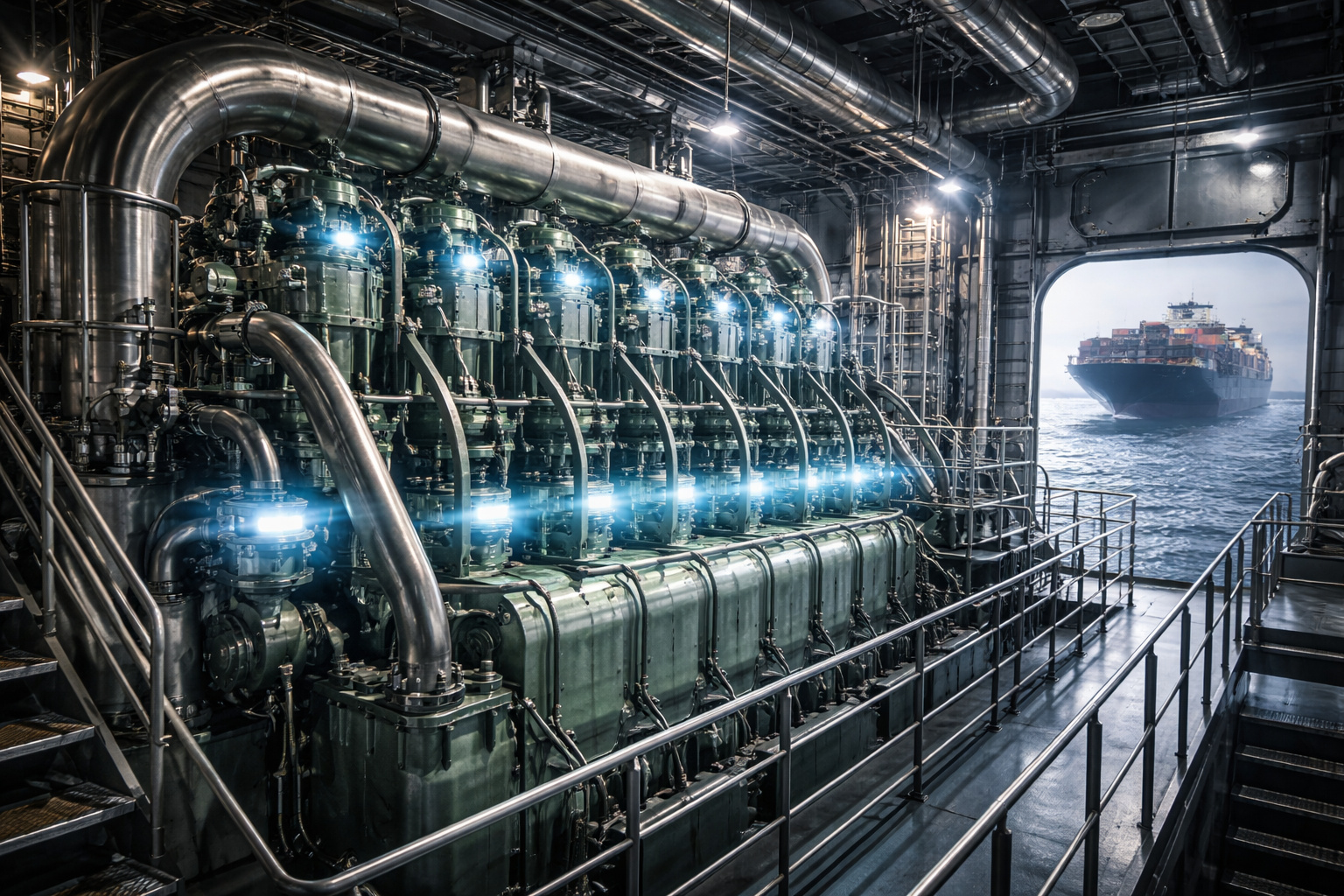
Europe is trying to create an ammonia-powered marine engine without auxiliary fuel, which could unlock the race for giant emission-free ships. The technology aims to eliminate one of the biggest obstacles to clean maritime propulsion.
-
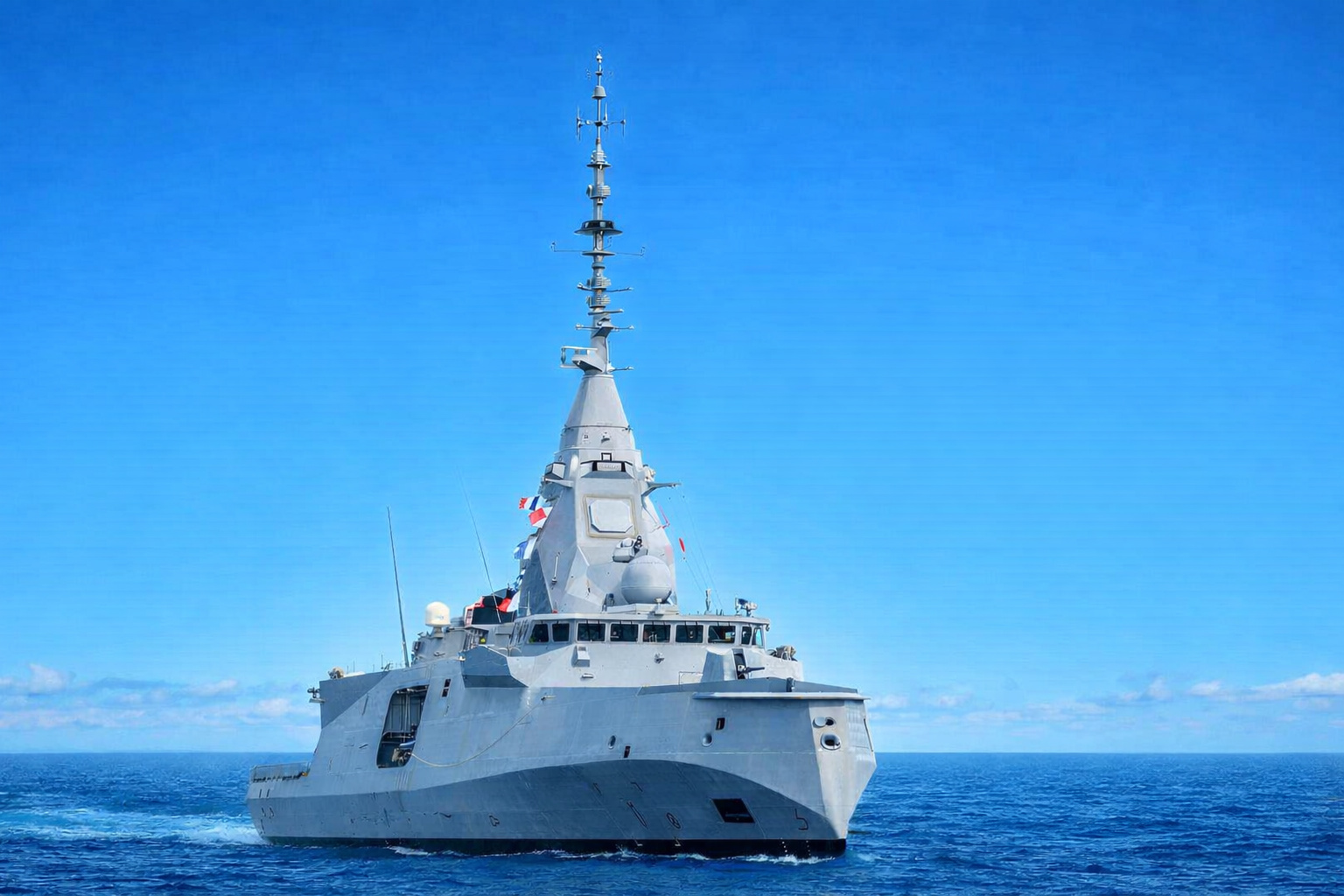
A 4,500-ton frigate with just over 100 crew members, state-of-the-art radar, and cruise missiles is being touted as the new standard of naval warfare in the 21st century.
-
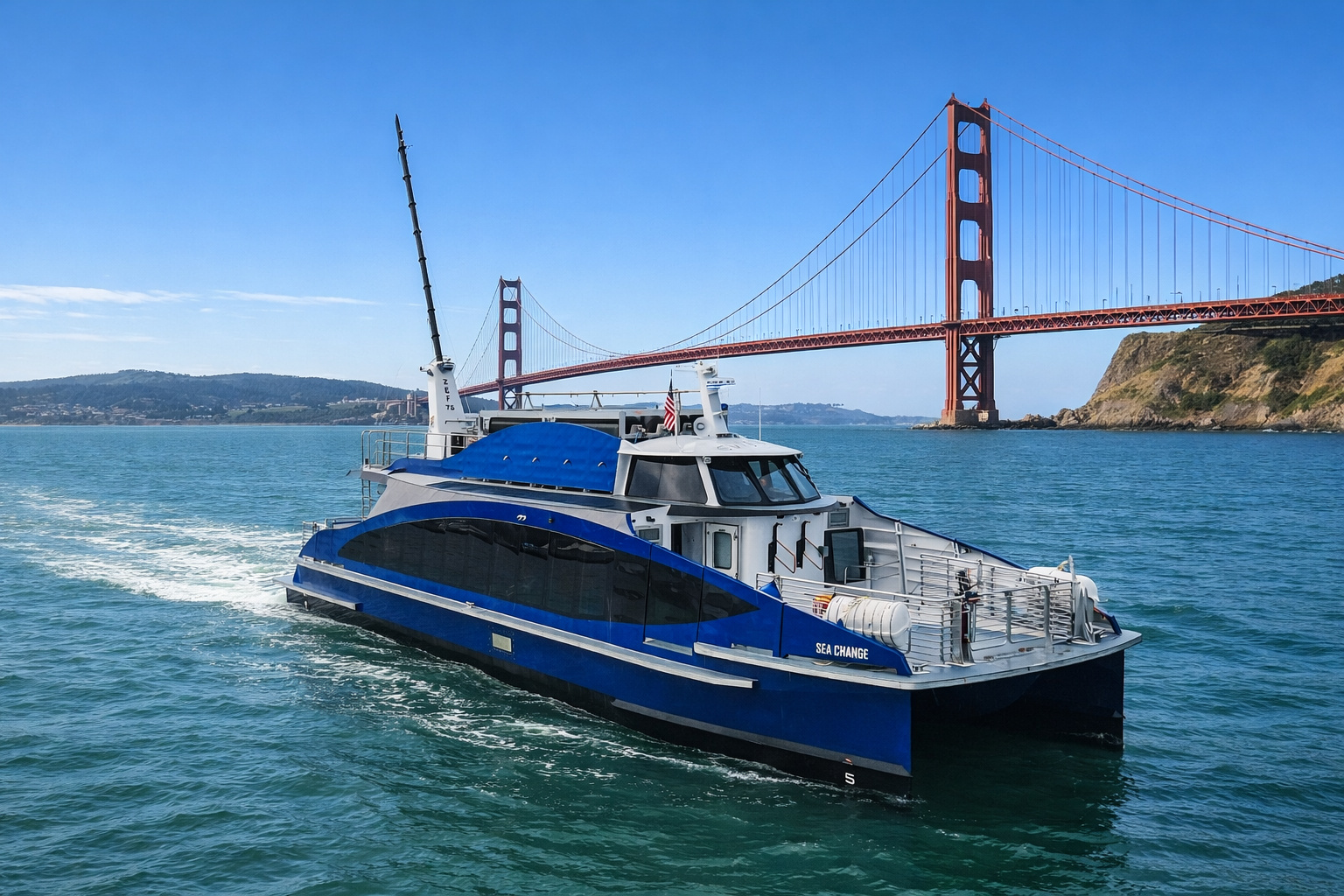
The first commercial hydrogen-powered ferry enters operation in the U.S., eliminates the use of diesel, uses fuel cells to generate clean energy on board, and transforms San Francisco Bay into a landmark of the new era of emission-free navigation.

The USS Harry S. Truman has ballast tanks that can hold millions of liters of water, automatically adjusting stability in real-time as sea conditions change.
In Addition to Ballast, the Aircraft Carrier Uses Anchors to Stay in Place During Strong Winds or Rough Seas
The ship’s hull is designed in a V-shape, which helps cut through the waves and reduce rolling motion. Regular maintenance is crucial. The U.S. Navy conducts frequent inspections and keeps all systems in optimal condition. This includes replacing worn parts and upgrading equipment.
Keeping the USS Harry S. Truman level and safe is a combination of advanced engineering, cutting-edge technology, and constant maintenance. These efforts ensure that the aircraft carrier can operate safely, even in the most challenging sea conditions.








Conseguiria o USS H S Truman manter-se estável mesmo se uma onda tsunami, como uma muralha avançando, o apanhasse de lado?
Se já tivesse sido desenvolvido propulsores antigravitacionais, isto não seria problema.
Todos os paizes que usam ou construiram seus porta-aviões tem as mesmas tecnicas.