





 Portuguese
  English
  Spanish
  5 min of reading
  0 comments


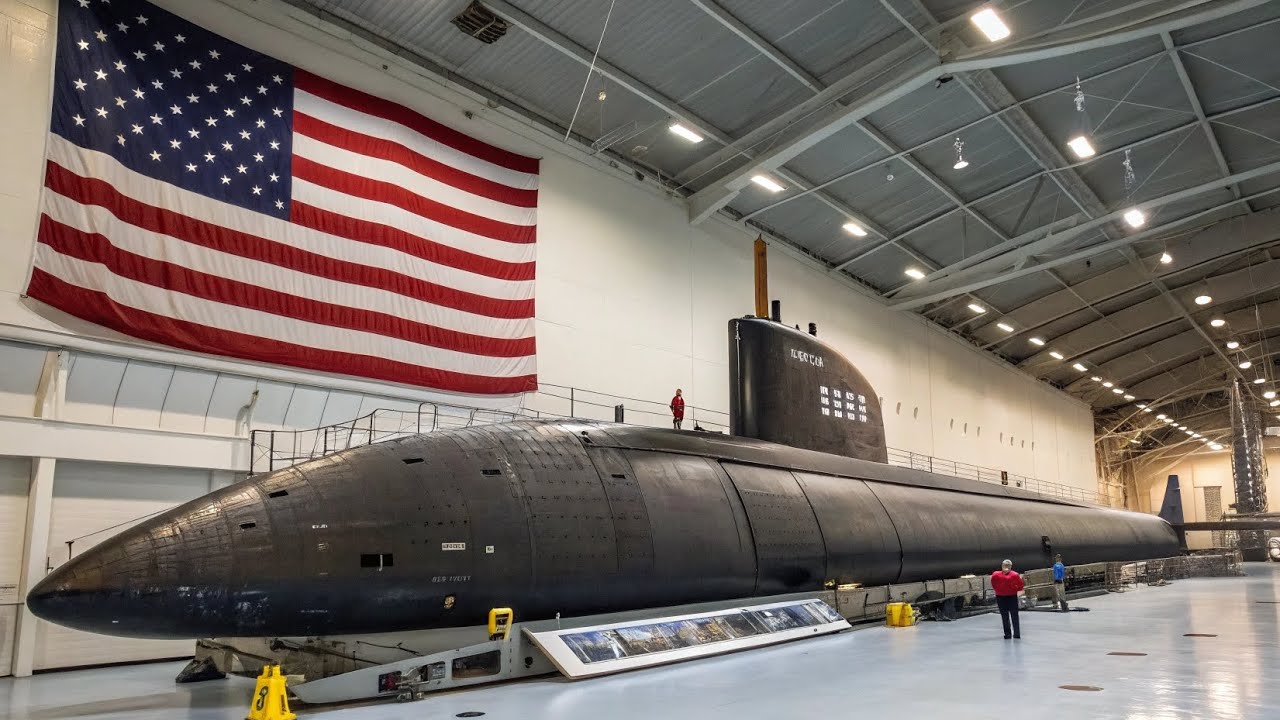
The USS Jimmy Carter Received an Extra 30-Meter Module in the Hull for Secret Missions on the Ocean Floor, Allowing Underwater Espionage, Drone Launching, and Special Operations Without Surfacing.
Among the nuclear submarines operated by the United States Navy, few generate as much interest as the USS Jimmy Carter (SSN-23). Unlike other attack submarines, it was extensively modified during construction to carry out highly specialized missions on the ocean floor. The vessel is part of the powerful Seawolf class, a generation of nuclear submarines designed in the late Cold War to be extremely quiet, fast, and capable of operating at greater depths. However, the Jimmy Carter received unique structural alterations that transformed it into a platform dedicated to underwater espionage and special missions.
The result was one of the most unusual submarines ever built, with capabilities that far exceed the traditional functions of naval warfare.
The Origin of the USS Jimmy Carter in the Seawolf Class
The USS Jimmy Carter is the third and final submarine of the Seawolf class, a series originally designed to counter Soviet submarines during the late Cold War. The class includes three units:
-
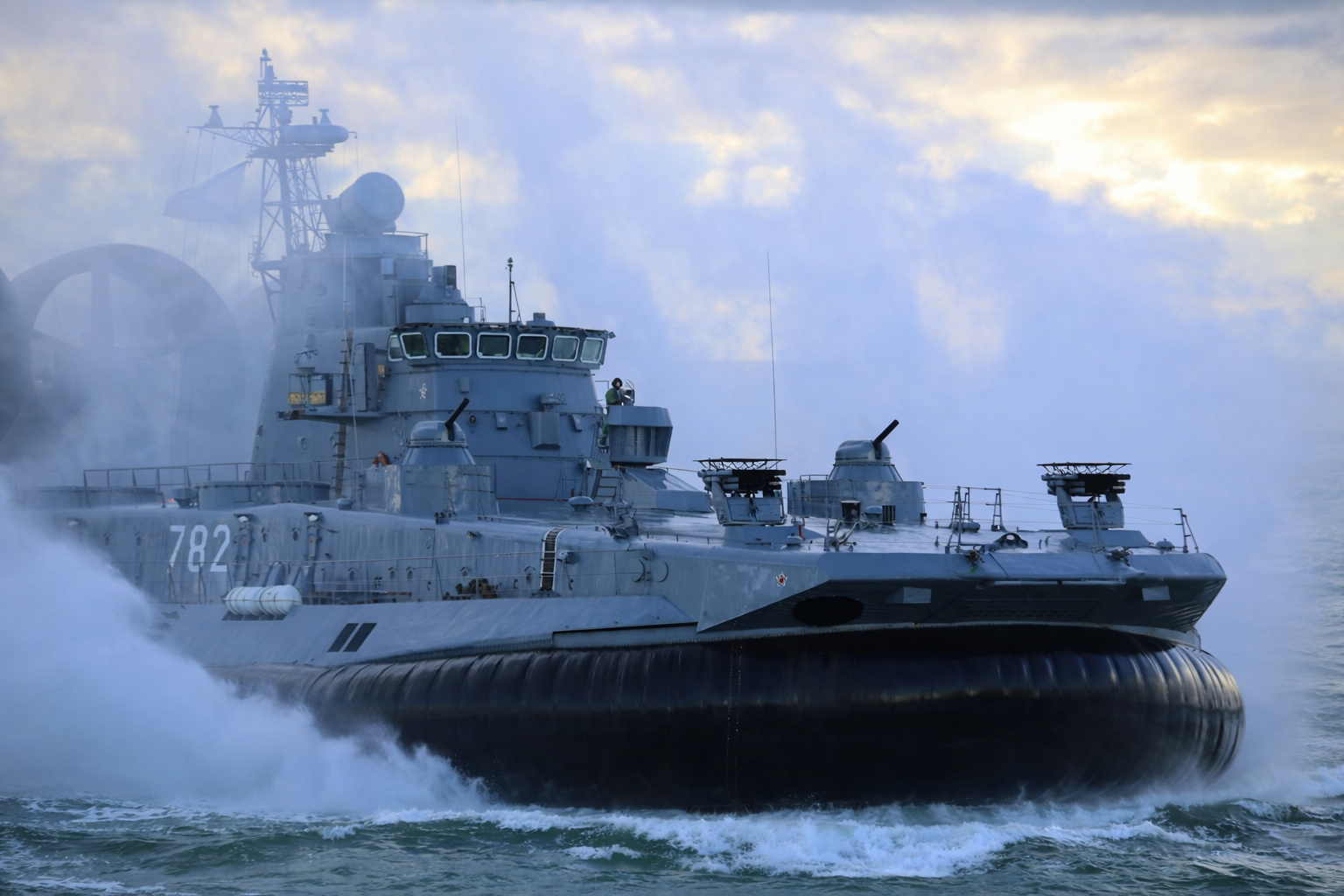
Classified as a “amphibious monster” weighing 555 tons, 57 meters long, and featuring three propellers with a diameter of 5.5 meters, the Zubr is the largest military hovercraft ever built, capable of transporting 3 tanks or 500 soldiers at speeds exceeding 100 km/h over water, ice, and sand, and China has resumed production of it to project power in the South China Sea.
-
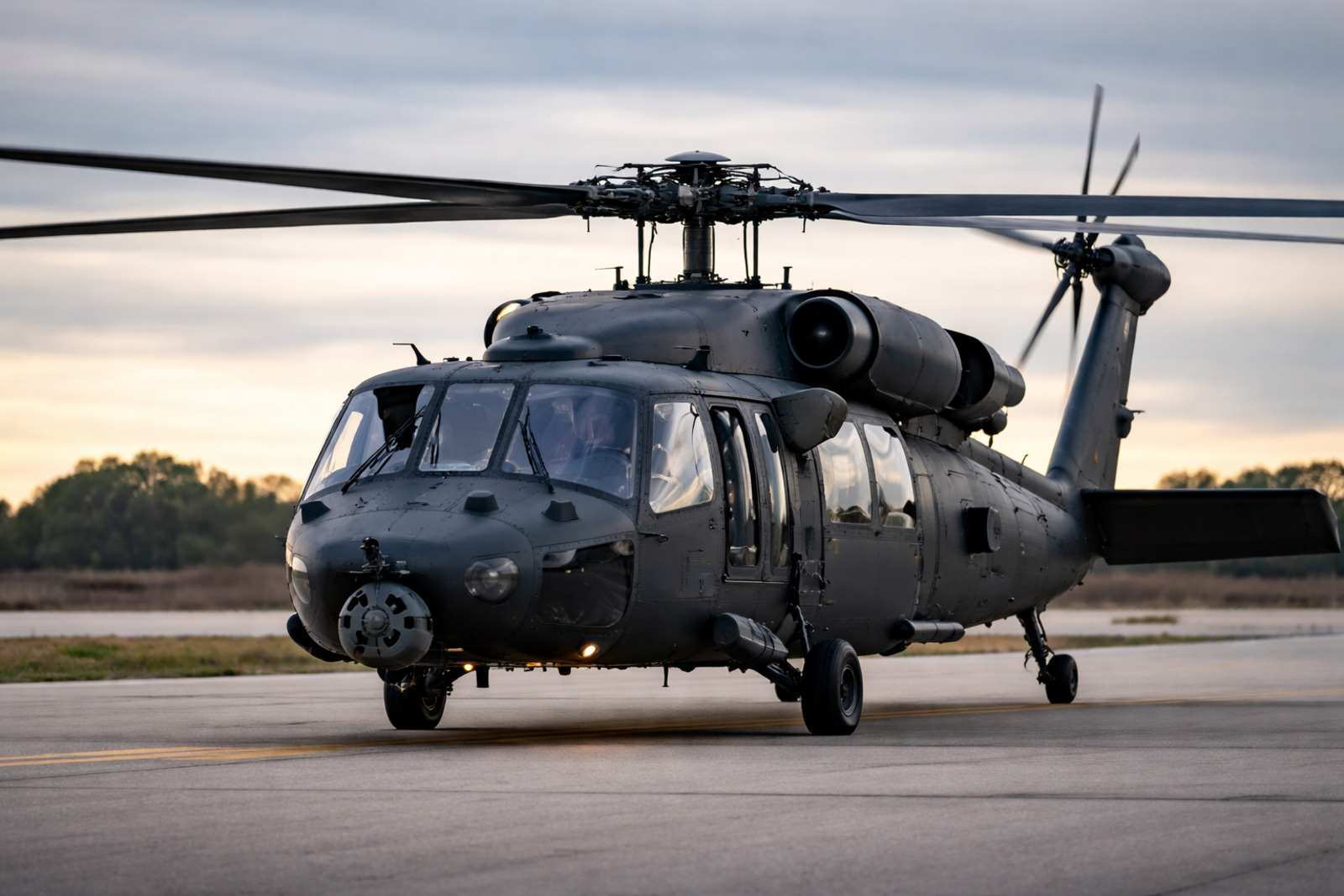
The U.S. Army receives the first Black Hawk helicopter that can fly without pilots, be controlled by a tablet, and even land on its own during high-risk missions.
-
With 11,000 tons and sensors capable of hunting submarines at long distances, the Type 055 has become one of the most feared floating arsenals of the Chinese navy.

-
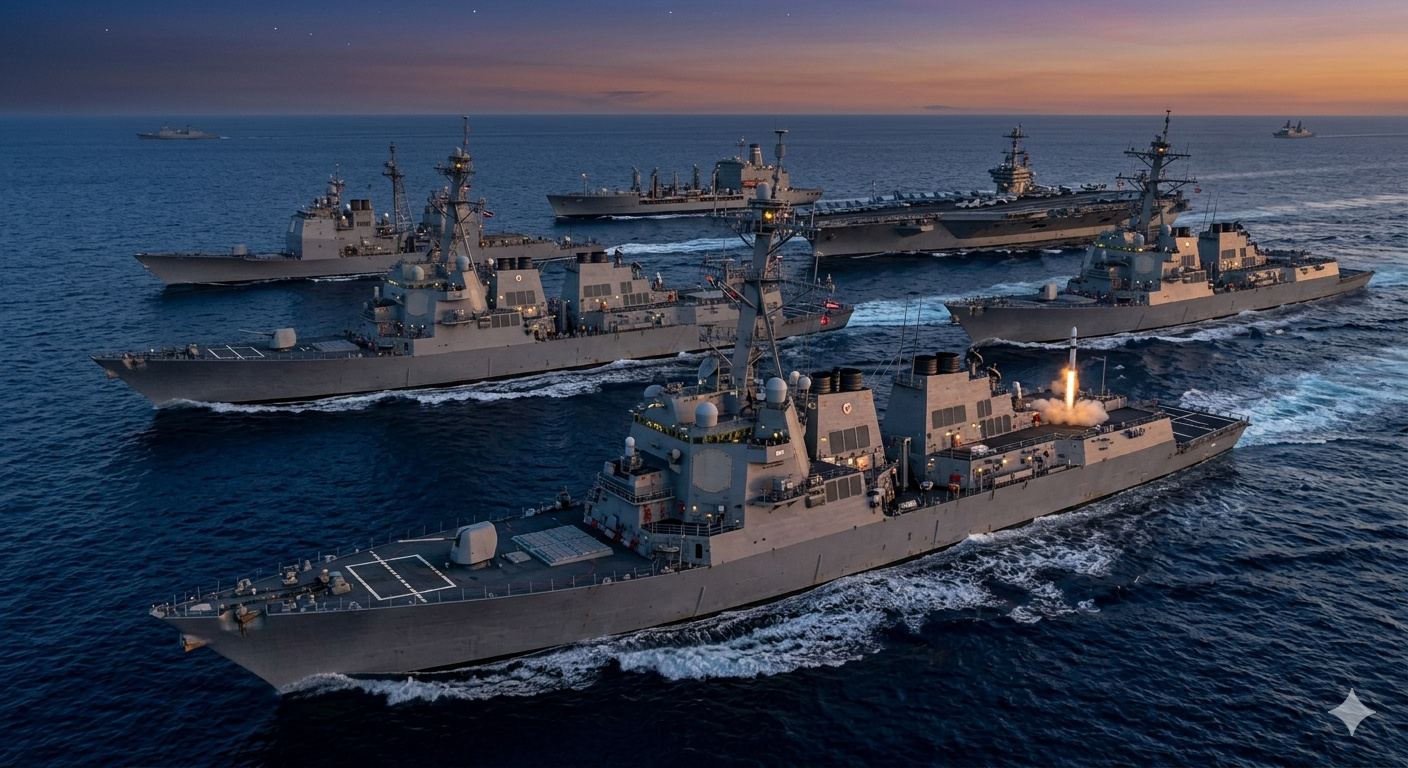
With over 15,000 tons, radars capable of tracking hundreds of targets simultaneously, and more than 120 missiles ready for launch in seconds, modern destroyers cease to be escorts and begin to dominate the naval battlefield.
- USS Seawolf (SSN-21)
- USS Connecticut (SSN-22)
- USS Jimmy Carter (SSN-23)
The first two ships were built as traditional attack submarines. The Jimmy Carter, on the other hand, received modifications that made it a completely different platform. The submarine was commissioned in 2005 and named after former American President Jimmy Carter, who served as a submariner officer in the Navy before entering politics.
Since then, the vessel has carried out classified missions that are rarely discussed publicly.
The Secret 30-Meter Module Inserted into the Hull
The most striking feature of the USS Jimmy Carter is the presence of an additional module known as the Multi-Mission Platform (MMP). This module was inserted into the middle of the hull during construction and is about 30 meters long, equivalent to the size of a small ten-story building placed horizontally within the submarine.
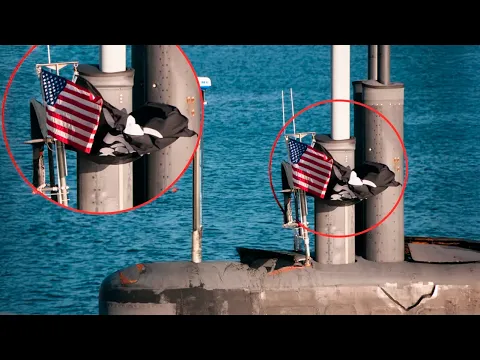

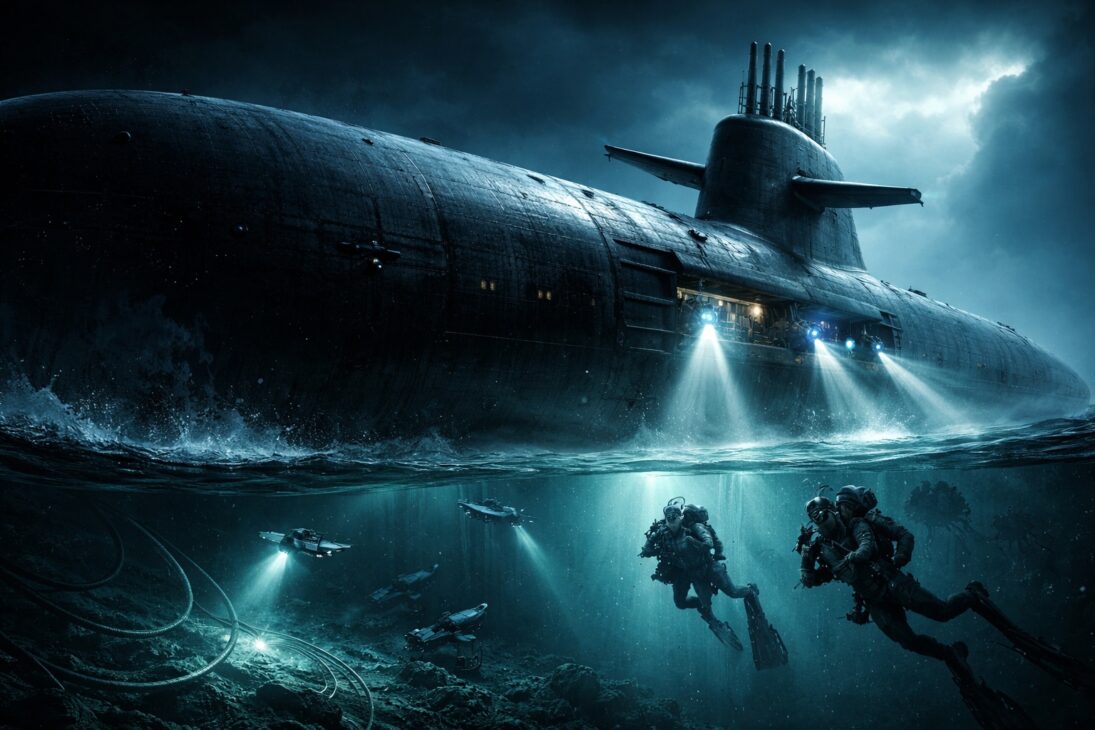
The addition of this section increased the submarine’s total displacement to approximately 12,000 tons submerged. The module functions as a sort of underwater hangar, allowing the transport of equipment and systems that would not fit on a conventional submarine.
Among the capabilities of this compartment are:
- launching unmanned underwater vehicles
- supporting special operations divers
- installing sensors on the ocean floor
- transporting espionage equipment
This modification made the Jimmy Carter unique among the nuclear submarines in the American fleet.
Espionage Operations on the Ocean Floor
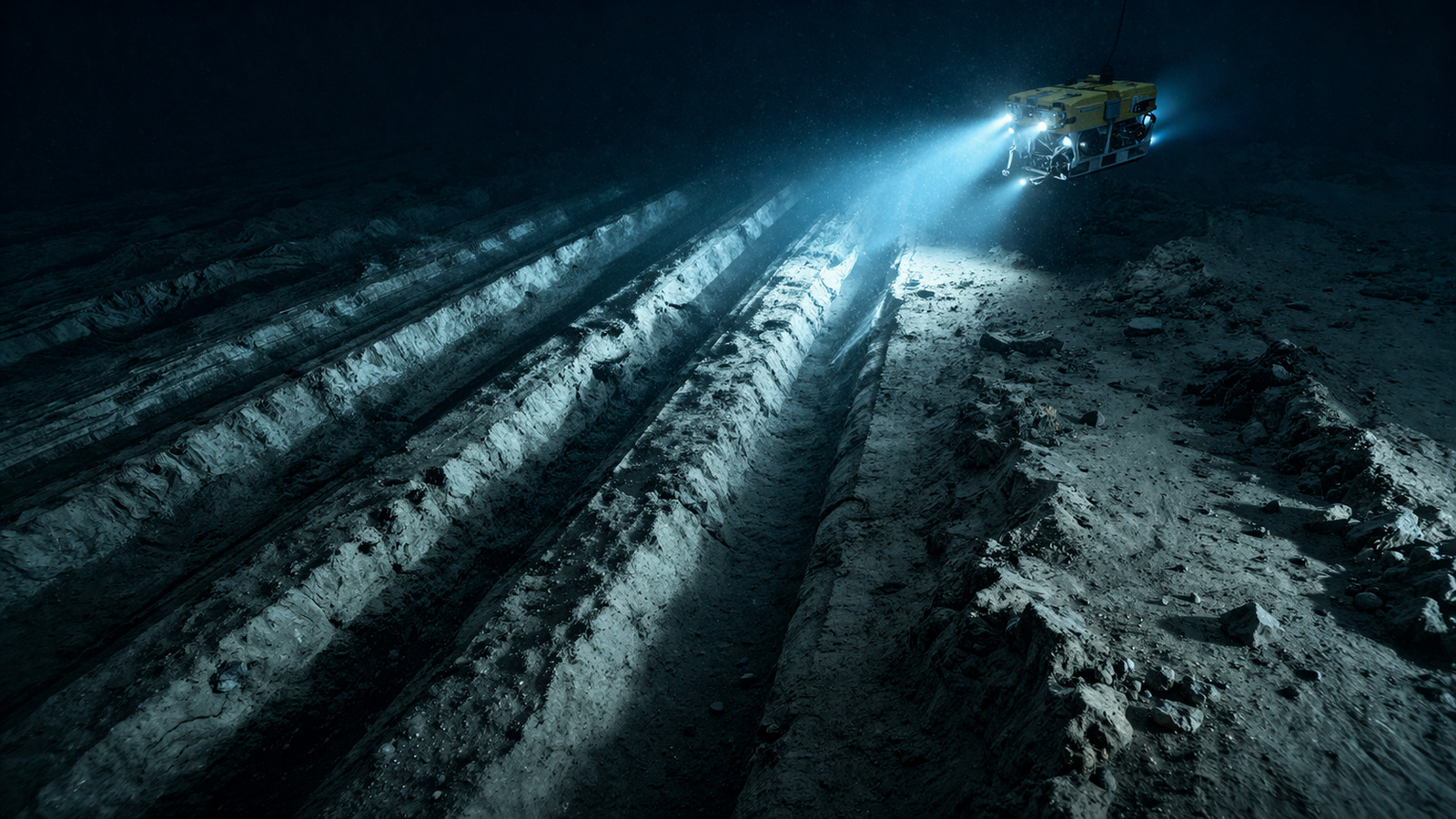
One of the most associated functions of the USS Jimmy Carter involves activities known as seabed warfare. This type of operation involves manipulating or monitoring underwater infrastructures, including communication cables and sensor networks installed on the ocean floor.
A significant portion of global internet traffic and international communications passes through submarine fiber optic cables that span the oceans. These cables transport data between continents and are considered critical infrastructure for governments and companies.
Military analysts often mention the possibility of specialized submarines conducting missions involving these cables, whether for monitoring or intelligence gathering. Although details about the USS Jimmy Carter’s operations remain classified, experts point out that the submarine’s design allows for such missions to be carried out.
The ability to operate discreetly on the ocean floor is considered one of the vessel’s most strategic features.
Launching Underwater Drones and Special Vehicles
The additional module of the Jimmy Carter also allows for the operation of unmanned underwater vehicles known as UUVs (Unmanned Underwater Vehicles). Underwater drones can be used for various tasks, including:
- mapping the ocean floor
- inspecting underwater infrastructures
- collecting environmental data
- surveillance of military facilities
The vehicles can be launched directly from the submarine while it remains submerged. After completing the mission, the drones can return to the internal hangar for recovery. This capability significantly extends the range of underwater intelligence operations.
Platform for Special Operations
Another important role of the USS Jimmy Carter is supporting operations conducted by special forces, especially units like the Navy SEALs. The submarine can carry equipment used in maritime infiltrations, including mini-submarines used by military divers.
These vehicles allow special teams to approach coastal areas or strategic facilities discreetly. Among the possible missions are:
- coastal area reconnaissance
- port inspections
- intelligence collection
- installation of underwater sensors
The advantage of launching these operations from a submarine is the ability to maintain total discretion. Teams can be launched and recovered without the submarine needing to surface.
Nuclear Propulsion and Nearly Unlimited Autonomy
Like other submarines in the Seawolf class, the USS Jimmy Carter is powered by a nuclear reactor. This type of propulsion offers several operational advantages.
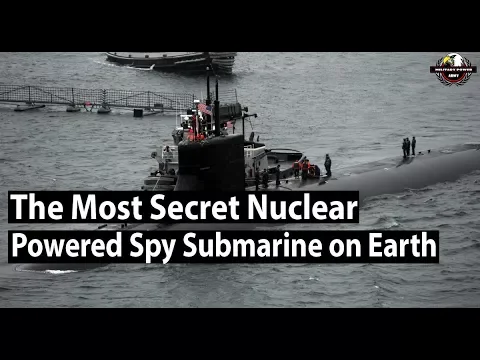
First, the submarine can remain submerged for long periods without the need for refueling. Second, the reactor provides sufficient power to run sensors, electronic systems, and additional equipment installed in the mission module.
The vessel’s autonomy primarily depends on supplies for the crew, rather than fuel. This means the submarine can remain on patrol for months in the ocean.
Armament and Combat Capabilities
Although it is primarily known for its espionage missions, the USS Jimmy Carter also retains the combat capabilities of an attack submarine. Among its weapons are:
- heavy torpedoes
- Tomahawk cruise missiles
- naval mines
These weapons allow the submarine to engage in combat operations if necessary. Additionally, the vessel has advanced sonar systems and sensors that can detect enemy ships at great distances.
The combination of these technologies makes the Jimmy Carter an extremely sophisticated platform.
One of the Most Secret Submarines in the World
Much of the operations carried out by the USS Jimmy Carter remain classified. Over the years, the submarine has participated in several missions whose details have never been publicly disclosed. This lack of information contributes to the vessel’s reputation as one of the most secret submarines in the United States Navy.
Military analysts often cite the Jimmy Carter as the successor to submarines used during the Cold War for underwater espionage missions. The development of this capability reflects the growing importance of the ocean floor as a strategic space for communications, energy, and global security.
With its additional 30-meter module and capability to operate specialized equipment on the ocean floor, the USS Jimmy Carter represents one of the most advanced underwater espionage platforms ever built.







-

-

-

-

-

-

49 pessoas reagiram a isso.