





 Portuguese
  English
  Spanish
  3 min of reading
  0 comments


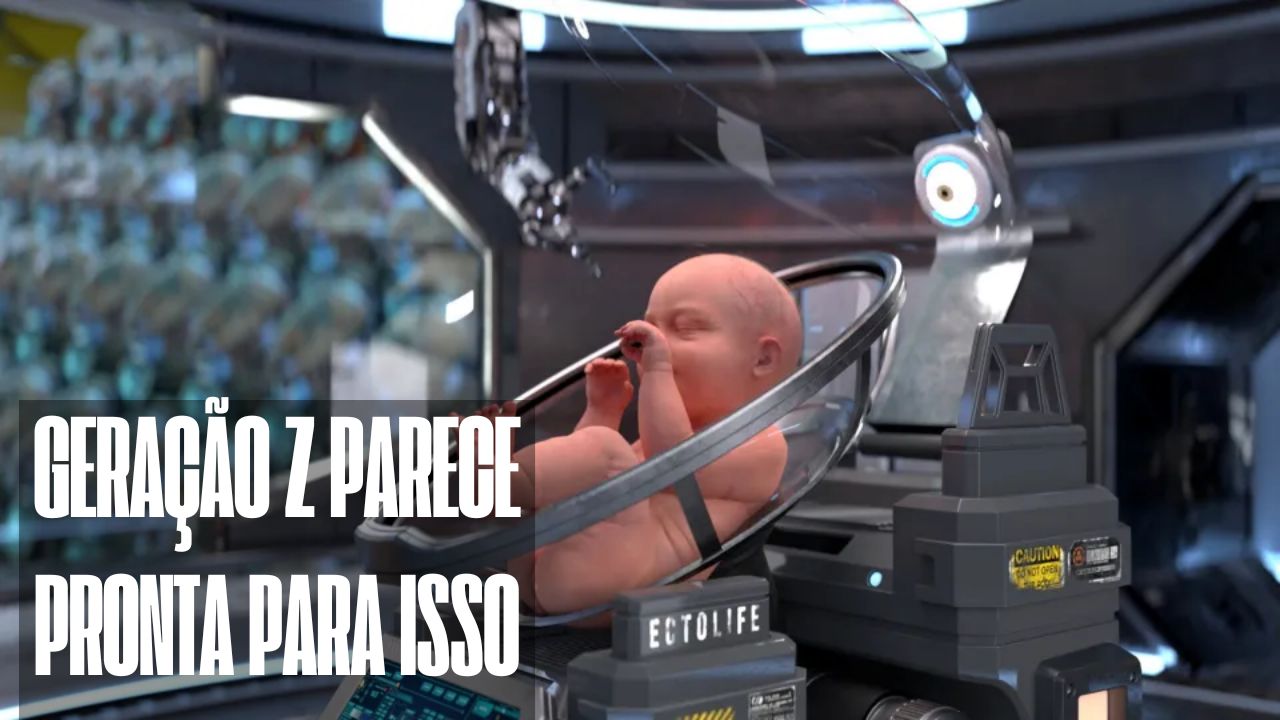
The Idea of Babies Being Gestated Outside the Human Body May Seem Like Science Fiction, but It Is Becoming More and More Realistic. Researchers Believe That Artificial Wombs Could Allow a Fetus to Develop Fully in a Controlled Environment, Eliminating the Need for Pregnancy. Although the Technology Is Not Yet Available for Practical Use, Generation Z Already Shows Significant Support for This Innovation, While Critics Warn About the Social and Ethical Implications of This Change.
A survey conducted by the research group Theos revealed that 42% of people aged 18 to 24 are in favor of using artificial wombs for the complete gestation of a baby. The study, which interviewed 2,292 people, also showed that the majority of the population is still opposed to the idea, accepting it only in situations where the life of the mother or the baby would be at risk.
The director of the research group, Chine McDonald, points out that the youth are more open to technological innovations, but notes that many have not yet had children, which may influence this perception. Among older individuals, opinions are more conservative, with greater rejection of the possibility of a baby being completely conceived outside the human body.
How Do Artificial Wombs Work?
The functioning of artificial wombs is based on a technology called ectogenesis, which aims to recreate the natural environment of a human womb. The fetus would be suspended in a bag with artificial amniotic fluid, receiving nutrients and oxygen through a mechanical placenta. This technique has been studied for decades and has been successfully tested on animals, allowing premature lamb fetuses to develop outside the maternal womb.
-
Archaeologists find an intact tomb over 2,500 years old, with more than 100 preserved objects, weapons, jewelry, and human remains never touched.

-
Volcanic lava transforms into threads as fine as human hair that travel over 30 kilometers by wind and fall like cutting rain on roofs and backyards in Hawaii and Iceland.

-
NASA issues a warning for the feared Godzilla El Niño that could change the planet’s climate in 2026 with extreme warming of the Pacific capable of causing devastating droughts in some regions and historic floods in others simultaneously.

-
Archaeologists discover a 100-meter ship graveyard in a submerged Greek city, and what has appeared on the seabed of Libya could change what was known about this ancient port.


Although total ectogenesis is not currently feasible, science is advancing rapidly. Researchers at the Children’s Hospital of Philadelphia have already managed to support premature lambs in “artificial wombs,” and there are expectations that human testing may begin in the coming years.
Criticism and Ethical Concerns
Despite the excitement surrounding the technology, many experts warn of the risks and ethical dilemmas that artificial wombs may bring. Since the 1970s, feminists like Andrea Dworkin have warned that this innovation could lead to the “end of women,” devaluing motherhood and jeopardizing women’s roles in society.
Bioethicists raise questions about the legal rights of the embryo in an artificial womb. If a woman decides to terminate her pregnancy, but the fetus can be transferred to an artificial womb, would that still constitute abortion? This uncertainty could lead to legal debates about a woman’s right to make decisions regarding her pregnancy.
Experts also fear that the technology could be used to pressure women not to become pregnant naturally if gestating outside the body is considered safer for the baby. This could violate female autonomy, turning the artificial womb into a tool of control over reproduction.
Artificial Wombs for Premature Babies


Although complete ectogenesis is still far off, the more immediate use of artificial wombs is for premature babies. Studies show that currently, the survival rate of babies born at 22 weeks of gestation is only 10%. With artificial womb technology, that number could significantly increase.
When asked about this specific application, public opinions change. In the survey, 52% of people said they support the use of artificial wombs to sustain premature babies, while only 37% opposed it. In cases where pregnancy poses a risk to the mother’s life, support rises to 62%.








-

-

2 pessoas reagiram a isso.