





 English
  Francês
  Alemão
  Italiano
  Japonês
  Norueguês
  Portuguese
  Spanish
  3 min of reading


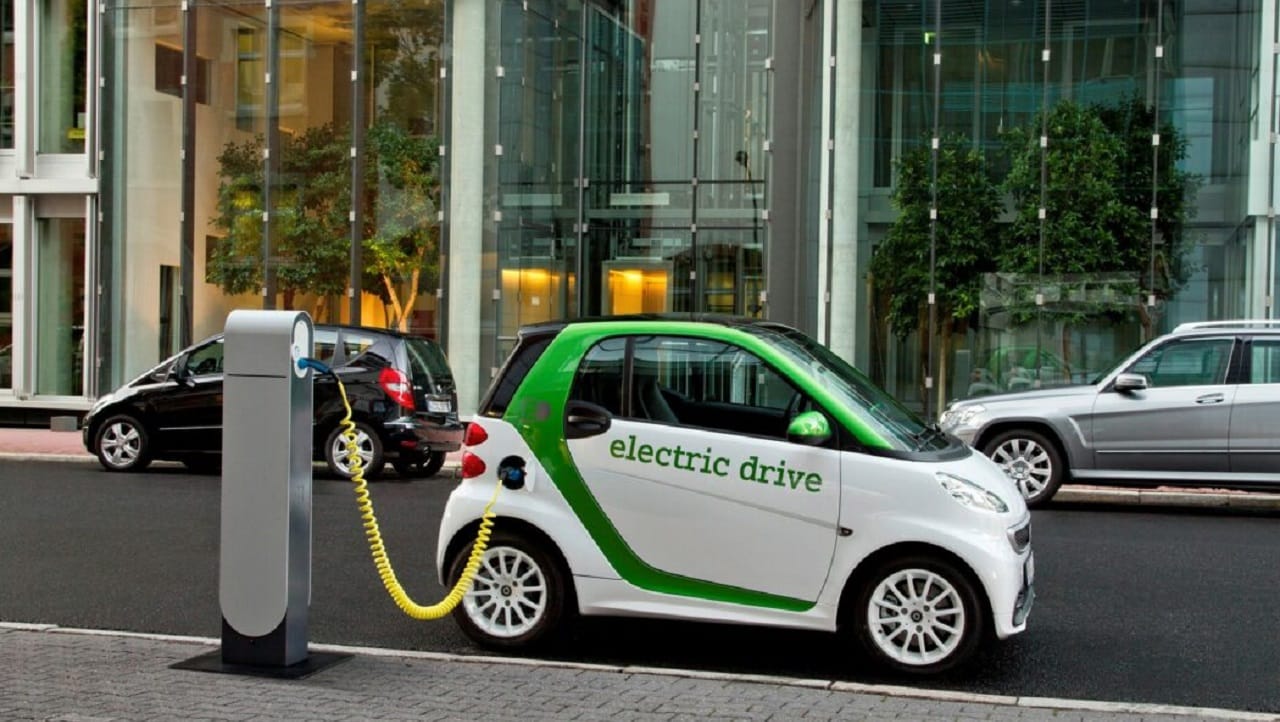
The Ten-Year Energy Expansion Plan of the Organization Points to Increased Use of Electric Vehicles in Brazil. The EPE Expects That the Fleet of Public Transport and Freight Vehicles Will Be the Main Impacted in the National Transport Sector.
The projections of the Energy Research Company (EPE) in its Ten-Year Energy Expansion Plan are quite optimistic. The company highlights that urban mobility plans will be impacted by the expansion of the electric vehicle fleet in Brazil. The transport sector may then witness strong growth in the electrification of urban freight vehicles and public transport in various regions of the country over the next 10 years.
EPE Ten-Year Energy Expansion Plan Points to Growth of Electric Vehicles in the National Transport Sector by the End of 2032
The publication of the EPE’s Ten-Year Energy Expansion Plan for the year 2032 has brought strong discussions about the electrification of automobiles in Brazil.
With the intensive growth of decarbonization policies in the transport sector worldwide, the trend is that Brazil will begin to move toward a true energy transition.
-
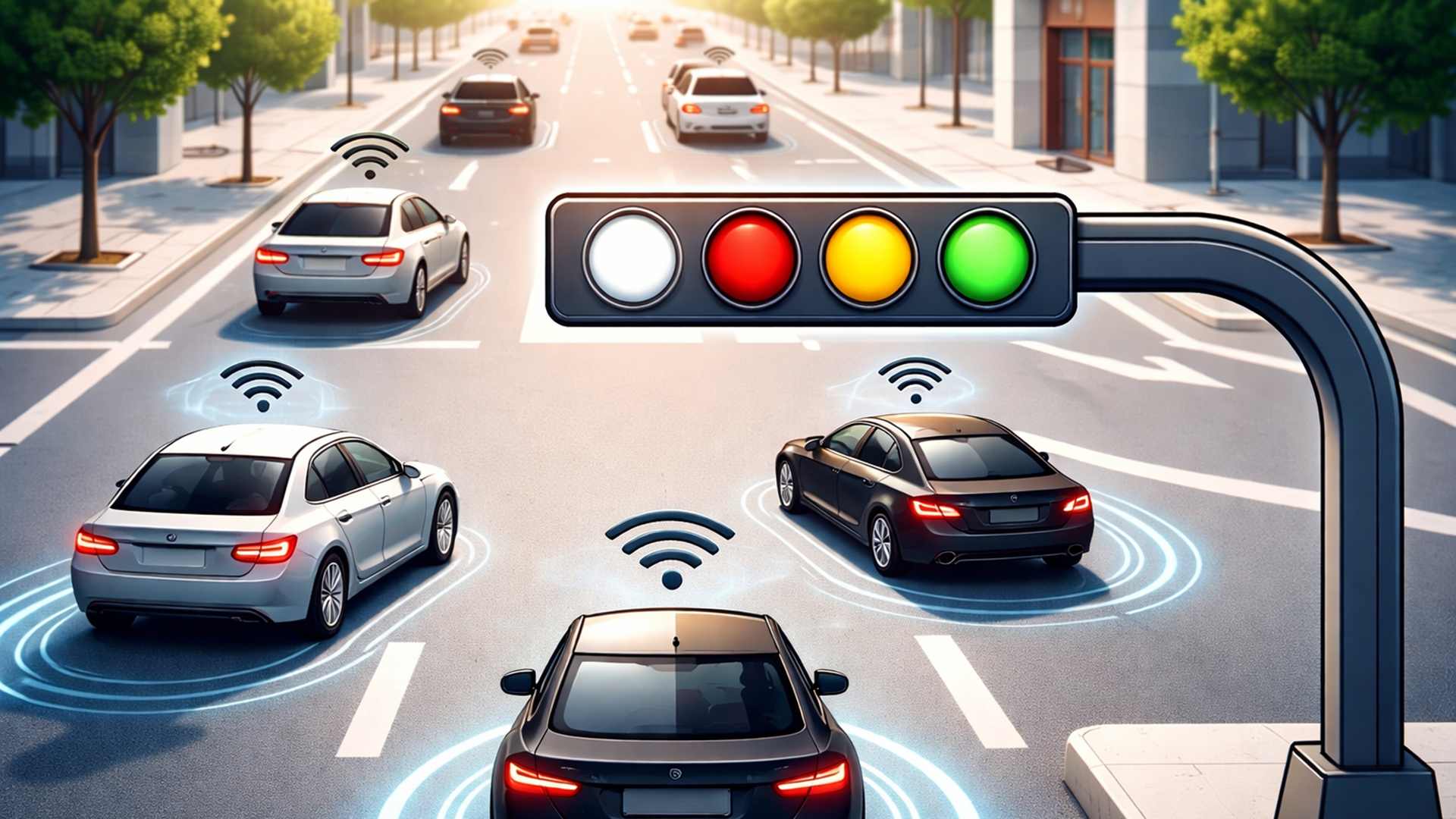
Engineers propose a fourth traffic light for intersections – the change promises to affect crossings, queues, and waiting times.
-
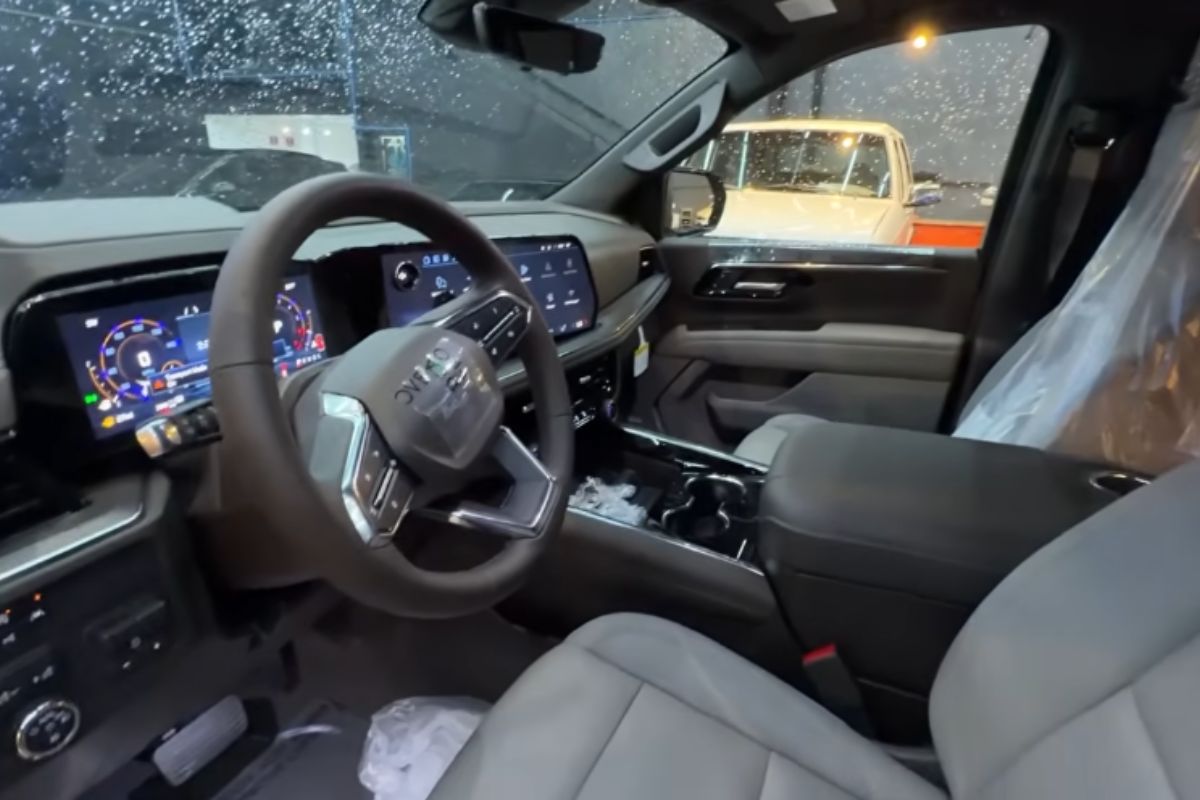
Chevrolet Suburban Z71 lands in Brazil with a V8 engine, off-road design, air suspension, seven seats, and colossal size, a rare version imported for around R$ 1.3 million with luxury and exclusivity.
-
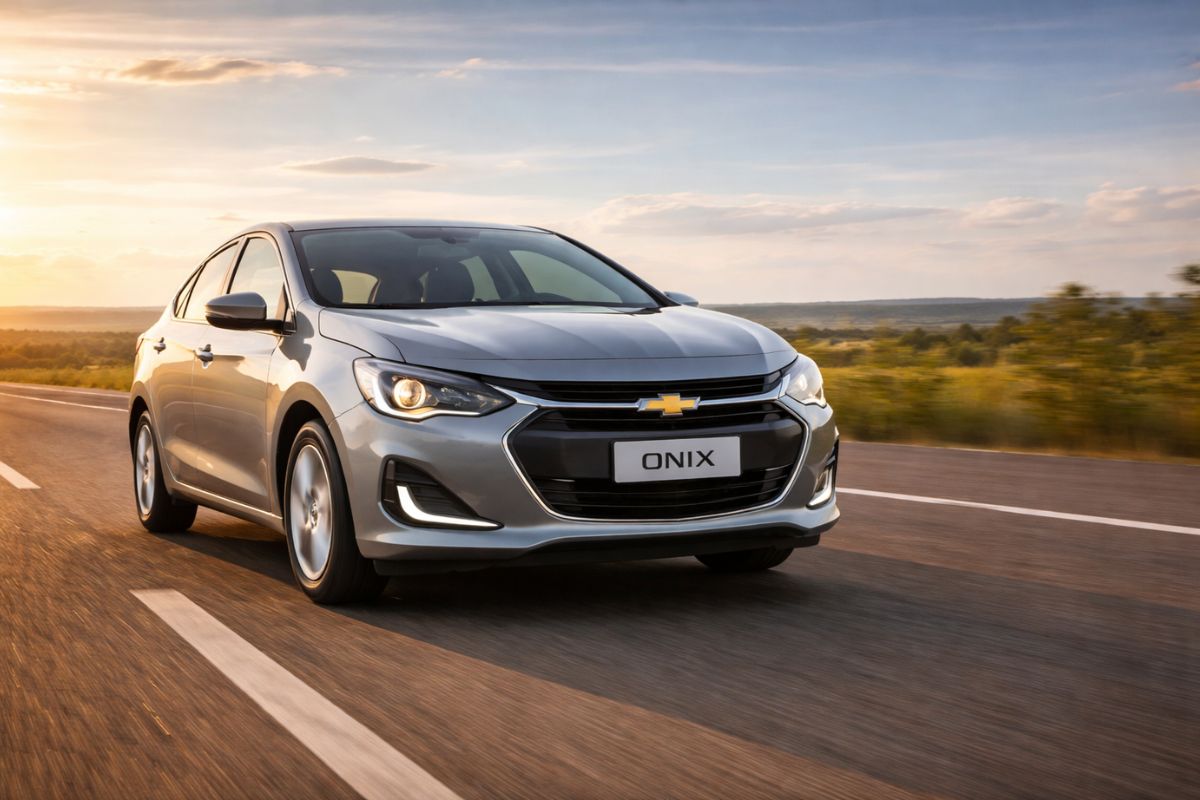
The Chevrolet Onix 1.0 turbo achieves 17.7 km per liter on the highway and ranks among the three most economical cars in Brazil in 2026, alongside two more expensive Toyota hybrids available at dealerships.
-
Little sister of the Hilux: Toyota launches Land Cruiser FJ with 4 radical versions, 2.7 engine with 166 hp and 4×4 traction with locking.
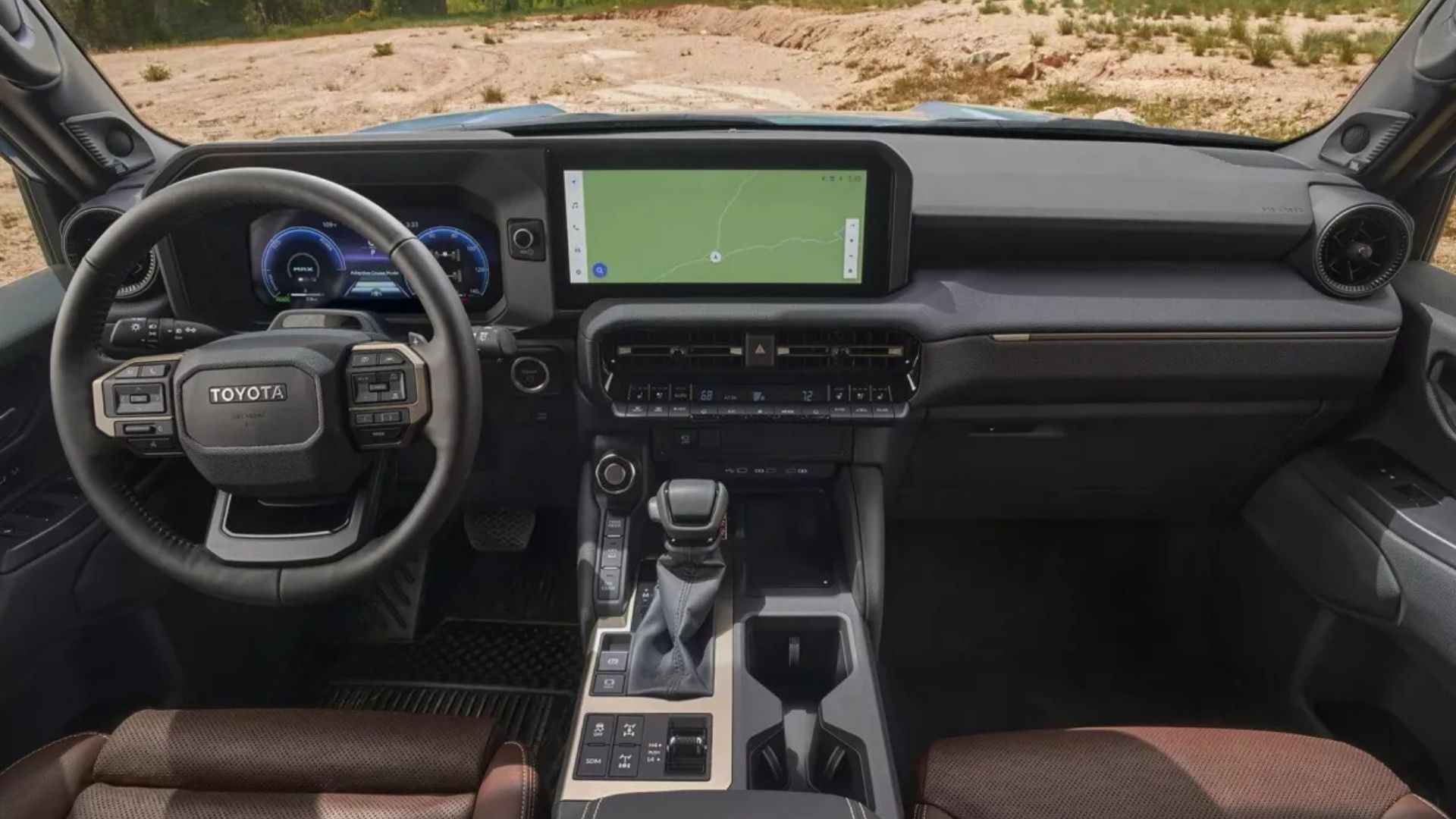

The electrification of the Brazilian automotive fleet is expected to advance through niches, such as urban freight vehicles and public transport, due to environmental and economic pressures.
According to EPE’s research, urban mobility plans in the country will increasingly pay attention to the demands of the energy transition, with restrictions on emissions and the circulation of polluting vehicles in urban areas, especially in metropolises.
Moreover, companies are being pressured to reduce their emissions due to ESG commitments imposed by the financial market and consumers.
Climate change has intensified increasingly in the national context, with significant impacts present in all regions.
Thus, it is expected by the EPE that the Government adopts increasingly sustainable measures in the transport sector. This includes the expansion of the electric vehicle fleet throughout the country, especially in public policies for sustainable mobility.
EPE Study Points to Growth of Electrification in the Transport Sector Due to Expansion of Delivery Services During the Covid-19 Pandemic
The Covid-19 pandemic brought significant changes in various industrial sectors of the global economy.
Among them is the transport sector, which was impacted by the increase in demand for product delivery services.
Thus, the use of a broader fleet of electric vehicles to mitigate the impacts of increased activities has been intensifying in various countries.
According to the EPE study, public services such as garbage collection and resident transport are also moving toward adopting an electrified fleet of vehicles.
In addition, the advancement of the free electricity market and distributed solar generation allows companies to reduce their carbon footprint and also costs with fuels, using electric vehicles for this.
Over the next 10 years, the EPE projects an increasingly sustainable scenario for the electric vehicle fleet in the national transport sector.
Meet the EPE
The Energy Research Company — EPE aims to provide services to the Ministry of Mines and Energy (MME) in the area of studies and research aimed at supporting the planning of the energy sector, covering electricity, oil and natural gas and their derivatives, and biofuels.









Seja o primeiro a reagir!