





 Portuguese
  English
  Spanish
  2 min of reading
  0 comments


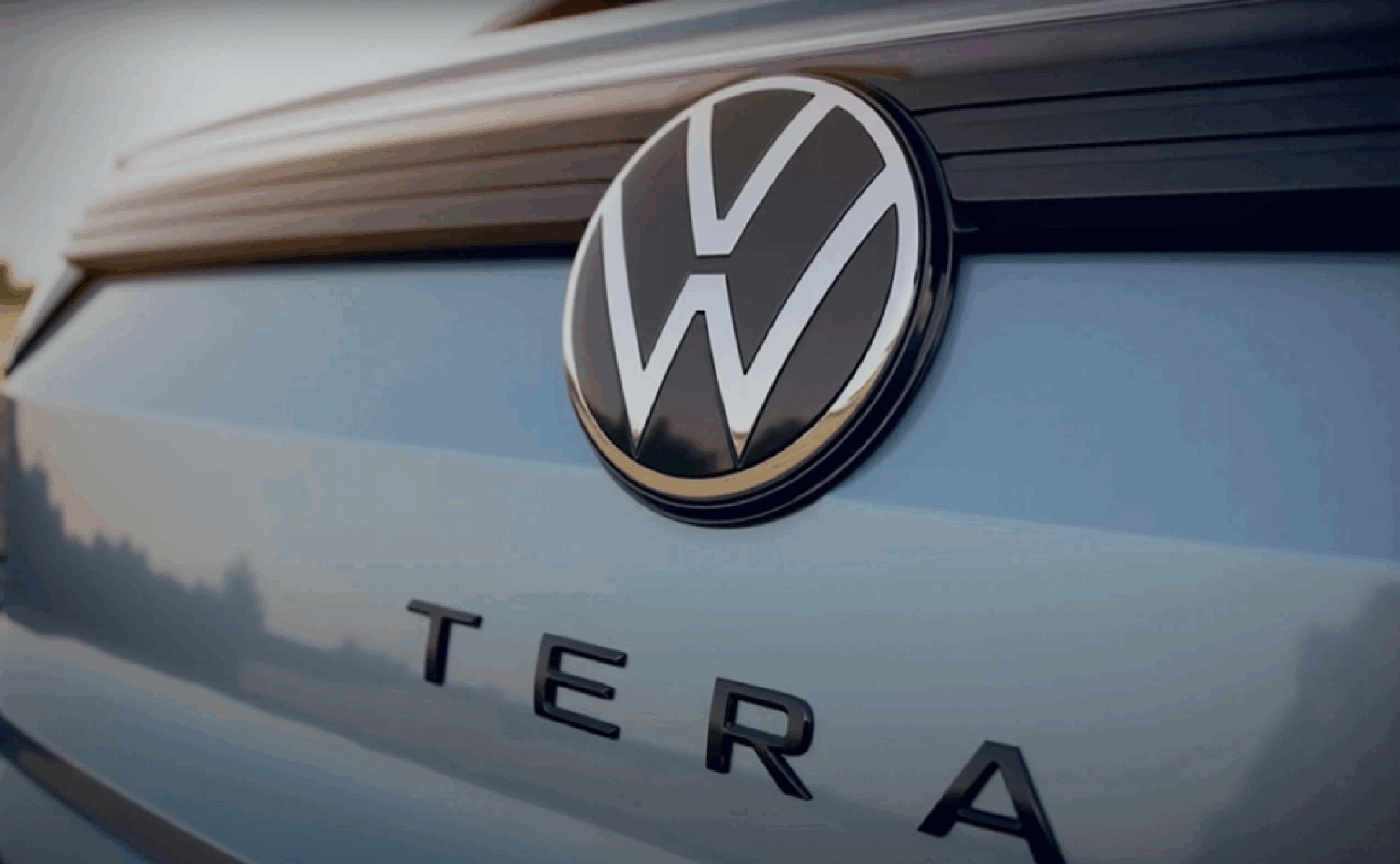
Is It Worth Owning a Volkswagen Tera in 2025? After Driving 300 km with the High and TSI Manual Versions, Here Are the Pros and Cons!
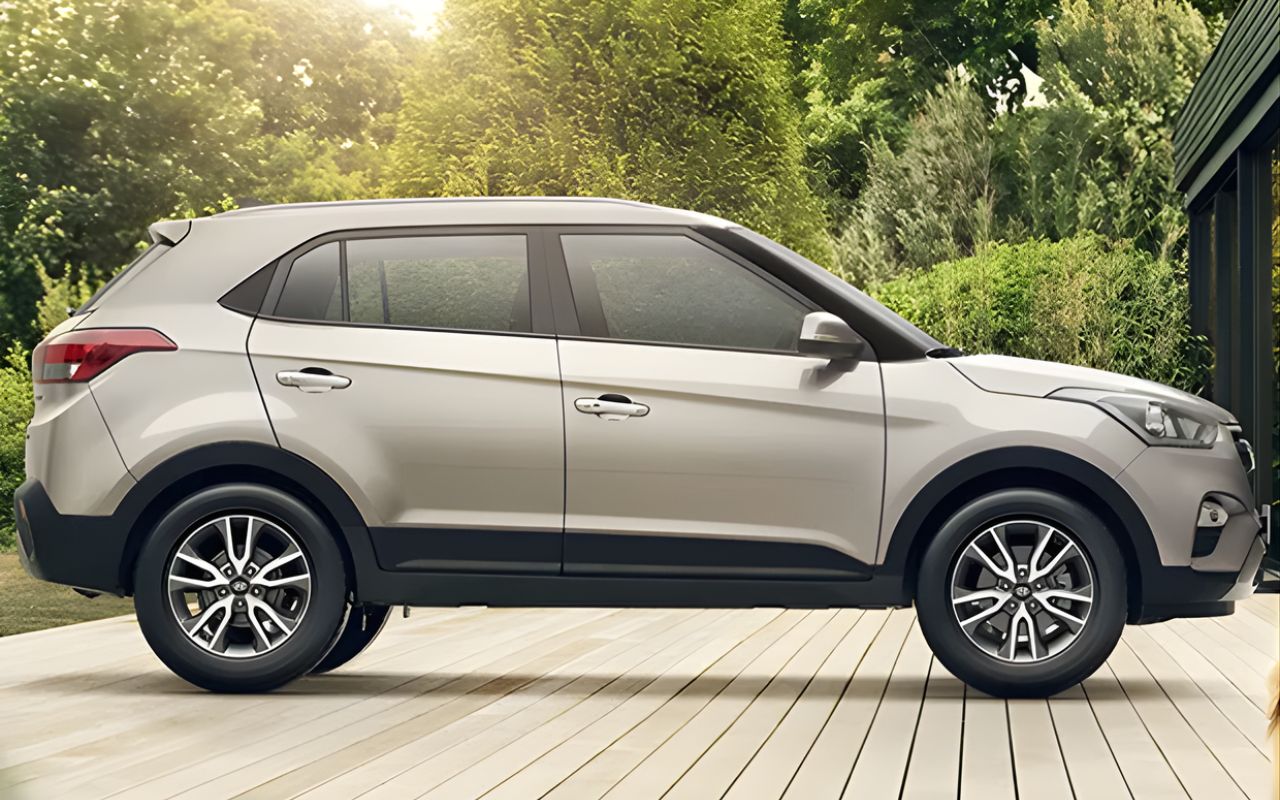
The new Volkswagen Tera has arrived in the market to compete with heavyweights like Fiat Pulse and Renault Kardian. VRUM tested the compact SUV on a route of about 300 km between São Paulo and Taubaté, where it is manufactured. We evaluated the High automatic (R$ 145.129 with all packages) and the TSI manual (R$ 116.990) — and here are the main features, according to the Vrum website.
Positive Points of the Volkswagen Tera
Ergonomics and Driving Position
- Great adjustment of the seats and steering wheel, ideal even for taller drivers.
- Feeling of “real SUV” with a high hood and elevated view.
Fuel Economy
- Average of 16.5 km/l with gasoline with air conditioning on and highway pace.
- Some tests reached an incredible 24 km/l with manual transmission!
Equipment and Safety
- The High version includes ACC, blind spot alert, lane assist, parking exit, and much more.
- Induction charger, digital panel and digital air conditioning elevate comfort.
Firm and Stable Suspension
- Good performance on curves and potholes.
- MQB A0 platform provides rigidity and solidity even at higher speeds.
Driving Pleasure (Manual Version)
- TSI manual has well-tuned transmission and direct engine response.
- More agile and fun than the automatic version.


Negative Points of the Volkswagen Tera
Performance Below Rivals
- The 1.0 TSI engine (116 hp and 16.8 kgfm) delivers the basics.
- Behind Pulse (130 hp) and Kardian (125 hp) in power and torque.
Limited Internal Space
- In the back, the legroom is quite tight. It may bother even children.
- Trunk of 350 liters, smaller than competitors.
Finish Still with Plastic
- Despite sustainable leather and detailed touches, the dashboard still uses a lot of hard plastic.
Inscreva-se
Entrar
0 Comentários
Mais recente







-

-

-

-

-

13 pessoas reagiram a isso.