





 Portuguese
  English
  Spanish
  4 min of reading
  4 comments


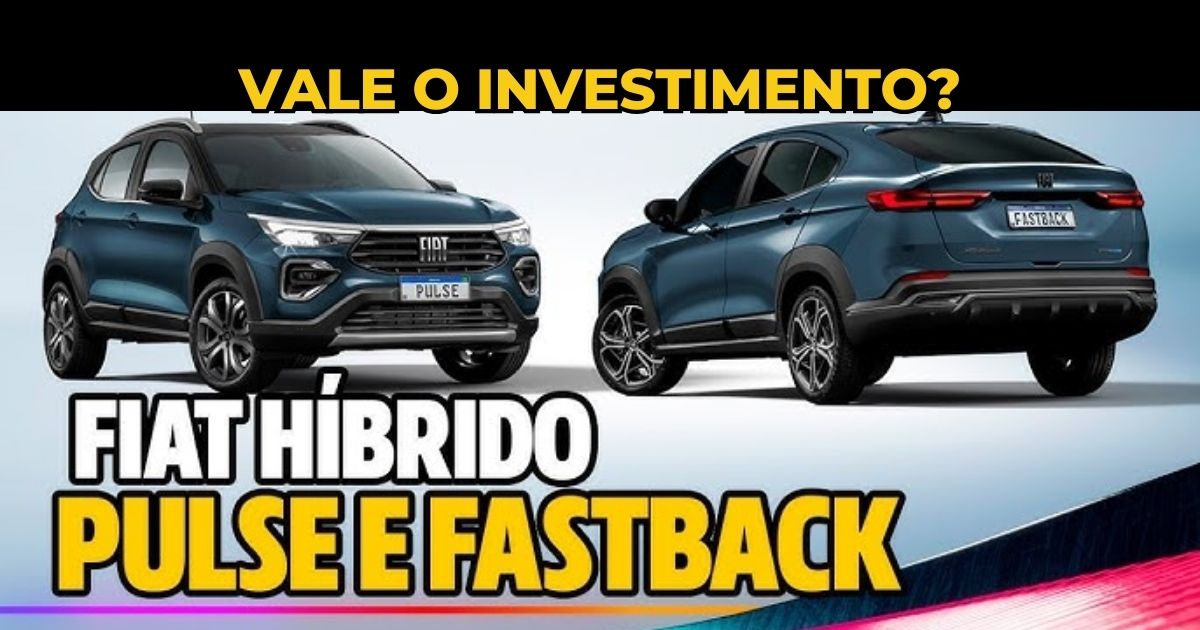

The Launch of the Fiat Pulse and Fastback Hybrids Sparked Curiosity: Is the Investment Worth It? Check Out the Consumption and Cost Analysis, Understand the Pros and Cons of These SUVs That Aim to Reduce Consumption and Emissions in Brazil.
In times of growing concern about sustainability and fuel economy, Fiat introduces the Pulse and Fastback Hybrids, bringing to the Brazilian market the promise of reducing emissions and consumption.
The green technology, a bet by Stellantis, aims to attract drivers with a more efficient approach.
However, the cost-benefit is questionable: a recent study reveals that the extra savings on fuel only offsets the investment after up to 10 years of use. Is this initial investment really worth it?
-
A French brand placed a car on four huge red balloons to prove that its suspension made the vehicle “float,” and the surreal scene became one of the most iconic and unusual images in automotive history.

-
Jeep Avenger begins production in Brazil, debuting as the brand’s new entry-level SUV and inaugurating an unprecedented phase by becoming the first national Jeep manufactured outside of Goiana, as part of a R$ 3 billion plan.
-
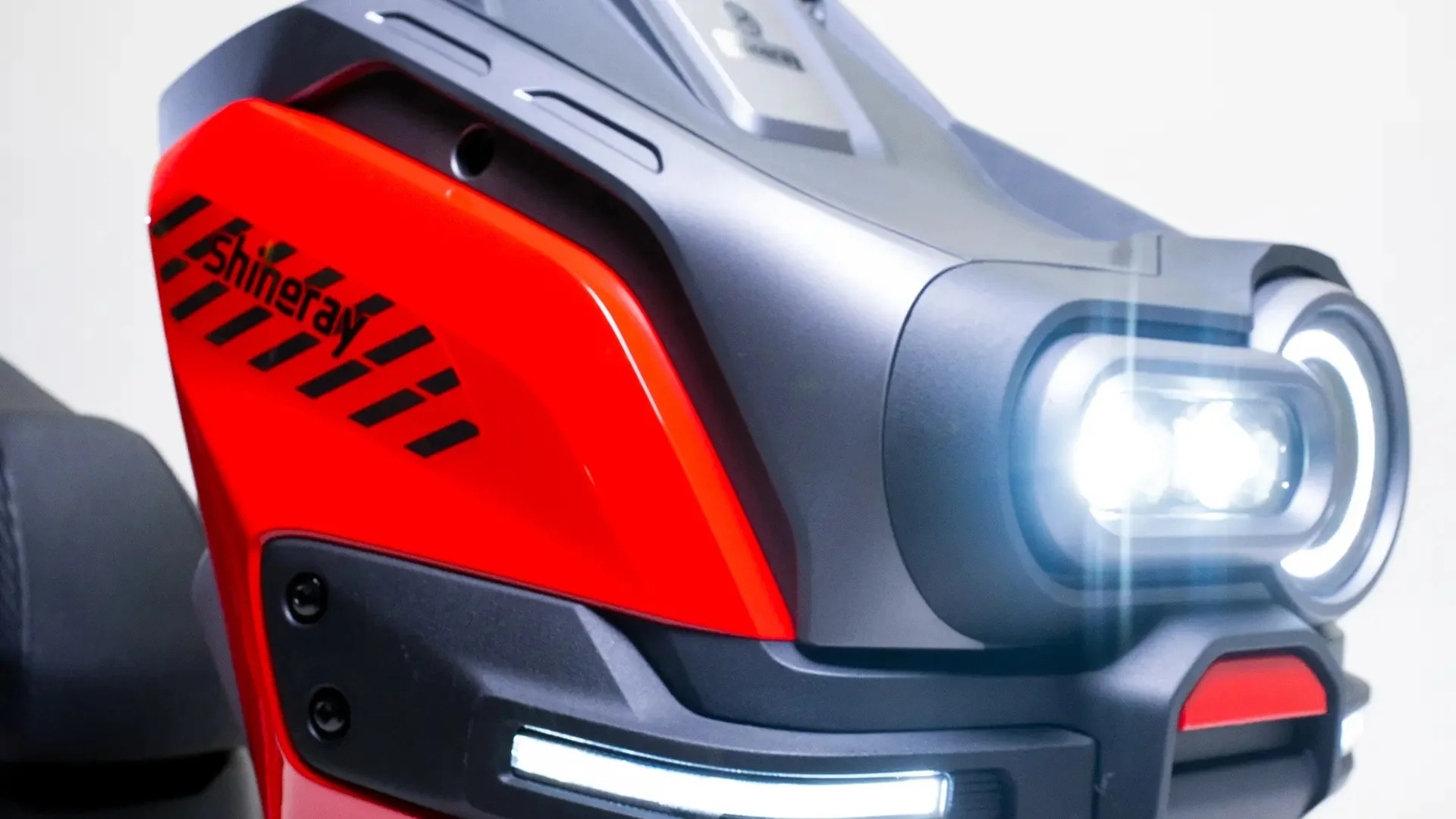
Costing R$ 12,490, the new Shineray Urban Lite 150 “cheap one” arrives in Brazil with a CVT transmission, digital dashboard, and LED lights, making it more affordable than the Biz and targeting those who want to abandon the bus.
-
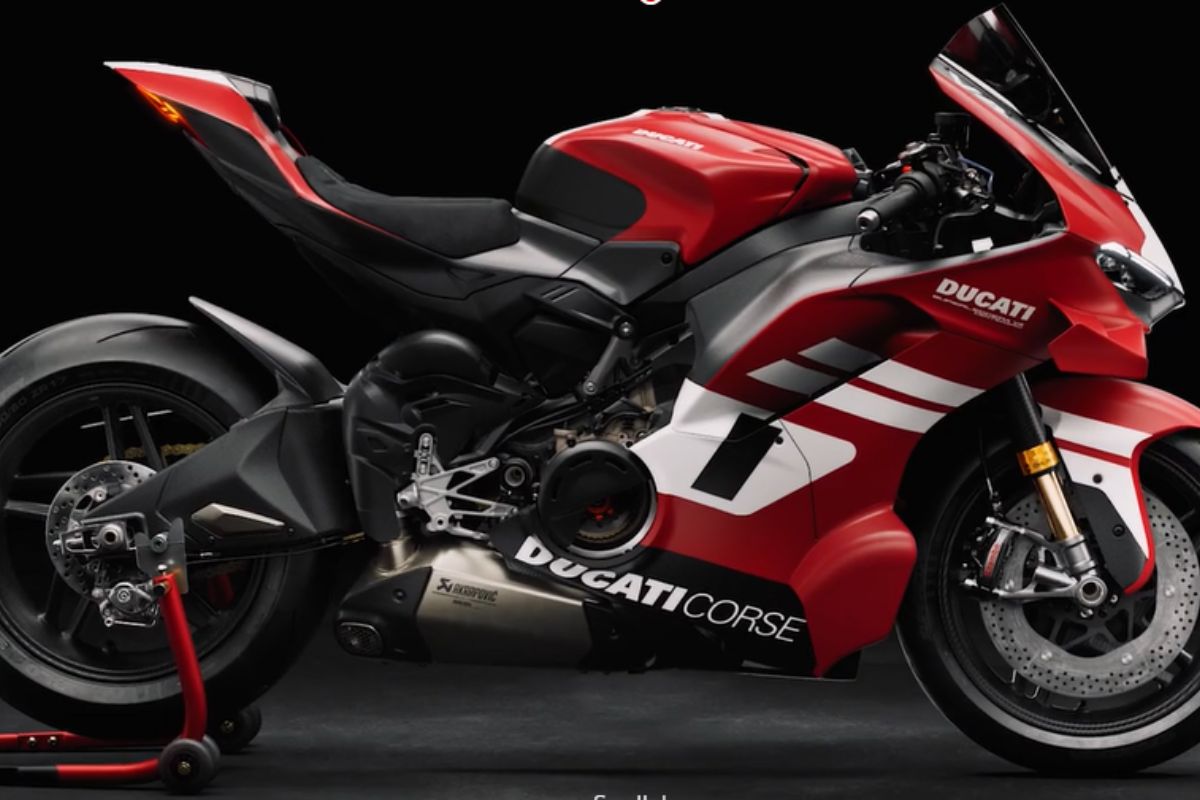
Ducati brings to Brazil the Superleggera V4 Centenario: 228 hp that become 247 with a track kit, carbon fiber and carbon-ceramic brakes, estimated price between R$ 1.5 and 2 million, deliveries only in 2027.

Key Data About the Hybrid Models
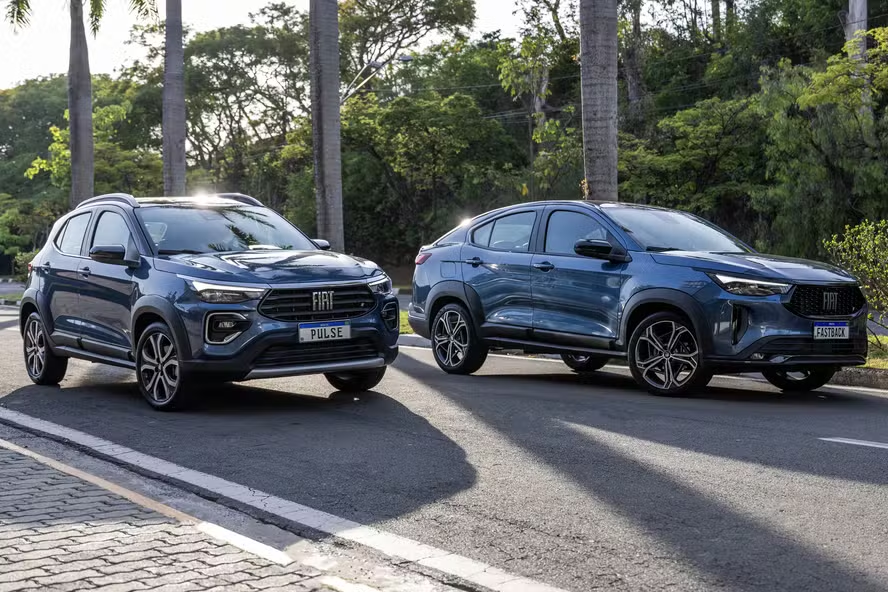
Stellantis launched Fiat’s first national cars with mild hybrid technology: the Fiat Pulse and Fastback T200 Hybrid.
These models, which feature a mild hybrid system, start at R$ 125,990 for the Pulse and R$ 151,990 for the Fastback, with an increase of R$ 2,000 compared to traditional versions without electrification.
| Models and Prices | Version | Price (R$) |
|---|---|---|
| Pulse | Audace T200 Hybrid AT | 125.990 |
| Impetus T200 Hybrid AT | 140.990 | |
| Fastback | Audace T200 Hybrid AT | 151.990 |
| Impetus T200 Hybrid AT | 161.990 |
These hybrids are equipped with a T200 1.0 turbo flex three-cylinder engine, with a power output of up to 130 hp and torque of 20.4 kgfm.
The mild hybrid system is paired with a 12V battery to help with fuel savings, and both models come with a CVT automatic transmission with seven simulated gears, aiming for smooth shifts and greater fuel economy.
Fuel Consumption and Savings
Fiat promises reduced consumption with these hybrid models, however, the improvements in consumption figures are modest.
Autoesporte analyzed the urban and highway consumption of the two models, in versions with and without electrification, using both gasoline and ethanol. Here are the data:
| Consumption (km/l) | Model | Urban (Gasoline) | Highway (Gasoline) | Urban (Ethanol) | Highway (Ethanol) |
|---|---|---|---|---|---|
| Pulse 1.0T | Conventional | 12.1 | 14.4 | 8.4 | 10.2 |
| Hybrid | 13.4 | 14.4 | 9.3 | 10.2 | |
| Fastback 1.0T | Conventional | 11.9 | 14.6 | 8.4 | 10.2 |
| Hybrid | 12.6 | 13.9 | 8.9 | 9.8 |
The hybrid models of the Pulse and Fastback show slight performance improvements in urban use, where the hybrid system can provide a little assistance, especially during deceleration and stops.
How Much Does It Cost to Drive with Gasoline and Ethanol?
Based on ANP data from 2024, with an average price of R$ 6.09 per liter of gasoline and R$ 4.04 per liter of ethanol, the annual expenses of a driver who drives an average of 15,000 km per year were calculated. Below are the estimated costs for the Pulse and Fastback models:
Annual Cost with Gasoline
| Model | Urban Route (10,500 km) | Highway Route (4,500 km) | Total Annual (R$) |
|---|---|---|---|
| Pulse 1.0T | 5,286.12 | 1,906.17 | 7,192.29 |
| Pulse Hybrid | 4,774.56 | 1,906.17 | 6,680.73 |
| Fastback 1.0T | 5,371.38 | 1,875.72 | 7,247.10 |
| Fastback Hybrid | 5,072.97 | 1,973.16 | 7,046.13 |
Annual Cost with Ethanol
| Model | Urban Route (10,500 km) | Highway Route (4,500 km) | Total Annual (R$) |
|---|---|---|---|
| Pulse 1.0T | 5,050.00 | 1,781.64 | 6,831.64 |
| Pulse Hybrid | 4,561.16 | 1,781.64 | 6,342.80 |
| Fastback 1.0T | 5,050.00 | 1,781.64 | 6,831.64 |
| Fastback Hybrid | 4,767.20 | 1,854.36 | 6,621.56 |
The differences between the annual fueling costs indicate modest savings: with gasoline, the Pulse Hybrid saves R$ 511.56 per year compared to the combustion model.
For the Fastback, the annual savings amount to R$ 200.97. With ethanol, the figures are similar, with a difference of R$ 488.84 for the Pulse and R$ 210.08 for the Fastback.
When Does the Investment Pay Off?
To understand when the investment of R$ 2,000 becomes advantageous, the amount was divided by the annual savings of each model. The results indicate:
| Model | Annual Savings (Gasoline) | Payback Period (Years) |
|---|---|---|
| Pulse Hybrid | 511.56 | 4 |
| Fastback Hybrid | 200.97 | 10 |
| Model | Annual Savings (Ethanol) | Payback Period (Years) |
|---|---|---|
| Pulse Hybrid | 488.84 | 4 |
| Fastback Hybrid | 210.08 | 10 |
Is the Investment in Hybrids Worth It?
The Fiat Pulse and Fastback hybrids promise savings, but the additional cost takes time to justify.
In the case of the Pulse, savings begin to be felt after four years, whether using gasoline or ethanol. The Fastback, on the other hand, will require a wait of about 10 years for the owner to truly feel the difference in their wallet.
This reality raises the question of whether investing in a mild hybrid is advantageous for those seeking short-term fuel savings.
While some drivers may value hybrid technology for its sustainability, for others, choosing a mild hybrid model may not offer satisfactory financial returns in the short term.
After all, in your view, reader, does the savings on fuel justify the extra expense? Leave your opinion in the comments!









Para quem mora em Minas Gerais acredito que valerá. Os dois modelos híbridos serão isentos de IPVA, o que poderá ocasionar em uma economia anual de até 6000 reais, considerando o Fastback Híbrido.
No Distrito Federal por exemplo, há isenção de IPVA, o que representa 2%. Em números há uma economia aproximada de R$ 3.200,00 anual, considerando o Fastback deR$ 161.000,00.
Economia maior que o investimento.
A diferença está no IPVA de cada ano vcs não virão este lado