





 Portuguese
  English
  Spanish
  3 min of reading
  0 comments


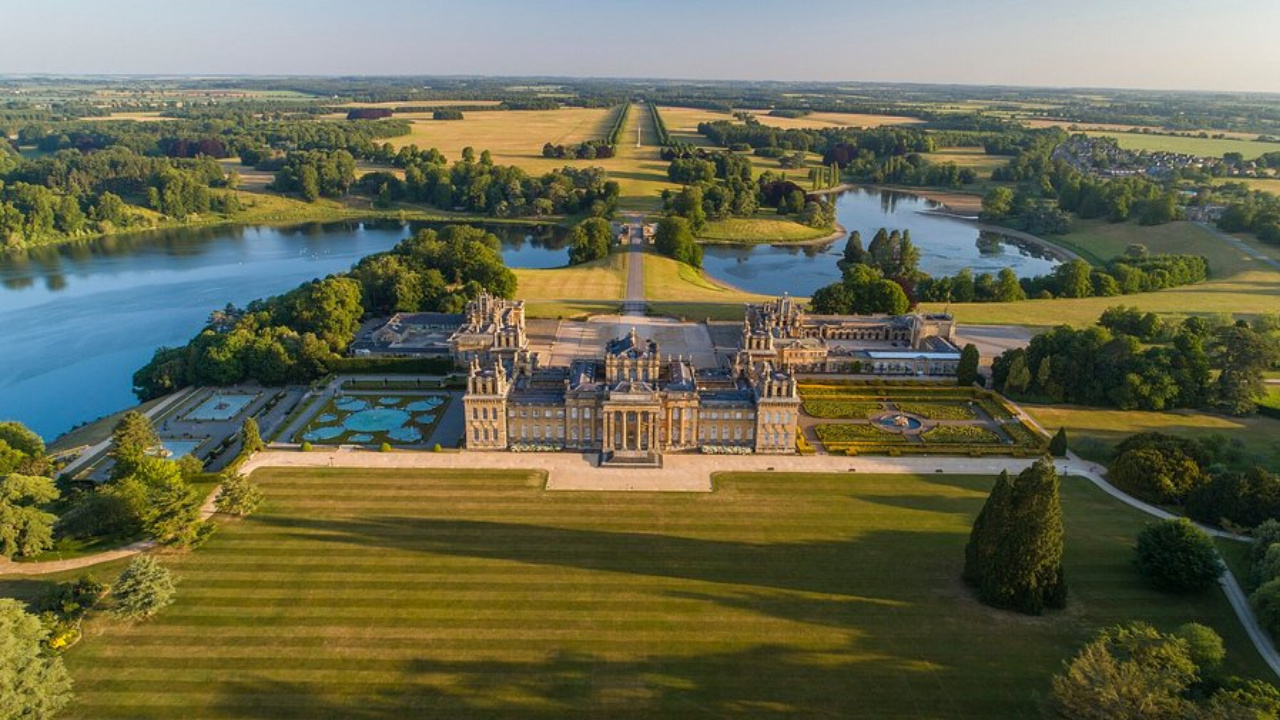
A Giant Solar Park Could Occupy Land Owned by Blenheim Palace in England in a Project That Promises Clean Energy for 330 Thousand Homes but Also Generates Protests and Fear of Impacts on the Countryside.
One of the largest solar parks in Europe may emerge in one of the most traditional settings in the English countryside.
The British government is reviewing the approval of the Botley West project, a mega-complex of solar panels that is expected to occupy land linked to the historic Blenheim Palace in Oxfordshire.
The decision rests with Ed Miliband, the UK Secretary of State for Energy. He has received an official report and has up to three months to decide whether to authorize the project’s advancement, which is already sparking intense debates among environmentalists, residents, and politicians.
-
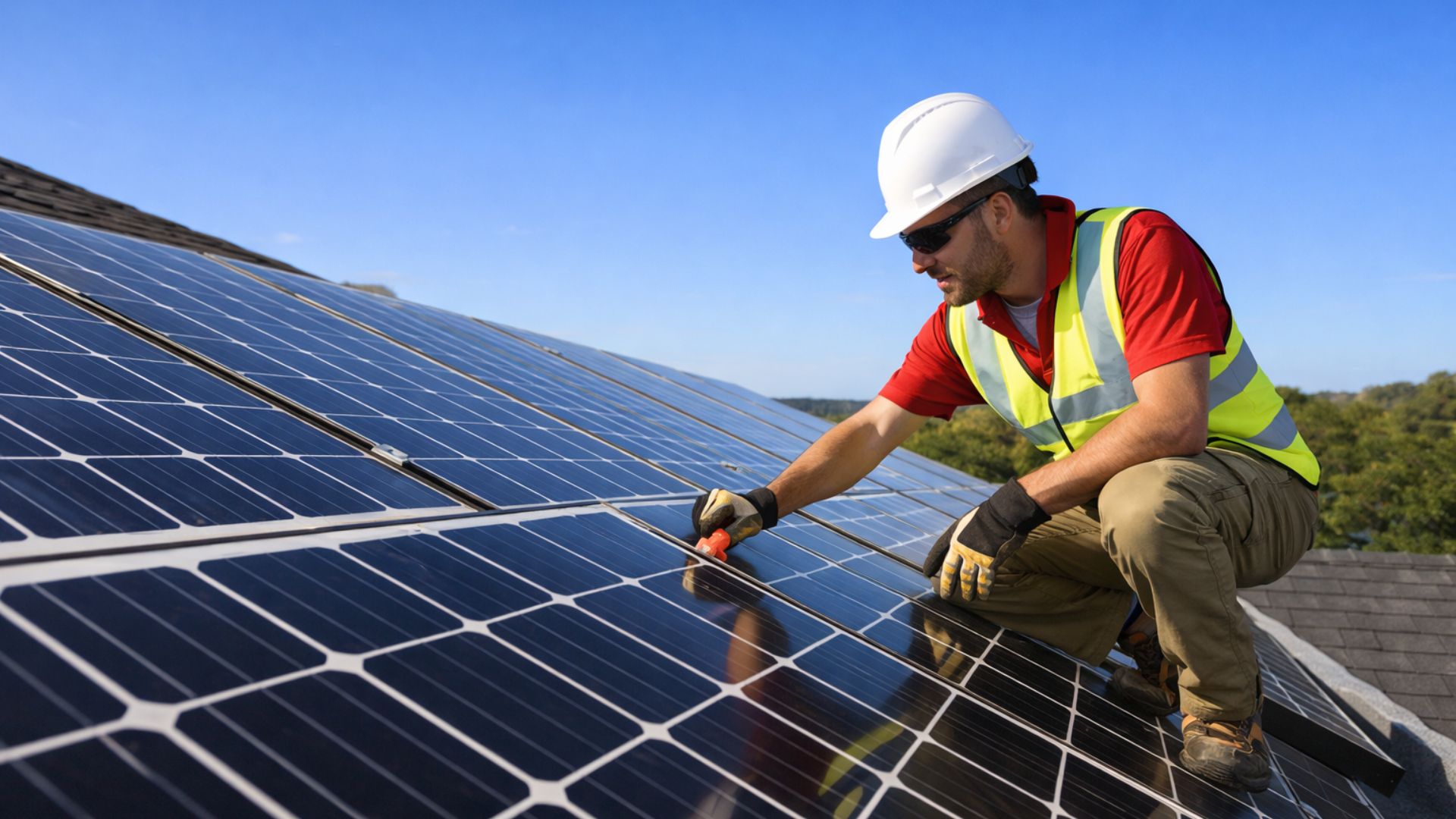
Seagri’s headquarters invests in solar energy with Neoenergia Coelba and promises to cut electricity costs, highlighting a strategic advance in sustainability and energy efficiency within state public administration.
-
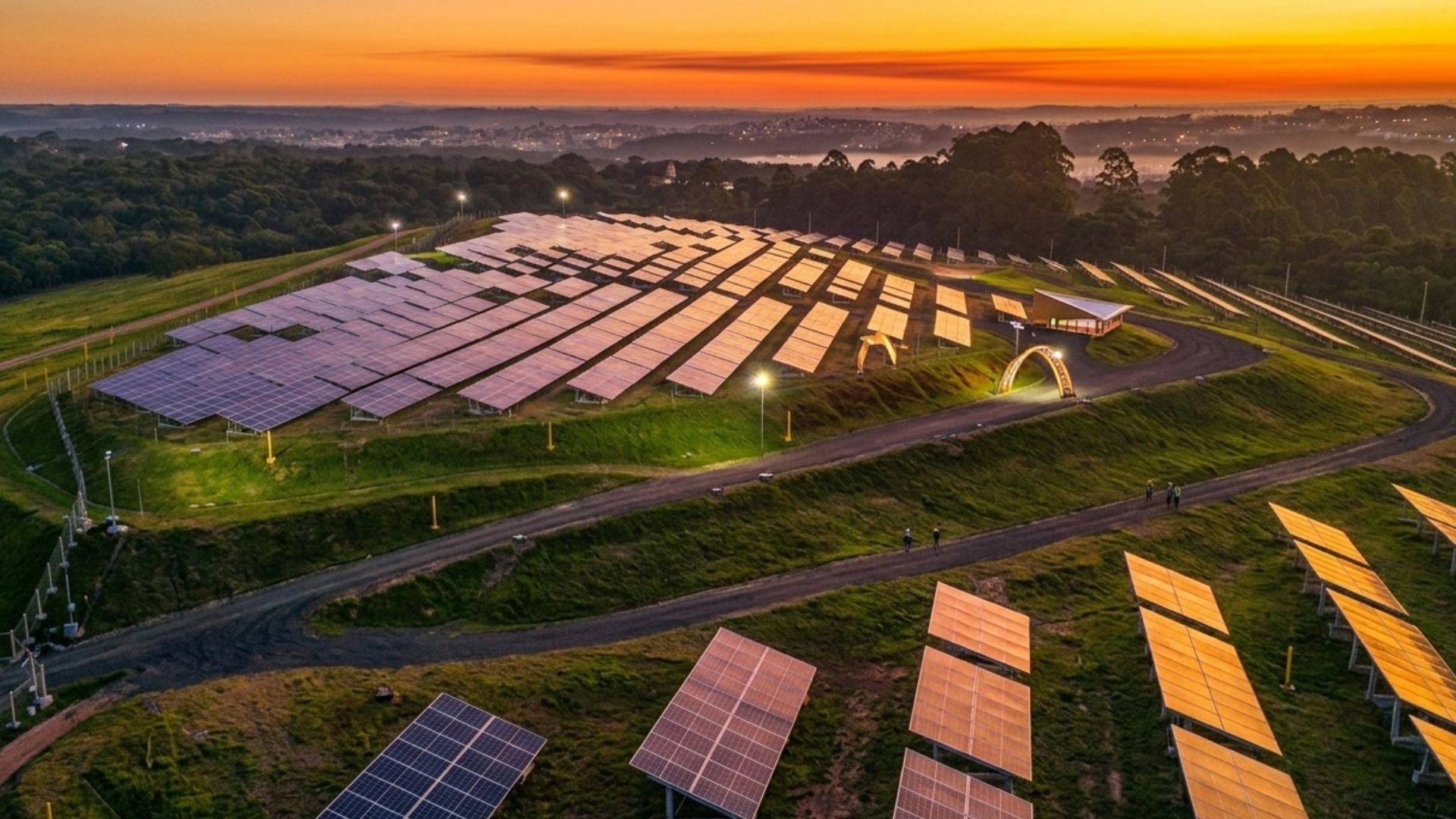
Solar Pyramid draws attention by converting solar energy into million-dollar savings and repositioning the City Hall of Curitiba as an example of innovation, sustainability, and intelligent use of public resources.
-
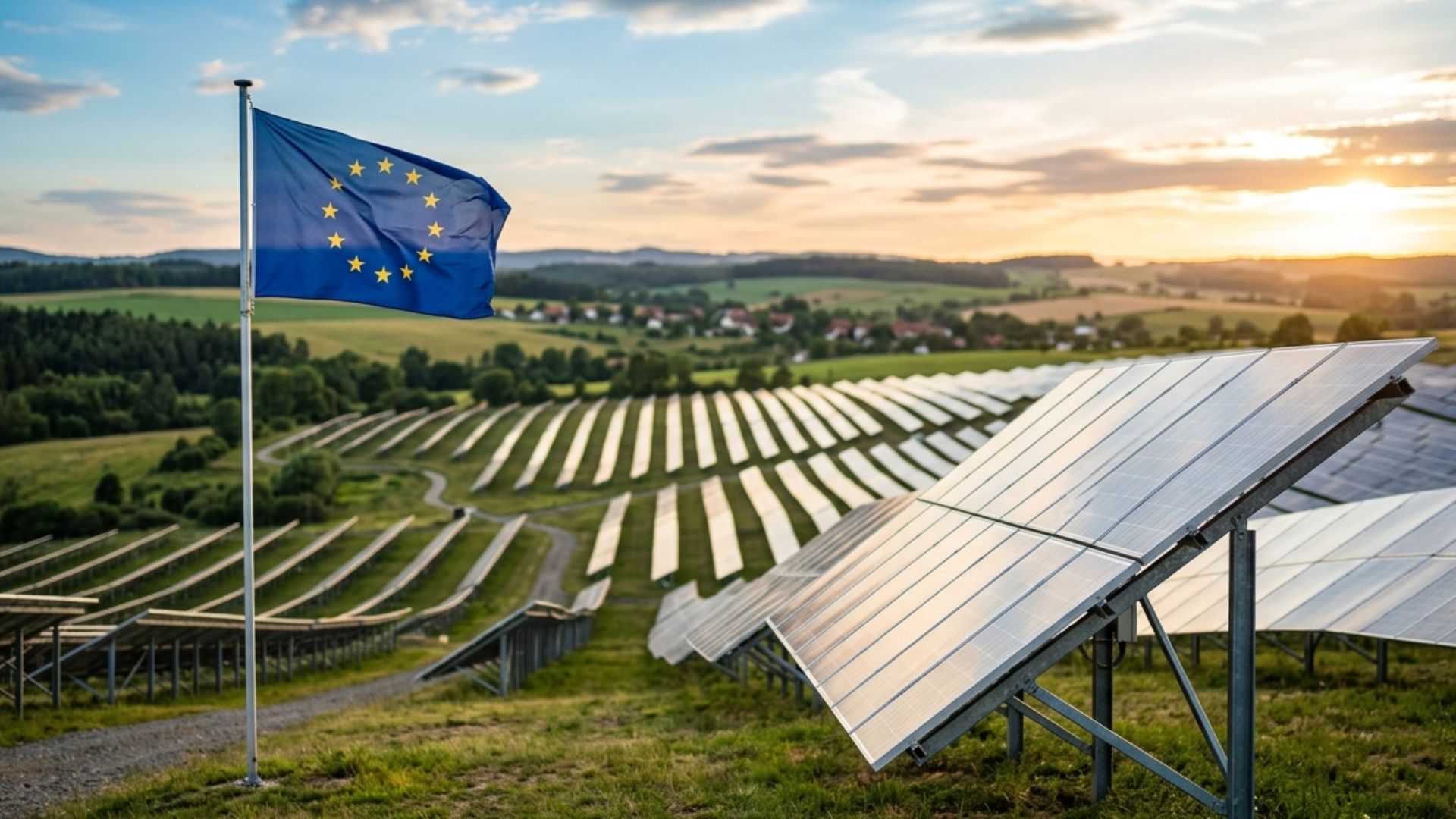
Europe records strong euro economy with solar energy in March and sparks curiosity about which country leads growth that redefines the energy market and reduces costs.
-
Piauí reaches a historic milestone in energy transition: State records nearly 160,000 households powered by solar energy and leads growth in the Northeast.
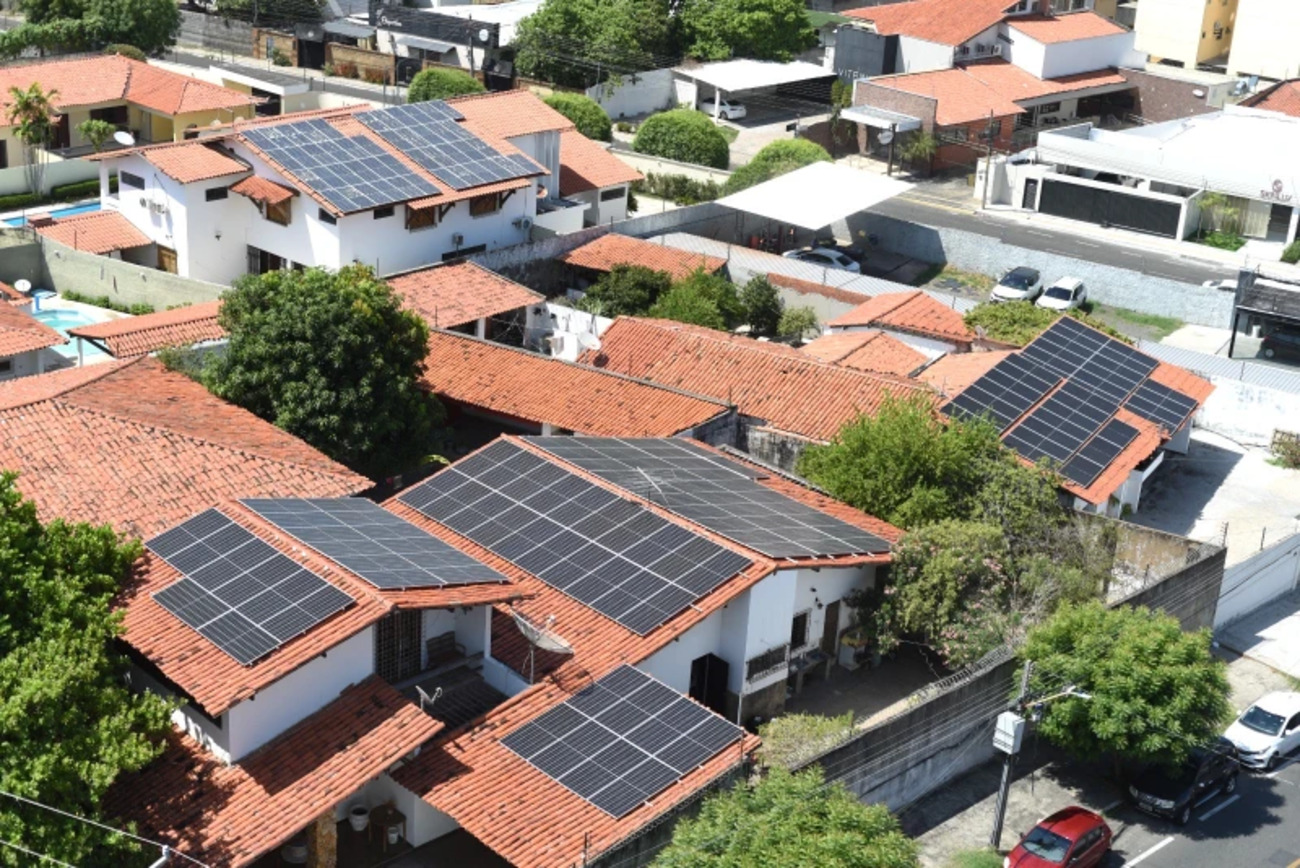
Meanwhile, expectations are growing. On one side, the promise of clean energy and energy security. On the other, the fear that a massive solar park could transform the English countryside’s appearance into a sea of metal and glass.
What Is at Stake in the Botley West Project
The Botley West project was proposed by the company Photo Vault Development Partners. The proposal envisions the installation of a solar park with a capacity of 840 megawatts, enough to supply around 330 thousand households per year.
The total area exceeds 2 thousand acres, equivalent to over a thousand hectares. Most of this land belongs to Blenheim Estates, which controls approximately 90% of the involved region. These areas are located north of Woodstock and around Kidlington and Botley.
The plan stipulates that the panels would remain on-site for about 40 years. After that, the land would be returned for agricultural use, according to the developers.
The most striking detail is that much of the land belongs to the famous Blenheim Palace, one of the most important historical landmarks in the UK and a UNESCO World Heritage Site.

Critics argue that the idea of installing a solar park in an area associated with such a symbolic monument is unacceptable. Local groups describe the project as an “ocean of glass and steel” that could forever change the rural landscape.
Nevertheless, the project’s developers state that the panels will be concealed behind fences, trees, and fields, reducing the visual impact for residents in the area.
Public Hearings and Political Pressure
Discussions formally began in May 2025, when public hearings brought together residents, politicians, and energy sector representatives. The examining panel heard all sides and produced a report that is now in Miliband’s hands.
In Parliament, MP Calum Miller raised questions about the project’s real benefits for the local community. According to him, residents want to know if there will be clear compensation for those who will be directly affected by the advancement of the solar park.
This debate gained further momentum as, during the same period, the government announced contracts for 157 new solar projects in the country. Among them, the largest was West Burton, with a capacity of 480 megawatts.
Energy Security vs. Rural Preservation
The British government argues that large solar park projects are essential to reduce dependency on energy imports and enhance the country’s security. Additionally, they help meet climate targets.

On the other hand, residents of Oxfordshire fear that an 11-kilometer rural corridor could be compromised. Farmers, neighbors, and local environmental groups argue that the region may lose its historical and agricultural identity.
Nonetheless, supporters of the project remind us that without new solar parks, the UK may face higher energy costs and less stability in supply.
And you, where do you stand: install the solar park to ensure cheaper, cleaner energy, or preserve architecture and history?








-

Uma pessoa reagiu a isso.