





 Portuguese
  English
  Spanish
 3 min of reading
  0 comments


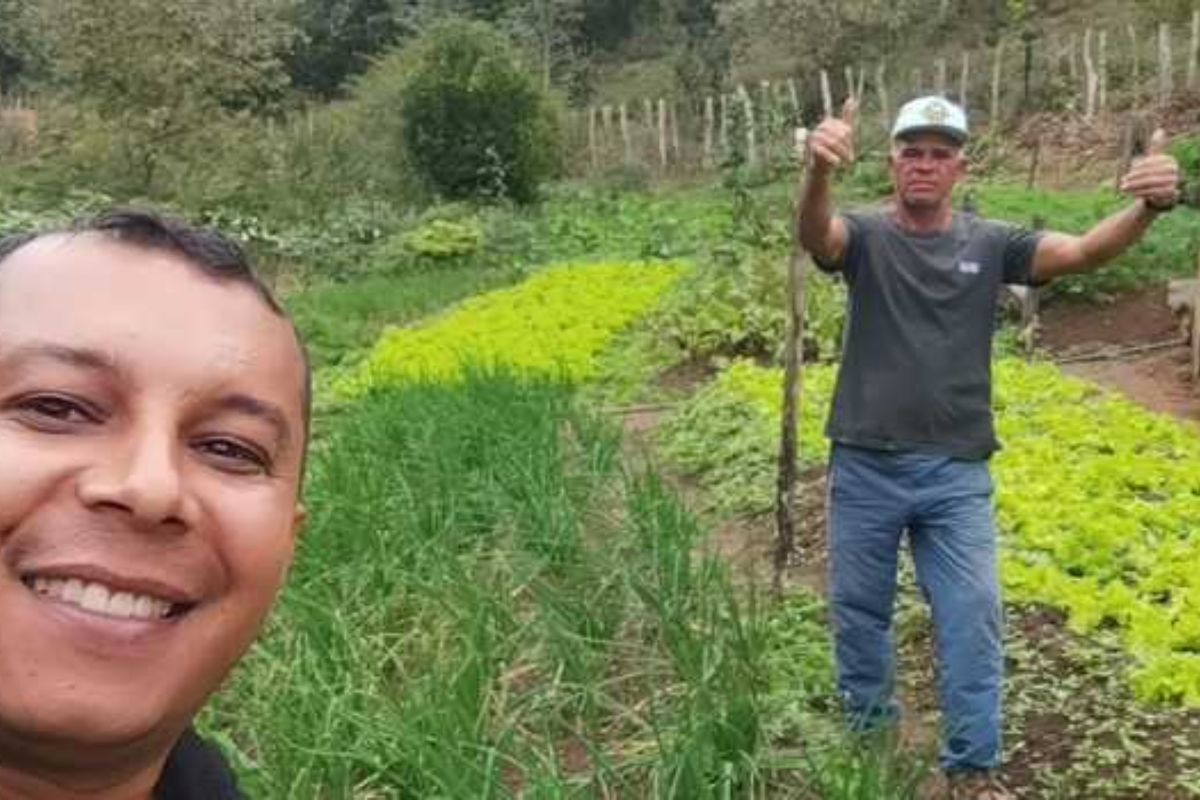
The Collective Fertilizer Purchase Initiative in the Mucuri Valley, Coordinated by Emater-MG, Strengthens Family Farming with Cost Savings, Efficient Logistics, and Increased Regional Productivity
In the Mucuri Valley (MG), family farmers from Catuji are turning challenges into opportunities through a joint fertilizer purchase system, according to an article published.
The shortage of inputs and the high cost of transportation had been hindering soil preparation for the harvest, but the action coordinated by Emater-MG and the Municipal Secretary of Agriculture reversed the situation.
The project, which involved 28 producers and moved eight tons of fertilizers, resulted in savings, speed, and strengthening of local production.
-
Unable to pass through Hormuz, Brazil activated a plan B that uses Turkey as a gateway to the Middle East: the route through Gibraltar and the Mediterranean is longer and more expensive but ensures that chicken, beef, and corn continue to reach Arab markets.

-
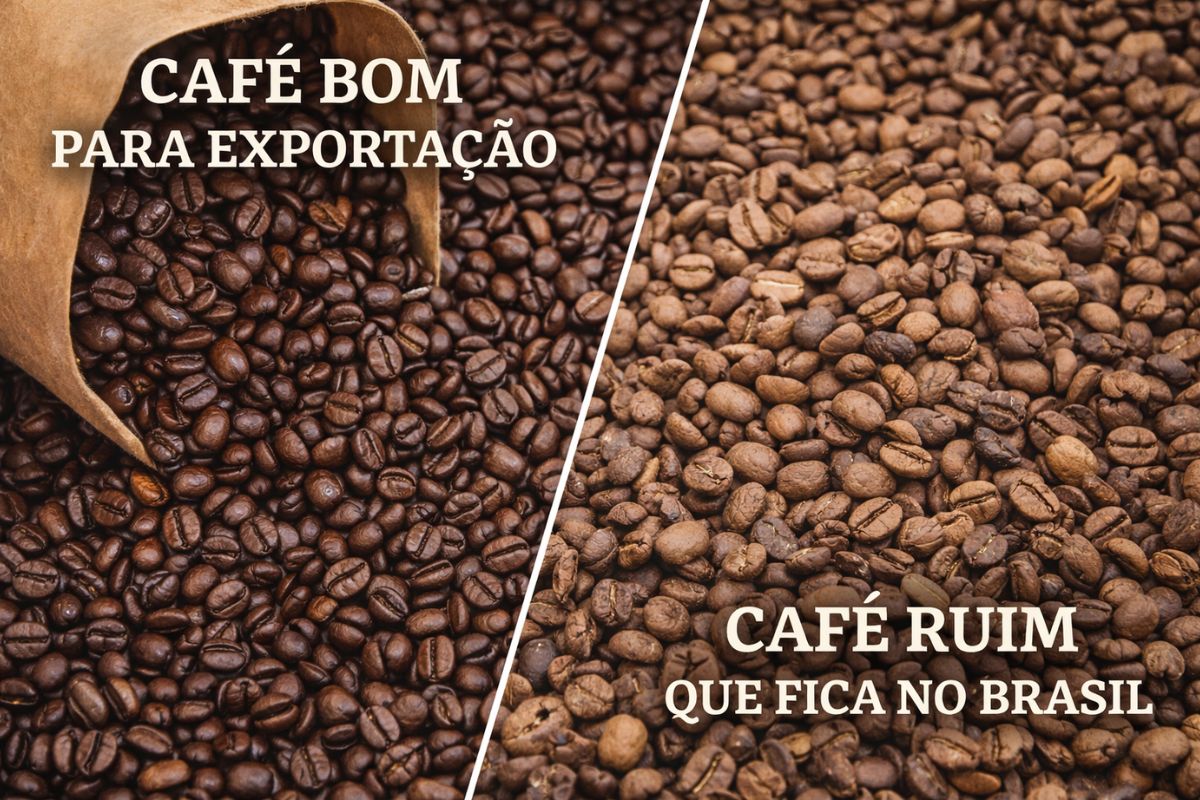
You grew up hearing that the good coffee from Brazil goes all abroad and the bad coffee stays for Brazilians, but this story has completely changed, and the numbers show that in the 1980s, thirty percent of the coffee sold here was adulterated with corn and barley.
-
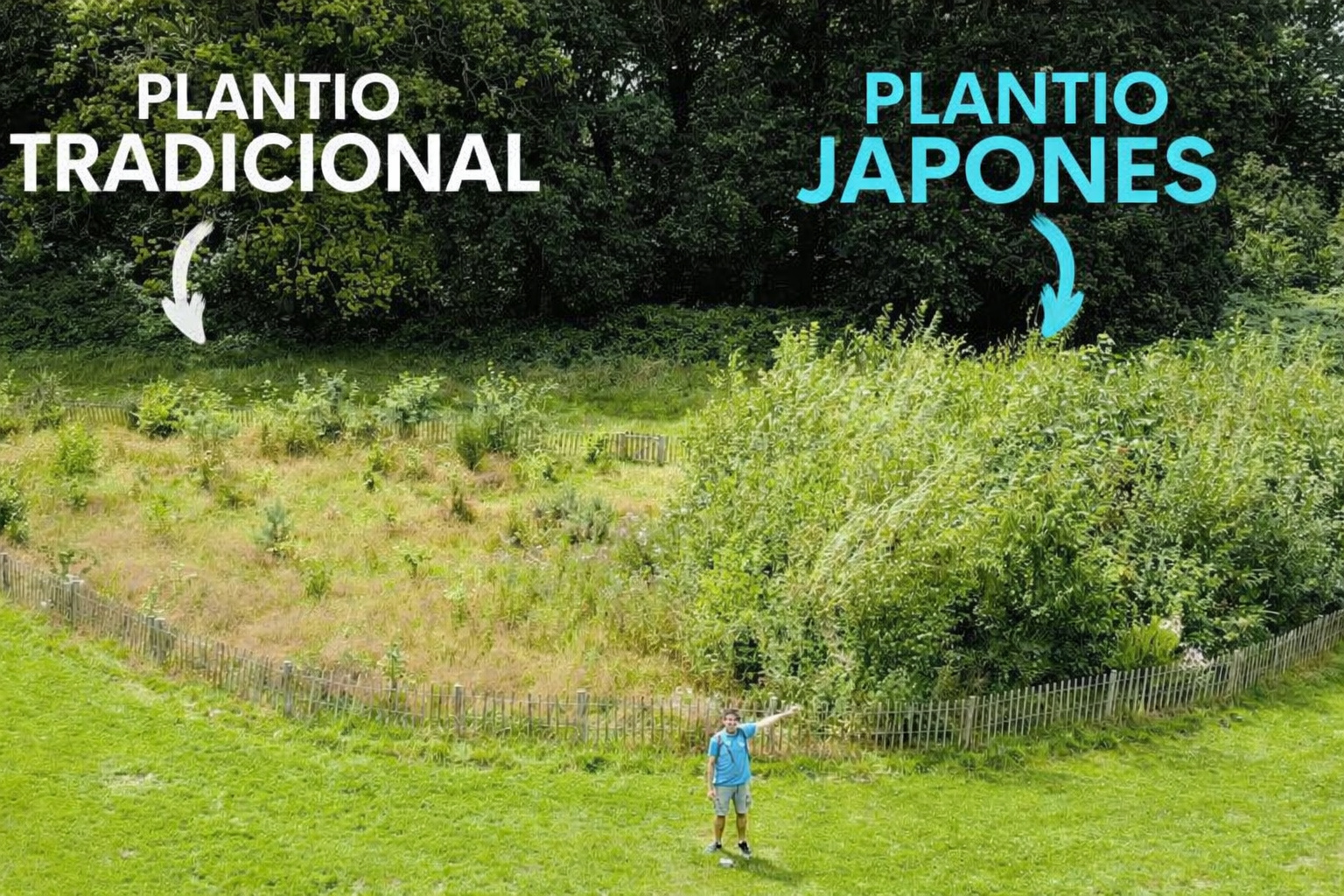
Engineer creates reforestation method that transforms small plots into dense forests in a few years using local biomass and can reduce environmental recovery costs.
-
Alone, the producer applies 7,400 hectares with the T100 drone in an optimized structure, replaces the generator with a silent battery, and demonstrates how technology reduces costs, increases productivity, and even challenges the uniport in the field.

With logistical support from the city hall and active participation from the Catuji Family Farmers Association (Afacat), the strategy ensured access to essential inputs at the right time for planting.
The union of efforts demonstrates how collaboration can enhance the sustainable development of regional agriculture in the Mucuri Valley.
Joint Fertilizer Purchase Improves Productivity and Reduces Costs in the Mucuri Valley
The joint fertilizer purchase project began after realizing that even in larger cities like Teófilo Otoni, there was a shortage and <strong/significant increase in fertilizer prices.
Under the guidance of Emater-MG extension worker Júlio César Paixão, producers organized a collective purchase directly with sector factories, ensuring competitive prices and more affordable freight.
This measure represented a significant reduction in production costs and eliminated long trips, as the Catuji city hall took charge of delivering the products to rural properties.
Coffee producer Emerson Jardim highlighted that the initiative brought practicality and savings.
He stated that he intends to rejoin the program, especially during the fertilization phase at the beginning of the year when the demand for fertilizers is higher in the Mucuri Valley.
Family Farming Strengthens Local Income with Support from Emater-MG and Efficient Logistics
The experience of Afacat and the Municipal Secretary of Agriculture demonstrates the positive impact of shared agricultural logistics, which optimizes the distribution of inputs and increases work efficiency in the field.
The action of Emater-MG was decisive in the technical coordination and creation of regulations for collective purchases, ensuring transparency and organization.
According to the municipal secretary of Agriculture, Silvano Pires da Silva, the success of the initiative also inspires new actions.
In May, a joint purchase of 100 tons of limestone benefited dozens of local producers, allowing the use of up to three tons per farmer.
This practice increased the productivity of corn, beans, coffee, and fruit crops, consolidating the collaborative model in the Mucuri Valley.
Rural Sustainability and New Market Opportunities Drive the Mucuri Valley
The adoption of rural sustainability and collaborative economy practices is becoming a benchmark in the interior of Minas Gerais.
The experience in Catuji shows that collective work can open doors to new regional agricultural markets, offering viable solutions in times of scarcity.
Emater-MG is already studying the expansion of the model to other municipalities in this region of Minas Gerais, strengthening family farming and promoting the rational use of natural resources.
By uniting logistics, planning, and cooperation, the joint purchasing system represents an important step towards the autonomy of small producers and the sustainable development of the region, reaffirming the productive potential of the Mucuri Valley.






Seja o primeiro a reagir!