





 Portuguese
  English
  Spanish
 2 min of reading


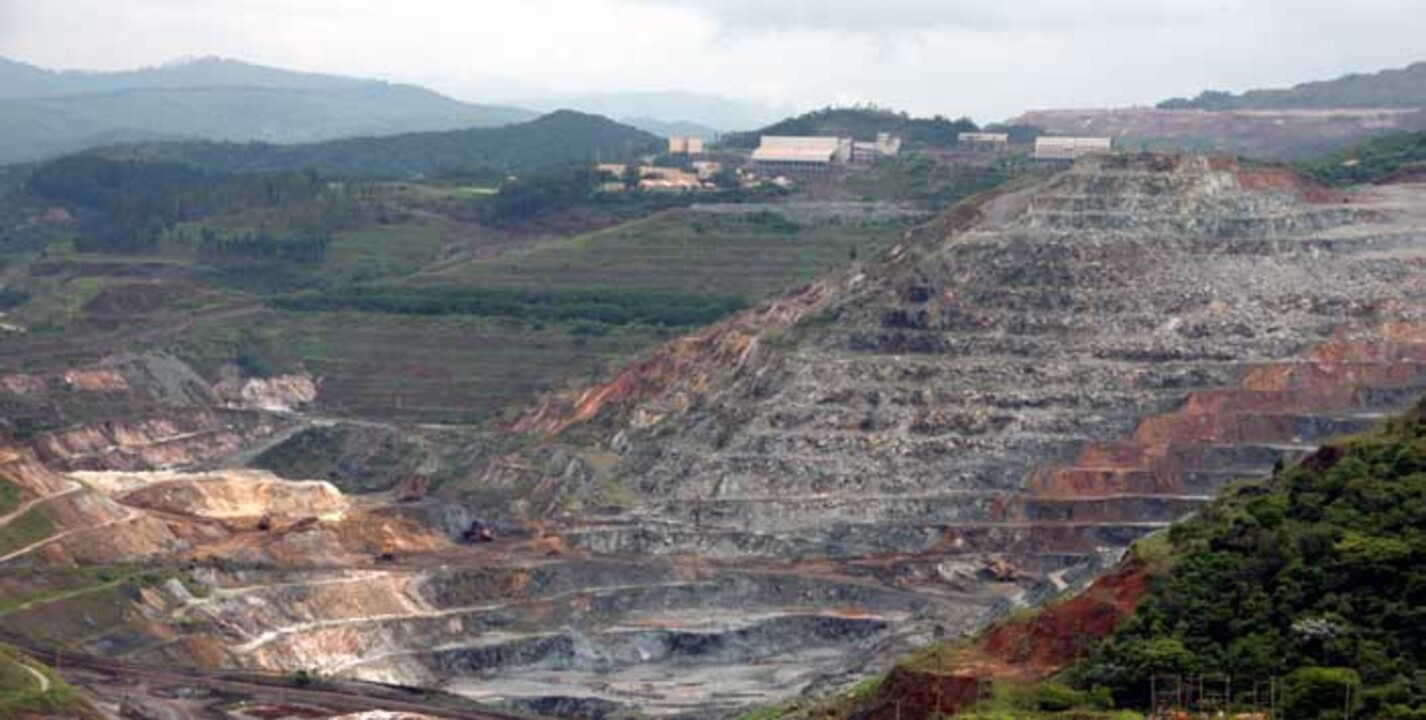
Mining Company Vale Wants to Explore an Underground Iron Ore Mine in the Coming Years in Itabira – MG
The idea of the underground iron ore mining project by market leader Vale near Itabira – MG has been under analysis by the state-owned company for some time, but only recently, Radio Peão stated that the project will finally move forward.
Related Articles
Future of Vale’s Underground Mining
The iron ore mining sector has faced several economic challenges and environmental disasters in recent years, especially regarding Vale and its disasters.
Today, the mining industry is experiencing a renaissance and a renewed sense of confidence. This recovery has been marked by the convention of the Prospectors and Developers Association of Canada, held in Toronto from March 4 to 7, 2020, which brought together more than 25,606 people.
-
Historic bankruptcy of Centauro shocks the market, and the century-old company puts more than 500,000 products, machines, and complete infrastructure up for online auction.

-
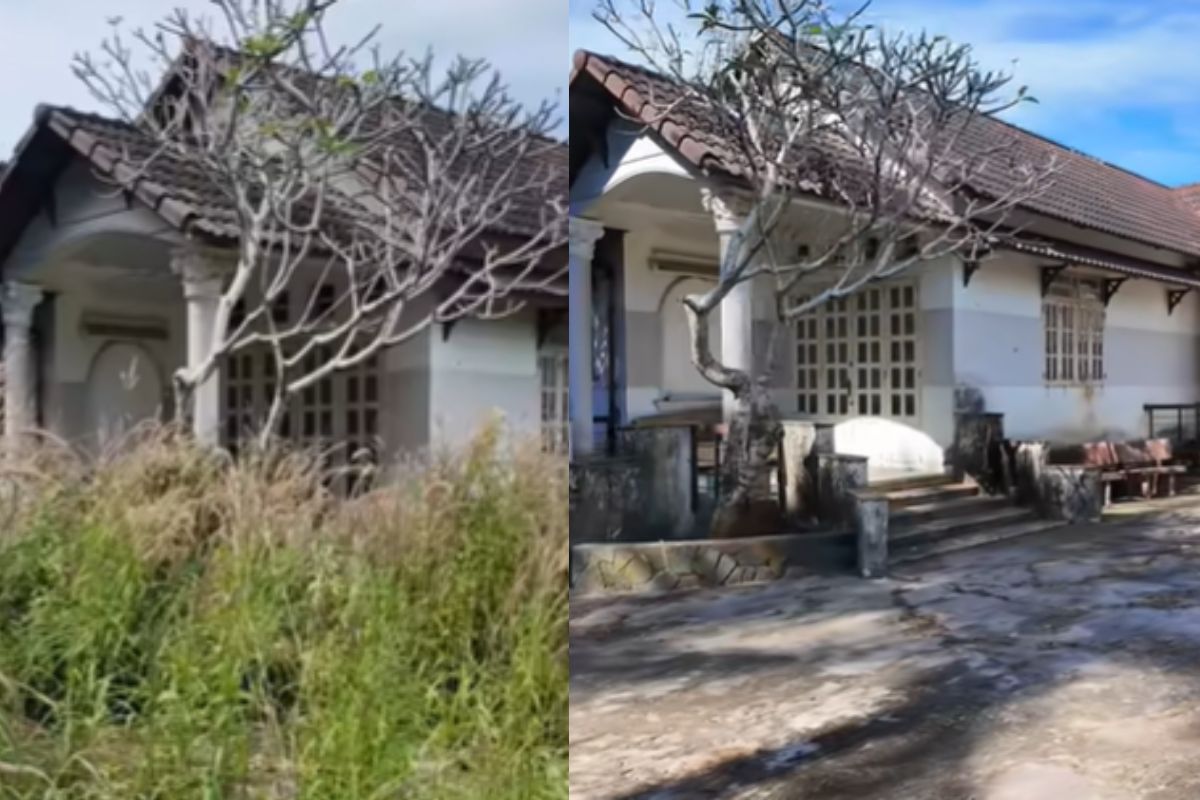
Abandoned house for 15 years disappears in the woods, shocks owner with unrecognizable scenery and is reborn in an intense transformation after almost 90 hours of work in just 10 days.
-
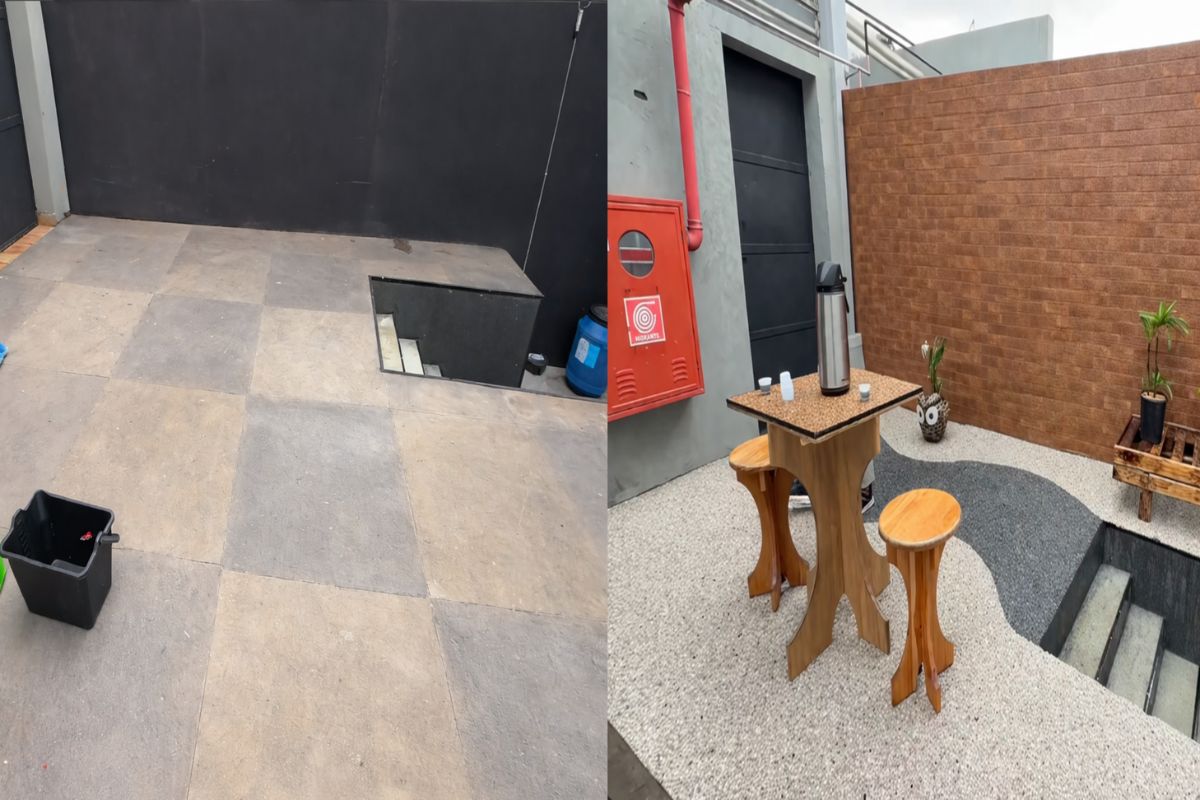
In just three hours, a natural stone floor transforms the entrance of the house with an organic effect, immediate drainage, and a sophisticated non-slip finish that doesn’t puddle water, dries quickly, and impresses with the final result.
-
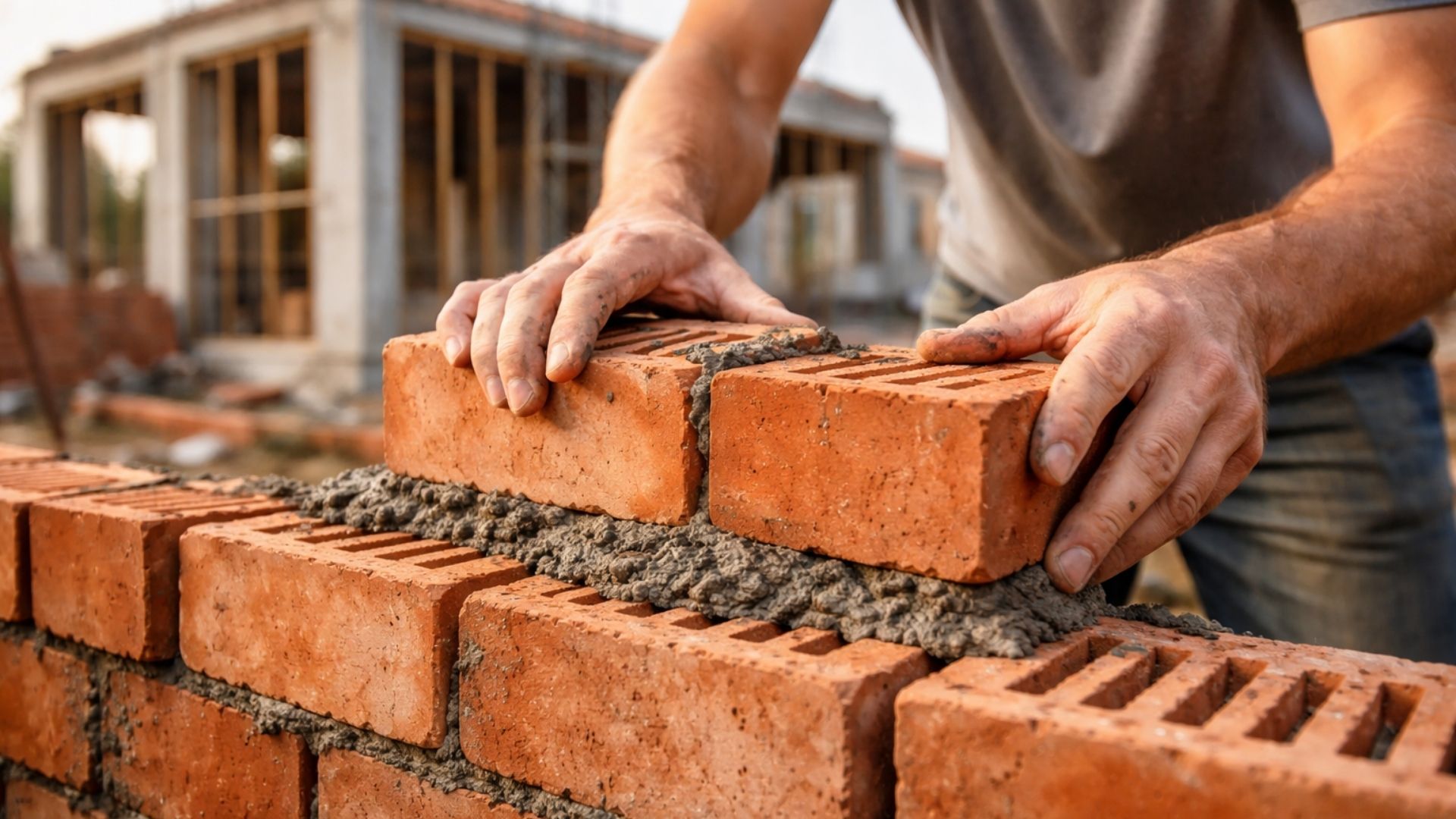
‘Interlocking brick’ made of earth arrives in the construction industry with cost reductions of up to 40% on the project.
In Brazil, open-pit mining mainly focuses on iron ore, which accounts for about 12% of global reserves. The potential for underground mining by Vale in MG is still little known, both in terms of the labor market and the number of mineral and gem extractions currently active in the country.
Brazilian Iron Ore Industry on the Rise, MG on the Radar
The most mined mineral in Brazil’s underground mines is gold, with 22 mines, followed by gems and quartz with 21 mines and coal with 10 mines in Santa Catarina.
Generally, the methods and processes used in Brazilian underground mines are modern, closely aligning in terms of safety and mining methods with benchmark countries (Sweden, Finland, Canada, Chile, South Africa, and Australia).
The benchmark countries concentrate the highest number of mines, universities, research institutions, equipment suppliers, and knowledge related to the context of underground mining. Companies in Brazil seek to follow suit and develop similar conditions.
“Vale’s studies for increasing the utilization of indicated reserves are continually evolving. These studies take into account technological, environmental, legal, and social aspects. Upon completion of feasibility, the results will be submitted for the process of obtaining required licenses for the continuation of any company undertaking,” states the company through its press office.









Seja o primeiro a reagir!