





 English
  Francês
  Alemão
  Italiano
  Japonês
  Norueguês
  Portuguese
  Spanish
  3 min of reading


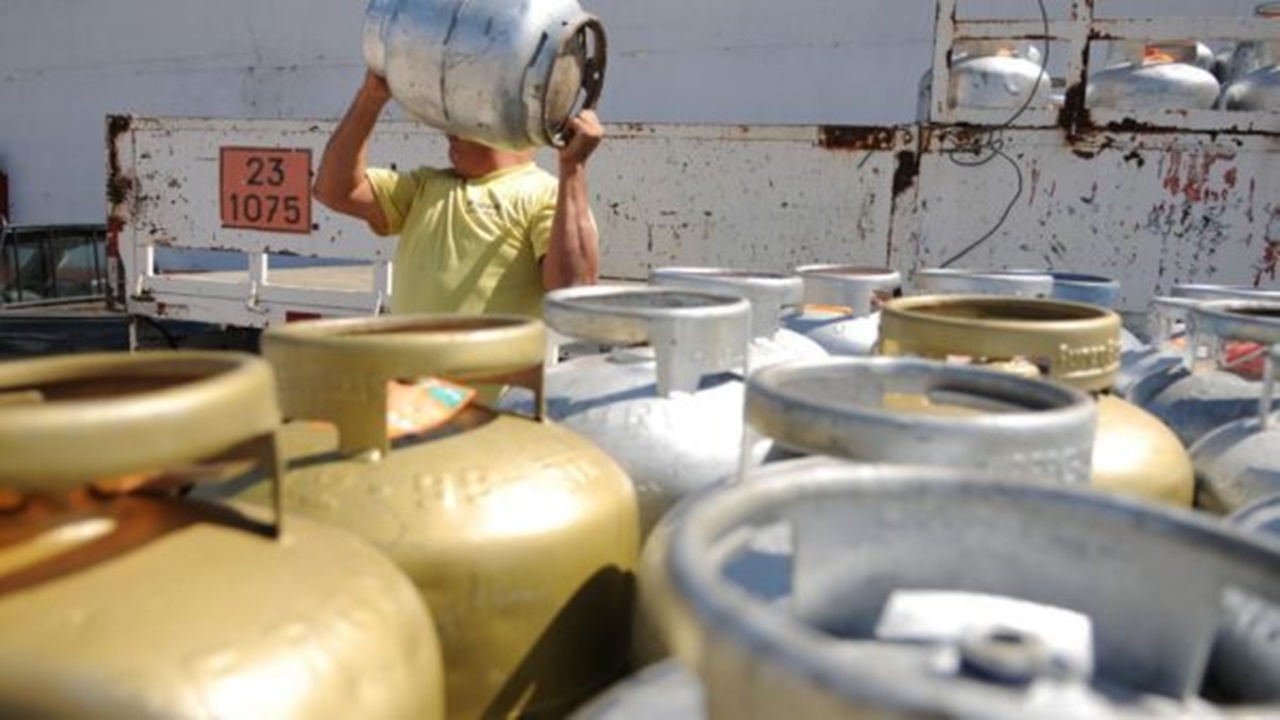
Benefit Will Be At Least 50% of the Price of the 13-Kilogram Gas Cylinder Every Two Months. Funding Will Come from Petrobras Dividends and Oil Auction Bonuses, Among Other Sources.
On Tuesday (19th), by a vote of 76 to 1, the Senate approved the bill that creates a social program aimed at helping low-income families buy cooking gas cylinders. The text will be reviewed again by the Chamber because the rapporteur significantly changed the text.
Read Also
- São Paulo Invests R$ 47 Billion in Infrastructure with Forecast of Eight Thousand Works and Generation of 200 Thousand Jobs in the State
- SENAI and Neoenergia Offer 1100 Slots in Free Online Courses for Elementary Education Professionals in Construction (Electricians, Bricklayers, Painters, etc.)
- Over 5 Thousand Temporary Job Openings Available Today (10/21) for Year-End Demand Including Black Friday and Christmas
- Biomass Fuel: Understand How the Substitute for Oil-Derived Fuels, Such as Natural Gas, Gasoline, and Diesel, Promises to Change the Fate of Humanity
The benefit to be paid is 50% of the average value of the gas cylinder, which costs about R$ 100. Families registered in the Unified Registry for Social Programs of the Federal Government (CadÚnico), with a monthly family income of less than or equal to half the minimum wage, which is R$ 550, or families that have members receiving the Continuous Cash Benefit (BPC), will be entitled to the gas voucher.
Supporters of the program say that the subsidy is necessary given the successive increases in the price of cooking gas in the country. The 13 kg gas cylinder is already around R$ 100, reaching R$ 135 in some Brazilian states. See in the video below how this price affects families:
-
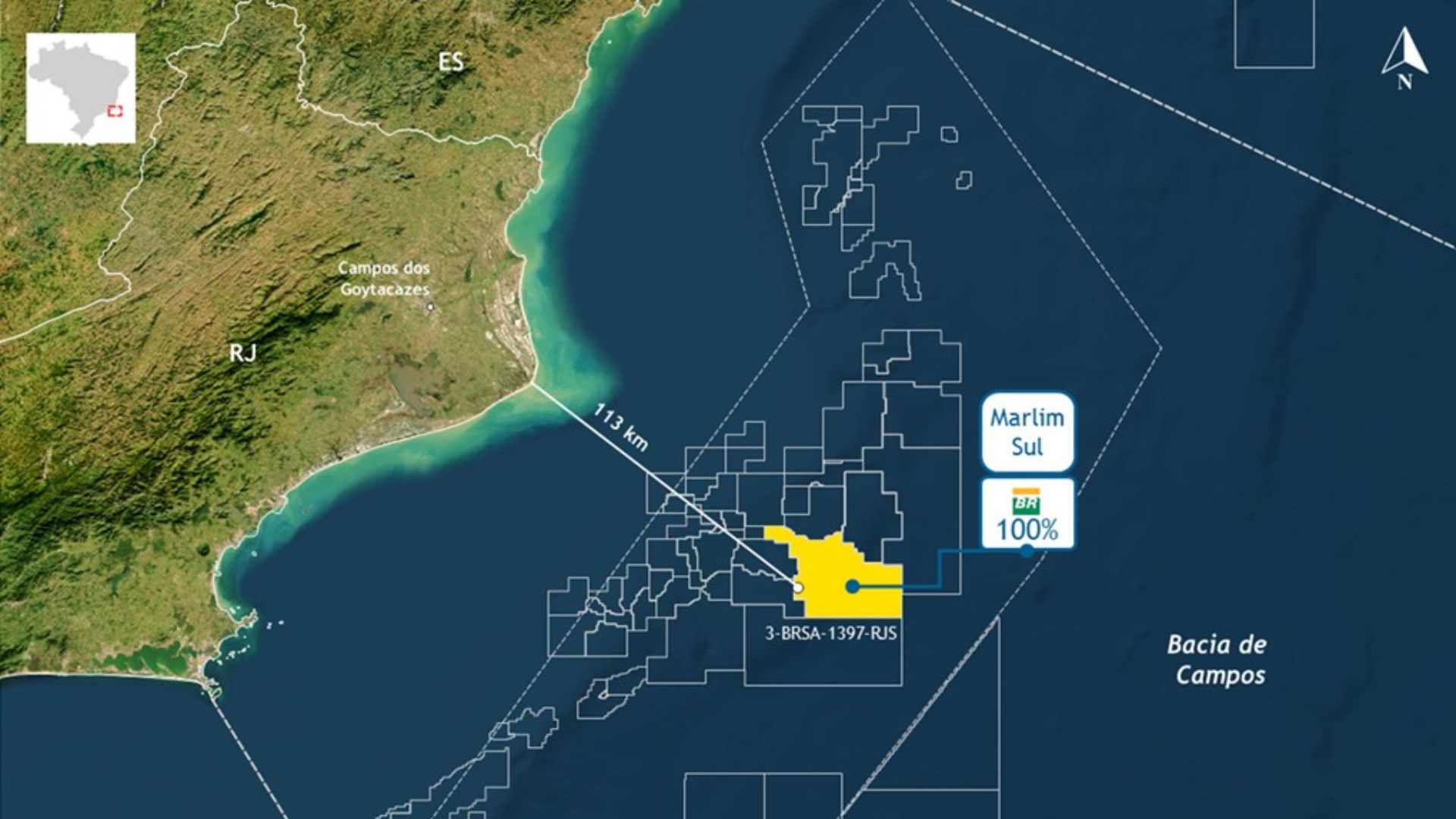
Petrobras announces new oil discovery in the pre-salt of the Campos Basin and reinforces Brazil’s prominence with high-quality reserves that can increase production and energy revenues.
-
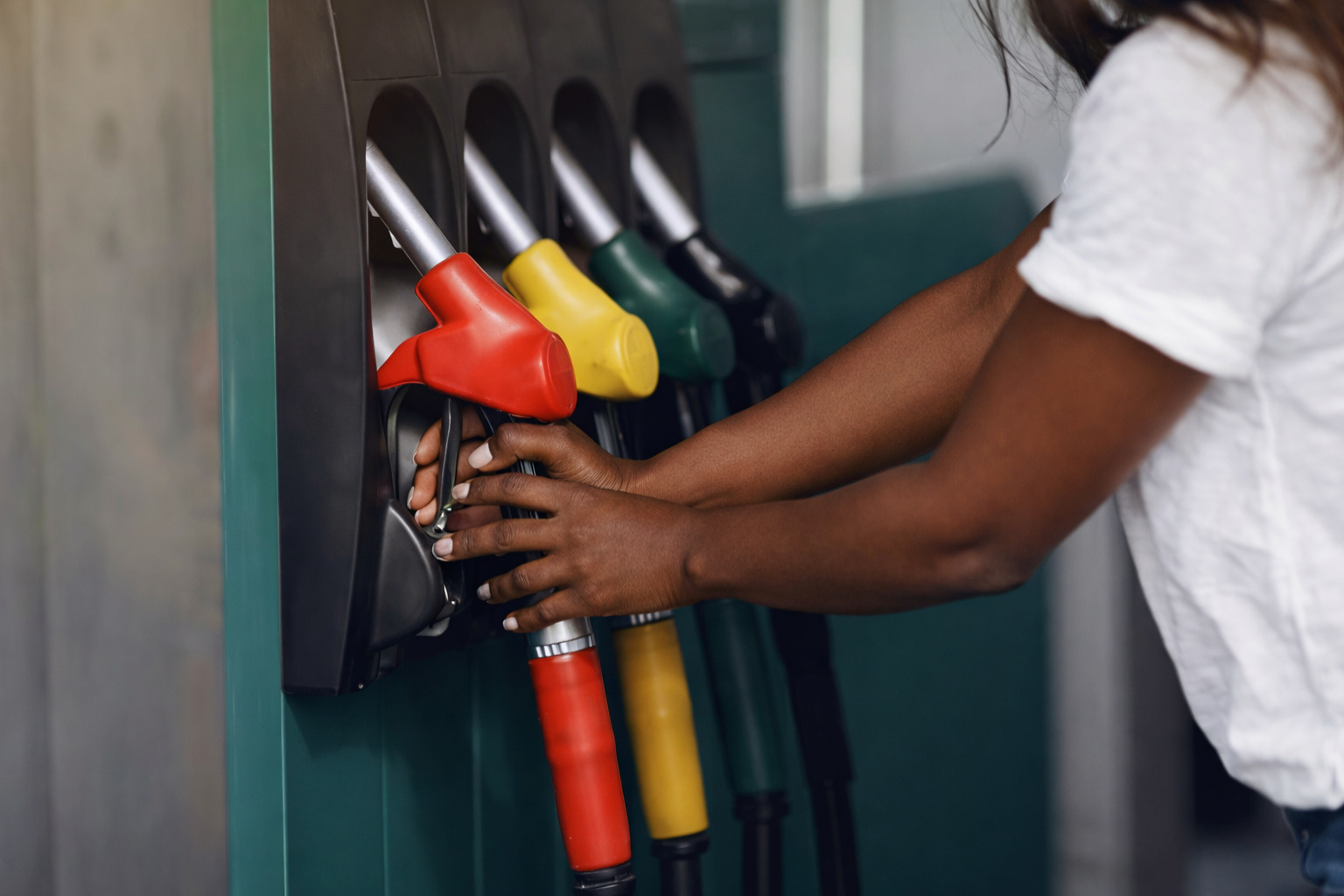
Alert in the fuel market: Analysts and a former director of ANP warn that oil prices may worsen in the coming months due to global instability.
-
Ocyan brings executives and digital solutions to Macaé Energy 2026 and highlights offshore expansion with Nexio and a new base in Macaé.

-
Petrobras advances 4.6% with rising oil prices and the dollar, reigniting the debate on macro risks, pricing policy, and fiscal impact in Brazil.



The cooking gas is among the items with the highest inflation in recent months. With the increase in the price of the cylinder, families have been using wood-burning and alcohol stoves for cooking.
Who Will Be Eligible for the Gas Voucher?
- families registered in the Unified Registry for Social Programs of the Federal Government (CadÚnico), with a per capita monthly family income less than or equal to half of the national minimum wage; or
- families that have among their members living at the same address someone who receives the Continuous Cash Benefit (BPC).
- The original proposal provided that the amount to be transferred every two months would be 40% of the average price of the gas cylinder. The rapporteur of the text, Senator Marcelo Castro, raised the percentage to a minimum of 50%.
According to the proposal:
- the payment of the voucher for purchasing gas will preferably be made to the woman head of the family;
- the government may use the structure of the Bolsa Família or any program that replaces it to operationalize the payments of the benefits.
According to calculations made by the rapporteur, the annual expense with the program will be around R$ 4 billion. But where will this money come from?
As the Project Is Approved, the Resources for Funding the Program Will Come From:
- the dividends (part of the profits) paid by Petrobras to the Union;
- the signing bonuses from the bidding rounds for the exploration and production of oil and natural gas, except for the amounts eventually destined for the Brazilian Oil and Natural Gas Administration Company (PPSA) and for the states, the Federal District, and municipalities;
- a portion of the Union pertaining to the amount of royalties from oil and natural gas;
- revenue from the sale of oil, natural gas, and other fluid hydrocarbons intended for the Union;
- other resources provided for in the Union Budget.









Seja o primeiro a reagir!