





 Portuguese
  English
  Spanish
 3 min of reading
  0 comments


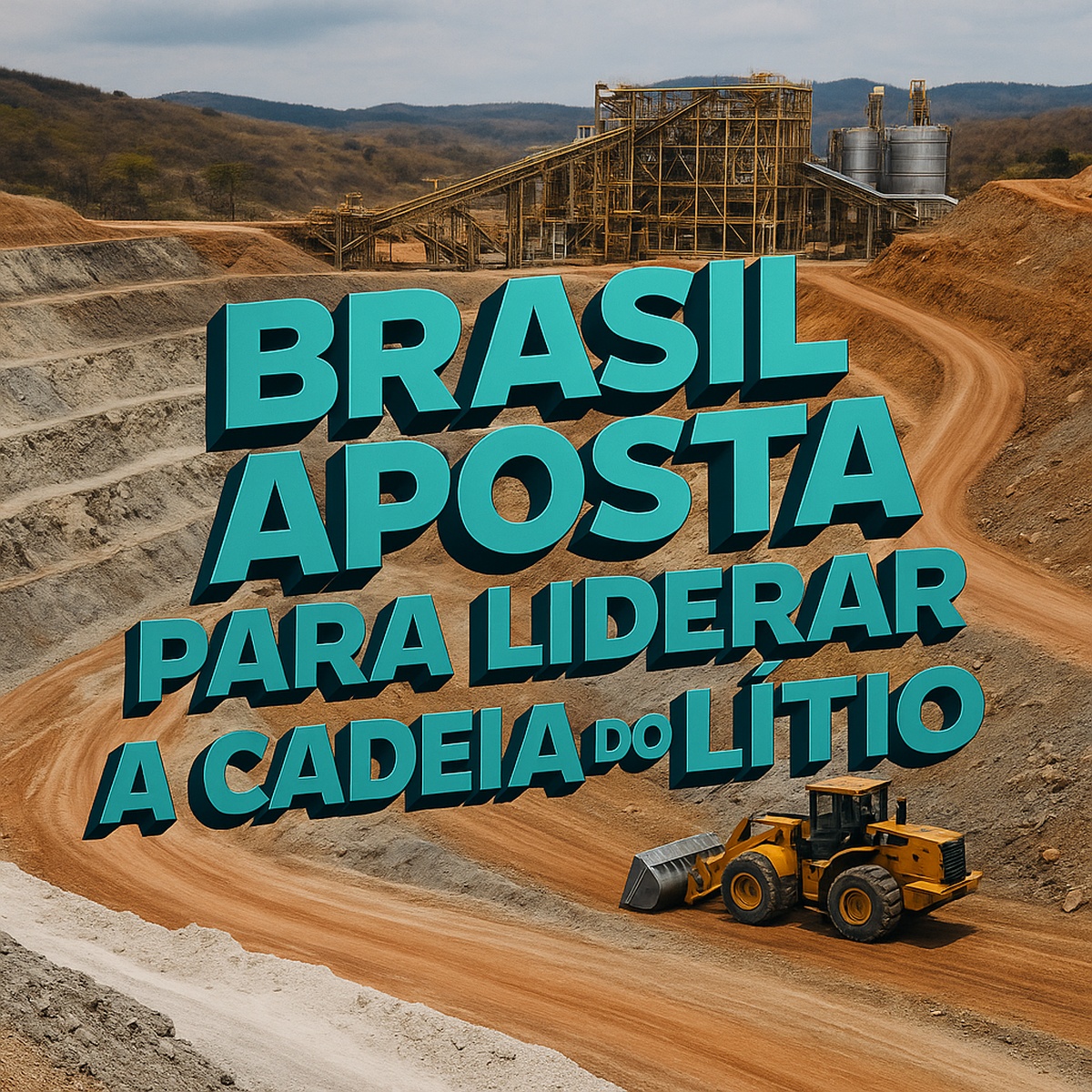
Conference Gathers Executives to Discuss Challenges, Social Impact, and the Future of Vertical Integration in Minas Gerais
A new strategy for Brazilian lithium gained traction in June 2025, when executives gathered in Araçuaí (MG) during the Lithium Business Conference. The discussion reinforced how the country can transform mineral resources into sustainable growth, balancing social responsibility and technological advancement, according to Rossandro Ramos, the event’s organizer.
Discussions Reveal Competitive Potential
More than 300 professionals participated in the panel, which highlighted the Jequitinhonha Valley as the epicenter of the national production chain. CEOs and directors from companies like Sigma Lithium, AMG Brasil, PLS, Companhia Brasileira de Lítio, and Lithium Ionic provided data revealing opportunities and obstacles in the sector.
Lígia Pinto, Vice President of Institutional Relations at Sigma, pointed out in 2025 that “forty percent of companies operate at break even or below”, emphasizing the market volatility. Still, the executive advocated for commitment to social programs, citing the Donas de Mim project, which transforms the lives of women in the region.
-
With a cost per shot close to zero, the DragonFire laser could change naval warfare in 2027 and provide British ships with nearly unlimited defense against drones.

-
A British startup creates tires that generate electricity in electric vehicles when passing over potholes, speed bumps, and cracks.

-
Scientists have created robots made with living cells that have their own nervous system, swim on their own, explore the environment, and self-organize without any genetic engineering, and now they want to do the same with human cells.

-
Students create a solar-powered ambulance that operates without a plug, without fuel, and still keeps medical equipment running in remote areas.

Social Programs Consolidate Legacy
Furthermore, Lígia detailed that local entrepreneurship is thriving, especially female entrepreneurship, through initiatives that ensure autonomy and income. For her, “even with different vocations and maturities, we believe in the potential of the Valley.” This statement, recorded at the conference in June 2025, reinforces that social impact is central to the strategy.
AMG Brasil Aims for the Long Term
Simultaneously, Fabiano Costa from AMG Brasil argued that strategic objectives must go beyond immediate financials. “There are long-term goals that we cannot ignore”, he emphasized. That’s why the company revised its engineering plant to increase the production of technical compounds in the country. Fabiano also criticized the viability of lithium sulfate, calling it environmentally inefficient.
PLS Invests in Local Independence
Along the same lines, Leandro Gobbo, CEO of PLS, explained actions to empower entrepreneurs in Salinas (MG). PLS bets on training, partnerships with the Sistema S, and local hiring, according to Gobbo, in June 2025. “We do not want dependency. We want local companies prepared to serve any client”, he emphasized, highlighting that the social legacy will be lasting, even after the mines close.
Vertical Integration is Still a Barrier
However, Vinícius Alvarenga from Companhia Brasileira de Lítio, was categorical: “No country has advanced without robust state support”, he stated in 2025. He argued that creating domestic demand, especially with electric vehicles and storage systems, is essential to attract the entire supply chain. For Alvarenga, local mining has already brought advances in infrastructure and public services to the Valley.
International Perspective Highlights Potential
Next, Blake Hylands, CEO of Lithium Ionic, presented the international viewpoint, emphasizing that Brazil has some of the best reserves in the world. According to Hylands, global investors are closely monitoring the Jequitinhonha Valley, but he warned that “regulatory stability will be crucial to attract foreign capital”, as he highlighted in June 2025.
Alignment Among All Sectors
Finally, Rossandro Ramos, the panel organizer, emphasized the urgency of aligning expectations among companies, governments, and communities. According to him, only then can Brazil establish itself as a world leader in the new green economy. The consensus, recorded at the Lithium Business Conference, is that the challenges are great, but the geological, economic, and human potential of the Jequitinhonha Valley points to a promising future in the energy transition.
Do you believe that Brazil should accelerate lithium vertical integration or invest first in social policies to ensure sustainable growth? Share your opinion!








Seja o primeiro a reagir!