





 Portuguese
  English
  Spanish
  4 min of reading
  0 comments


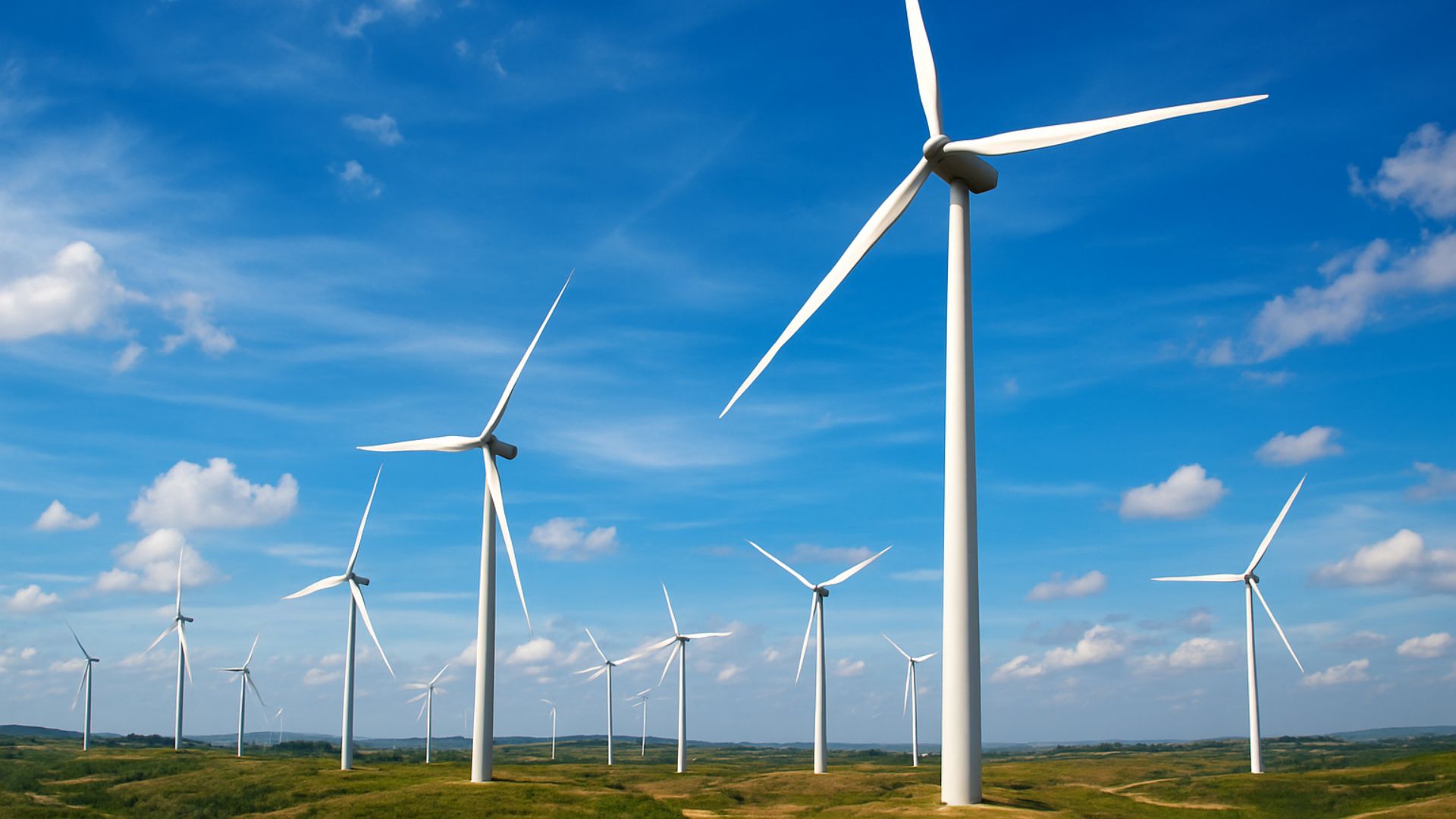
Vallourec and CBA Establish Strategic Partnership with Casa dos Ventos to Expand Wind Energy Self-Production in Brazil, Boosting Renewable Generation and Industrial Decarbonization
According to an article published by the MegaWhat website this Monday, November 3, 2025, Vallourec and CBA announced new advances in their self-production of wind energy projects, in partnership with Casa dos Ventos, one of the largest renewable project developers in the country.
Partnerships Strengthen Wind Energy Self-Production
Vallourec signed a grant agreement with Casa dos Ventos that includes an option to purchase shares of the Santa Clotilde wind farm, which is still under development in Rio Grande do Norte. The operation is under analysis by the Administrative Council for Economic Defense (Cade), which is responsible for approving transactions of this kind in the energy sector.
The CBA (Companhia Brasileira de Alumínio), in turn, has reached similar agreements with Casa dos Ventos and Auren Energia, with a total investment of R$ 158 million, which have been under review for several months, according to information from Infomoney.
-
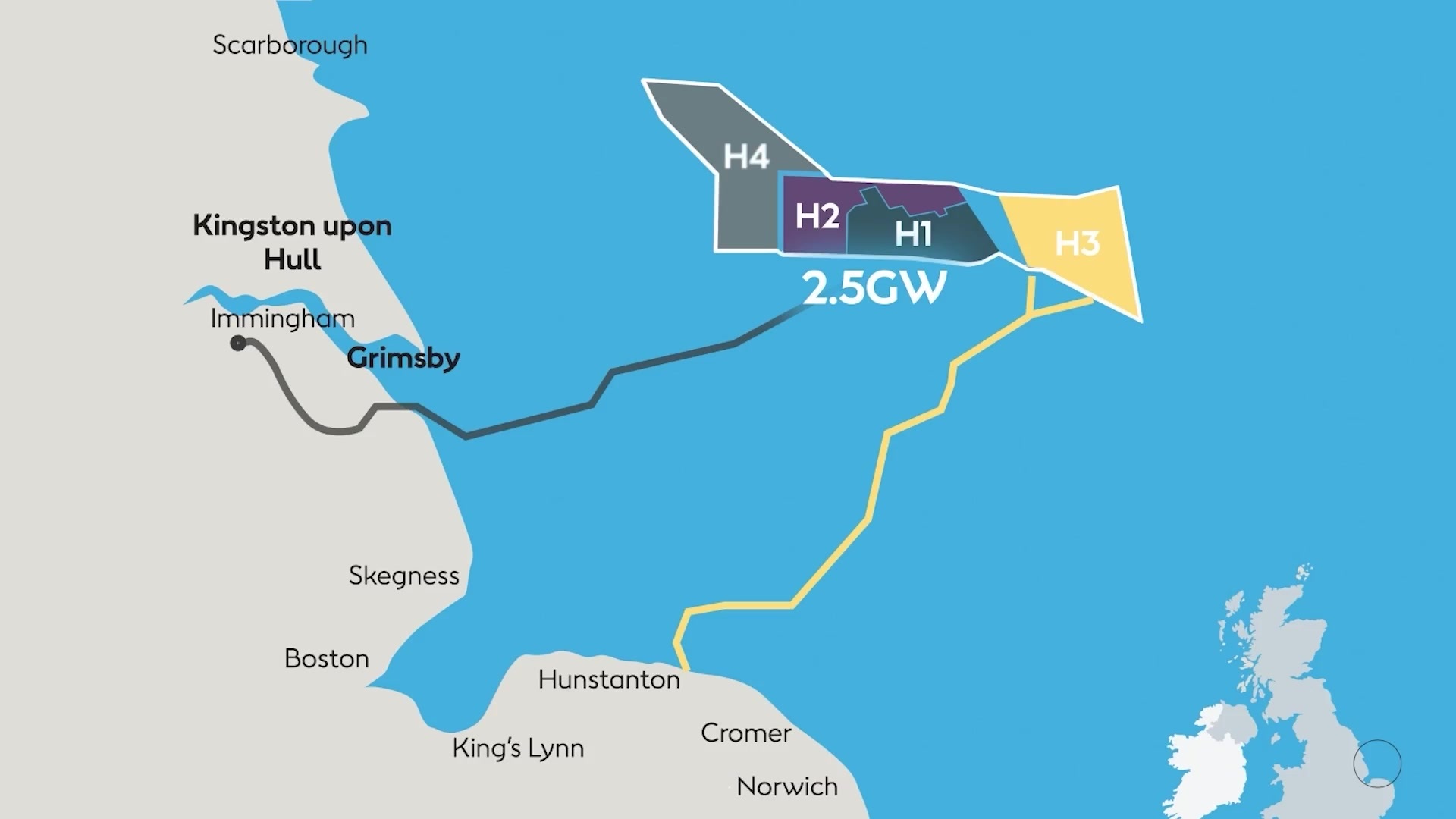
231 turbines of 260 meters at 160 km from the coast, monopiles weighing as much as nine blue whales embedded in the North Sea, and a crane ship taller than the Eiffel Tower: Hornsea 3 will be the largest offshore wind farm on the planet by 2027, and its first components have already arrived in England.
-
International Certification Puts Senai Norte on the Renewable Energy Map and Expands Access to Essential Training for Qualified Wind Power Professionals
-
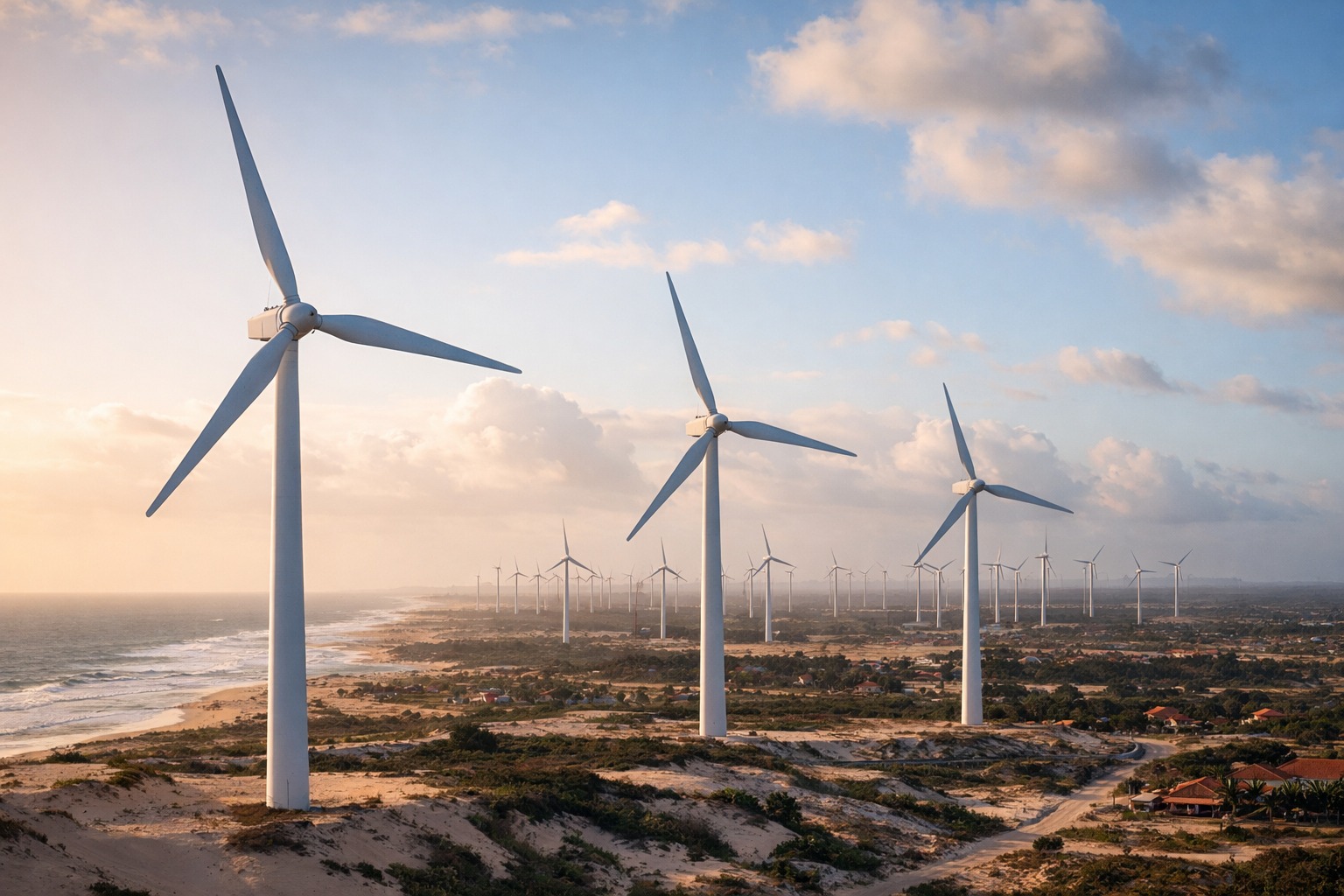
The Winds of the Northeast Are in Foreign Hands: Nearly 70% of the Region’s Wind Farms Are Owned by International Companies, with France, China, and Italy Leading Investments in Wind Energy in Brazil
-
Echoenergia’s Wind Farms Receive Diamond and Platinum Seals and Boost Carbon Credits with Projects that Prevent Large Volumes of Annual Emissions
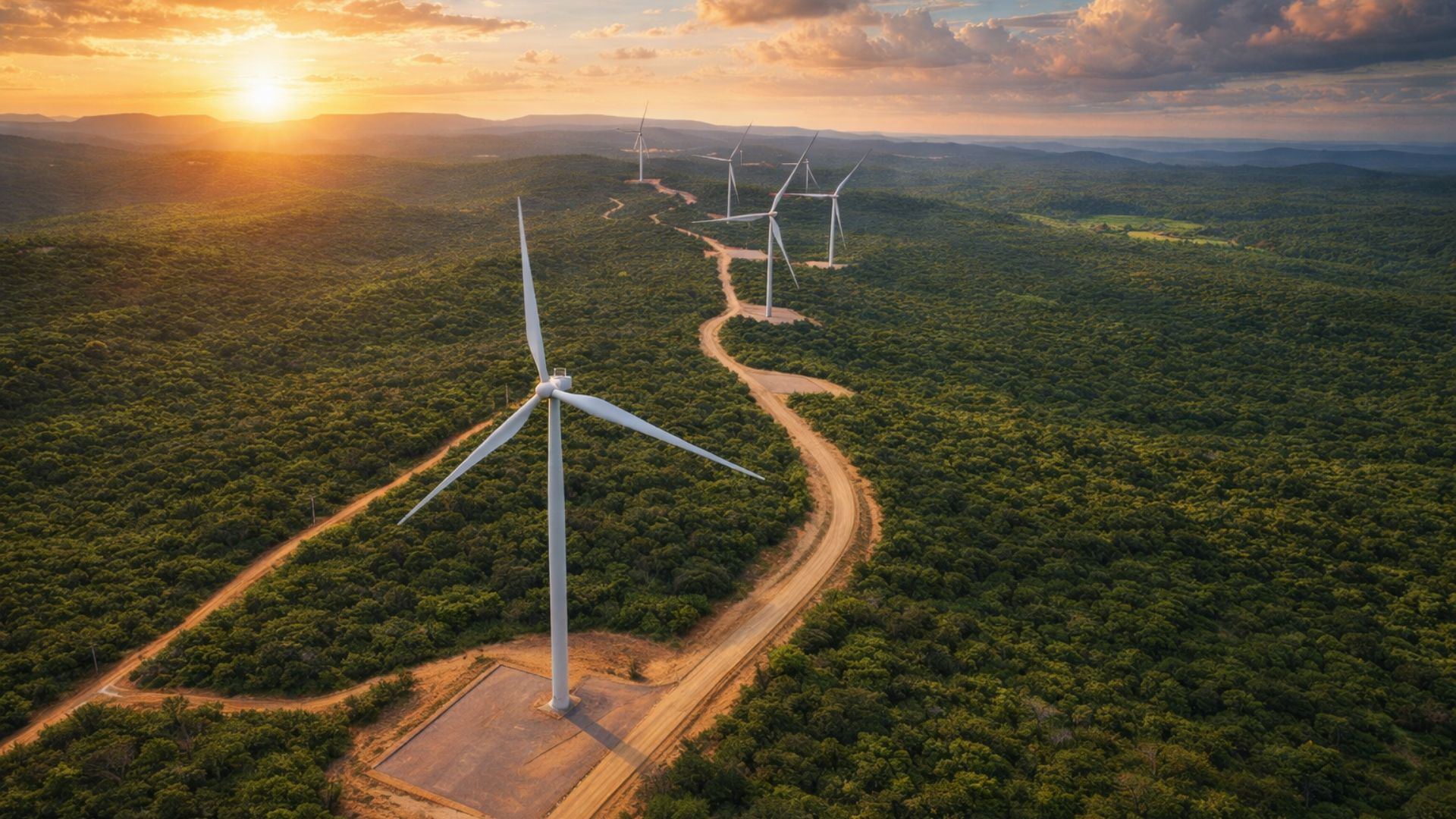

This model of energy self-production has been growing in the country, allowing large industrial consumers to become partners in electricity generation ventures, reducing costs and ensuring predictability in supply.
Wind Energy as a Vector for Industrial Decarbonization
For Vallourec, a company that manufactures steel tubes and industrial solutions, investing in wind energy represents an important step within the decarbonization and sustainability strategy. The company emphasized that self-production helps reduce exposure to market volatility and reinforces its commitment to sustainable development.
CBA also emphasized that the agreement is essential to achieving its environmental goals. The company aims to reduce its CO₂e indicator by up to 40% across its foundry products, considering mining up to aluminum refinement. Renewable energy is central to achieving this goal.
The use of renewable generation is not only an environmental issue but also an economic one, emphasizes CBA. By reducing long-term costs and eliminating intermediaries, self-production proves to be a financially attractive model for the industrial sector.
Renewable Generation and Economic Benefits for the Industrial Sector
The bet on renewable generation goes beyond environmental benefits. For electricity-intensive industries, such as steel and metallurgy, the cost of electricity represents a significant portion of operational expenses. Thus, investing in self-production is also a strategic decision to ensure competitiveness.
According to estimates from EPE, local self-production of energy already accounts for about 11.6% of national consumption in 2025, with a projection of constant growth until 2035. This model allows companies to better predict their costs and adopt sustainable practices without compromising financial margins.
In CBA’s case, energy obtained from wind farms will directly supply its plant in Alumínio (SP), ensuring price predictability and strengthening its position in the sustainable aluminum market — a product increasingly valued by major international buyers.
Challenges of Self-Production and the Growth of Wind Energy in Brazil
Despite the advances, the self-production model still faces challenges. The processing of contracts with regulatory bodies, such as the National Electric Energy Agency (Aneel) and Cade, can take months until final approval. Additionally, the need for transmission infrastructure and integration with the national electricity grid still limits the expansion of new projects in some regions.
Another obstacle lies in the availability of capital and financing. Although wind energy has low operational costs, initial implementation requires a high investment.
Even so, the country maintains one of the cleanest energy matrices in the world, with 93% of generation coming from renewable sources, including hydropower, wind, solar, and biomass. This characteristic makes Brazil a global reference in clean and competitive energy.
Impacts on the Market and the Future of Energy in Brazil
The advancement of partnerships such as that of Vallourec, CBA, and Casa dos Ventos indicates a broader movement of structural transformation in the electricity market. The trend is that more and more industrial companies will choose wind self-production as a way to ensure energy security and reduce operational costs.
This model also helps the country diversify its energy matrix and reduce dependence on hydropower, especially in drought periods. Additionally, it contributes to meeting the climate targets set by Brazil in the Paris Agreement, reinforcing the country’s role as a leader in clean energy.
In 2024, wind energy accounted for about 14.3% of electricity generation in the country, with a trend of accelerated growth . States such as Rio Grande do Norte, Ceará, and Bahia are expected to continue leading the expansion of energy generated from wind sources, attracting new investments and jobs in the sector.
Wind Energy as an Industrial Competitiveness Strategy
The movement of Vallourec and CBA illustrates how the energy transition has ceased to be a topic restricted to the environmental sphere to become a decisive factor in industrial competitiveness. Companies investing in renewable generation gain economic, reputational, and operational advantages in the medium and long term.
In the current context, where the cost of energy and sustainability requirements are increasing, adopting a self-production model is not just an environmental choice — it is a smart business strategy.
Partnerships like this strengthen national energy security and demonstrate that the country is moving towards a more sustainable and competitive economy, in line with global decarbonization standards.









Seja o primeiro a reagir!