





 Portuguese
  English
  Spanish
  3 min of reading
  0 comments



Security Breach Causes Data Leak of Volkswagen Electric Cars. Over 800 Thousand Vehicles Affected. Understand How the Volkswagen Data Leak Was Discovered and How It Is Affecting Consumers.
A serious security flaw at Cariad, Volkswagen Group’s software subsidiary, exposed sensitive data from approximately 800 thousand electric vehicles in Europe. The incident, which lasted several months, left location information of cars from Audi, Porsche, Volkswagen, and other brands within the group accessible on the open internet, without any authentication or protection.
The data leak raises serious concerns about user privacy and digital security in connected automotive systems. In this article, we will understand how this security flaw occurred, what data was compromised, the risks involved for vehicle owners, and the measures taken by Cariad to fix the issue and prevent future incidents.
Check Out What Was Revealed with the Data Leak of Volkswagen Electric Car Users
Linus Neumann, spokesperson for the Chaos Computer Club and collaborator with the German Bundestag as a cybersecurity expert, tried to explain what the massive leak of personal data from approximately 800 thousand Volkswagen electric cars represented.
-
An irregular parking case gains attention after a Mercedes Classe A was removed in such a strange way that it even raised doubts about damage to the car.

-
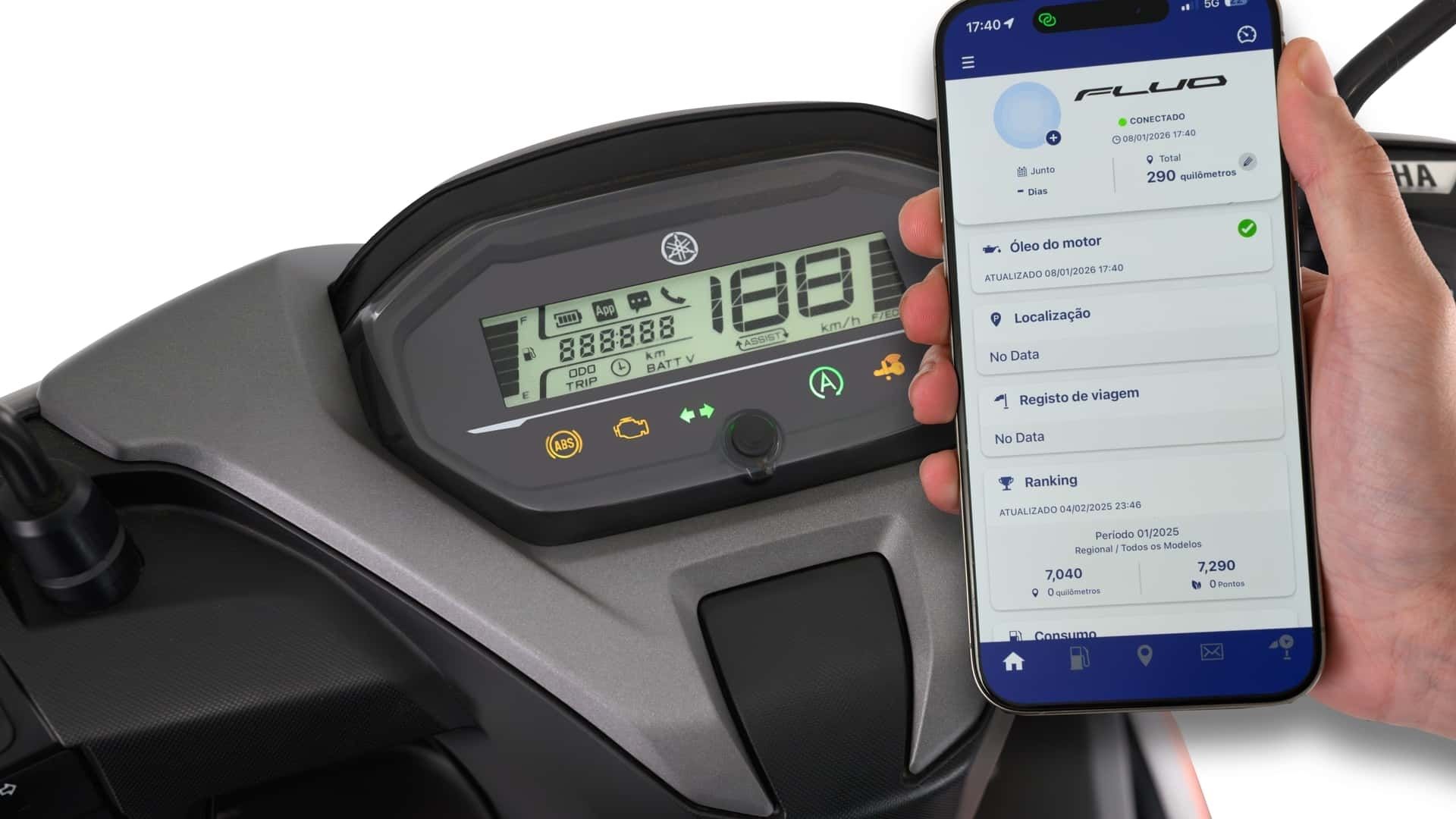
Costing R$ 16,000, the new Yamaha features a 125 cc hybrid engine with electric assistance, delivers 8.3 hp, includes ABS, optimized fuel consumption, Y-Connect connectivity, 25 liters of storage space, and a surprising 4-year warranty in the urban segment.
-
OMODA & JAECOO grows in Europe in 2026 with an integrated strategy of sales, innovation, local production, and technological advancement in the United Kingdom, Italy, and Spain.

-
OMODA & JAECOO expands after-sales service in Brazil with competitive maintenance, a 7-year warranty, and high availability of parts for technological SUVs.


According to him, it is like leaving a huge keychain under a small rug. The information was published by the Chaos Computer Club (CCC) and the German newspaper Spiegel.
In both cases, an anonymous person contacted to alert about the data leak of Volkswagen’s software, signed by Cariad. The flaw presented a vulnerability that exposed personal data from over 800 thousand vehicles.
Specifically, the leaked data exposed the GPS positioning of the drivers, allowing easy tracking of the movements of every single car. According to the CCC, the problem has since been resolved.
Spiegel points out that, with the data leak of Volkswagen’s electric cars, which were accessible to anyone without the need for extensive computer knowledge, it was possible to know where each vehicle had been, at what time, and how long it had remained stationary.
Location Margin of Error Was Only 10 Centimeters
With the data leak from Volkswagen, it is claimed that in the affected Audi and Skoda models, the positioning had a margin of error of 10 kilometers, but in Volkswagen cars, the margin of error was only 10 centimeters. In addition, information about the battery status was collected and displayed at each startup and shutdown, as well as whether the car had undergone necessary maintenance checks.
According to Nadja Weippert, a representative of the Greens in the German parliament, spokesperson for her parliamentary group’s protection and mayor of Tostedt, she still cannot believe that her data is stored unencrypted in the cloud and then not even sufficiently protected.
The article explains that massive filtering could have allowed anyone to check where someone lives, what time they leave home, how long they drive each day, or how long the car stays parked. Their entire routine became visible to anyone with sufficient computer knowledge.
The Origin of Volkswagen’s Data Leak
The origin of the data leak of Volkswagen’s electric cars was in a vehicle update last summer. At the time, each trip generated a data package related to driving that was sent to the cloud.
These contained sensitive data related to how, when, and where the owners of 800 thousand Volkswagen electric cars moved. There were also data from Seat, Audi, and Skoda models distributed throughout Europe.
According to Cariad, collecting GPS positioning data, in addition to battery status, engine activation and deactivation, or charging behavior and habits is necessary to improve customer experience and enhance the product. The main goal is to create profiles and use cases with data that should be anonymous. The CCC assures that Cariad has already resolved the software error that caused the leak.









Seja o primeiro a reagir!