





 English
  Francês
  Alemão
  Italiano
  Japonês
  Norueguês
  Portuguese
  Spanish
  2 min of reading
  0 comments


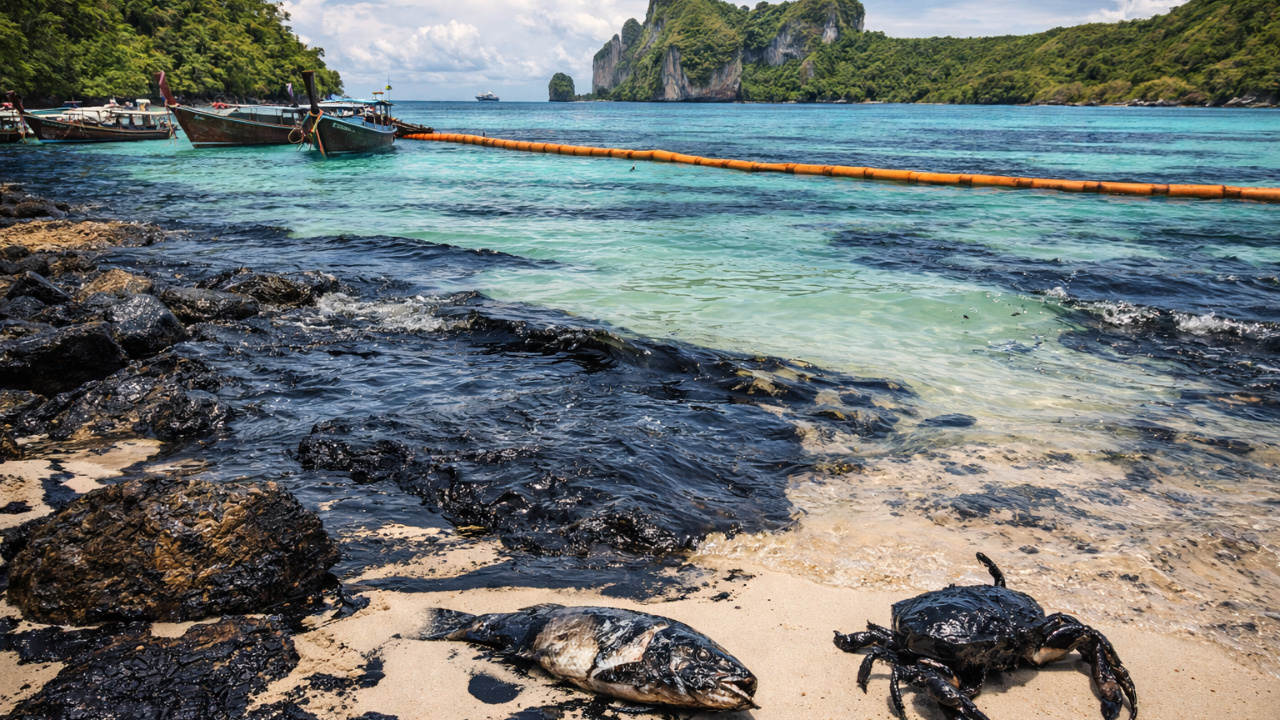
Oil Spill After Freighter Sinking Hits Famous Beaches of Thailand, Worries Authorities and Puts Tourism and Marine Life at Risk.
What used to be a postcard may be turning into an environmental headline. Two weeks after the sinking of a freighter in the Indian Ocean, the oil spill has already reached some of the most well-known beaches of Thailand.
The dark stain began to appear in tourist areas of Phuket, a destination famous for its crystal-clear waters and strong presence of foreign visitors.
Furthermore, the advance of the oil worries local authorities and residents. The situation has not yet shown significant improvement. There are concerns that the impact may widen in the coming days.
-
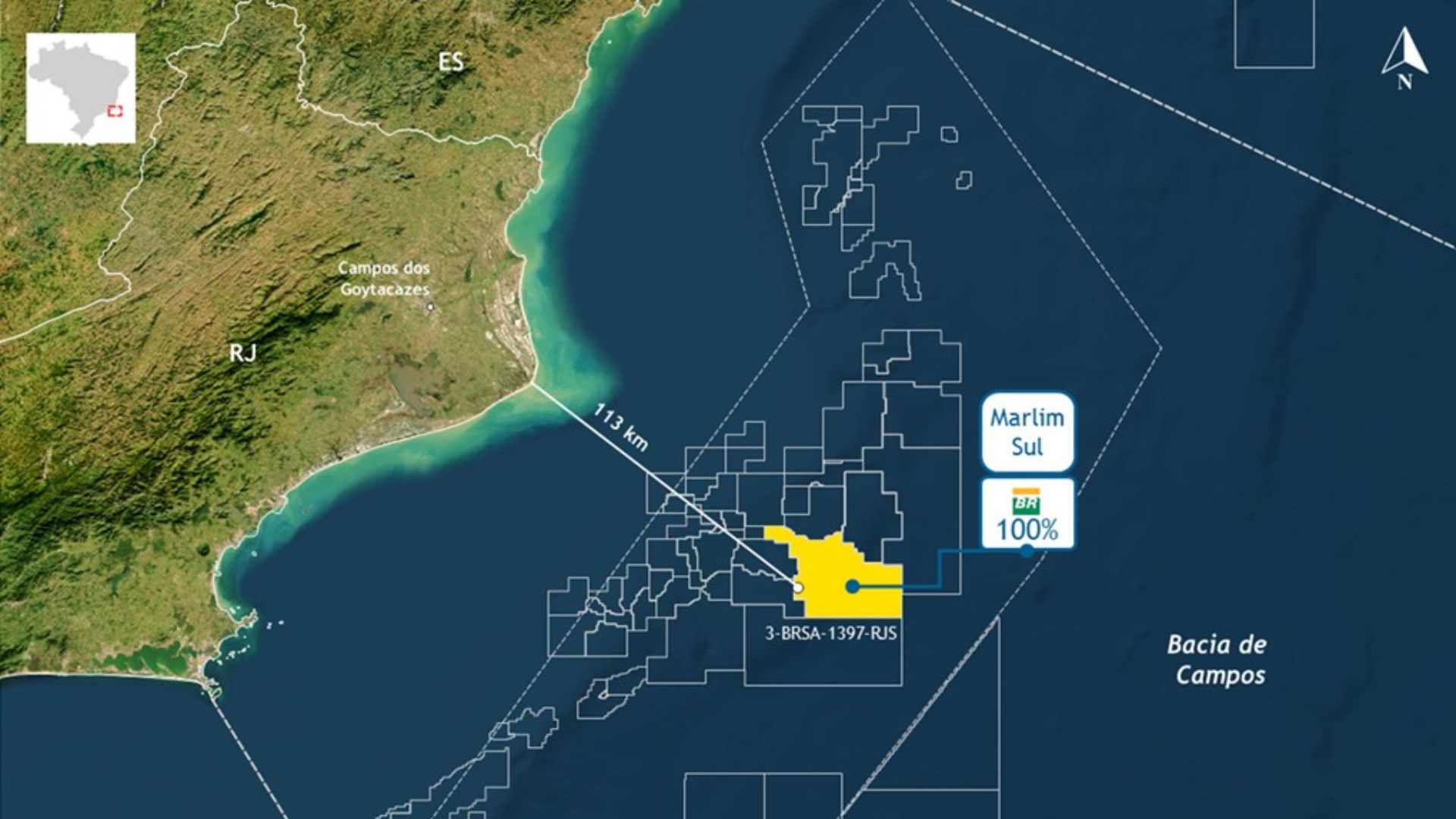
Petrobras announces new oil discovery in the pre-salt of the Campos Basin and reinforces Brazil’s prominence with high-quality reserves that can increase production and energy revenues.
-
Alert in the fuel market: Analysts and a former director of ANP warn that oil prices may worsen in the coming months due to global instability.

-
Ocyan brings executives and digital solutions to Macaé Energy 2026 and highlights offshore expansion with Nexio and a new base in Macaé.

-
Petrobras advances 4.6% with rising oil prices and the dollar, reigniting the debate on macro risks, pricing policy, and fiscal impact in Brazil.

How The Oil Spread And Hit Tourist Areas Of Thailand?
According to Thai authorities, the freighter Sealloyd Arc, flying the Panama flag, sank on February 7 while heading towards Chattogram, Bangladesh. As a direct consequence of the accident, about 1,700 liters of crude oil leaked into the sea.
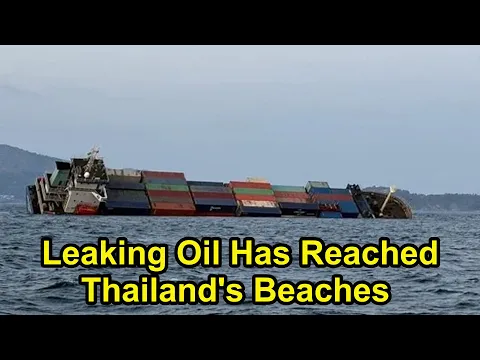

The vessel is submerged approximately 60 meters deep. This complicates the work of divers and containment teams. The greater the depth, the more complex the operation becomes.
According to Congressman Chalermpong Saengdee, the oil slick has already reached Ya Nui Beach and small islands in the province of Phuket. The oil has also reached Banana Beach, located on the island of Koh Hey, one of the most sought-after tourist spots by visitors in search of turquoise-blue sea.
Meanwhile, apprehension is growing. The parliamentarian stated that the expectation is for the slick to continue spreading. He fears that the problem will severely impact tourism, a sector essential to the local economy. In addition to the financial impact, there are concerns for marine life.
Worrying History
This is not an isolated case. Between 2017 and 2021, Thailand registered 130 oil spills, according to data from the Department of Marine and Coastal Resources. This history reinforces the warning about the environmental vulnerability of the region.
Now, faced with yet another episode, experts observe that the response time is crucial. The more the oil spreads, the greater the potential ecological and economic damage.








Seja o primeiro a reagir!