Portuguese
  Spanish


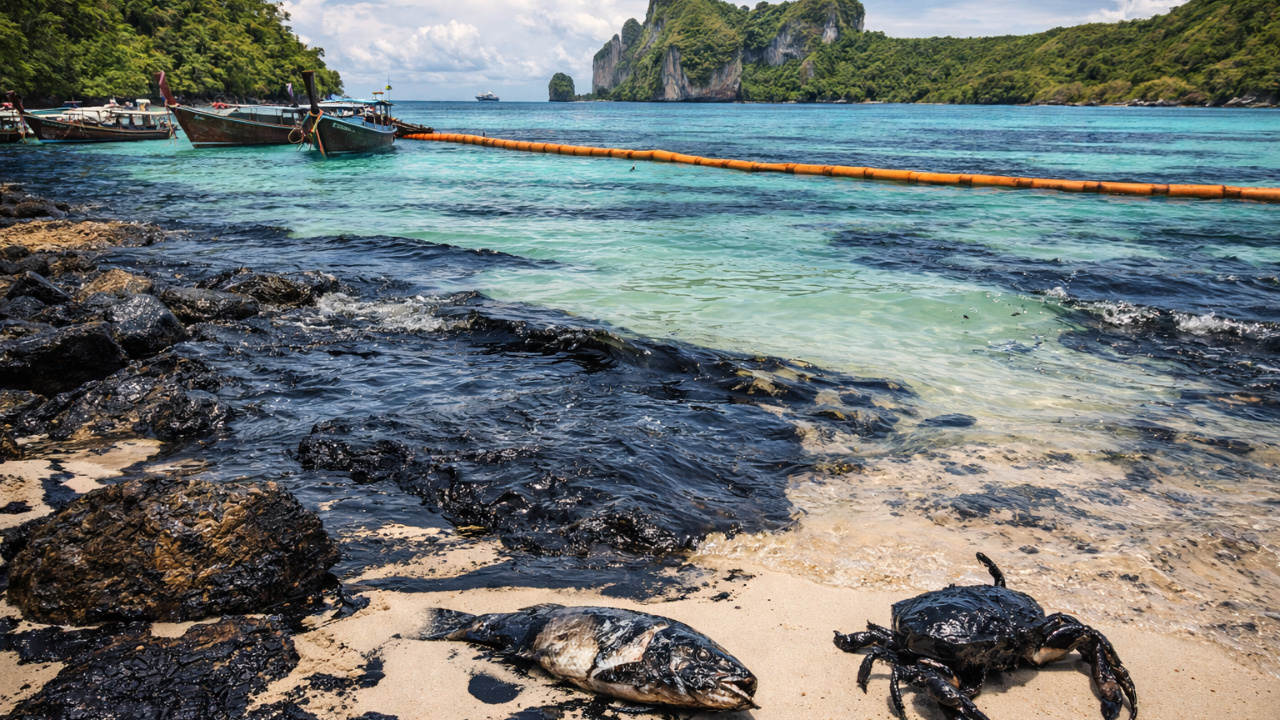

Oil Spill After Freighter Sinking Hits Famous Beaches of Thailand, Worries Authorities and Puts Tourism and Marine Life at Risk.
What used to be a postcard may be turning into an environmental headline. Two weeks after the sinking of a freighter in the Indian Ocean, the oil spill has already reached some of the most well-known beaches of Thailand.
The dark stain began to appear in tourist areas of Phuket, a destination famous for its crystal-clear waters and strong presence of foreign visitors.
Furthermore, the advance of the oil worries local authorities and residents. The situation has not yet shown significant improvement. There are concerns that the impact may widen in the coming days.
-
Qantas and Airbus Invest in Company Aiming to Convert Unsorted Household Trash into Jet Fuel

-
Brazil’s ANP Opens 86 New Oil Blocks in the Equatorial Margin, Expanding the Amazon River Mouth Frontier

-
OPEC+ Boosts Oil Supply by 188,000 Barrels per Day in July 2026, Leading to Price Drop from $112 to $89 per Barrel in Under Two Months

-
TotalEnergies Signs 20-Year Deal to Purchase 2 Million Tons of LNG from Alaska, Boosting Project Viability



How The Oil Spread And Hit Tourist Areas Of Thailand?
According to Thai authorities, the freighter Sealloyd Arc, flying the Panama flag, sank on February 7 while heading towards Chattogram, Bangladesh. As a direct consequence of the accident, about 1,700 liters of crude oil leaked into the sea.
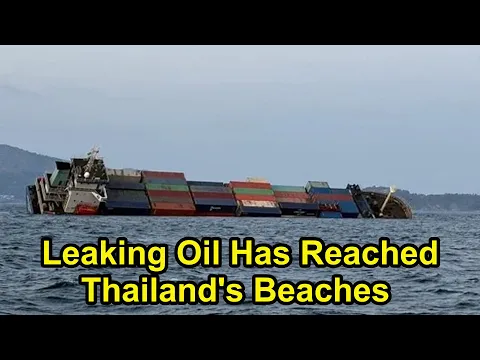

The vessel is submerged approximately 60 meters deep. This complicates the work of divers and containment teams. The greater the depth, the more complex the operation becomes.
According to Congressman Chalermpong Saengdee, the oil slick has already reached Ya Nui Beach and small islands in the province of Phuket. The oil has also reached Banana Beach, located on the island of Koh Hey, one of the most sought-after tourist spots by visitors in search of turquoise-blue sea.
Meanwhile, apprehension is growing. The parliamentarian stated that the expectation is for the slick to continue spreading. He fears that the problem will severely impact tourism, a sector essential to the local economy. In addition to the financial impact, there are concerns for marine life.
Worrying History
This is not an isolated case. Between 2017 and 2021, Thailand registered 130 oil spills, according to data from the Department of Marine and Coastal Resources. This history reinforces the warning about the environmental vulnerability of the region.
Now, faced with yet another episode, experts observe that the response time is crucial. The more the oil spreads, the greater the potential ecological and economic damage.