





 Portuguese
  English
  Spanish
  5 min of reading
  0 comments


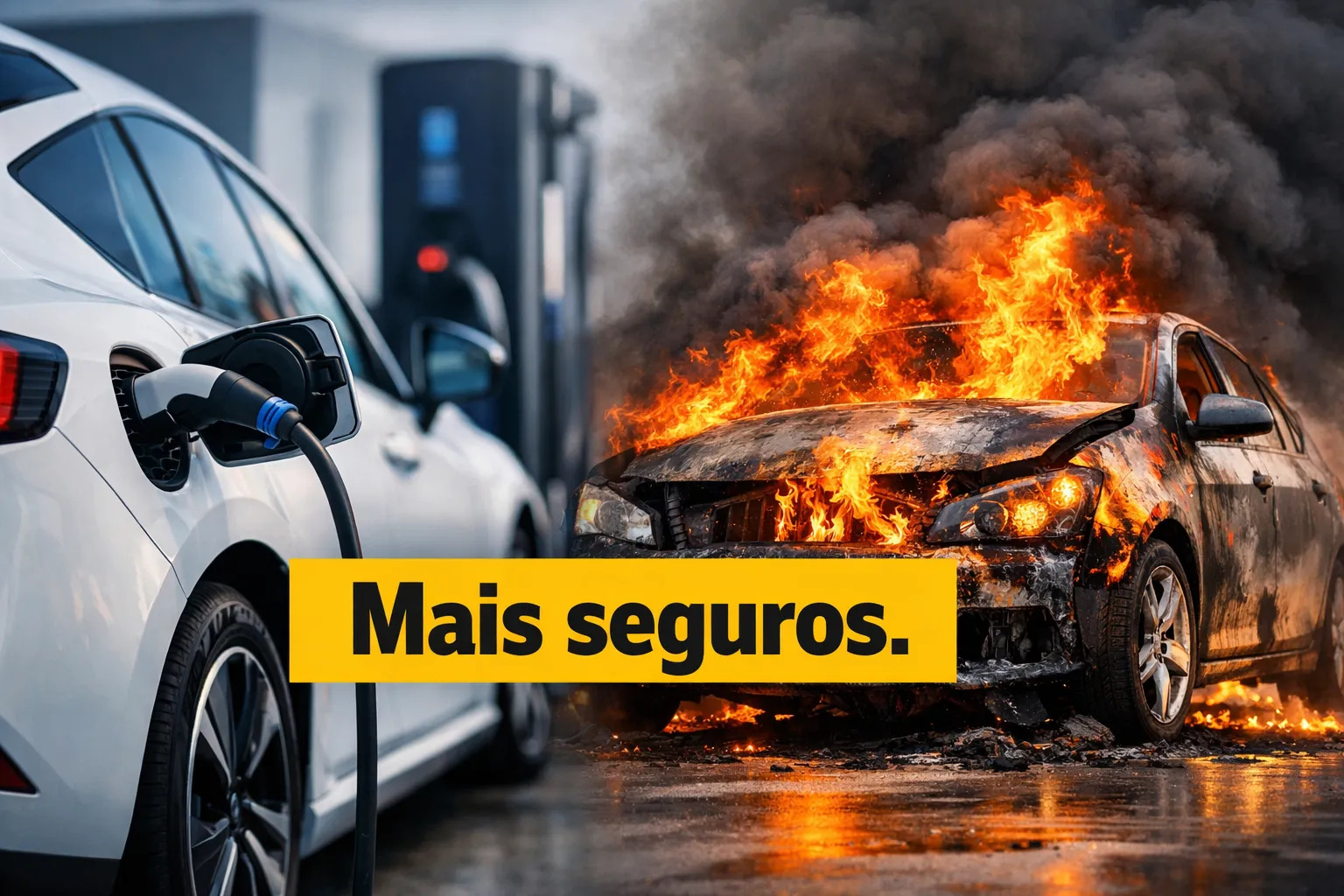
Consolidated Data From The United States, Europe, And Australia Between 2020 And 2025 Indicate That Electric Vehicles Register Fire Rates Much Lower Than Those Of Gasoline Cars, Contradicting Popular Perception And Influencing Debates On Safety, Consumption, And Public Policies
Fires in electric vehicles go viral on social media, but data from the US, Europe, and Australia indicate that these models catch fire much less frequently than gasoline cars, influencing debates on safety, consumption, and public policies.
Global Data Dismantle The Dominant Perception
After more than a decade of large-scale use, consolidated records allow for comparisons of actual fire risks among automotive technologies, revealing consistent differences between electric vehicles and internal combustion models.
In the United States, statistics compiled by transportation safety agencies and cited by the National Fire Protection Association indicate fires in combustion vehicles occur every 2 to 3 minutes.
-
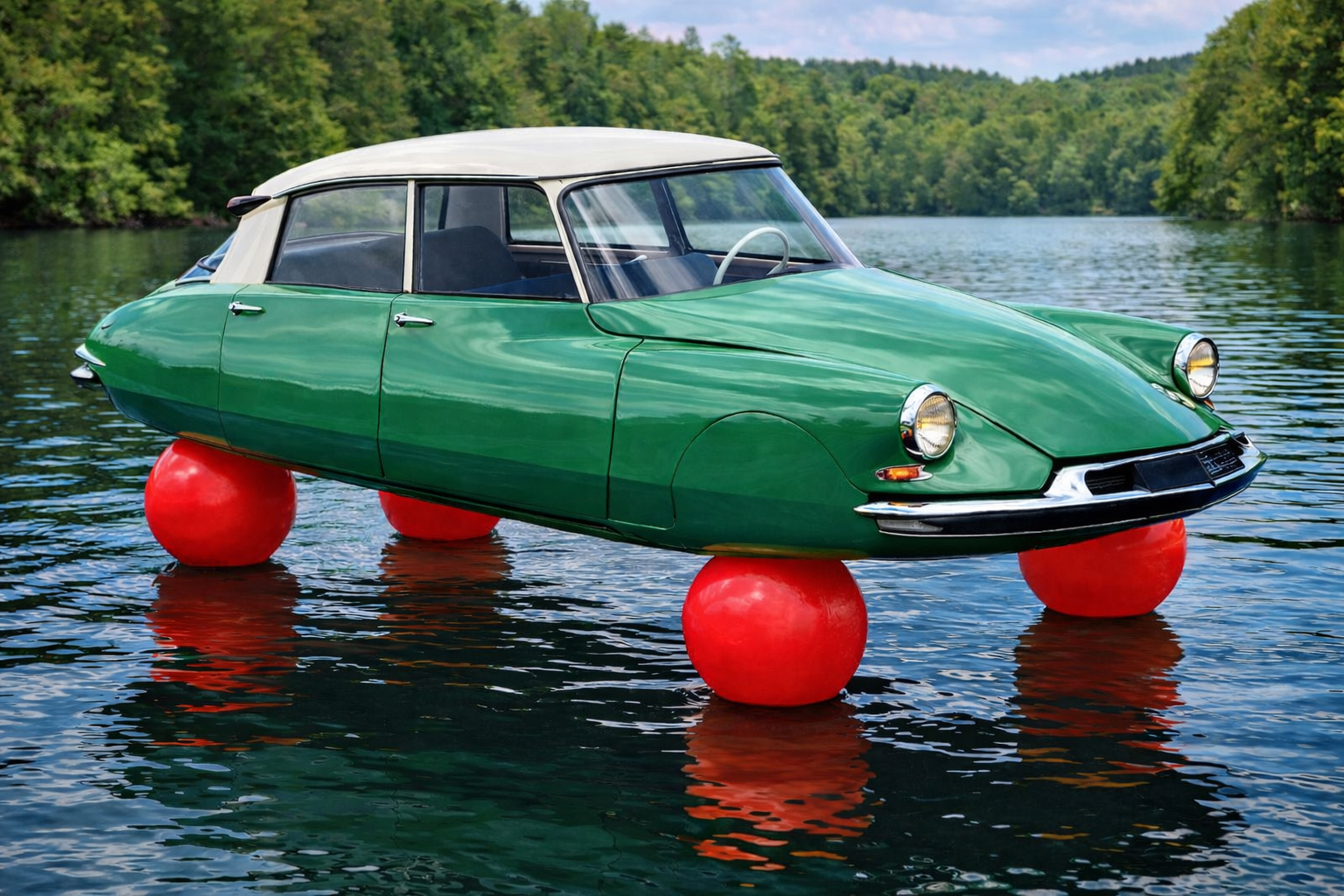
A French brand placed a car on four huge red balloons to prove that its suspension made the vehicle “float,” and the surreal scene became one of the most iconic and unusual images in automotive history.
-
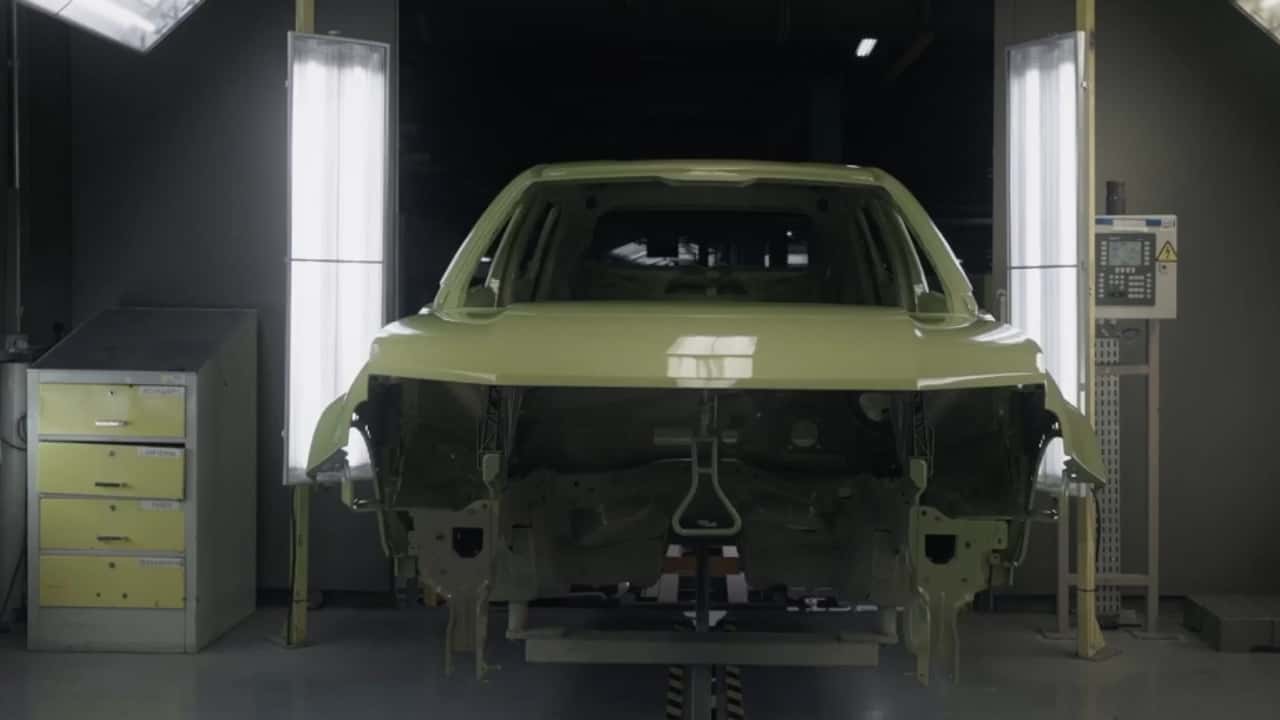
Jeep Avenger begins production in Brazil, debuting as the brand’s new entry-level SUV and inaugurating an unprecedented phase by becoming the first national Jeep manufactured outside of Goiana, as part of a R$ 3 billion plan.
-
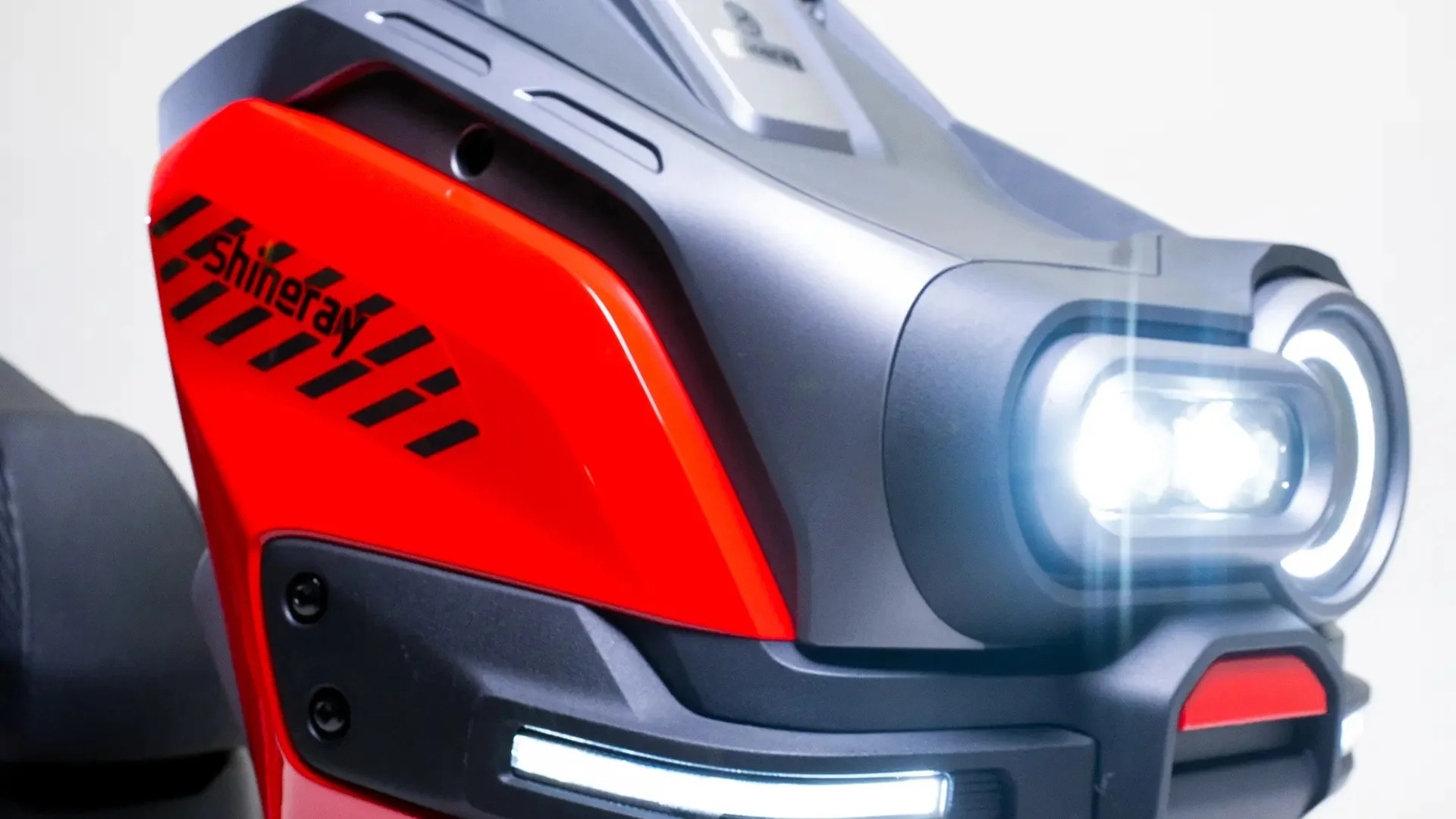
Costing R$ 12,490, the new Shineray Urban Lite 150 “cheap one” arrives in Brazil with a CVT transmission, digital dashboard, and LED lights, making it more affordable than the Biz and targeting those who want to abandon the bus.
-
Ducati brings to Brazil the Superleggera V4 Centenario: 228 hp that become 247 with a track kit, carbon fiber and carbon-ceramic brakes, estimated price between R$ 1.5 and 2 million, deliveries only in 2027.

This rate results in hundreds of thousands of annual occurrences in the country, with an overwhelming prevalence of gasoline or diesel-powered cars, according to the same surveys cited by the NFPA.
Analyses based on sales data and incident reports in the US indicate about 25 fires for every 100,000 electric vehicles sold, compared to approximately 1,500 fires per 100,000 gasoline vehicles.
The difference positions combustion models as responsible for the majority of recorded events, even in a market that has rapidly expanded the presence of electrified vehicles in recent years.
European Evidence Reinforces The Trend
In Europe, official data from the Swedish Civil Contingencies Agency show that, in 2022, there were only 23 fires among approximately 611,000 electric vehicles in circulation.
This incidence corresponds to approximately 0.004%, according to the Swedish agency, in one of the most electrified markets in the world, with high adoption of battery-powered cars.
In the same period, Sweden recorded 3,400 fires involving about 4.4 million gasoline and diesel vehicles, which equates to a rate of 0.08%.
In proportional terms, combustion vehicles presented a probability about 20 times higher of catching fire than electric vehicles, according to data published by the agency.
These European numbers align with North American statistics and expand the international comparison base for vehicle safety related to fires.
Australian Base Points To An Even Greater Difference
In Australia, the organization EV FireSafe maintains a verified global database of incidents involving electric vehicles, gathering records from different countries and operational contexts.
According to EV FireSafe, the estimated risk of fire in electric vehicles ranges from 0.001% to 0.002%, based on documented cases globally.
For gasoline and diesel vehicles, the estimate presented by the same organization is approximately 0.1%, considering fleets in circulation and available reports.
This represents a risk 50 to 100 times greater for combustion vehicles, depending on factors such as fleet age and completeness of analyzed records.
Polish Case Details The Recent Scenario
More recent data from the State Fire Service of Poland, cited by the Polish Association of New Mobility in 2025, adds granularity to the European debate.
Between 2020 and 2025, the country recorded 51,142 vehicle fires, with 50,833 involving models with internal combustion engines.
In the same interval, there were 222 fires in hybrid vehicles and only 87 occurrences involving fully electric vehicles, according to the official survey.
Even after adjustments considering the lower share of electric vehicles in the national fleet, the data do not indicate a greater propensity for these models to catch fire compared to conventional ones.
Consistency Among Different Regions
When comparing the US, European Union, and Australia, the observed trend is consistent: fires in electric vehicles are rarer than in internal combustion vehicles.
None of the analyzed data sets show statistical evidence that electric cars burn more frequently, contradicting widely held perceptions.
Still, the public narrative often suggests the opposite, influenced by isolated episodes of high visibility and massive circulation on social media.
Visibility Explains The Persistence Of The Myth
Fires in gasoline cars are routine events and occur so frequently that they rarely make national news, except when there are fatalities or significant material damage.
In contrast, fires in electric vehicles are relatively uncommon, which makes each occurrence treated as an exceptional event and widely documented.
Videos of a single electric car in flames can generate millions of views, being repeatedly shared, analyzed, and reused in different online contexts.
This coverage asymmetry creates a distorted perception, where rare events seem more frequent than they actually are, influencing consumers and political debates.
Technical Behavior Of Fires
Another notable factor is the distinct behavior of fires involving lithium-ion batteries, the core technology of modern electric vehicles.
These fires can last longer, resist conventional firefighting methods, and, in some cases, reignite after appearing to be under control, requiring specific protocols.
The prolonged scenes with firefighters, road blockages, and complex operations reinforce the impression of exceptional gravity, even when the event is statistically rare.
Viral images are also often reused out of context, sometimes incorrectly attributed to spontaneous battery failures, according to analyzed records.
Real Causes Of Fires In Electrics
The majority of fires in electric vehicles originate from damage to battery systems, not from spontaneous ignition during normal use.
Severe collisions that compromise the battery structure, internal manufacturing defects, water infiltration after flooding, or charging failures are among the cited factors.
In rare cases, these events can lead to so-called thermal runaway, when heat rapidly propagates between battery cells, making initial control difficult.
Differences In Relation To Combustion Vehicles
In gasoline cars, fires are mostly linked to fuel leaks, tank ruptures, engine overheating, or electrical failures.
The presence of highly flammable liquid fuel under pressure creates an inherent risk of continuous ignition, especially in older vehicles or high-impact collisions.
The central distinction is that fires in electrics are technically complex but infrequent, whereas fires in combustion engines are simpler but much more common.
Evaluations By Regulators And Experts
The NFPA and bodies of firefighters from the US highlight that fires in electric vehicles pose specific challenges to rescuers, especially in cooling the batteries.
At the same time, the entity emphasizes that these vehicles represent only a small fraction of the total vehicle fires recorded annually in the country.
An investigation conducted in 2023 by Battelle for the National Highway Traffic Safety Administration concluded that the propensity and severity of these fires are comparable to or slightly lower than traditional fuels.
According to the NHTSA, this conclusion has been corroborated by European transportation safety bodies and by independent researchers analyzing post-accident fires.
Data Surpass Narratives
Electric vehicles are not immune to fires, but available numbers indicate that they burn less than gasoline cars, sometimes by differences exceeding ten times.
The myth persists due to the combination of visual impact, statistical rarity, and disproportionate coverage, not by a higher actual frequency of these events in the global fleet.
With data accumulated over years and across multiple regions, empirical evidence is no longer ambiguous, despite public perception still resisting the numbers.










-

-

2 pessoas reagiram a isso.