





 Portuguese
  English
  Spanish
  4 min of reading
  0 comments


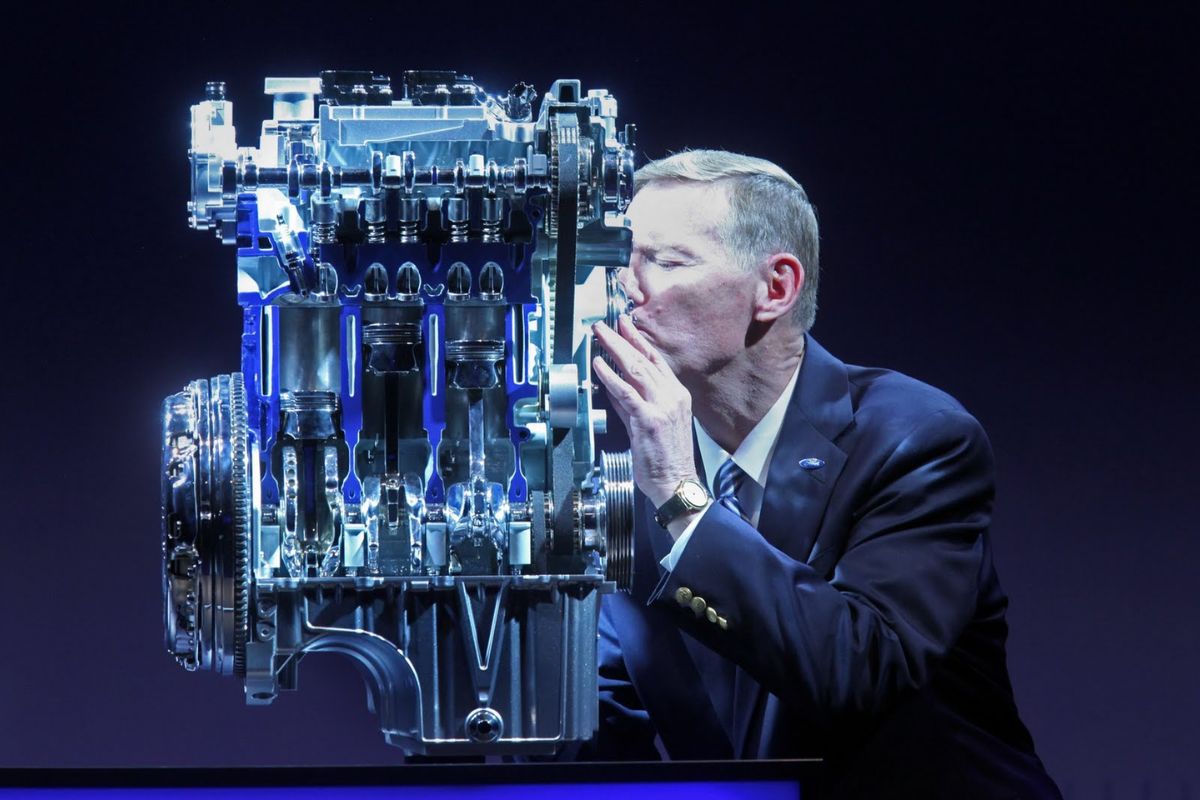
The Acclaimed 3 Cylinder 1.0 EcoBoost Engine, Which Equipped the New Fiesta from 2016 to 2019, Hides a Chronic Failure in Its Timing Belt That Can Lead to Total Engine Loss, Resulting in Huge Losses for Owners.
Introduced to the market in 2012, the Ford 1.0 EcoBoost engine was a revolution. Internationally awarded 11 times, this 3-cylinder engine from Ford promised the power of a 1.6 engine with the fuel economy of a 1.0, thanks to turbocharging and direct injection. In Brazil, it arrived to equip the New Fiesta between 2016 and 2019, surrounded by expectations.
However, the promise of modernity quickly turned into a nightmare for many owners. A design flaw in its innovative oil-saturated timing belt proved catastrophic, causing overheating and total engine loss. What was supposed to be a technological asset gained the infamous reputation of being a “time bomb”.
The Promise of an Award-Winning Engine: How the 1.0 EcoBoost Conquered the World
The success of the Ford 1.0 EcoBoost was global and immediate. Soon after its launch in 2012, it began to accumulate “International Engine of the Year” awards.
-
Italian researchers have detected what appears to be a second Sphinx buried under the sands of Egypt, and satellite scans reveal a gigantic underground megastructure hidden beneath the Giza Plateau for over 3,000 years.

-
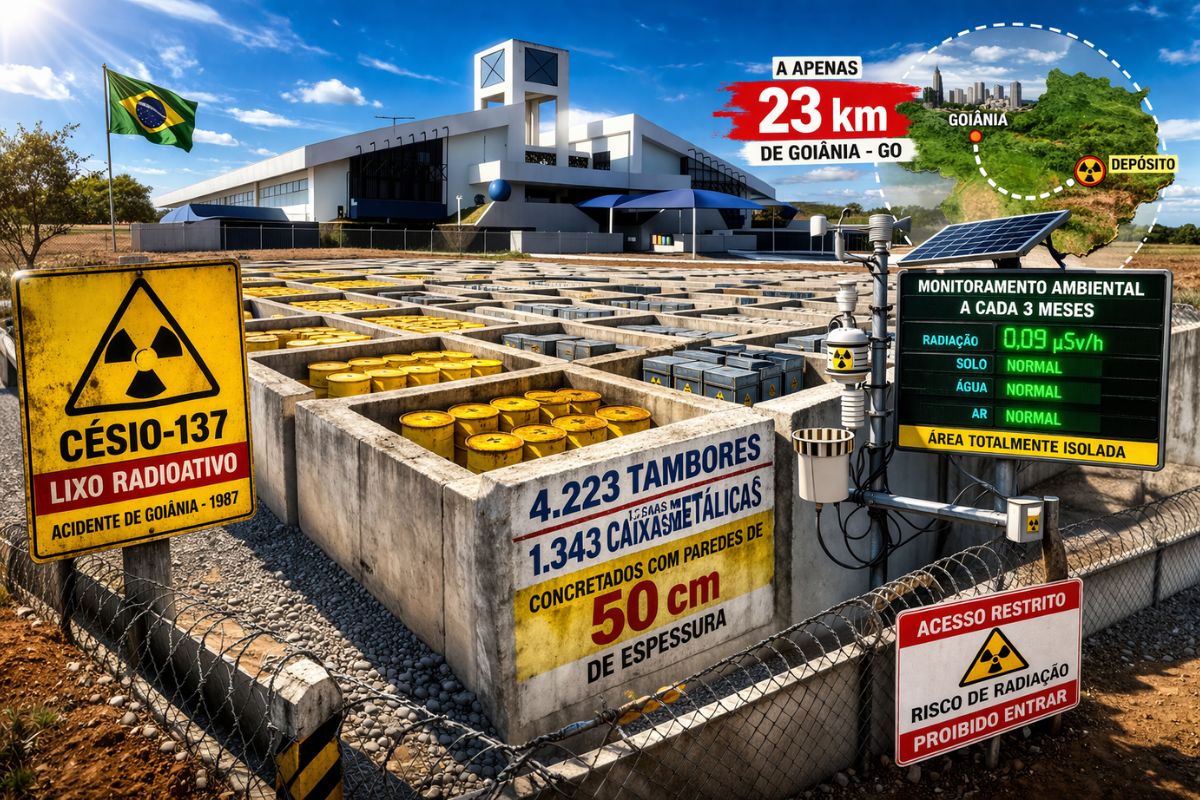
There are 4,223 drums and 1,343 metal boxes concreted with 50-centimeter walls that store the radioactive waste from Cesium-137 in the worst radiological accident in Brazil, just 23 kilometers from Goiânia, with environmental monitoring every three months.
-
Giant Roman treasure found at the bottom of Lake Neuchâtel in Switzerland reveals an advanced trade system, circulation of goods, and armed escort in the Roman Empire about two thousand years ago.

-
He buried 1,200 old tires in the walls to build his own self-sufficient house in the mountains with glass bottles, rainwater, and an integrated greenhouse.


The acclaim was due to its advanced engineering, which combined a compact three-cylinder design with cutting-edge technologies.
It was named the “Best Engine Under 1.0 Liter” for six consecutive years, from 2012 to 2017, a remarkable achievement.
The promise was to deliver performance, low fuel consumption, and smooth and quiet operation, characteristics that made it a global reference in small displacement engines.
The Technology of the Oil-Saturated Timing Belt in the 3 Cylinder Engine
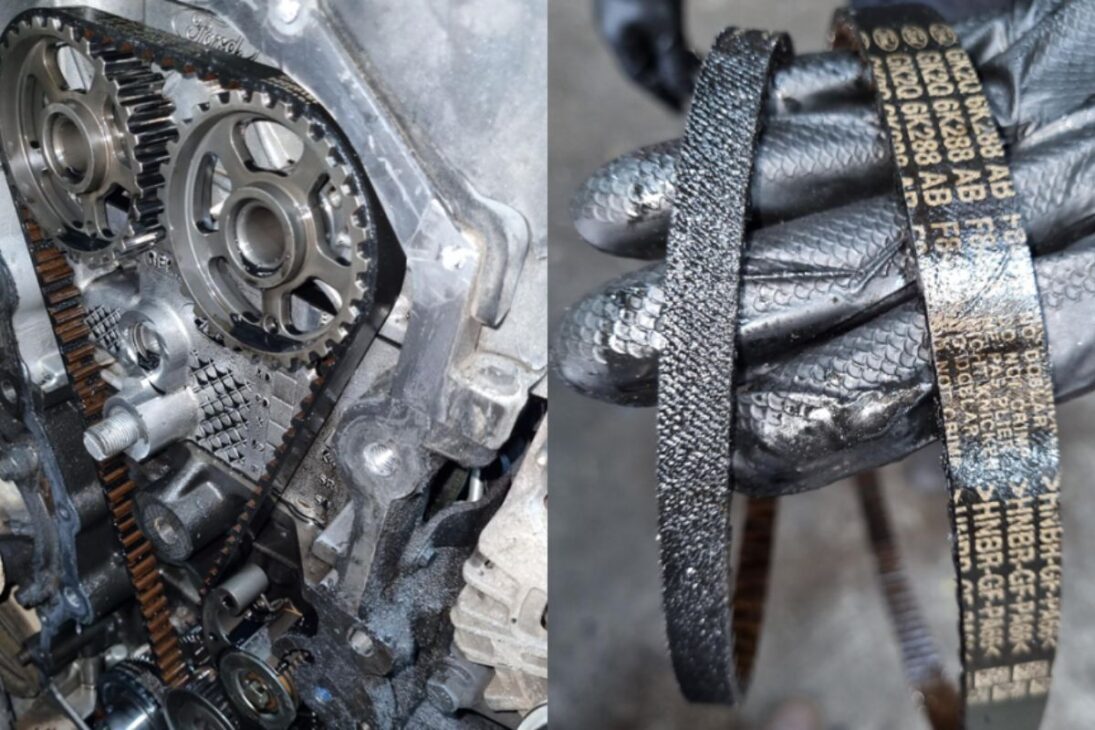
To achieve efficiency and quiet operation, Ford relied on an innovative technology: the oil-saturated timing belt (or “wet belt”).
The theory was to combine the best of both worlds: the lightness of a belt with the durability of a metal chain, as constant lubrication would protect it from wear.
Ford designed this belt for impressive durability, which could reach 240,000 km or 15 years of use.
What seemed like a brilliant solution, however, concealed a fatal vulnerability: the belt was extremely sensitive to the chemical composition of the engine oil. Any deviation from the specification could initiate a degradation process.
The Chronic Problem: How the Timing Belt of Ford’s 3 Cylinder Engine Breaks Down and Destroys the Engine
The central issue with the 3-cylinder engine from Ford in the New Fiesta (2016-2019) is the premature degradation of the oil-saturated timing belt.
When the oil used does not meet Ford’s exact specification, it chemically attacks the material of the belt, causing it to crumble.
From there, the failure happens in succession:
Contamination: small fragments of the belt detach and contaminate the engine oil.
Obstruction: these debris are sucked into the system and clog the oil pump’s strainer, preventing the passage of lubricant.
Lubrication Failure: without circulating oil, system pressure drops drastically. A low oil pressure warning may light up on the dashboard.
Overheating and Total Loss: without lubrication, friction between metal parts generates extreme heat, leading to overheating and, ultimately, the “death” of the engine, which literally “seizes up”.
The Specific Oil That Became a Matter of Survival

The survival of the 3 Cylinder 1.0 EcoBoost engine depends on a non-negotiable rule: only use the SAE 5W-20 lubricant oil that meets the Ford WSS-M2C948-B standard.
This is not merely a recommendation but a technical requirement. Any other oil, even with the same viscosity, may lack the necessary additives to protect the belt.
An error in the oil change, performed due to the owner’s or workshop’s lack of knowledge, is the primary cause of the problem.
Given the seriousness of the failure, many experts and owners recommend, as a precaution, to change the belt early at around 50,000 to 70,000 km, ignoring the long-term interval stipulated in the manual.
Repair Costs and the Devaluation of the New Fiesta EcoBoost
For affected owners, the financial impact was devastating. A complete repair of a seized engine is extremely expensive, easily exceeding R$ 15,000. In many cases, the repair cost approached the market value of the car itself, making it economically unfeasible.
This negative reputation directly impacted the used market. The New Fiesta equipped with this 3-cylinder engine from Ford experienced significant devaluation. Many dealers avoid the model, and those who accept it do so by offering values well below the table.
The apparent lack of a specific recall in Brazil for this failure, unlike what happened in the USA for similar problems in other EcoBoost models, left many Brazilian consumers unprotected.









Seja o primeiro a reagir!