





 English
  Francês
  Alemão
  Italiano
  Japonês
  Norueguês
  Portuguese
  Spanish
  3 min of reading



The Sale of 37.5% in Brazil’s Largest Fuel Distributor Confirms That the New CEO Is Aligned with Petrobras’ Divestments
The Brazilian oil giant plans to divest its remaining stake in the BR Distribuidora service station network later this year, and the deal could fill Petrobras’ “piggy bank” with US$ 1.5 billion, equivalent to more than 8 billion reais, three sources informed Reuters.
Read Also
- Gasoline, Ethanol, and Diesel Prices Keep Rising, Lawmakers Refuse to Change ICMS Amid Price Surge, and Petrobras ‘Foots the Bill’
- Just Like Volkswagen’s Iconic Kombi, New Legislation Will Make the Uno, Doblo, and Grand Siena Disappear This Year
- Canada Is Recruiting Brazilians to Fill Many Job Openings, and There Is No Age Limit for Applicants
- Raízen, a Global Leader in Ethanol Production, Profits More from Using the Shell Brand in Its Fuel Distribution Outlets
- 105 Job Openings at Multinational Ambev, the World’s Largest Brewery, Today, May 21
- Petrobras President and Macaé Mayor Meet to Discuss Job Creation and Investment in Ports, Construction of Thermoelectric Plants, and Airport Expansion in the City
After rumors circulated online, Petrobras informed the market last night that “the timing of the offer” to sell its stake in BR Distribuidora has not yet been determined. The statement emphasizes that the sale of its remaining 37.5% stake will be conducted through a secondary offering of shares (follow-on), as announced on August 26 last year.
Petrobras also states that the operation is subject to approval by the company’s internal bodies, the Securities and Exchange Commission (CVM), and other regulatory authorities.
-
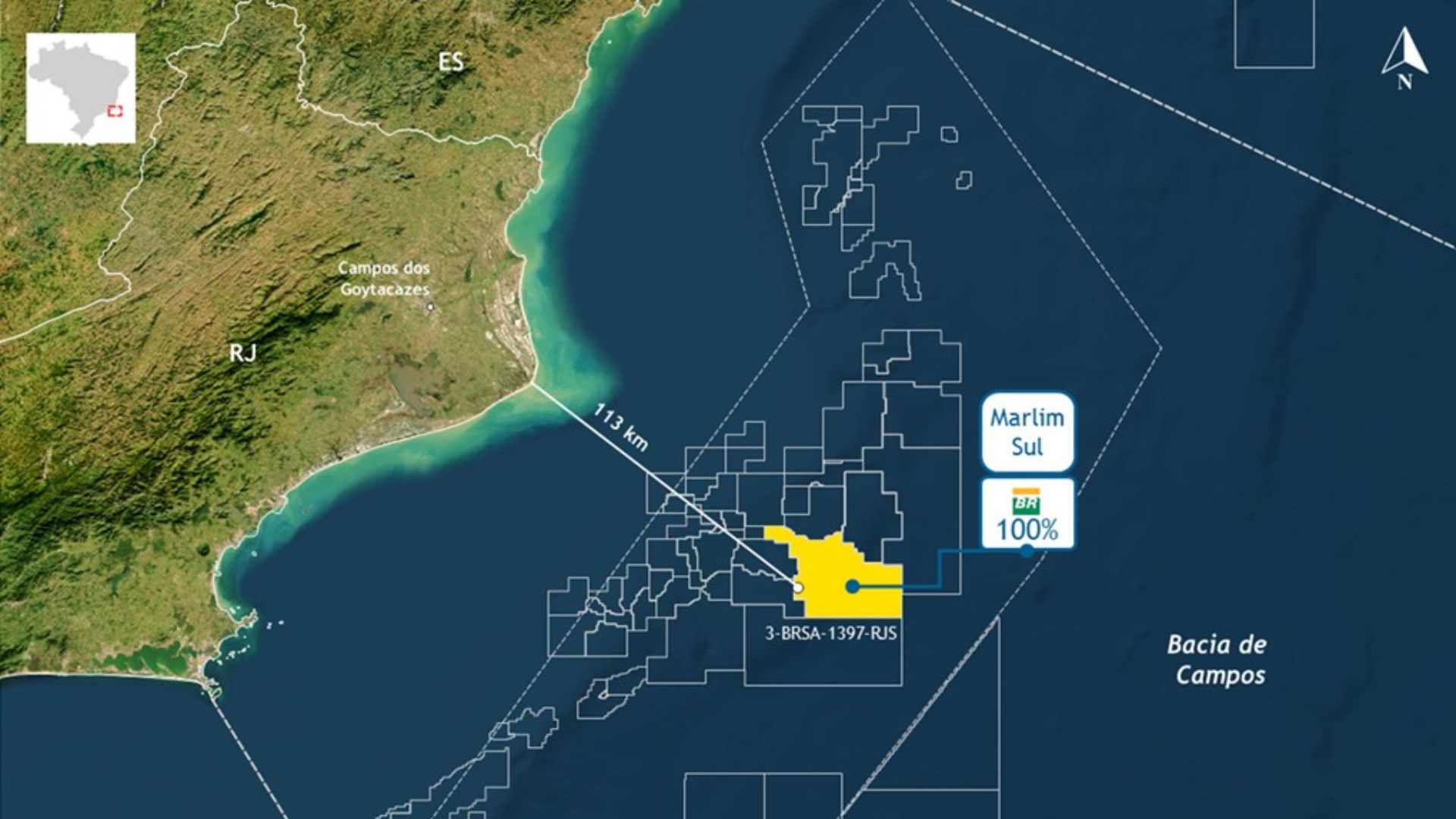
Petrobras finds high-quality oil in the pre-salt at 113 km from RJ and reignites expectations about strategic reserves in the Campos Basin.

-
Ocyan opens registrations for startups focused on innovation in the oil and gas sector and will select projects for Innovation Day with the support of Nexio.

-
Petrobras announces new oil discovery in the pre-salt of the Campos Basin and reinforces Brazil’s prominence with high-quality reserves that can increase production and energy revenues.
-
Alert in the fuel market: Analysts and a former director of ANP warn that oil prices may worsen in the coming months due to global instability.


Sources told Reuters that the company is considering selling its remaining stake in BR this year for about R$ 8 billion.
The complete sale of the stake in BR — with the potential to be one of the largest sales of the year, and the pricing policy that follows parity but avoids transferring oil market volatility to domestic fuel prices, are some of the issues receiving attention from Petrobras’ new president, Joaquim Silva e Luna, who this week marked one month at the helm of the company.
This Would Be the Third Largest Share Sale of BR Distribuidora
“BR is a big business, and today (that part of Petrobras) is worth over 10 billion reais,” said a third source to Reuters. According to this person, it “makes total sense” to sell because the stock has already surpassed 25 reais, compared to an all-time high of nearly 28 reais in February 2020.
“Petrobras’ debt is in dollars, and the dollar is falling. So, if you want to pay more dollars, it’s better to sell now that BR has reached one of its highest real values and has the opportunity to sell and convert to a higher dollar value because the exchange rate has dropped,” they added.
Petrobras’ net debt was US$ 58.4 billion at the end of March, down from US$ 63.2 billion the previous year. At the end of last year, while disclosing new information on divestments, the state-owned company increased its asset sale target to US$ 35 billion by 2025, including BR and the petrochemical Braskem in the program.
Petrobras Defines New Strategy for Fuel Prices to Control Price Swings in Gasoline and Diesel
Petrobras is already quietly adopting a new strategy for gasoline and diesel pricing. It has not abandoned price parity; it just wants to avoid the fluctuations in fuel prices that characterized the previous administration under economist Roberto Castello Branco.
The current president of the company, Joaquim Silva e Luna, who has been leading the company for a month, has asked the technical areas of the state-owned company to closely monitor movements in the dollar and the price of oil before recommending an adjustment up or down in the price of diesel and gasoline.
The idea is that increases or decreases will only occur if there is structural justification and cannot be based on cyclical movements. The understanding is that this fluctuation creates a lot of confusion, and moreover, increases are always passed on quickly and fully — unlike what happens with decreases in diesel and gasoline prices.










Seja o primeiro a reagir!