





 English
  Francês
  Alemão
  Italiano
  Japonês
  Norueguês
  Portuguese
  Spanish
  2 min of reading


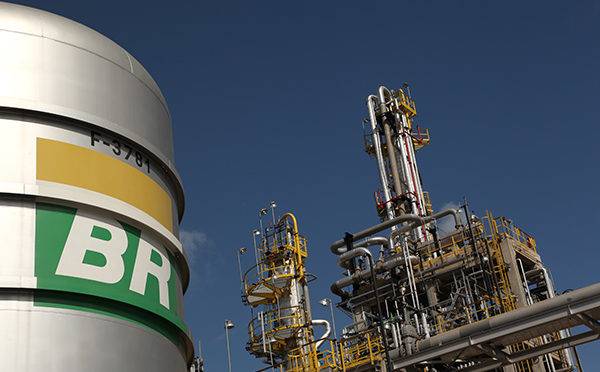
Leggio’s Studies Indicate That Petrobras Refinery Sales Are Insufficient to Generate Competition in the Oil and Gas Market, May Be Further Than Expected
Last year, Petrobras initiated the sale of its stake in eight refineries. However, the idea of market competition in the oil and gas sector may be further from reality than imagined. A study conducted by Leggio states that the sale is not sufficient to generate competition in this market.
You May Be Interested In:
- 11 Thousand Job Openings for Expansion Works at Bracell Factory Secured After Intense Negotiations in Davos
- Global Leader in the Pulp and Paper Market, Suzano Opens Massive Selection Process for Various Regions of Brazil
- Icon Energy Requests Professionals for Job Openings in Rio Grande do Norte
The study states that this will only happen if there is an expansion of infrastructure for the movement of fuels through pipelines, railways, and ports, as only then can the products produced by the refineries reach consumer regions.
-
Expansion of Federal Institutes: 38 new campuses and R$ 200 million for public education; see the cities included.

-
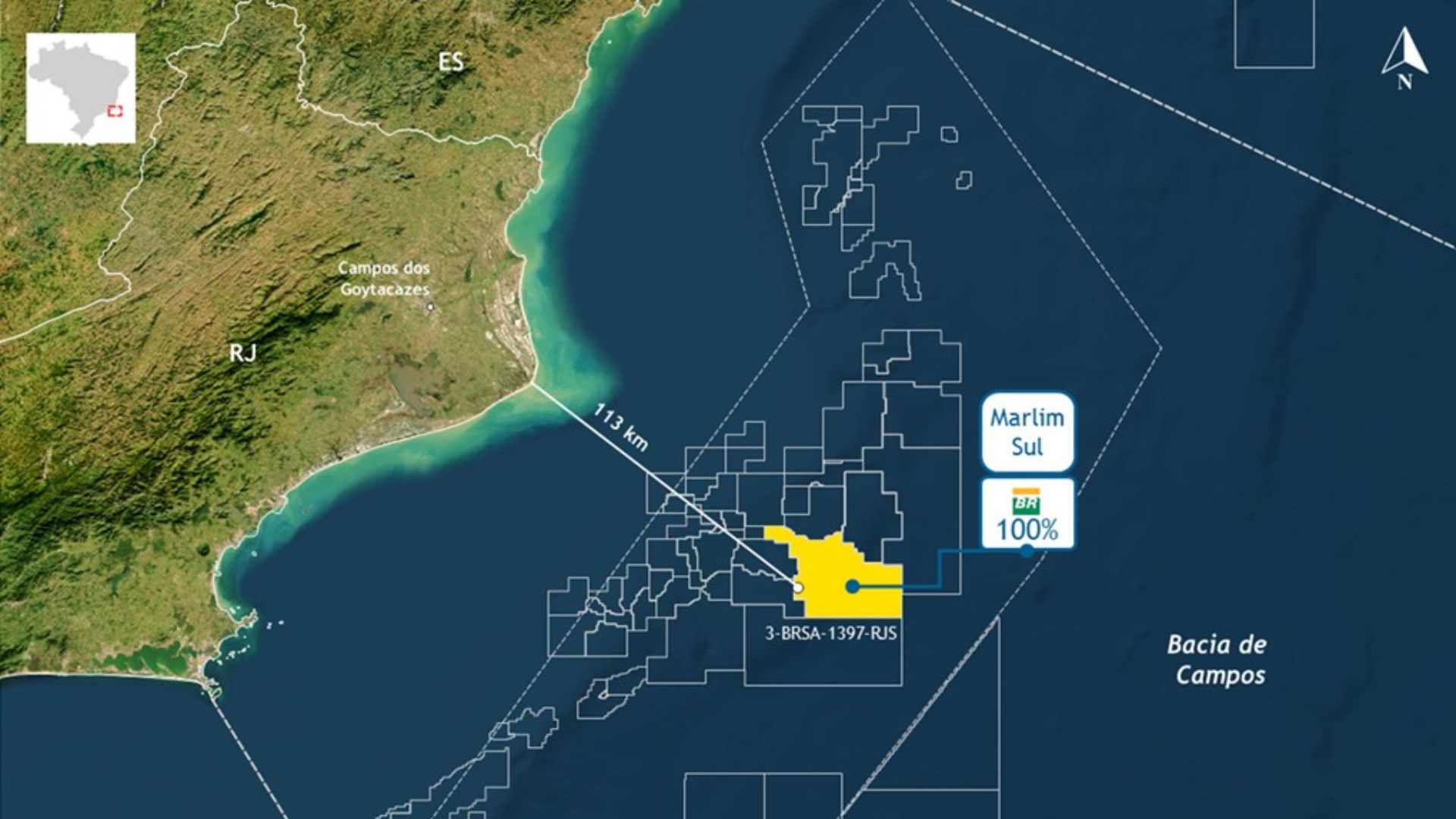
Petrobras announces new oil discovery in the pre-salt of the Campos Basin and reinforces Brazil’s prominence with high-quality reserves that can increase production and energy revenues.
-
Alert in the fuel market: Analysts and a former director of ANP warn that oil prices may worsen in the coming months due to global instability.
-
Lula’s government changes rule in important benefit and thousands of Brazilians will no longer receive it; see what has changed.


The Petrobras, when it built the eight refineries currently for sale, did not design them to compete with each other, as they are located kilometers apart. Therefore, for the product to be distributed throughout the country, optimization of the country’s infrastructure would also be necessary.
For example, in Bahia, the throughput capacity of the Aratu port terminal represents only 5% of the production volume of the refinery being sold, RLAM, which limits competition with other products from different origins in this market. In Rio Grande do Sul, there is the same dilemma. The Port of Rio Grande is far from the Refap refinery, and there are no terminals in the northern coast of the state or southern Santa Catarina.
To address issues like these, the alternative for competition would be the transport of fuel from other refineries through highways, although limited by cost.
Increasing cabotage transport, expanding port infrastructure, and internationalizing products via pipelines and railways are fundamental aspects according to the conducted study.
Additionally, another important point would be the expansion of the “BR do Mar” program, which currently focuses on container transport, with specific measures to reduce cabotage costs for liquid bulk, whether fuels or chemicals.








Seja o primeiro a reagir!