





 Portuguese
  English
  Spanish
  3 min of reading


Law Promulgated By Congress, Besides Liberating Direct Sales of Ethanol to Fuel Stations, Advances on Taxation Rules
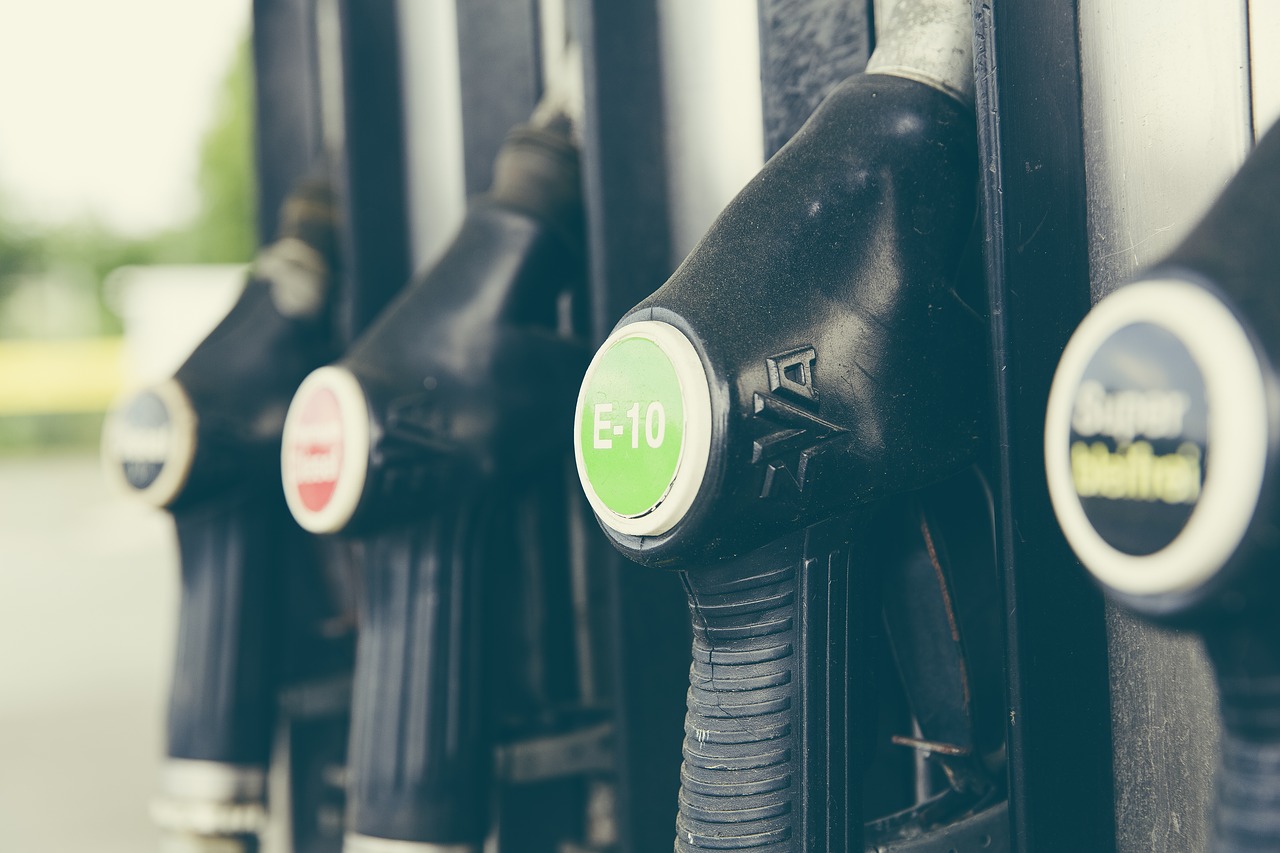
It was promulgated by the National Congress, last Tuesday (the 14th), Law 14,357, which authorizes the direct sale of hydrated ethanol by producers and importers of the product to fuel stations. The Law originates from Provisional Measure 1,100, which was presented to Congress by the federal government and approved without any alterations, thereby, promulgated.
The act not only liberates the direct sale of ethanol to fuel stations but also establishes modifications to the taxation of PIS/Pasep on the production and commercialization chain of hydrated ethanol fuel. Now, the burdens of contributions applicable in the ethanol chain are the same, whether in the condition of direct sale from the producer to the merchant or in the case of commercialization intermediated by a distributor. The text was published in the Official Gazette of the Union on this Wednesday, the 15th.
In September of last year, Congress had already granted approval to a Provisional Measure concerning the same issue; however, the President of the Republic, Jair Bolsonaro, vetoed the articles that dealt with the direct sale of ethanol at fuel stations. This was because, according to him, the inclusion of cooperatives in this measure could lead to undue tax exemption.
-
A new Brazilian shopping center worth R$ 400 million will be built in an area equivalent to more than 4 football fields, featuring 90 stores, 5 cinemas, a supermarket, a college, and parking for 1,700 cars, potentially generating 3,000 jobs.

-
Larger than entire cities in Brazil: BYD is building a 4.6 km² complex in Bahia with a capacity for 600,000 vehicles per year, but the discovery of 163 workers in conditions analogous to slavery has shaken the entire project.

-
With an investment of R$ 612 million, a capacity to process 1.2 million liters of milk per day, Piracanjuba inaugurates a mega cheese factory that increases national production, reduces dependence on imports, and repositions Brazil on the global dairy map.

-
Offshore industrial demand in Macaé skyrockets with the recovery of oil and gas and could grow by up to 396% by 2026 in the Campos Basin.
Direct Sales Were Also Authorized By ANP
Despite the president’s actions, direct sales had already been authorized by the National Agency of Petroleum, Natural Gas and Biofuels (ANP). However, a legal authorization was sought by the sector, as this way the permission would become more consistent and generate less insecurity. The new law revives points that were vetoed.
According to the text approved by Congress, the trading company and the importer of hydrated ethanol fuel are authorized to market the product with the distributor agent; external market; reseller-retailer transporter; and fuel retail reseller. Additionally, the marketing of the product with the cooperatives of hydrated ethanol production is also allowed.
For Eduardo Velloso (União-AC) – rapporteur of the measure in the Senate – the law paves the way for controlling the increase in fuel prices. He states that the act aims to enhance economic efficiency by eliminating the obligation for commercial transactions to go through a distributor in interactions between producers and importers or resellers and exporters.
The rapporteur concludes that, consequently, opportunities for reorganization of production chains are opened, with the possibility of reducing the price of ethanol for the final consumer.
Check Out This Article As Well:
In Order to Contain Rising Fuel Prices, a PEC Was Approved Yesterday (06/14) by the Senate to Maintain Competitiveness and the Differentiation of the Tax Burden of Ethanol Compared to Gasoline
Unanimously, the Senate approved yesterday (06/14) the Proposed Amendment to the Constitution (PEC) 15/2022, which stimulates the competitiveness of biofuels compared to fossil competitors and aims to maintain the differentiation of the tax burden of ethanol compared to gasoline. The text maintains benefits for clean energy sources for at least 20 years.
The PEC is part of a package of projects aimed at containing the rise in fuel prices. On Monday (06/13), the Senate approved the project that sets a ceiling of 17% for ICMS on fuels, electricity, and telecommunications and public transport services (PLP 18/2022).
Initiated by Senator Fernando Bezerra Coelho (MDB-PE), PEC 15/2022 provides for the creation of “a favored tax regime for biofuels,” which will be defined in a complementary law to be approved by Congress. According to the PEC, the rates on renewable sources should be lower than those set for fossil fuels.
For more information, click this link and read the full news.








Seja o primeiro a reagir!