





 Portuguese
  English
  Spanish
  4 min of reading


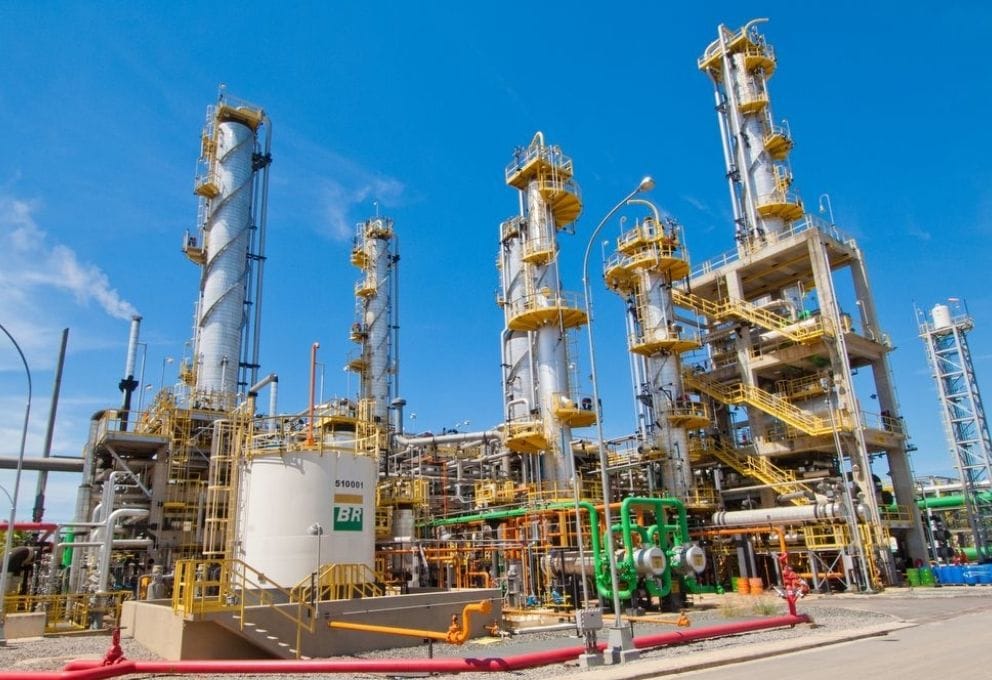
The Deadlines For The Sale Contracts Of Petrobras Refineries Defined By Cade Are Less Than A Month From The Established Deadlines.
Less than a month from the first deadline established by Cade (Administrative Council for Economic Defense) for the sale of its refineries, Petrobras has suspended negotiations for three of the eight units included in its divestment plan. For analysts and industry executives, the fear of intervention generated by the recurring statements from the government and its allies amid rising prices is complicating discussions and may delay the process of opening the refining segment until after the 2022 elections. Also read this news: Petrobras Studies Possibility Of Raising Fuel Prices At Refineries Again
- Honda Restricts Its Investments In Electric Cars To China, Leaving Brazil And The USA Out
- Renault Plans To Launch Electric Version Of The Kwid In The Country To Replace The JAC E-JS1 And Become The Cheapest Electric Car In Brazil
- Federal Government Develops Plan To Try To Contain Fuel Price Increase And Freeze Values
- Generation Z Shows No Interest In Working In The IT Market, And Brazilian Companies Are Seeking Professionals From Other Countries To Fill Positions.
- New Bioxxi Factory In Recife Opens 350 Job Vacancies For Nursing Technicians, Nurses, Machine Operators, And General Services.
The State Company Continues With Plans To Sell The Refineries
Petrobras states that it is “fully committed” to the sale of eight refineries, which represent about 50% of Brazil’s fuel production capacity, but internally it is already known that the current deadlines will not be met. A month ago, the company’s Exploration and Production Director, Fernando Borges, admitted in a virtual event that the risk of political interference complicates investments in refining in the country. However, the company preferred not to comment on the matter.
The plan to sell eight refineries was announced in June 2019 as part of an agreement with Cade to end a process of economic power abuse in the fuel market. The talks were delayed by the pandemic, leading to an extension of the schedule. Initially, the expectation was that all negotiations would be concluded, with payments already made, by the end of 2021. Now, Petrobras has until the end of October to sign contracts for five units and until December to sign the contract for one more.
-
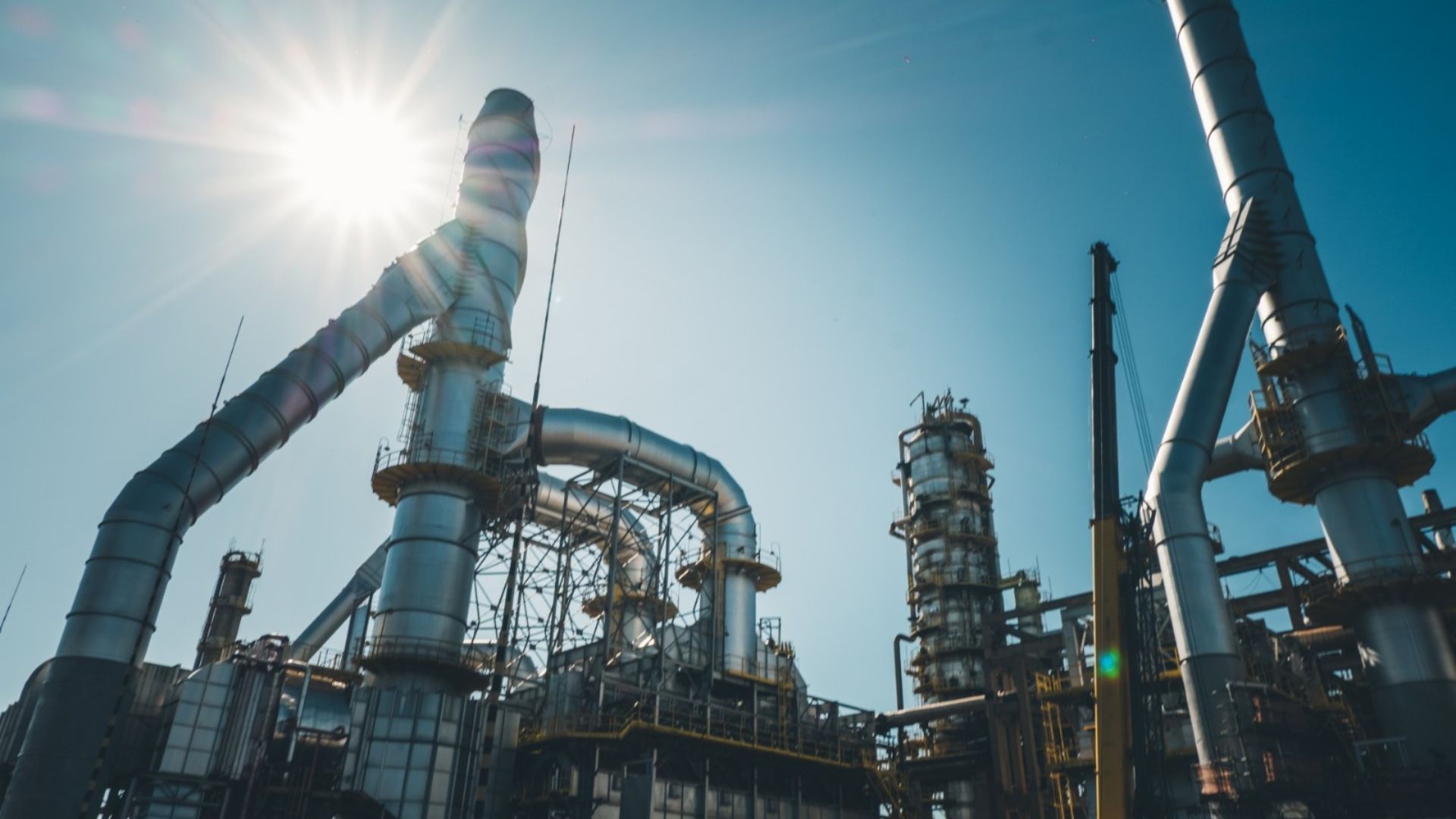
Petrobras Expands Refining in Brazil, Increases Production of Diesel S-10 and Gasoline, Enhances Operational Efficiency, and Reduces Import Dependence Between 2023 and 2025
-
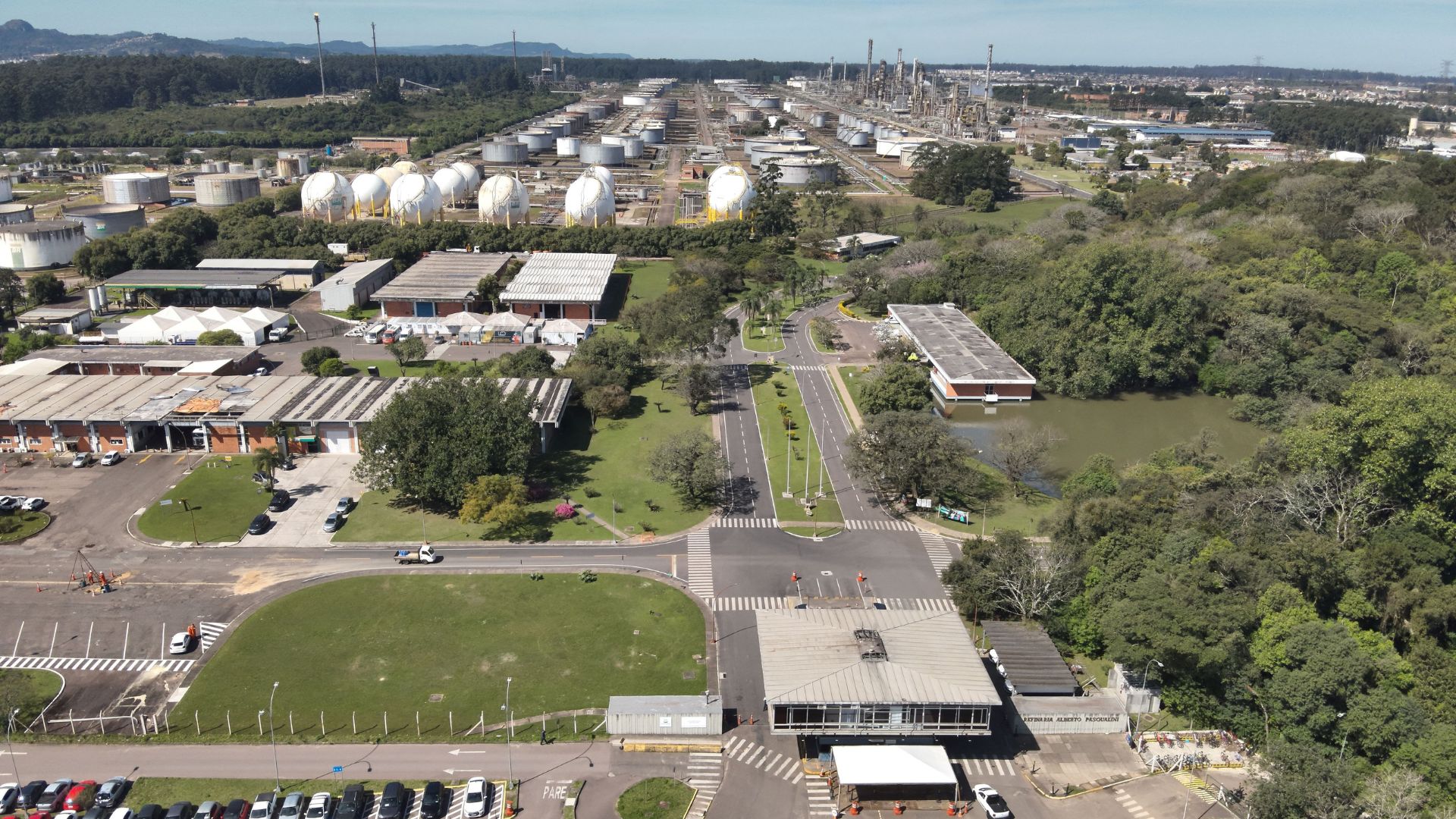
Petrobras’ Refap Sets Historic Records for Gasoline and S-10 Diesel Production in Canoas in Q4 2025, Surpassing Previous Figures
-
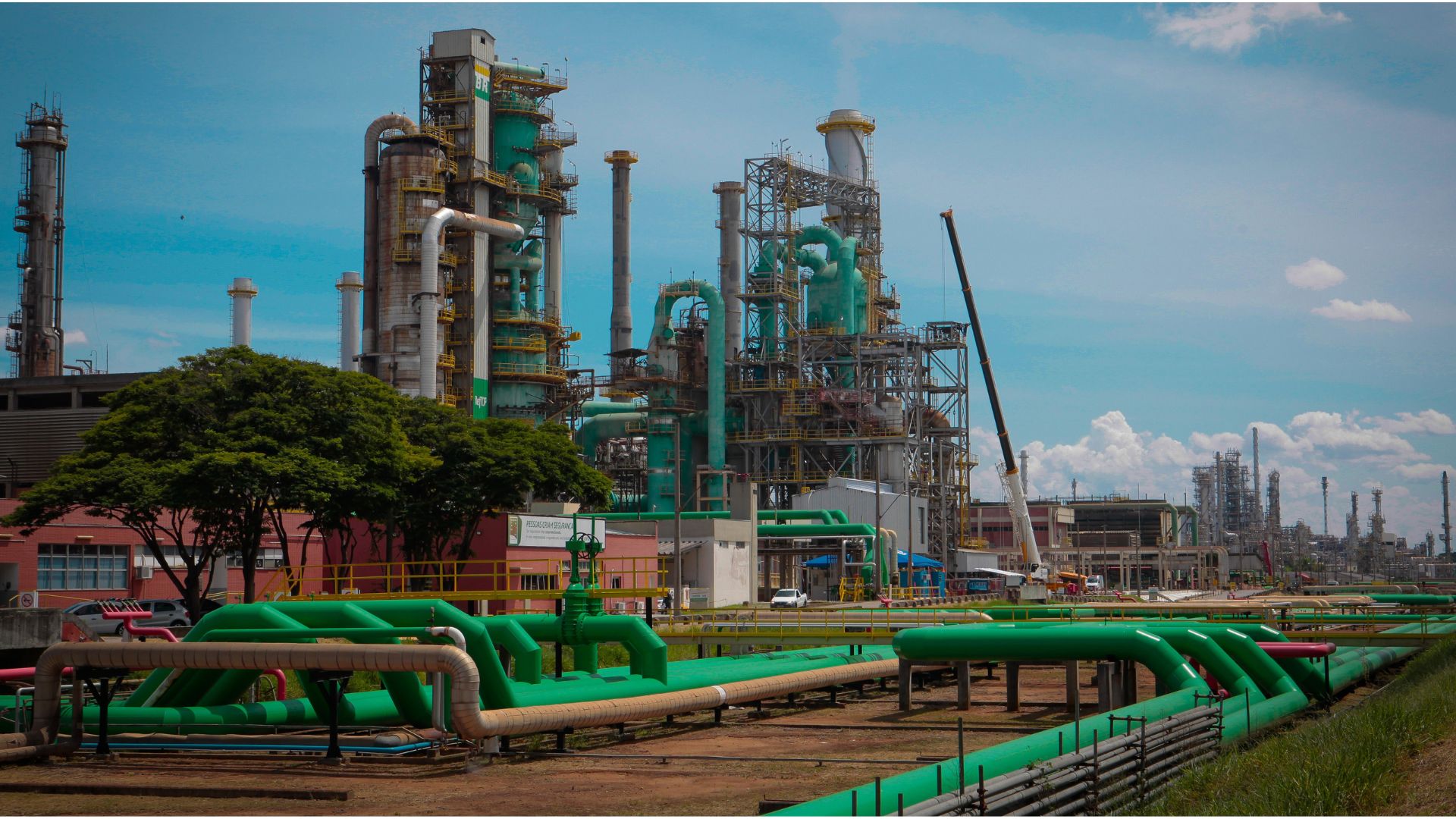
Revap Starts Operation of Modernized HDT and Petrobras Expands S-10 Diesel Production by 80% at the Refinery, Boosting Supply of Less Polluting Fuel in Brazil
-
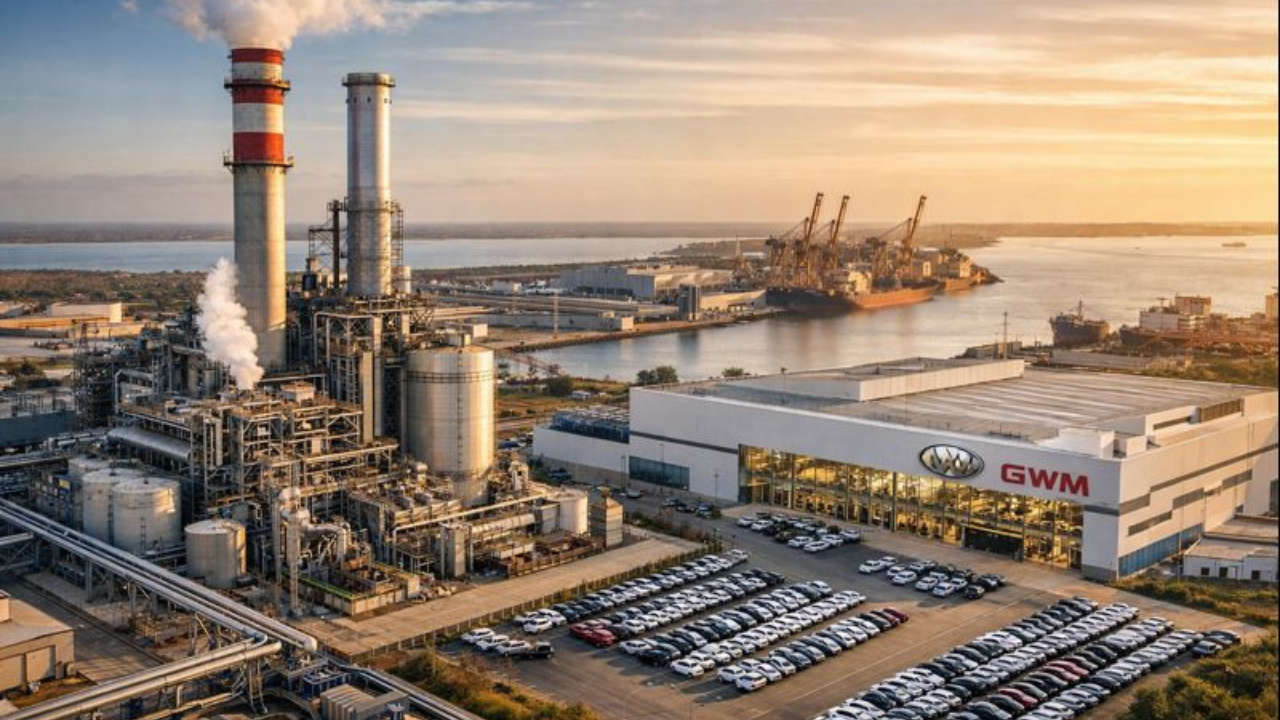
Thermal Power Plant in Rio Grande do Sul Is Key to Attracting GWM
Two others have already been sold: the Landulpho Alves Refinery in Bahia was purchased by the Arab fund Mubadala; and the Isaac Sabá Refinery in Amazonas was bought by the fuel distributor Atem.
Petrobras says it is continuing negotiations for the sale of the Gabriel Passos Refinery in Minas Gerais, the Lubricants and Oil Derivatives of the Northeast in Ceará, and the Shale Industrialization Unit in Paraná. However, this year it suspended talks involving the Abreu e Lima Refinery in Pernambuco, the Getúlio Vargas Refinery in Paraná, and the Alberto Pasqualini Refinery in Rio Grande do Sul. All three have a final deadline for contract signing at the end of the month.
Offers That Petrobras Has Already Received
The Abreu e Lima Refinery, one of the symbolic works of the corruption scheme investigated by the Lava Jato Operation did not receive any proposals. According to industry executives, it is unlikely that anyone will agree to pay enough for Petrobras to recover the high value of the work done at the turn of the 2010s. For the refinery in Paraná, the state company did receive proposals but evaluated them as below its economic-financial assessment. It was the first process to be closed by the state company, still at the beginning of 2021.
The last suspended negotiation was for the refinery in Rio Grande do Sul, which had been conducted with the Ultra group, owner of the fuel distributor Ipiranga, with a strong presence in the southern region. At the beginning of the month, Petrobras reported that “certain critical conditions did not succeed in reaching an agreement.”
The newspaper, Folha de São Paulo, found that the risk of political interference over the refining business influenced the termination of the discussions. Since the beginning of the year, the government and its supporters have shown dissatisfaction with the escalating fuel prices. In February, following a series of increases, President Jair Bolsonaro dismissed the first president of Petrobras in his administration, Roberto Castello Branco.







Seja o primeiro a reagir!