





 Portuguese
  English
  Spanish
  4 min of reading
  0 comments


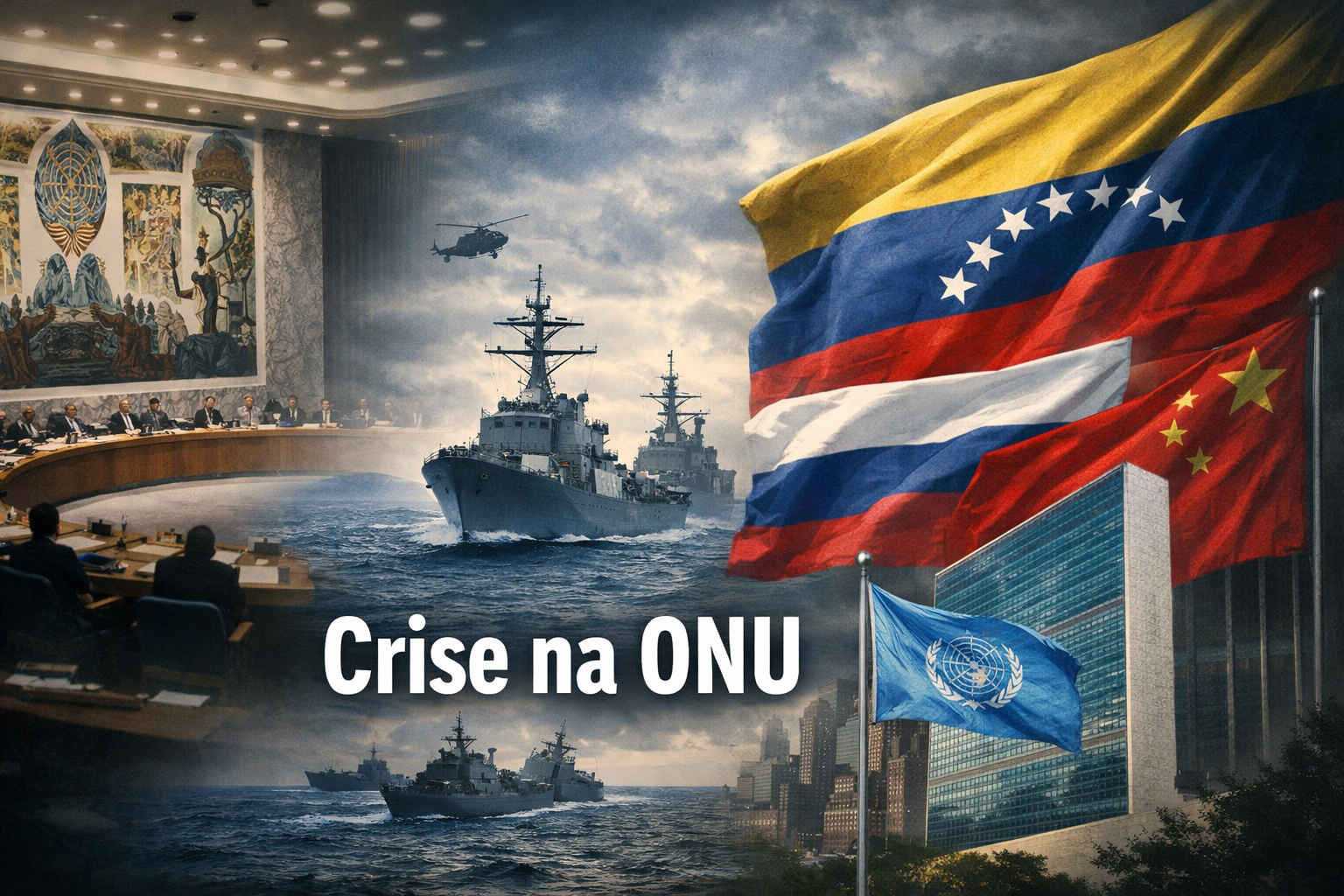
Venezuela Reports Extortion by the U.S. at the UN, Receives Support from Russia and China, and Tensions in the Caribbean Expose a Global Diplomatic Impasse.
Venezuela Reports “Extortion” by the U.S. at the UN and Receives Support from Russia and China
The Venezuela denounced, this Tuesday (23), during an emergency meeting of the UN Security Council, what it classified as an “extortion” action promoted by the United States. The Venezuelan government accused Washington of using military and economic pressure to force political changes in the country.
At the same time, Russia and China declared support for Caracas, while the UN indicated a willingness to mediate the conflict.
The Venezuelan ambassador to the UN, Samuel Moncada, brought the accusations directly to the Security Council. According to him, the U.S. acts outside international law by sending warships to the Caribbean and announcing a naval blockade against the country. For the diplomat, these actions constitute “the largest extortion known in our history.”
-
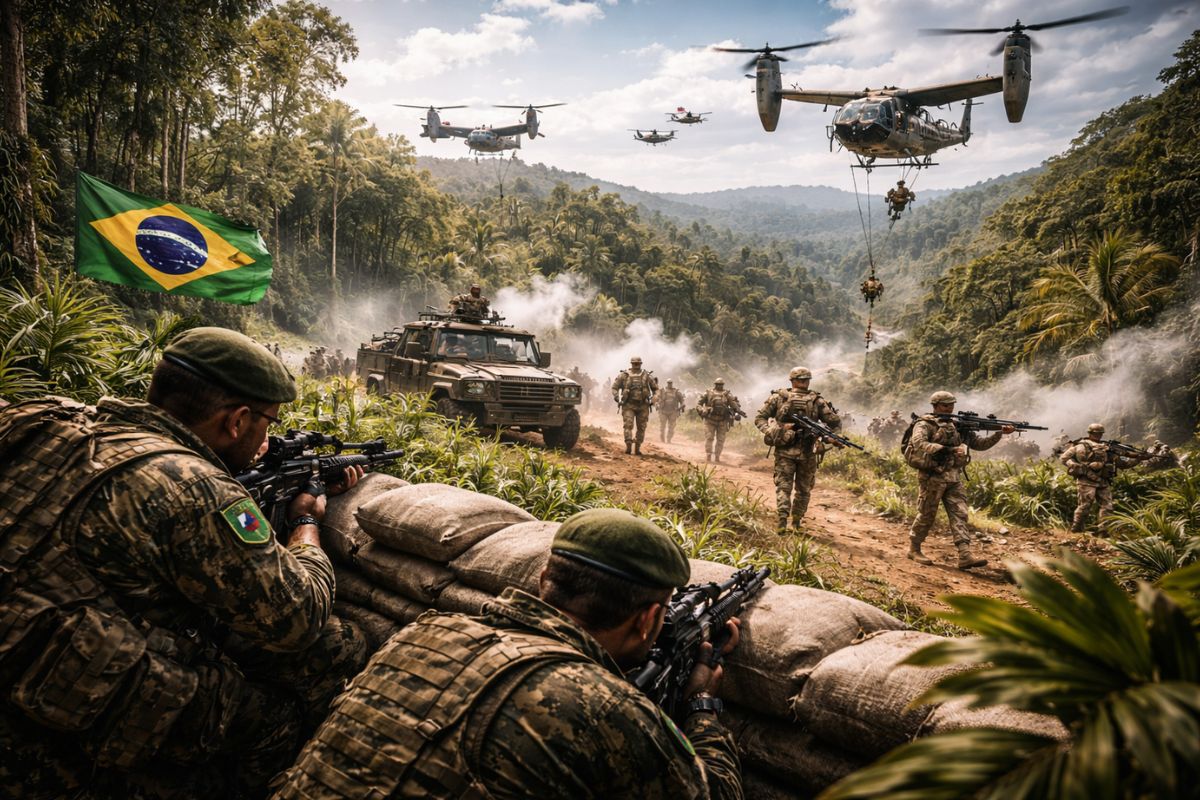
If the USA were to go to war with Brazil, Washington’s greatest fear would not be the attack itself, but facing a vast territory, prolonged resistance, and a costly, chaotic, and unpredictable occupation.
-
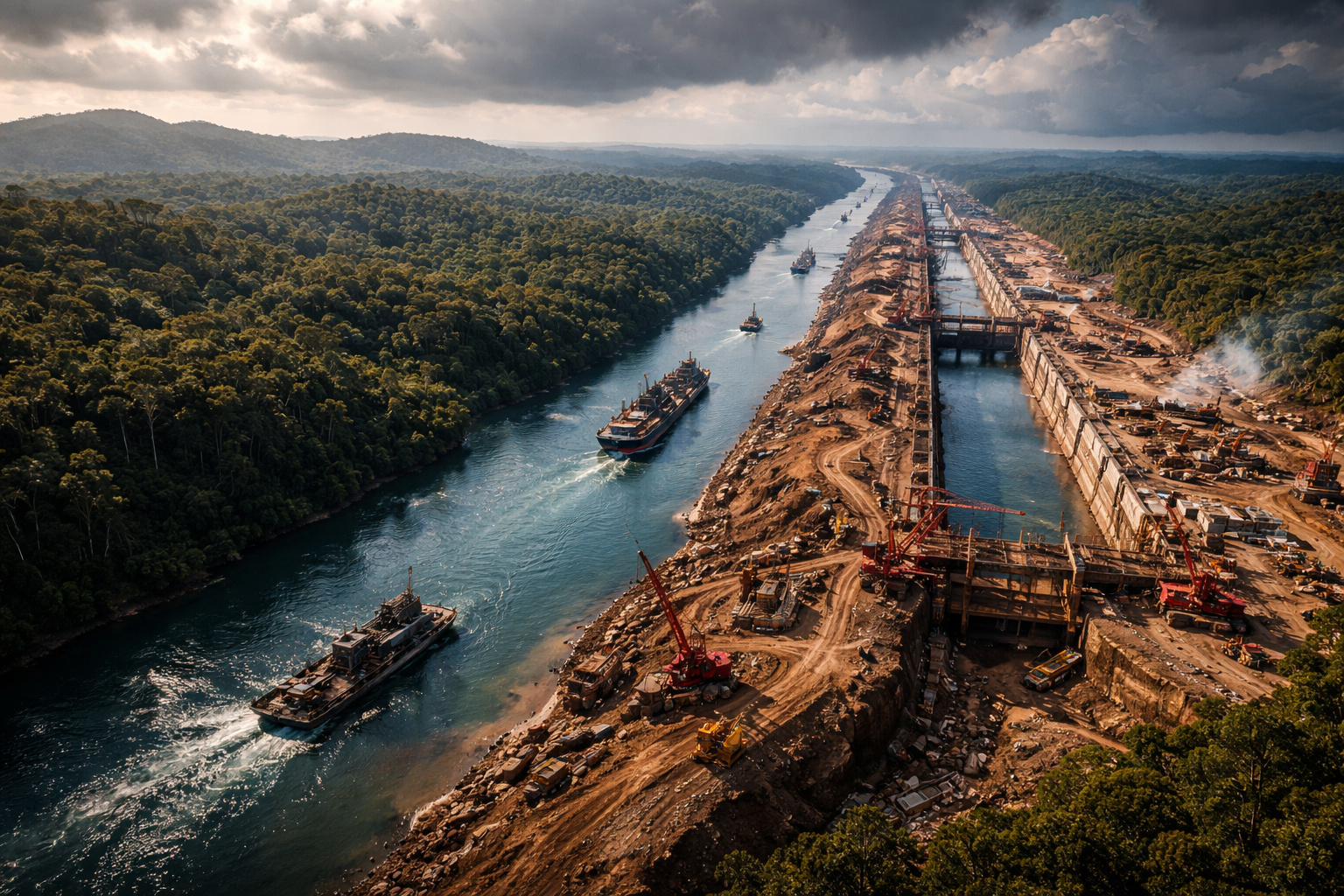
In 2013, Nicaragua sold the concession for a canal to rival Panama to a Chinese billionaire who lost 85% of his fortune, disappeared, and was declared bankrupt. Now the project resurfaces with a new route, a new Chinese partner, and a cost of $64.5 billion.
-
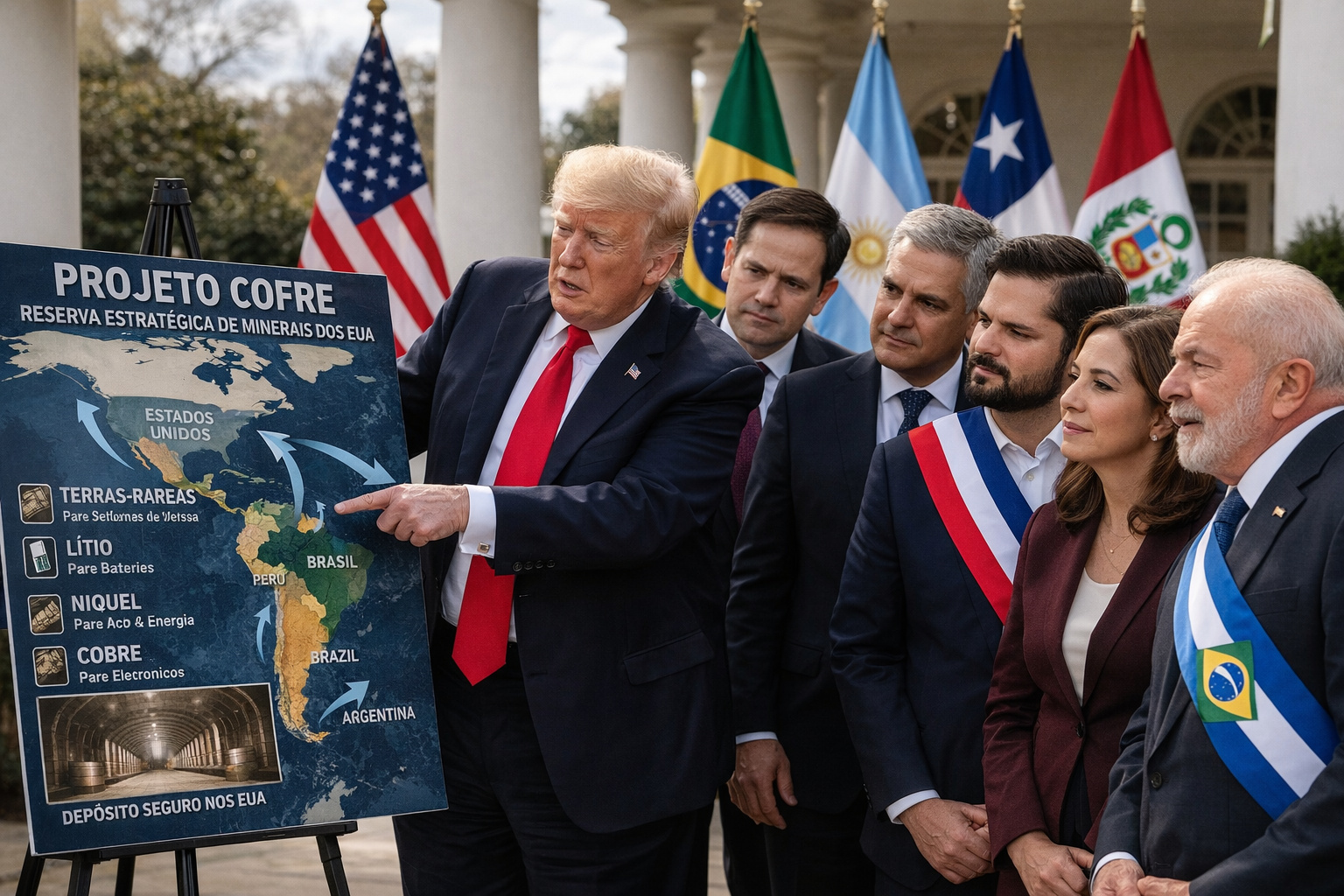
The USA announces a mysterious billion-dollar vault project to store critical minerals, but what intrigues experts is not just the plan itself, but why Latin America, including Brazil, has entered the center of this global dispute against China.
-
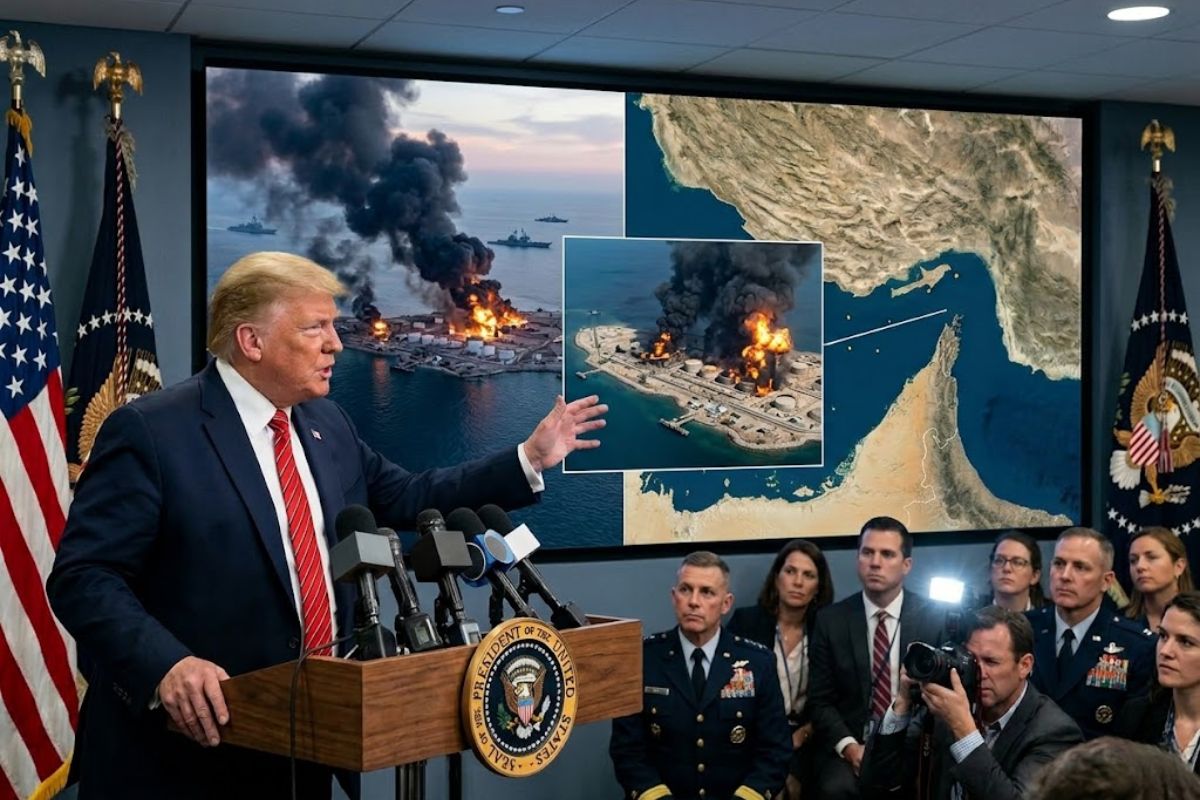
Trump Announces Bombing of U.S. Military Targets on Iranian Island Responsible for About 90% of Iran’s Oil Exports, Warns of Further Attacks if Navigation in Strategic Strait of Hormuz Is Threatened

Furthermore, Moncada stated that the U.S. seeks to pressure Venezuela to provoke the departure of President Nicolás Maduro. According to him, Washington is trying to seize Venezuelan oil reserves, which are considered strategic in the global energy scenario. Thus, Caracas decided to internationalize the complaint and resort to the UN.
Additionally, according to the ambassador, the American policy ignores multilateral mechanisms and undermines the role of the UN as a legitimate mediating body. Therefore, Venezuela considers that the naval blockade represents a direct threat to its sovereignty and regional stability.
Russia Condemns Blockade and Warns of Global Risks
Subsequently, Russia publicly reinforced the Venezuelan stance. The Russian ambassador to the UN, Vassily Nebenzia, classified the naval blockade imposed by the U.S. as a “blatant aggression.” According to him, Washington violates fundamental norms of international law by adopting unilateral measures.
Moreover, Nebenzia criticized what he called the “cowboy behavior” of the American government. For the Russian representative, the military escalation in the Caribbean could lead to “catastrophic” consequences, not only for Venezuela but also for global balance.
In this way, Moscow warned that the use of force and economic sanctions increases geopolitical tensions. According to Russia, this type of action undermines the credibility of the UN and creates dangerous precedents in international relations.
China Defends Sovereignty and Rejects Intimidation
In the same vein, China expressed support for Venezuela and condemned intimidation practices. The Chinese representative at the UN, Sun Lei, stated that Beijing opposes acts of unilateralism on the international stage.
According to him, China advocates for the respect of state sovereignty and supports countries that resist external pressures. In addition, Sun Lei highlighted that coercive actions hinder diplomatic solutions and escalate conflicts.
Thus, China and Russia aligned their positions at the Security Council. Both defended multilateralism and reinforced the importance of the UN as a space for dialogue and negotiation.
U.S. Justifies Military Action and Maintains Accusations
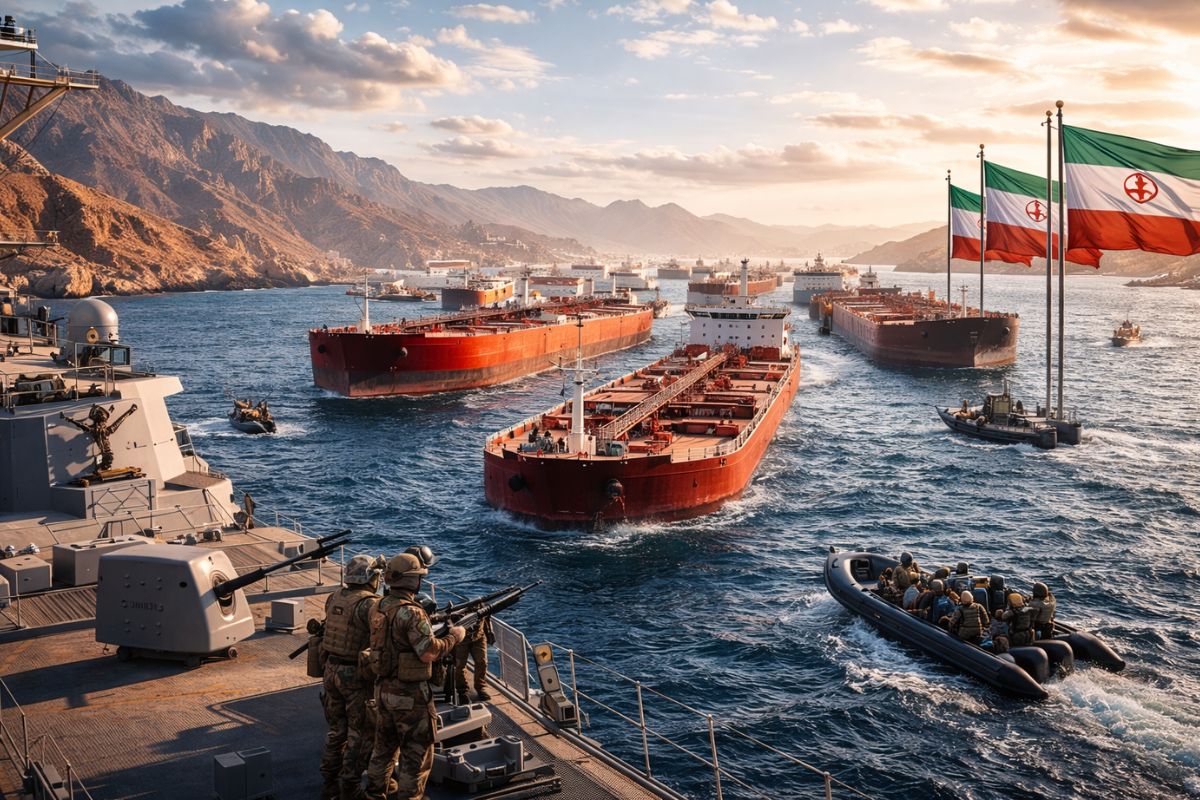
Meanwhile, the U.S. maintained its position during the meeting. Washington has kept a military fleet in the Caribbean since August and announced the naval blockade to prevent the export of oil from Venezuela.
President Donald Trump accuses the Venezuelan government of using oil resources to finance drug trafficking and other crimes. However, Venezuela rejects these accusations and claims that the U.S. uses this discourse as a political justification.
During the session, the American ambassador to the UN, Mike Waltz, stated that Washington will do “everything in its power” to protect the hemisphere and the American people.
He also reiterated that Maduro is wanted by U.S. justice, which raised the reward to US$ 50 million for information leading to his arrest.
UN Signals Mediation and Calls for Dialogue
Before the harsher exchange of accusations, the UN Deputy Secretary-General, Khaled Khiari, highlighted the diplomatic role of the organization. According to him, Secretary-General António Guterres is closely monitoring the situation.
Khiari stated that the UN is ready to support diplomatic initiatives and act as a mediator if the parties formally request it. Thus, the organization aims to prevent an escalation of the conflict.
Finally, the debate highlighted the impasse between major powers in the Security Council. While Venezuela denounces U.S. extortion, the support from Russia and China reinforces geopolitical polarization and keeps the issue at the center of the international agenda.








-

2 pessoas reagiram a isso.