





 Portuguese
  English
  Spanish
  3 min of reading
  0 comments


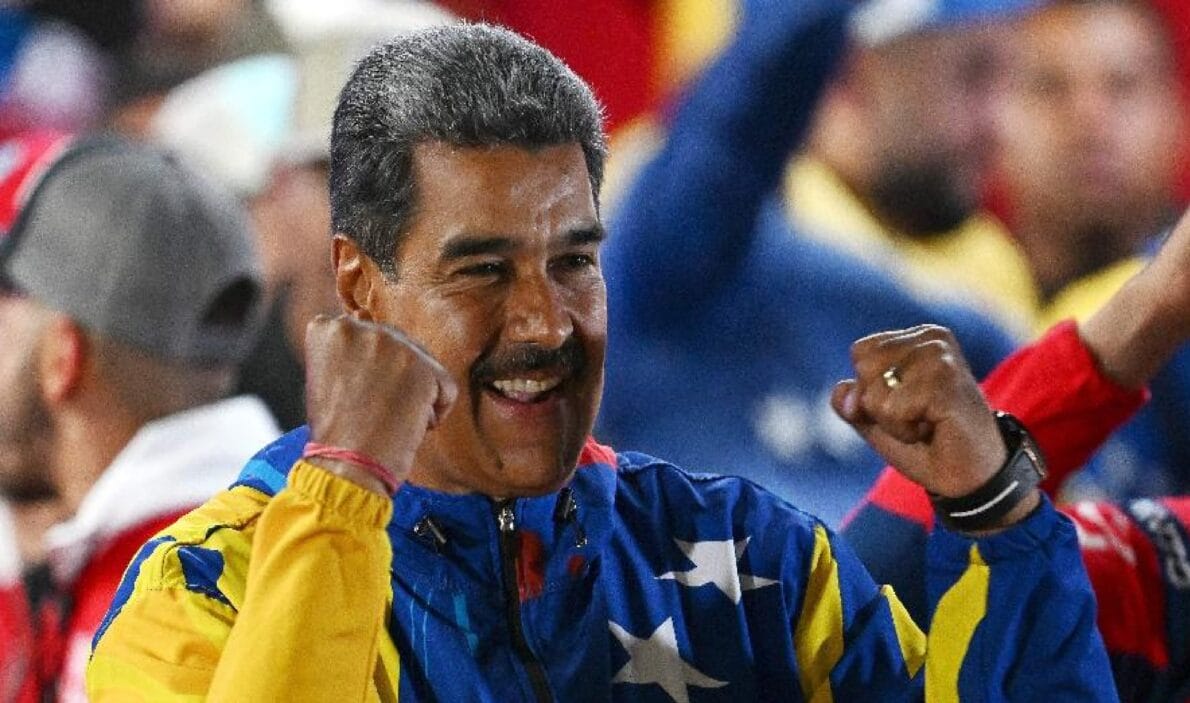
After The Controversial Re-Election Of Nicolás Maduro, Venezuela Faces Violent Protests And An Environment Of Global Distrust And Its Economy Is Threatened
On the last Sunday of July (28), Venezuela was shaken by a wave of tension and uncertainty after the re-election of Nicolás Maduro as president. According to the National Electoral Council (CNE), Maduro received 51.2% of the votes, surpassing Edmundo González, who received 42.2%. However, the opposition quickly accused the government of fraud, triggering a series of violent protests that resulted in several deaths across the country, according to a video from the Global Knowledge channel.
The opposition, led by María Corina Machado, claimed various irregularities during the electoral process. The lack of transparency, especially the non-disclosure of electoral minutes, fueled the controversy. Protests in areas such as Petare, in Caracas, were marked by loud pot-banging and large marches. The government’s response was severe, with police cracking down on protesters and reinforcing security on the streets.
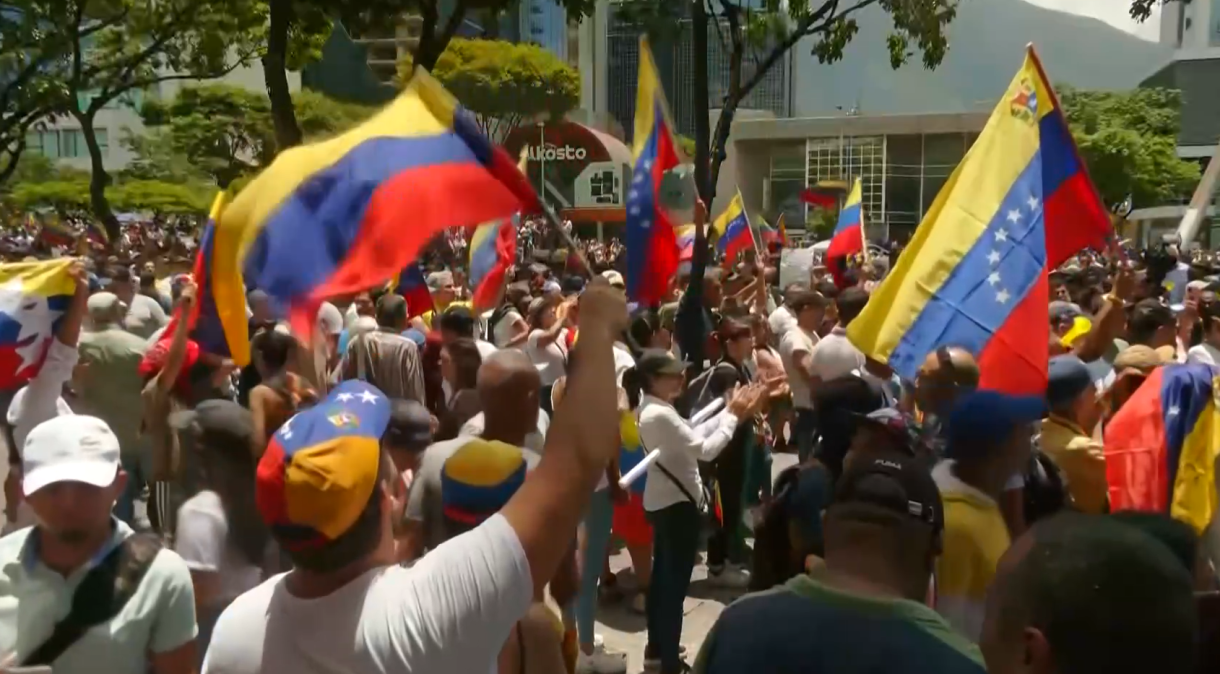
How Did Maduro Come To Power?
Hugo Chávez, elected president of Venezuela in 1999, implemented what he called “Socialism of the 21st Century”. Under his command, the country saw a large expansion of social programs and an increasing control over institutions. However, Chávez’s death in 2013 left the position to his designated successor, Nicolás Maduro. Initially, Maduro managed to hold onto power, despite a narrow electoral victory and a sharp decline in oil prices, a vital resource for the Venezuelan economy.
-
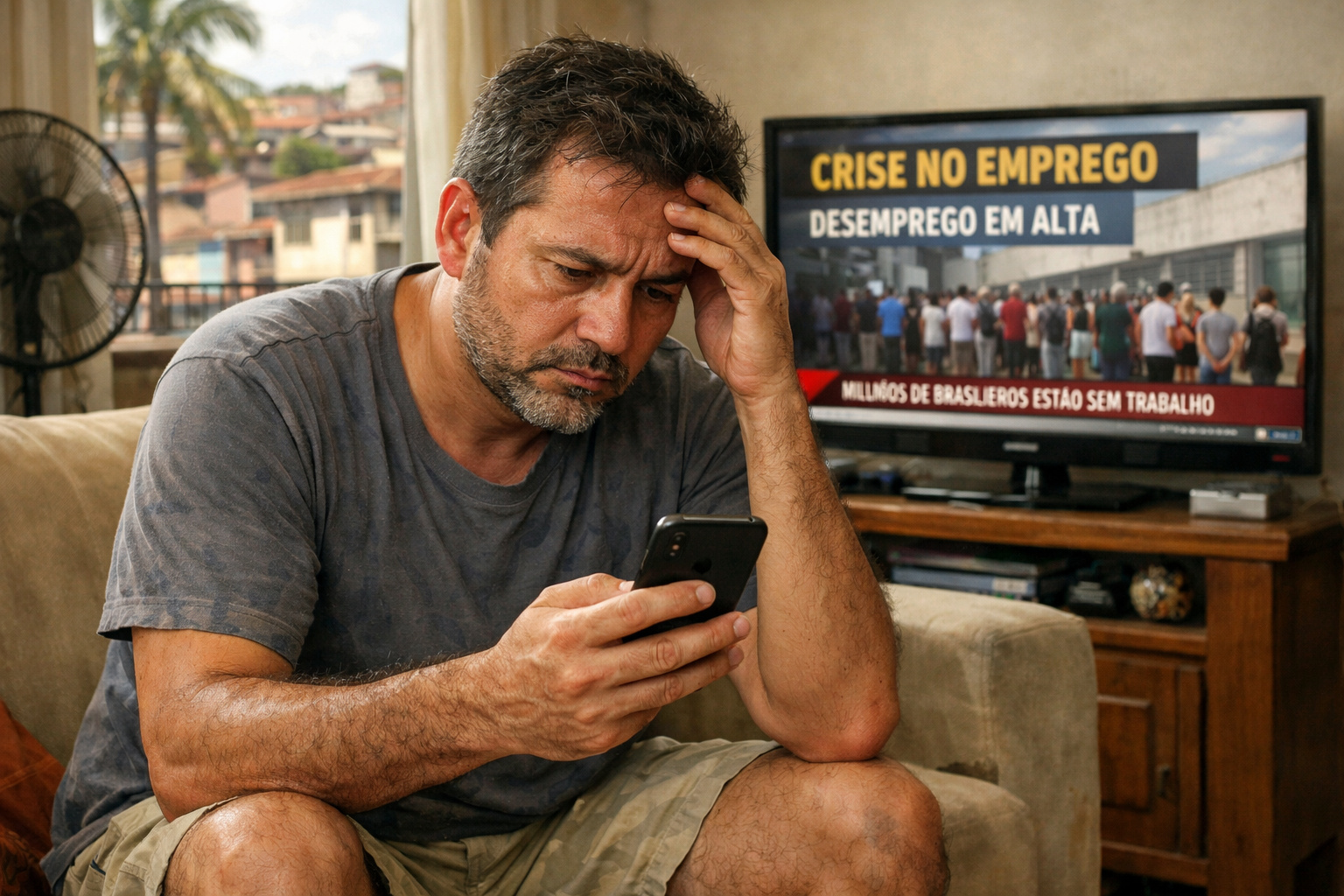
Unemployment rises again to 5.8% at the beginning of 2026, raising alarms about the end of temporary positions and its impact on the Brazilian job market.
-
Document organization can cut invisible costs in small businesses, a simple step that prevents waste, rework, and losses in daily operations.

-
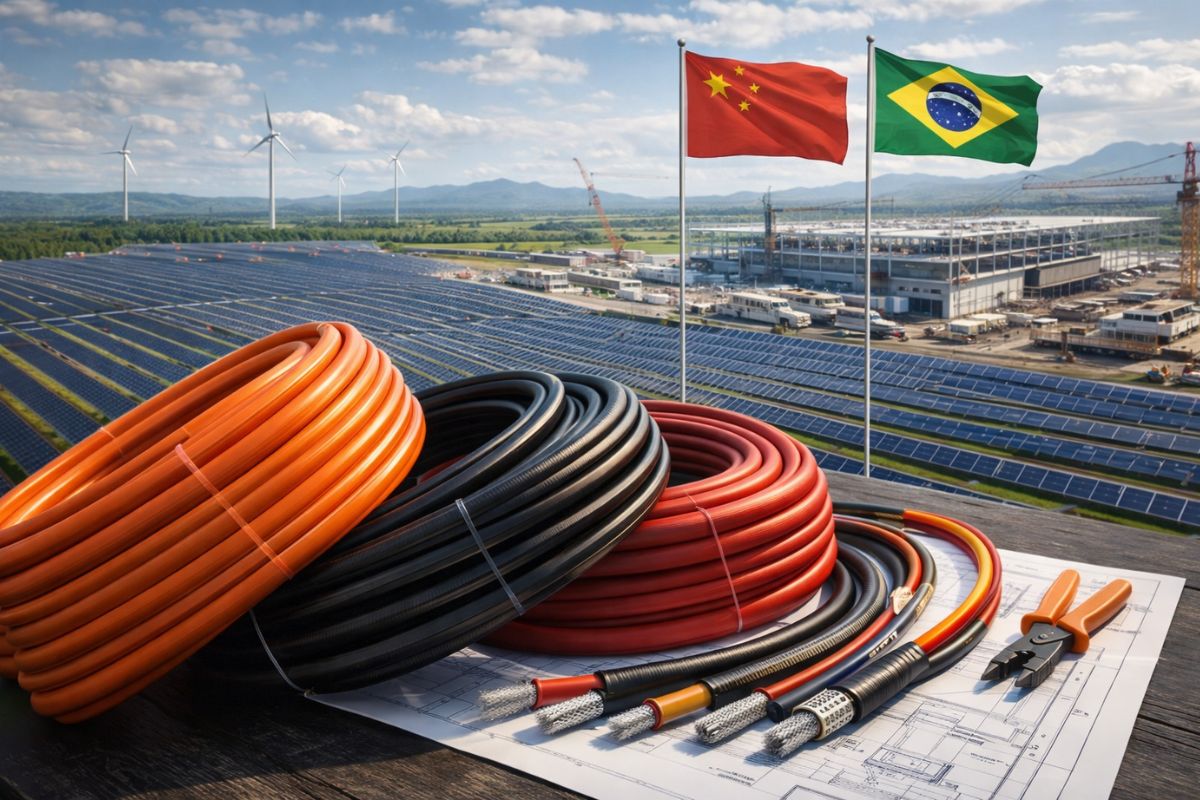
Chinese giant worth nearly R$ 4 billion that manufactures cables for electric cars, solar energy, and robotics wants to open a factory in SC.
-
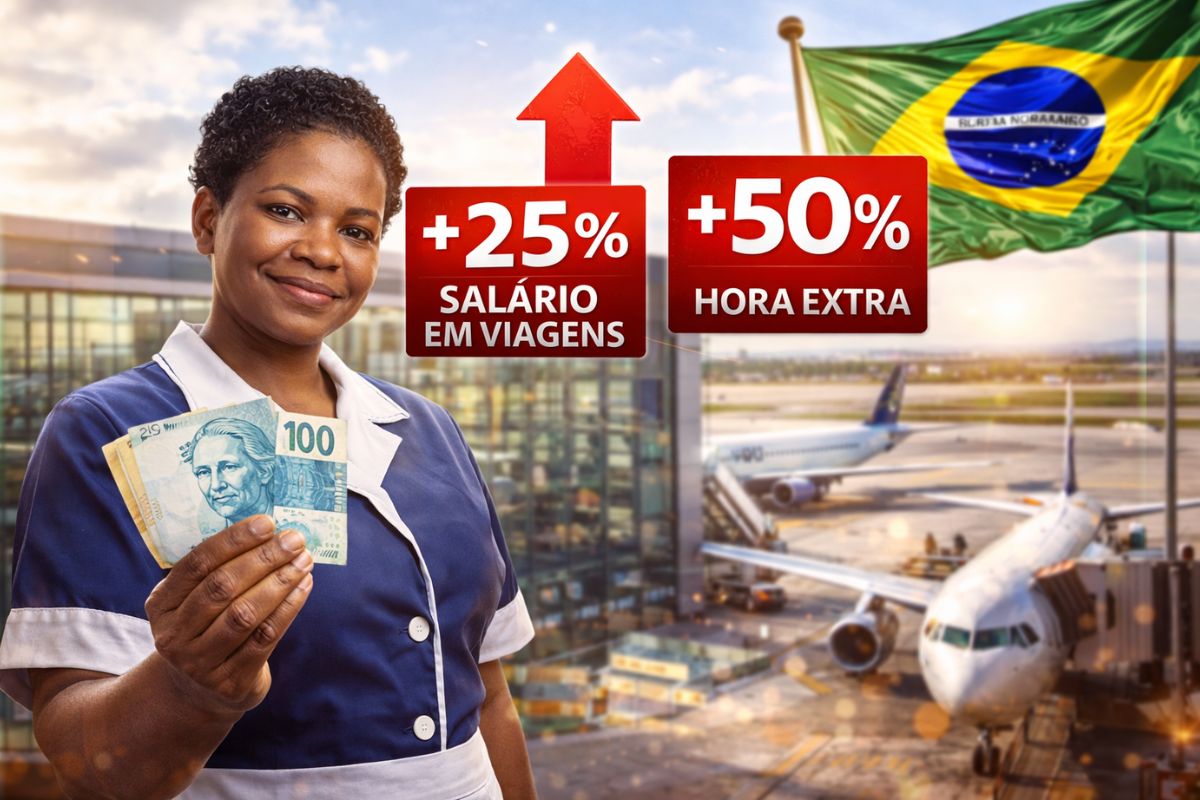
Many employers do not know, but the law guarantees domestic workers a 25% increase in salary during trips, 50% for overtime, 20% for night shifts, and 17 additional benefits that can lead to labor lawsuits if not paid.

With the drop in oil prices, Venezuela plunged into an unprecedented economic crisis. Inflation skyrocketed and shortages of basic goods became common. Images of endless lines and empty supermarkets became symbols of the crisis. Maduro’s response was to violently suppress protests and persecute the opposition, resulting in over 270 deaths and an intensification of the humanitarian crisis.
Dispute Over The Election By The International Community
The Venezuelan crisis did not go unnoticed outside the country. Argentina, Costa Rica, Ecuador, Guatemala, Panama, Paraguay, Peru, the Dominican Republic, and Uruguay called for a complete and transparent review of the votes. In response, Venezuela expelled diplomats from these countries. Colombia and Mexico maintained a neutral stance, although they requested the publication of electoral minutes. Brazil took custody of the Argentine and Peruvian embassies in Caracas, an action praised by Argentine President Javier Milei.


Internally, the opposition claims to have found evidence of fraud in the electoral minutes that would give González the victory. However, the Carter Center, a group of international observers, stated that the election cannot be considered fully democratic. In the U.S., the Biden administration is considering expanding financial sanctions against Venezuela, which could further exacerbate the country’s already weakened economic crisis due to falling oil production.
The Role Of Allies And The Future Of Venezuela’s Economy
Venezuela’s oil production has fallen to less than 1 million barrels per day since the imposition of embargoes in 2017, which is a terrible indication for the local economy. However, allies like China, Russia, and Iran continue to support Maduro. China, for example, was one of the first to recognize Maduro’s victory and will maintain its imports of Venezuelan oil. Negotiations with Russia and Iran are also ongoing.









Seja o primeiro a reagir!