Portuguese
  Spanish


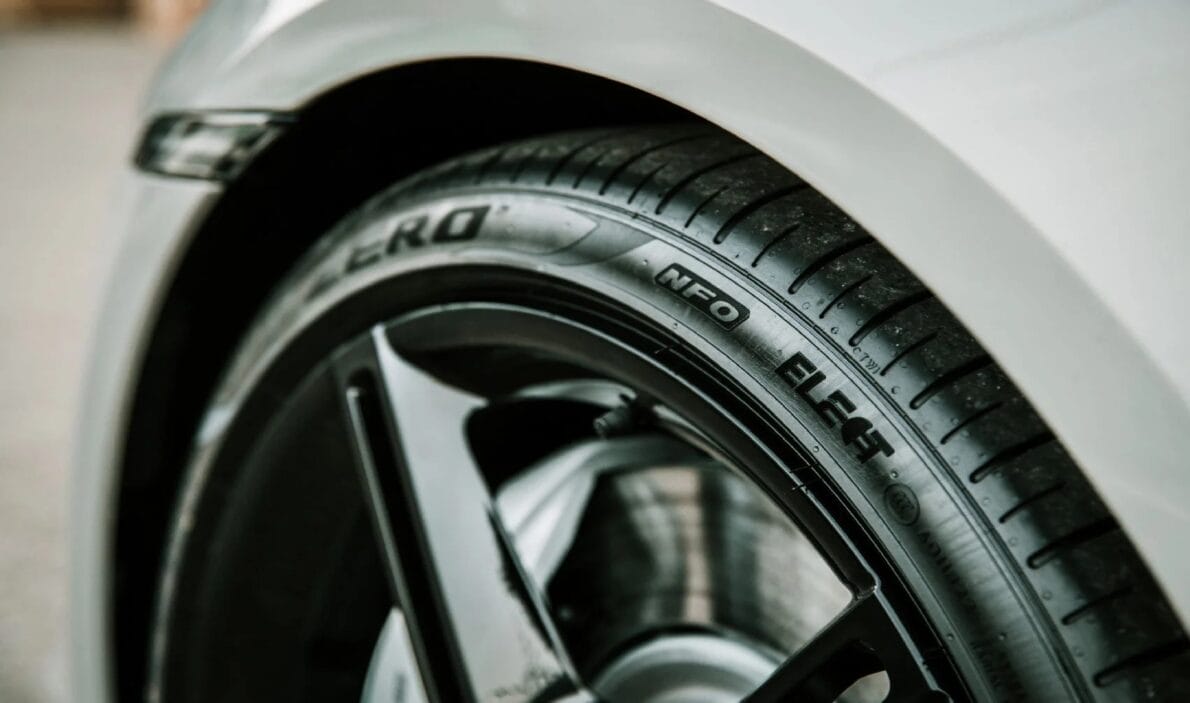

The Importance Of Specific Tires For Electric Vehicles And The Impacts Of Using Regular Tires
With the increasing popularity of electric vehicles (EVs), adapting the components of the car to this new technology is essential. One aspect that is often overlooked is the choice of tires. Tires designed for electric cars are not just a recommendation, but a necessity to ensure the performance and safety of the vehicle. Using conventional tires can have significant negative implications, according to the Olhar Digital website.
Why Conventional Tires Are Not Suitable For Electric Cars?
Tires for electric cars are designed with specific characteristics that meet the unique needs of these vehicles. Here are the main reasons why conventional tires are not suitable:
- Extra Weight Of The Battery: Electric cars typically have heavy batteries that increase the overall weight of the vehicle. Tires for EVs have reinforced sidewalls to support this additional weight. Regular tires may not have the necessary strength, which can lead to premature wear or even failures.
- Specialized Rubber Compound: Tires for electric vehicles are made with different rubber compounds, designed to absorb shocks and vibrations better. This is crucial for the comfort and stability of the vehicle. Conventional tires may not offer the same level of absorption, negatively affecting performance and driving comfort.


- Grip And Traction: Electric cars can accelerate and brake faster than combustion vehicles. Tires specific for EVs are designed to provide better grip and traction, especially at high speeds. Regular tires may not provide the necessary level of grip, compromising the vehicle’s safety and performance.
- Efficiency And Performance: Tires designed for electric cars help optimize the vehicle’s energy efficiency, maximizing energy use and improving regenerative braking effectiveness. Conventional tires are not optimized for these needs, which can result in reduced efficiency and higher energy consumption.
- Even Weight Distribution: Tires for EVs are designed to distribute the weight of the battery evenly, ensuring balanced tire wear and stable performance. Regular tires may not be able to achieve this distribution properly, leading to uneven wear and the need for more frequent replacements.
Risks Of Using Conventional Tires On Electric Cars
Using conventional tires on an electric vehicle can have several risks and disadvantages:
-
End of an era in Brazil: beloved sedan by Brazilians is discontinued despite having a 2.0 engine with 151 hp, CVT transmission, 466-liter trunk, and up to 650 km of range.

-
New Law Proposal in Brazil Could Heavily Penalize Drivers: Dangerous Overtaking May Become a Serious Offense with Fines Increased Tenfold and a 12-Month License Suspension; Update on 2026 Progress

-
Electric Revolution: Watts W125 Motorcycle Offers 160 km Range, 90 km/h Speed, and Affordable Price Starting at $3,000
-
General Motors Replaces Over a Thousand Workers with 50 Cobots at Electric Vehicle Plant, UAW Union Criticizes Move Amid Industry’s Automation Push



- Accelerated Wear: Conventional tires can wear out up to 30% faster on an electric vehicle, resulting in higher maintenance costs and frequent replacements.
- Risk Of Failures: Tires that are not designed to withstand the weight and torque of an EV may fail, endangering the safety of the driver and passengers.
Challenges For Manufacturers
To meet the specific needs of electric vehicles, tire manufacturers face significant challenges. They need to develop new technologies and materials to ensure that tires are suitable for the additional weight, instantaneous torque, and silent performance of EVs. Additionally, many companies are investing in sustainable solutions, creating tires with eco-friendly or reusable materials, aligning with the global sustainability trend.