





 Portuguese
  English
  Spanish
  3 min of reading


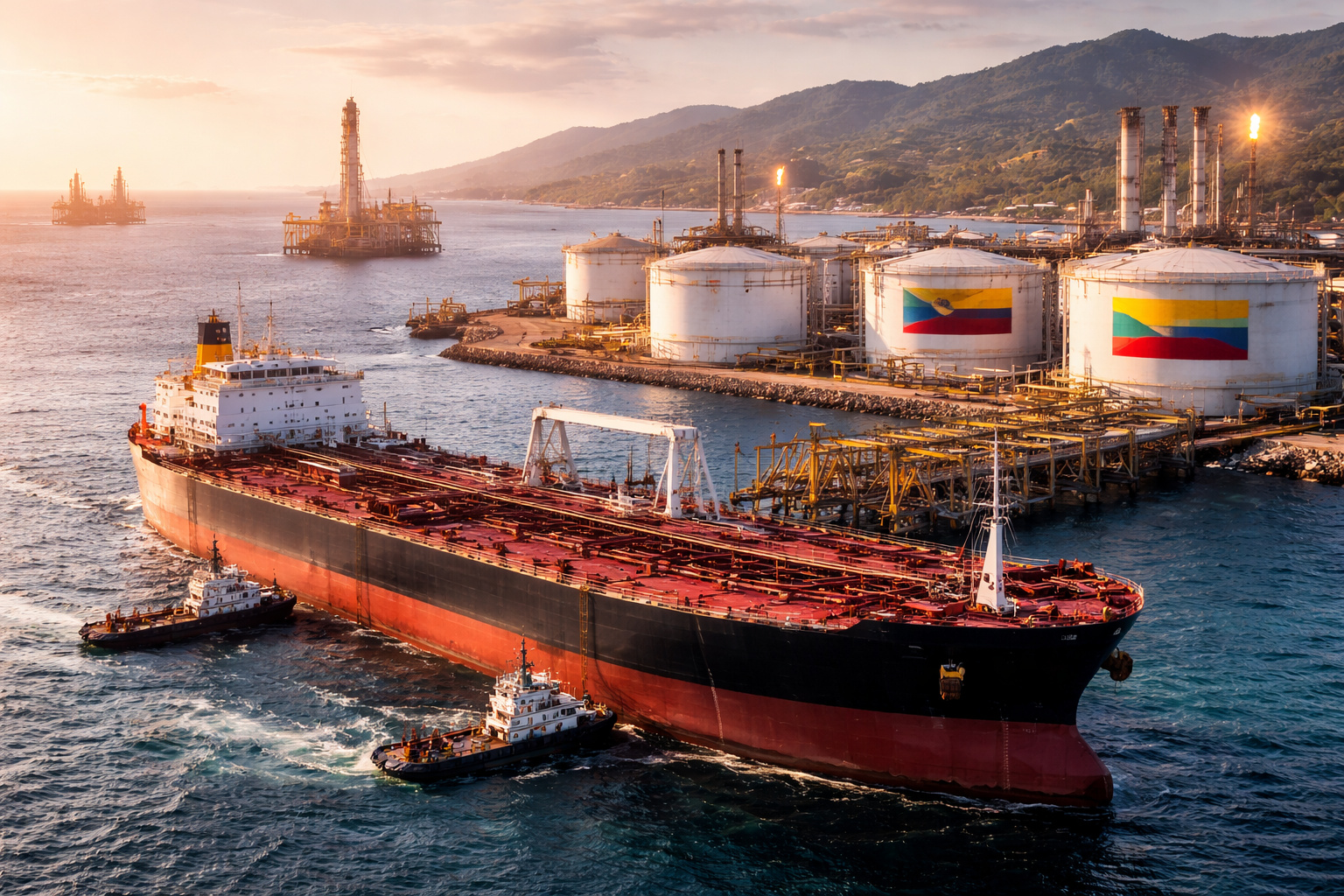
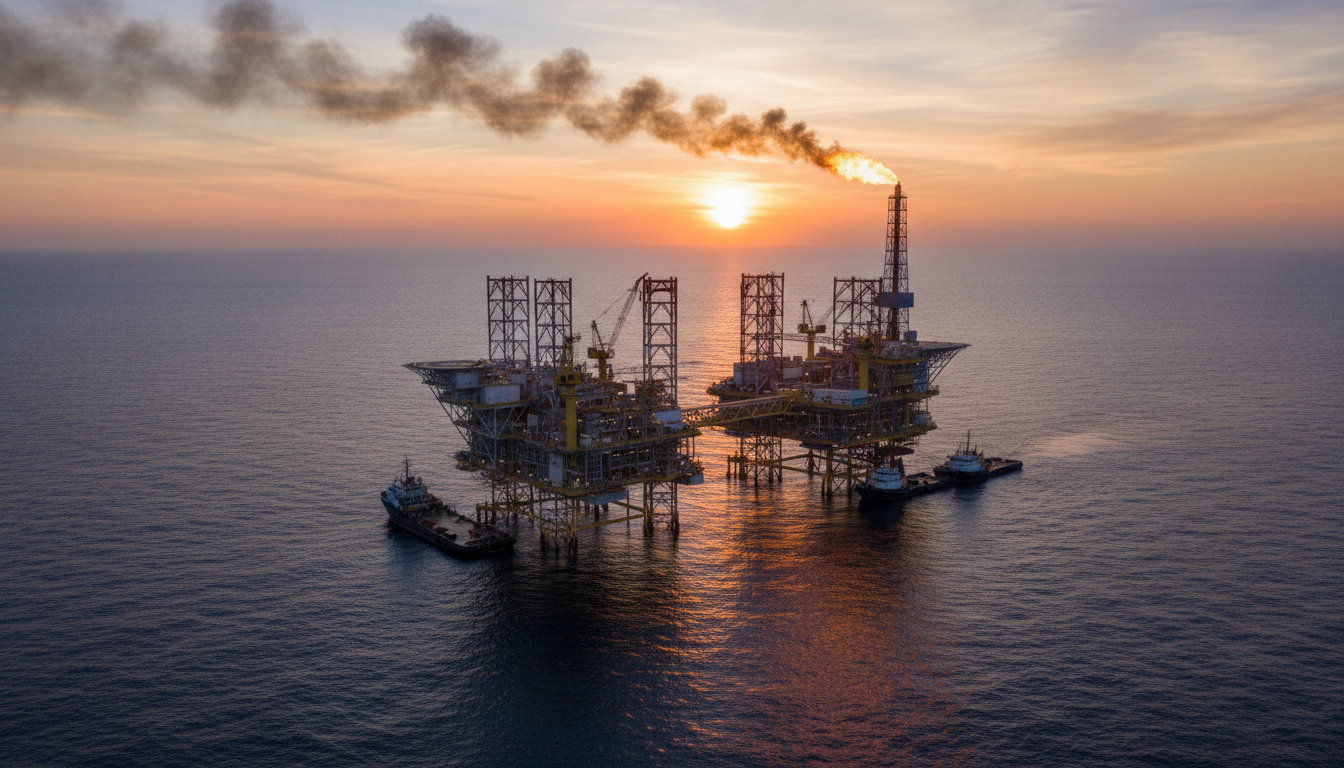
Venezuela will send between 30 million and 50 million barrels of oil to the United States, stated U.S. President Donald Trump on Tuesday, January 6, 2026. According to him, the Venezuelan interim government agreed to sell the oil at market prices, within the international trading conditions.
Trump said that he himself will manage the proceeds from the deal as President of the United States. The U.S. leader declared that he intends to direct the money to initiatives that, according to him, will benefit both the Venezuelan people and Americans.
Details of the Agreement and Immediate Execution
The President explained that the oil, described as “sanctioned”, will go directly to American refineries. He stated he has instructed Energy Secretary Chris Wright to begin sending the first tankers without delays.
-
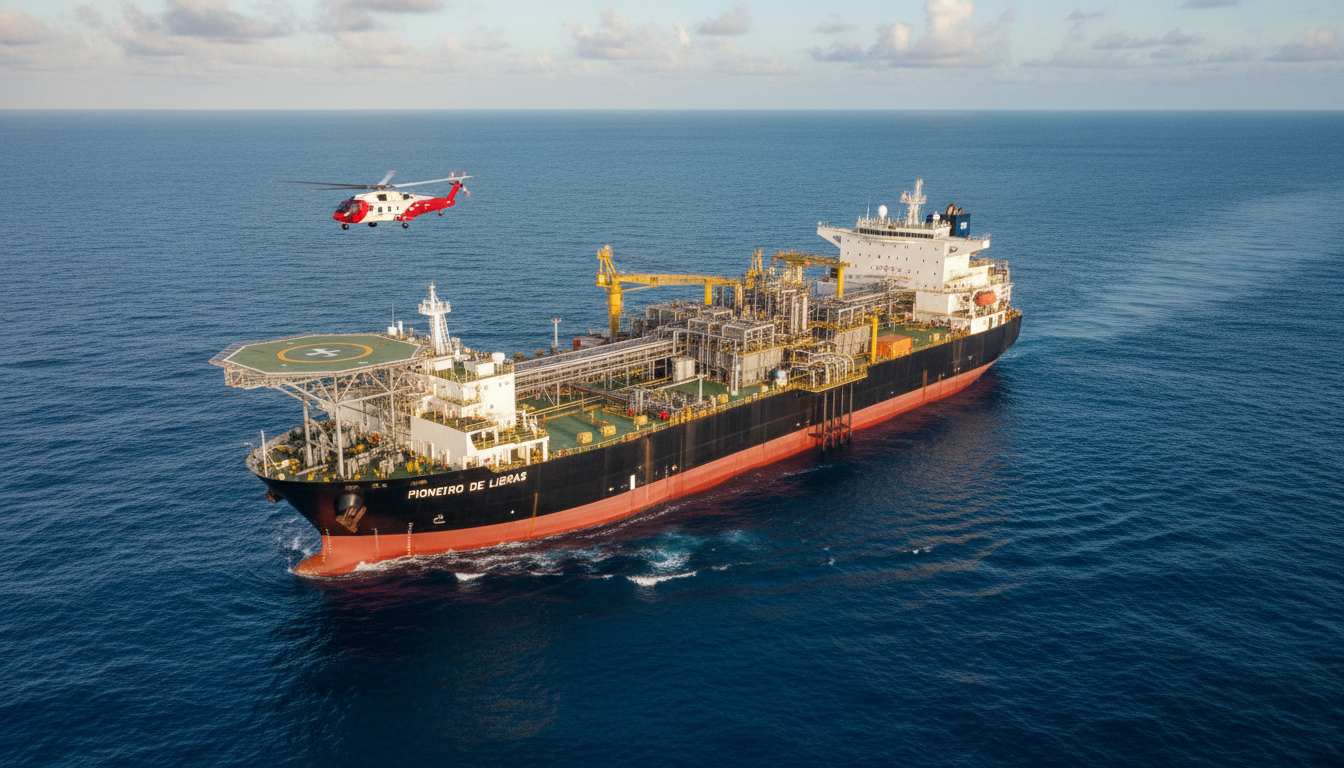
With the war silencing the wells of Iran, Brazil set a record of 5.3 million barrels per day and rose in the global oil ranking without anyone noticing — the pre-salt now accounts for 80% of everything that comes from the seabed.
-
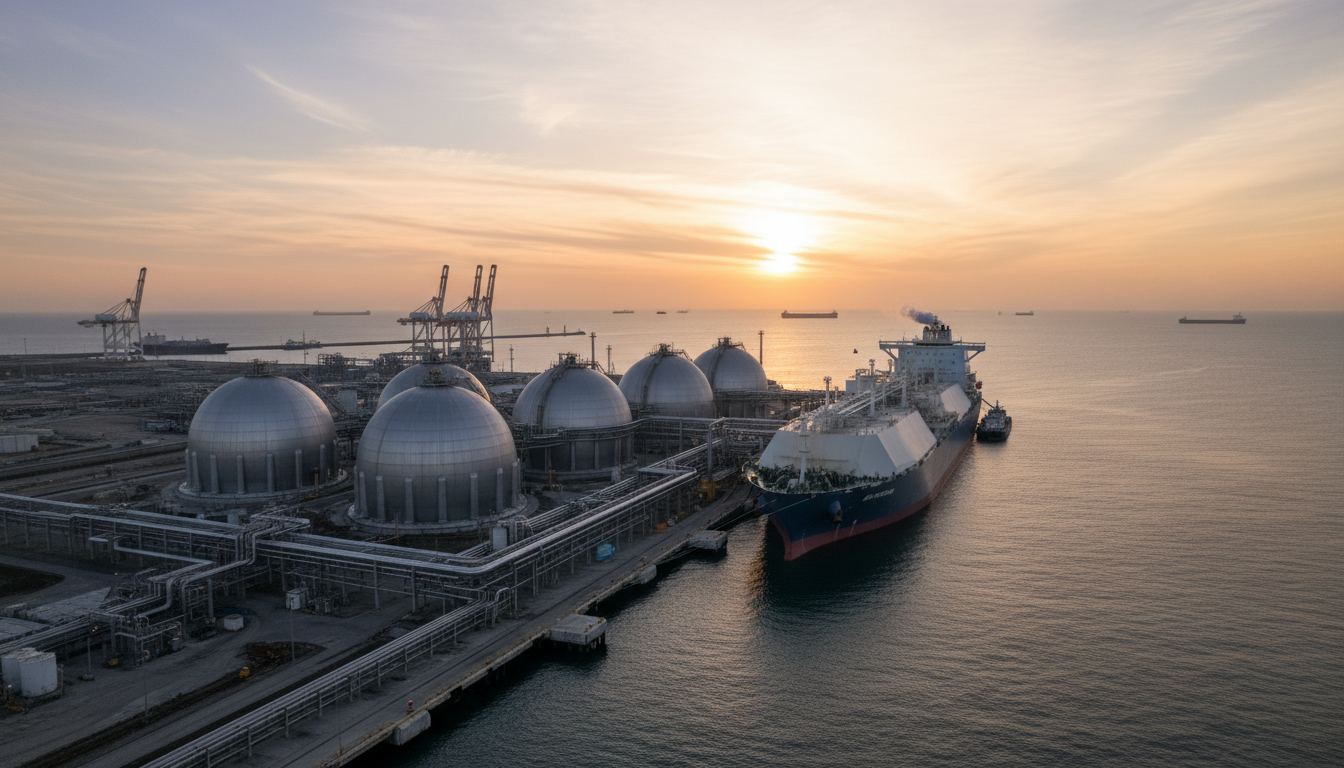
After years of delays and billions invested, the Golden Pass megaterminal in Texas is about to start exporting liquefied gas and will reshape the global energy map amid the Middle East crisis.
-
The artificial intelligence market within the oil industry is worth billions today and will more than double by 2033, and those who do not get on board now with the race for digital twins and autonomous drilling will be left behind.

-
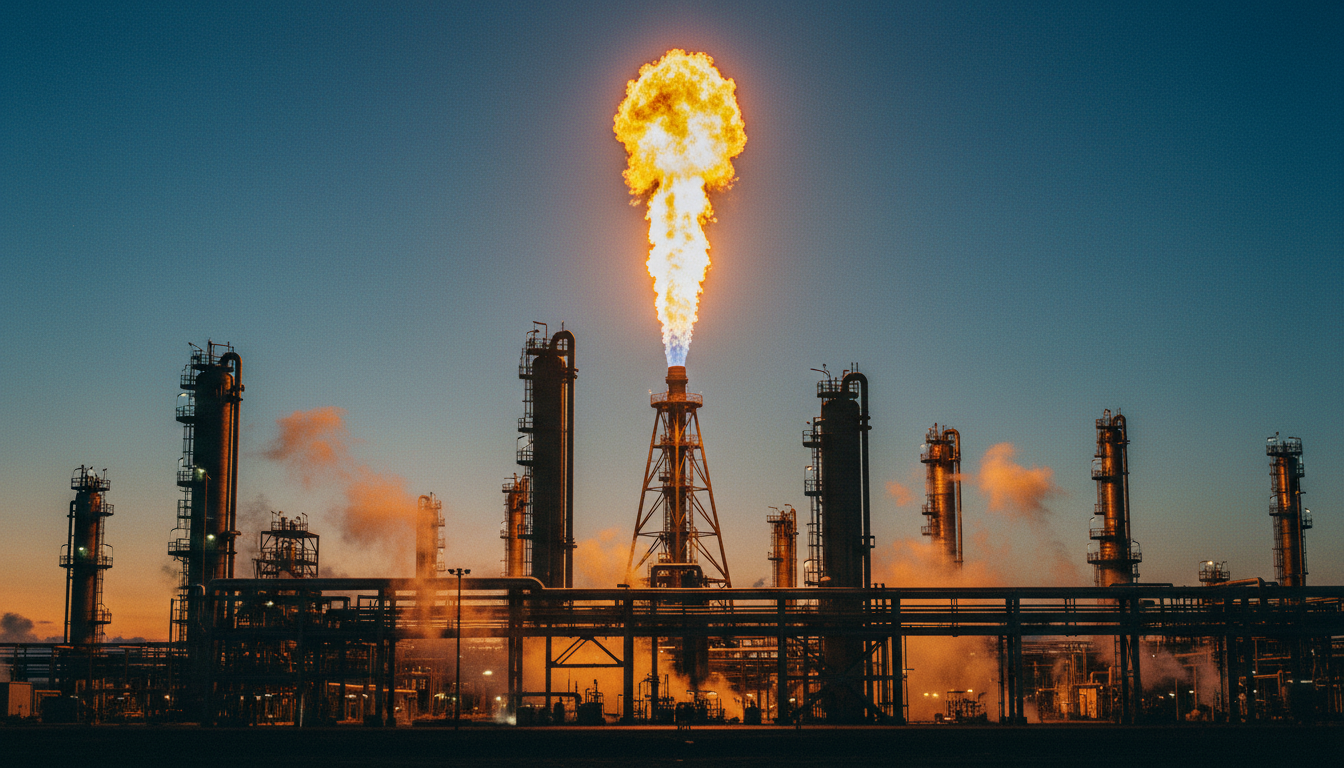
Petrobras quietly installed an artificial intelligence system called Smart Tocha in six of its largest refineries, and the technology independently controls the burning of gases to reduce emissions without any operator needing to intervene.
Trump emphasized that he will require transparency and oversight over the financial destination of the operations. According to him, the sale will follow the international price of the barrel and will respect agreements made with the interim government of Caracas.
Weight of the Announced Volume
The volume of up to 50 million barrels represents practically two months of current Venezuelan production, marked by a decline over recent years. The state-owned PDVSA faces structural problems, lack of investment, loss of labor, and successive economic sanctions.
Yet, oil still forms the base of the Venezuelan economy and accounts for most of the country’s exports. Therefore, any movement involving the product directly impacts national revenue.
Geopolitical and Commercial Consequences
The announcement comes at a time of strategic rapprochement between Venezuela and the United States. The allocation of oil to the American market could alter already established routes, such as sales to China and Asian allies.
Analysts note that Trump may use the agreement to reconfigure energy alliances on the continent. The operation marks a break from years of diplomatic freeze and opens the door for future commercial negotiations.
Additionally, the agreement reinforces the view that oil remains a central instrument of U.S. foreign policy. When Washington acts directly on this type of transaction, it sends signals to the global market and producing countries.
The Political Discourse Linked to Oil
Trump stated that he wants to protect both peoples by managing the values obtained from the sale. He said he intends to direct resources to the economic reconstruction of Venezuela while ensuring secure supply to the American market.
Furthermore, the U.S. President took a stand by saying that he will not allow diversions and that he will monitor every phase of the process. This discourse reinforces the use of oil as political capital, a frequent element in the rhetoric of both countries.
Possible Developments in the Global Market
The shipment of Venezuelan barrels to the U.S. may increase supply and thus generate moderate pressure on the international price. However, the impact will depend on the speed of shipping and refining conditions.
Stocks, currency, and energy contracts tend to react at each stage of the movement. Any delay, diplomatic change, or political decision can quickly reverse expectations.
Oil in History and Venezuela’s Future
Since the 20th century, oil has shaped Venezuela’s economy and identity. The exploration of this resource allowed for rapid growth but also created deep dependency.
Now, the agreement presented by Trump places the country on the brink of a new chapter. If the flow materializes, Venezuela may regain some of its relevance in the international market, bolstering revenues at a time of fragility.
Chronology and Official Context
The announcement occurred on January 6, 2026, through a personal statement by Donald Trump on his digital platform. On the same day, advisers confirmed that the U.S. Department of Energy coordinates the transportation and logistical execution of the first batches.
Venezuela, in turn, agreed to direct the oil to the American market as part of short-term negotiations to reorganize its exports.
Thus, the episode shows that oil remains a protagonist in the relations between the United States and Venezuela. Amid a global transition in the energy sector, the resource still dictates diplomatic priorities and decides economic paths for nations rich in reserves.







Seja o primeiro a reagir!