





 Português
  Inglês
  Espanhol
  5 min de leitura
  0 comentários


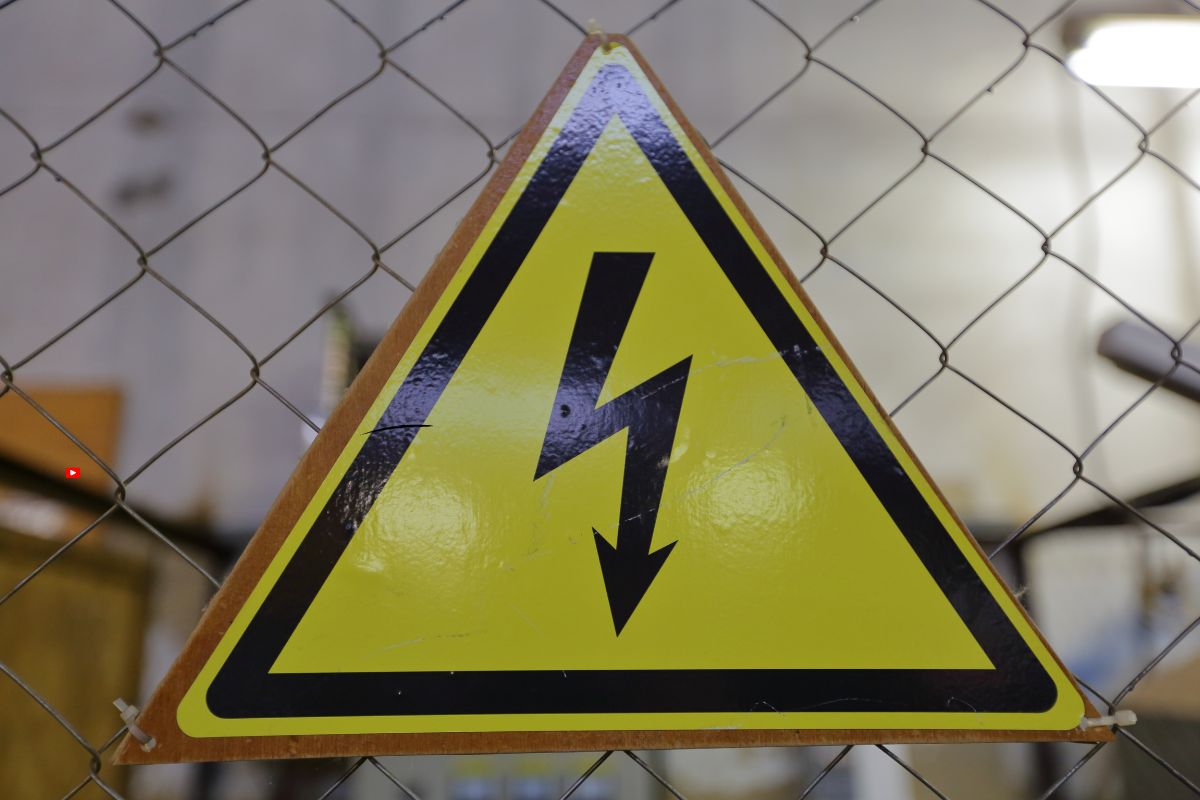
Electricity Is So Present In Our Daily Lives That It Has Become Invisible. We Turn On The Light, Charge Our Phone, And Turn On The TV Without Thinking About The Complex Physics Principles Behind Each Action. And, Like Everything That Becomes Common, Electricity Is Surrounded By “Popular Wisdom,” Family Tips And, Of Course, Many Fake News.
But When It Comes To Something With Such Potential Risk, Misinformation Can Be Dangerous, And A Small Shortcut In The Workplace Or A Wrong Belief At Home Can Result In Fatalities. That’s Why We’ve Separated 5 Of The Most Common Myths About Electricity And Explained What Is True And What To Do. Check It Out.
1. Sleeping With The Phone Charging
● Myth: “Leaving The Phone Charging In Bed All Night Will Damage The Battery Or Can Cause An Explosion.”
● Truth: This Is One Of The Most Common Fears, But The Reality Is A Bit Different. Modern Smartphones And Chargers, As Long As They Are Certified By ANATEL, Are Designed With Intelligent Circuits That Stop Sending Energy As Soon As The Battery Reaches 100%. The Real Villain Is Not The Charging Time, But The Quality Of The Charger And The Cable. Counterfeit Or Damaged Products Do Not Have The Same Safety Mechanisms, Which Can Cause Overheating. The Real Risk Is Suffocation: Charging The Device Under Pillows Or Sheets Prevents Heat Dissipation, Raising The Temperature And, In Extreme Cases, Creating A Fire Risk.
-
Drought may be creating stronger superbugs in the soil and helping antibiotic resistance reach hospitals, warns a study highlighting a problem that could grow alongside extreme weather.

-
The biggest scam in history: Napoleon’s France deceived the United States by selling them a territory that was Spanish.

-
Why is the Danakil Desert so dangerous? It has unstable terrain and how extreme temperatures and toxic gases turn the region into one of the most hostile environments on Earth.

-
With a height of 221 meters and a capacity for trillions of liters, Hoover Dam still holds a trick that makes water defy logic.


This Problem Has Become Even More Common Thanks To The Trend Of New Devices That Do Not Come With An Official Charger In The Box, Forcing The Consumer To Buy A Charger On Their Own. The Type-C USB Cable Standard With The PD Protocol, Used By The Vast Majority Of Smartphones, Headphones, And Modern Portable Batteries, Is Designed To Negotiate The Charging Power Based On The Devices’ Capacities, Cable Thickness And Even Battery Temperature, Making The Whole Process Safer. Therefore, Consumers Need To Pay Attention To Buying Certified Cables And Chargers From Reputable Brands, Even If It Means A Higher Initial Cost.
Modern Batteries, Based On Lithium-Ions, Do Not Suffer From “Memory Effect” And Do Not Need To Be Charged To 100% All The Time – But Over The Years, They Do Experience Natural Wear And Begin To Last Less Time.
2. The Multiplication Of Outlets (The “Benjamin” Or “T”)
● Myth: “If The Plugs Fit In The ‘Benjamin,’ I Can Plug In Several Devices At The Same Time Without Any Problem.”
● Truth: Each Outlet In Your Wall Was Designed To Support A Maximum Electrical Load, Which Is Linked To The Wiring Inside The Wall. A “T” Adapter Or A Simple Power Strip Just Multiply The Inputs, But Not The Capability Of The Outlet. By Connecting Multiple Devices, You Can Easily Cause An Overload. It’s Like Trying To Force The Traffic Of An Entire Avenue Through A Single Street. The Result Is The Overheating Of The Wires Inside The Wall, A Silent Danger That Is One Of The Main Causes Of Residential Fires.
Overloading A Power Strip, Extension Cord, Or Benjamin Is One Of The Main Causes Of Electrical Accidents, Especially Given The New Energy Demands: A Gamer Room, For Example, May Connect A High-Performance Computer, Various Accessories, RGB Decorative Lights, And A Series Of Other Equipment To A Single Power Strip. Companies, On The Other Hand, Require More And More Computers, Cameras, Fans, And A Series Of Devices Present At Each Employee’s Workstation.
At Home, It Is Important To Confirm The Maximum Allowed Current In Each Circuit And Buy Power Strips With Fuses And Capacities Compatible With That Value. For Companies, It Is Imperative To Hire A Qualified Electrician And Fully Comply With Brazilian Regulatory Standards, Such As NR 10 Explained By Engehall, Which Specifically Addresses Working With Electricity.
3. Electric Shock At Home Is Not Dangerous
● Myth: “A Shock From A Common Outlet At Home Or Work (127V Or 220V) Is Just A Scare, It’s Not Fatal, So It’s Not Dangerous To Try To Solve Electrical Problems Alone.”
● Truth: This Is Perhaps The Most Dangerous Of All False Truths. What Makes An Electric Shock Fatal Is Not Just The Voltage (Measured In Volts), But Also The Electric Current (Measured In Amperes) That Passes Through The Body, The Path It Travels, And The Time Of Exposure. A Relatively Low Current Passing Through The Chest Can Cause Cardiac Arrest (Ventricular Fibrillation). If An Accidental Contact At Home Already Poses A Serious Risk, Imagine In A Professional Environment Where Exposure To Risk Is Constant And The Powers Involved Are Greater.
Learning And Being Confident In Performing Small Household Repairs Is An Important And Very Useful Skill For Daily Life, However, This Should Not Turn Into A Carefree Or Negligent Attitude When Dealing With Dangerous Aspects Such As Electrical Energy. Especially, “Shortcuts,” Non-Standard Components, And Advanced Repairs In The Electrical Network Should Not Be Done By Amateurs – Even If Guided By Websites Or YouTube Tutorials. The Regulatory Standards, Technical Standards From The ABNT, And Other Legal Requirements Are Formulated Precisely To Prevent Accidents That, Unfortunately, Continue To Claim Thousands Of Victims Annually, And Therefore, Cannot Be Ignored.
4. The “Amateur Electrician’s” Equipment
● Myth: “To Make A Small Electrical Repair, A Thick Rubber Glove Protects Me From Everything.”
● Truth: In The Professional World, Safety Is A Science. That Yellow Rubber Dishwashing Glove Offers No Protection Against Electric Shocks. Personal Protective Equipment (PPE) For Electricians Are Technically Designed, Have Different “Classes” Of Insulation For Different Voltage Levels And Need To Undergo Rigorous Inspections To Ensure They Have No Holes Or Wear. Furthermore, Gloves Are Just The Last Barrier In A Series Of Procedures That Include Planning, Risk Analysis, And, Most Crucially, De-Energizing The Circuit.
5. The Circuit Turned Off At The Circuit Breaker
● Myth: “If I Turned Off The Main Circuit Breaker, The Circuit Is ‘Dead’ And It’s Totally Safe To Work.”
● Truth: Turning Off A Circuit Breaker Is Just The First Step. In A Professional And Safe Work Environment, This Is Completely Insufficient. Another Person, Unaware Of Your Work, May Turn The Circuit Breaker Back On, Energizing The Circuit And Causing A Fatal Accident. The Correct Procedure Involves Lockout (Putting A Physical Lock On The Circuit Breaker That Only The Worker Can Remove), Tagout (An Alert Card Informing About The Maintenance), And, Crucially, The Absence Of Voltage Test With An Appropriate Instrument (Such As A Multimeter) To Confirm That The Circuit Is Indeed De-energized Before Any Contact.
As We Have Seen, Electricity Does Not Tolerate Improvisation. Both At Home And In The Workplace, Knowledge About The Tools, Devices, And Protocols To Be Followed Is Necessary, And In Doubt, The Ideal Solution Is Specialized Training And Hiring A Qualified Professional For Repairs And Decisions.









Seja o primeiro a reagir!