





 Portuguese
  English
  Spanish
 5 min of reading
  1 comment





The Collapse Of The Bridge Connecting Maranhão To Tocantins Attracted Global Attention, With Criticism Of Brazilian Infrastructure Resonating In The World Press.
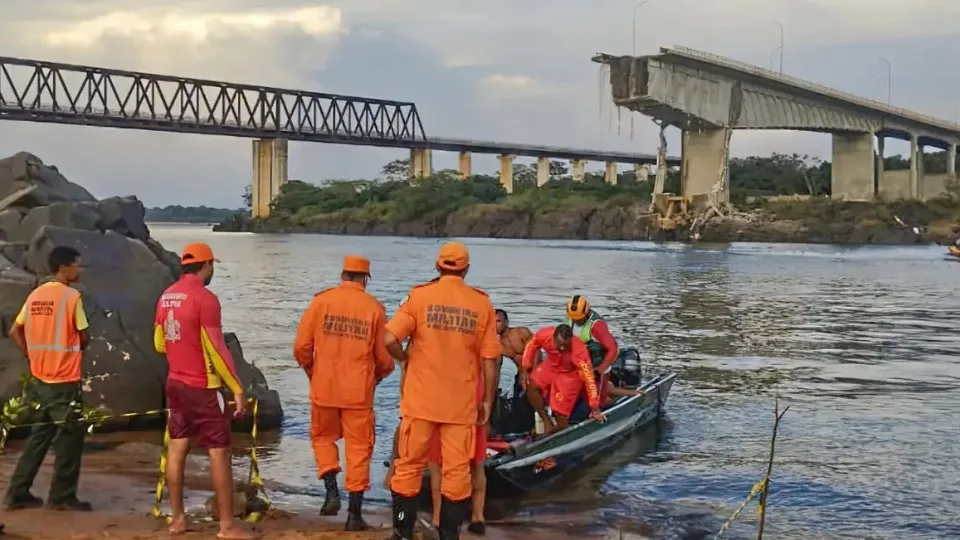
Days after the collapse of the Juscelino Kubitschek bridge, which connects Estreito (MA) to Aguiarnópolis (TO), the search for missing persons continues intensely.
The accident, which occurred last Sunday (22), left the region in a state of alert. By the morning of this Tuesday (24), two deaths had been confirmed, both women. One of the victims was 25 years old and lived in Aguiarnópolis. The other, still unidentified, is under investigation.
A 36-year-old man was found alive and taken to the hospital in Estreito, with a fracture in one of his legs.
-
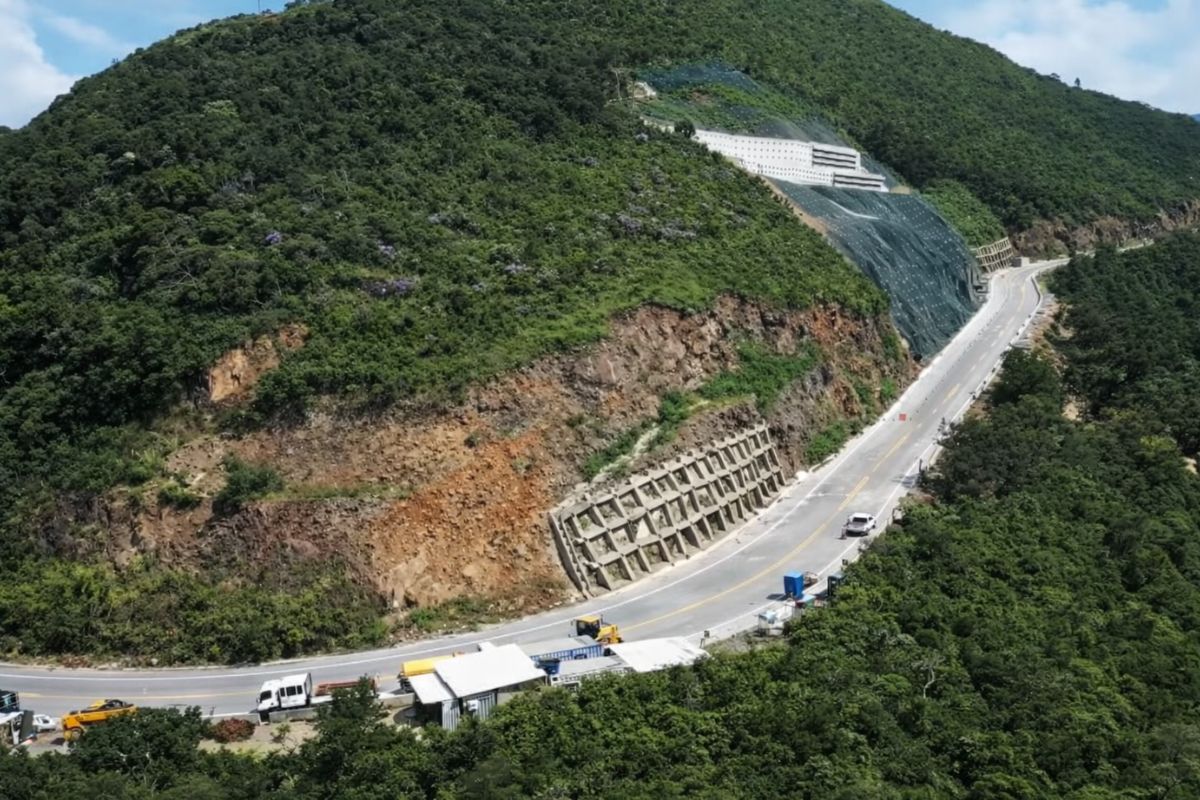
The section of Serra da Rocinha on BR-285 is now open in Timbé do Sul: 50 m tensioned curtains and top-down technique stabilize the slope, with a stairway duct controlling the water.
-
Scientists use sawdust mixed with clay to create a lighter brick, promising efficient thermal insulation and impressing by transforming waste into a solution for construction.

-
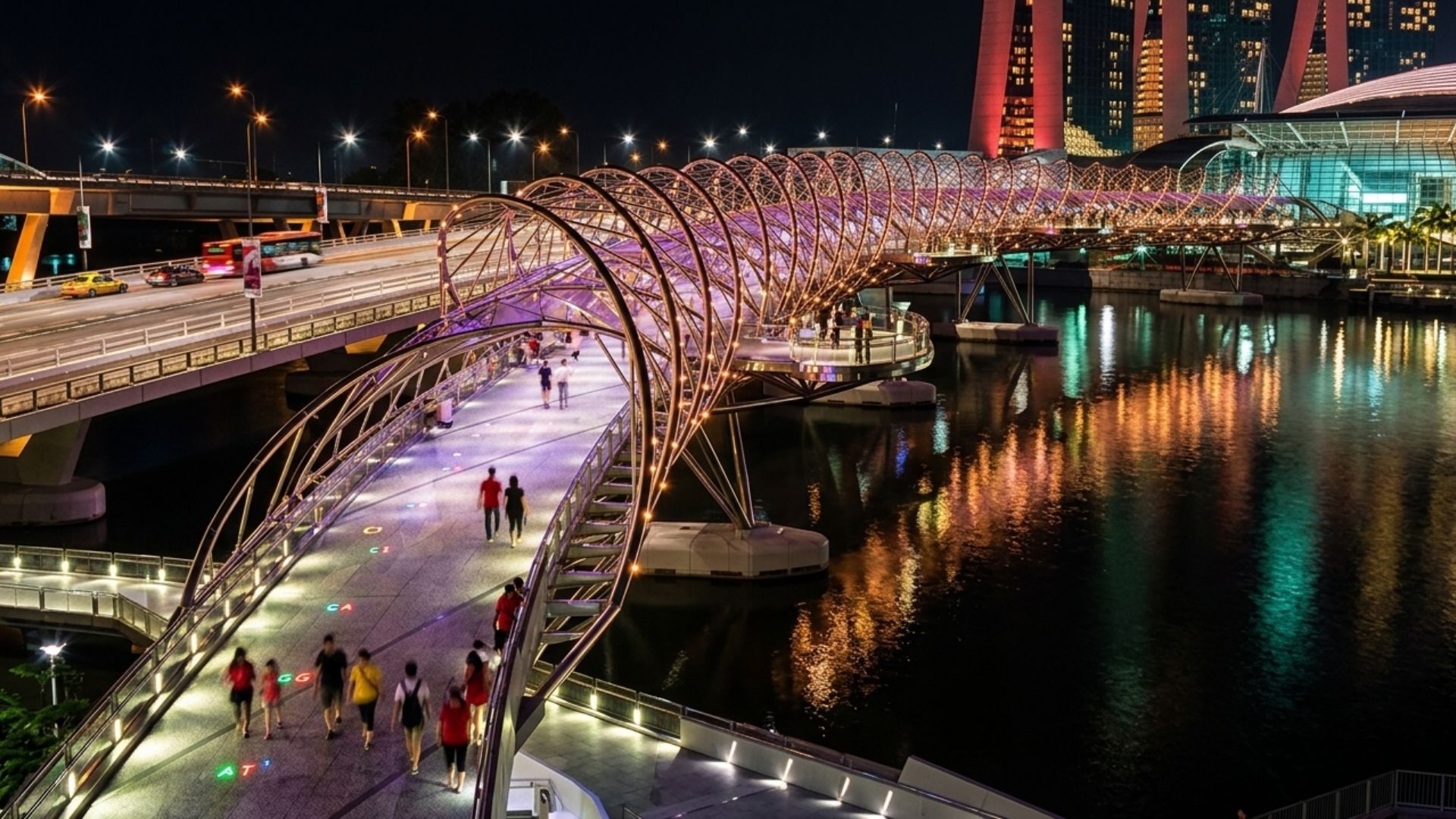
With a DNA shape, this bridge in Singapore draws attention in modern architecture and surprises tourists by transforming a simple crossing into an unforgettable visual experience in the urban heart.
-
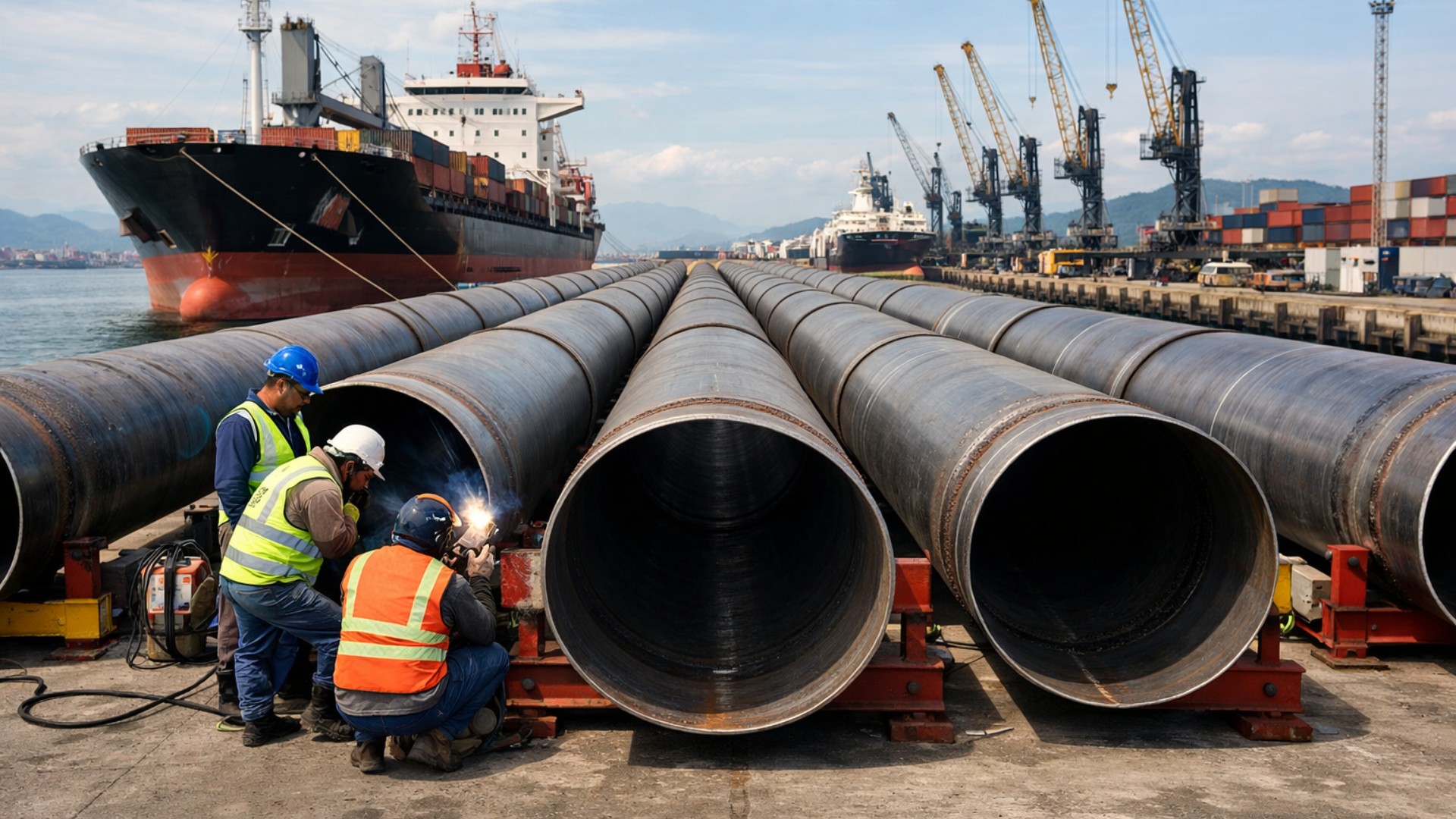
Giant underwater pipeline begins to take shape with a R$ 134.7 million project at the Port of Santos: the 1.7 km structure uses 12-meter and 700 mm pipes to supply water to 450,000 people in Guarujá.

However, 12 adults and three children are still missing. The search efforts involve teams from both states, with support from the federal government, but face technical challenges due to local conditions.
International Repercussions Of The Collapse
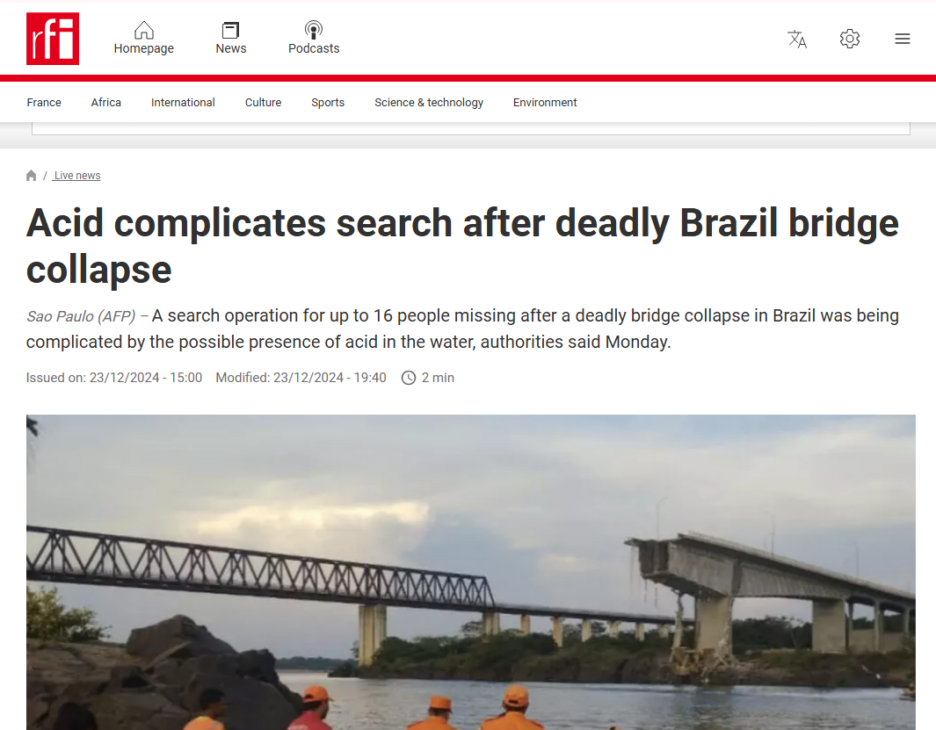
The accident gained significant coverage in the international press, highlighting the severity of the incident and the challenges in rescue operations. The “Buenos Aires Times” emphasized President Lula’s promise to support the search efforts and investigate the causes of the collapse. According to the newspaper, at least one person died and 16 are missing, with the federal government promising comprehensive support.
The Reuters agency emphasized the environmental impact caused by the accident, pointing out the spillage of sulfuric acid into the Tocantins River as a complicating factor for rescue operations. The report mentioned that the bridge, which is 533 meters long, collapsed while several vehicles were crossing, including a tanker truck carrying the chemical substance.
The Euronews portal released videos captured by residents showing the exact moment of the collapse, highlighting that at least eight vehicles, including trucks and cars, fell into the river. The report underscored the environmental dangers and the gravity of the situation for local communities.
AP News also reported on the collapse, reinforcing that recorded images show the collapse of large sections of the bridge while trucks and cars were crossing.
The report highlighted the complexity of the rescue due to the sulfuric acid spillage, which requires extra care from emergency teams.
Vehicles Involved In The Accident
The Federal Highway Police (PRF) reported that at least eight vehicles fell into the river. Among them were four trucks, two cars, and two motorcycles. Some of the trucks were carrying hazardous materials, such as sulfuric acid and agricultural pesticides, which further complicates rescue efforts.
The National Water Agency (ANA) reported that these trucks contained around 22,000 liters of pesticides and 76 tons of sulfuric acid. Due to the environmental risk, the Maranhão government recommended a temporary suspension of water collection in cities near the Tocantins River. Preliminary analyses are underway to verify if these products have already diluted in the river and what the potential impacts are for the population.

History And Conditions Of The Juscelino Kubitschek Bridge
Inaugurated in the 1960s, the Juscelino Kubitschek bridge had already shown signs of deterioration. With a length of 533 meters, the structure underwent maintenance works between 2021 and 2023. However, these interventions were not enough to prevent the disaster.
In May 2024, a tender for R$ 13 million was launched by the National Department of Infrastructure and Transport (Dnit) to hire a company to carry out rehabilitation works. However, the bidding failed. Documents revealed by the press indicate that the Dnit had been aware of the precarious situation since 2019.
Civil engineer Fábio Ribeiro, a professor at the Federal University of Tocantins, stated that the accident was the result of accumulated failures. “The collapse was a foretold tragedy, with multiple factors involved,” said the specialist. The Public Prosecutor’s Office of Tocantins is also following the case and awaiting technical reports to decide on the next steps.
Reconstruction And Emergency
The Dnit has closed the area and declared a state of emergency to expedite reconstruction procedures. The estimated cost of the new bridge ranges from R$ 100 million to R$ 150 million, with an average timeline of 12 months for completion. The Minister of Transport, Renan Filho, announced that more than R$ 100 million will be allocated to the project immediately. Additionally, an inquiry will be established to determine responsibilities.
Federal Police And Investigations
The Federal Police (PF) has also opened an investigation into the collapse. The regional superintendencies of Maranhão and Tocantins are leading the case. A specialized team has been sent to Imperatriz (MA) to analyze technical data and investigations at the disaster site. The group includes civil engineers, crime scene experts, and environmental specialists.
In a statement, the PF highlighted the importance of investigating not only the causes of the accident but also the resulting environmental and social damages. “Our goal is to ensure that those responsible are identified and that preventive measures are adopted,” the corporation informed.
Inquest At Dnit
The Dnit has also initiated an inquest to investigate the collapse. According to the director-general Fabrício Galvão, the committee will begin its work this Thursday (26). The investigation will include technical analyses, documentary evidence, and site visits. The deadline for completion is 120 days.
“We will request data from other agencies and conduct tests that may clarify the reasons for the collapse. We aim to identify structural failures and also determine who is responsible,” said Galvão. The investigation may involve the participation of external experts.
Regional Impact
The collapse interrupted traffic on the BR-226, causing economic and social disruptions in the region. Drivers who rely on the route for transporting goods are being advised to use detours, which increases travel time. Small business owners also report losses due to the drop in customer flow.
Meanwhile, the population is awaiting concrete answers from the authorities regarding the measures to be taken to prevent new accidents and ensure the safety of the region. The coming weeks will be decisive in clarifying the causes of the disaster and initiating the bridge’s recovery.










Como sempre no Brasil as medidas de segurança só acontecem depois das tragédias,tem que alguém perder a vida para que medidas sejam tomadas, é o que aconteceu com esta ponte,foi feito fiscalização,problemas estruturais foram encontrados,mas não se tomou nenhuma medida de segurança.Sera que alguém vai ser punido por causa desta tragédia?