





 Portuguese
  English
  Spanish
  3 min of reading
  2 comments


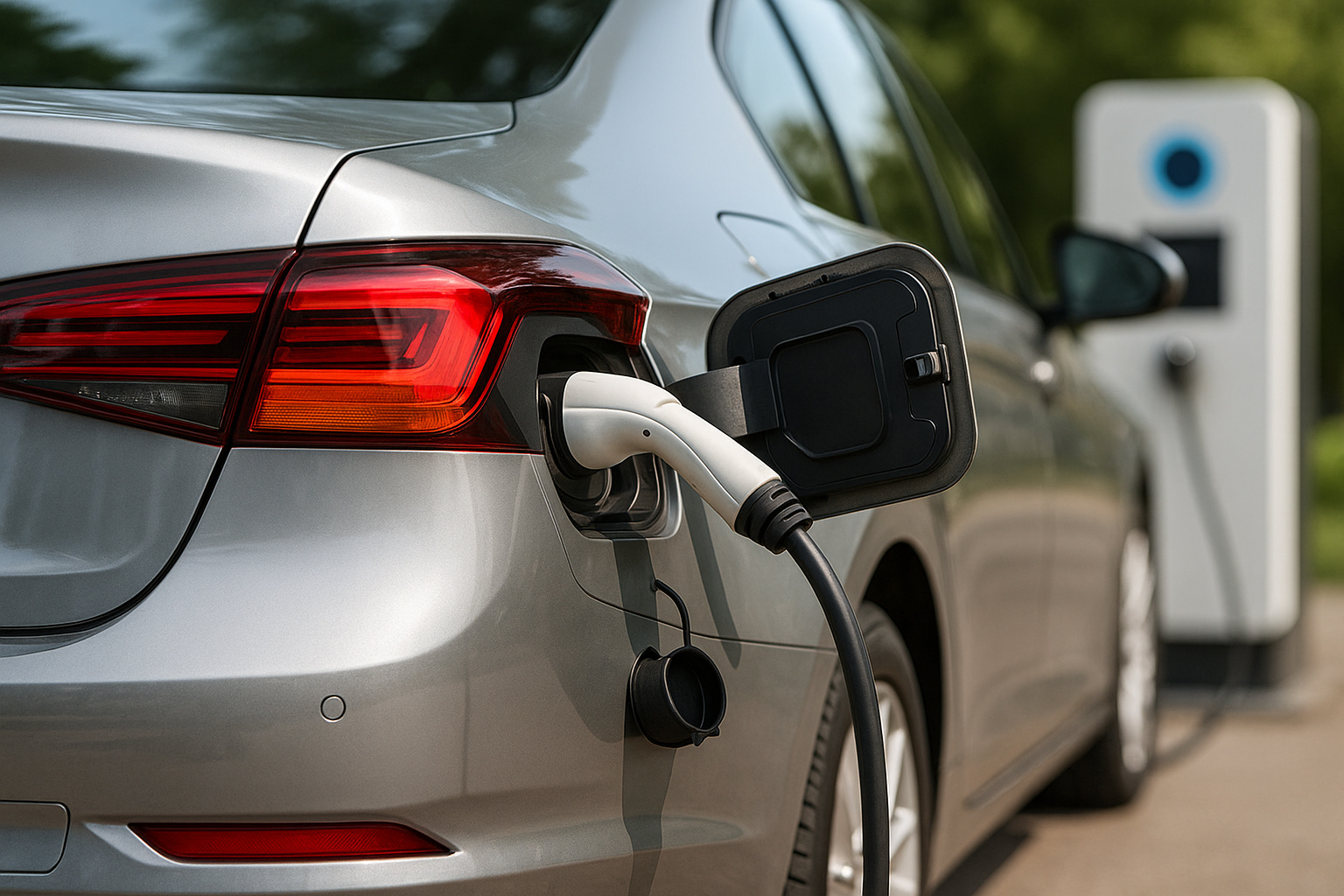


Manufacturers Enhance Durability And Efficiency Of Electric Vehicles
The durability of electric cars has become a central theme in discussions about the future of mobility. With rapid technological advancements, especially in batteries and energy management systems, the lifespan of these vehicles already rivals — and even exceeds — that of combustion models.
Since 2022, experts and universities have been analyzing the behavior of these automobiles. The studies reveal data that completely changes the perception of their longevity.
Reliability Proven By International Studies
According to research conducted by the University of Birmingham (UK) between 2005 and 2022, the first electric cars available on the market had reliability ratings lower than gasoline or diesel models.
-
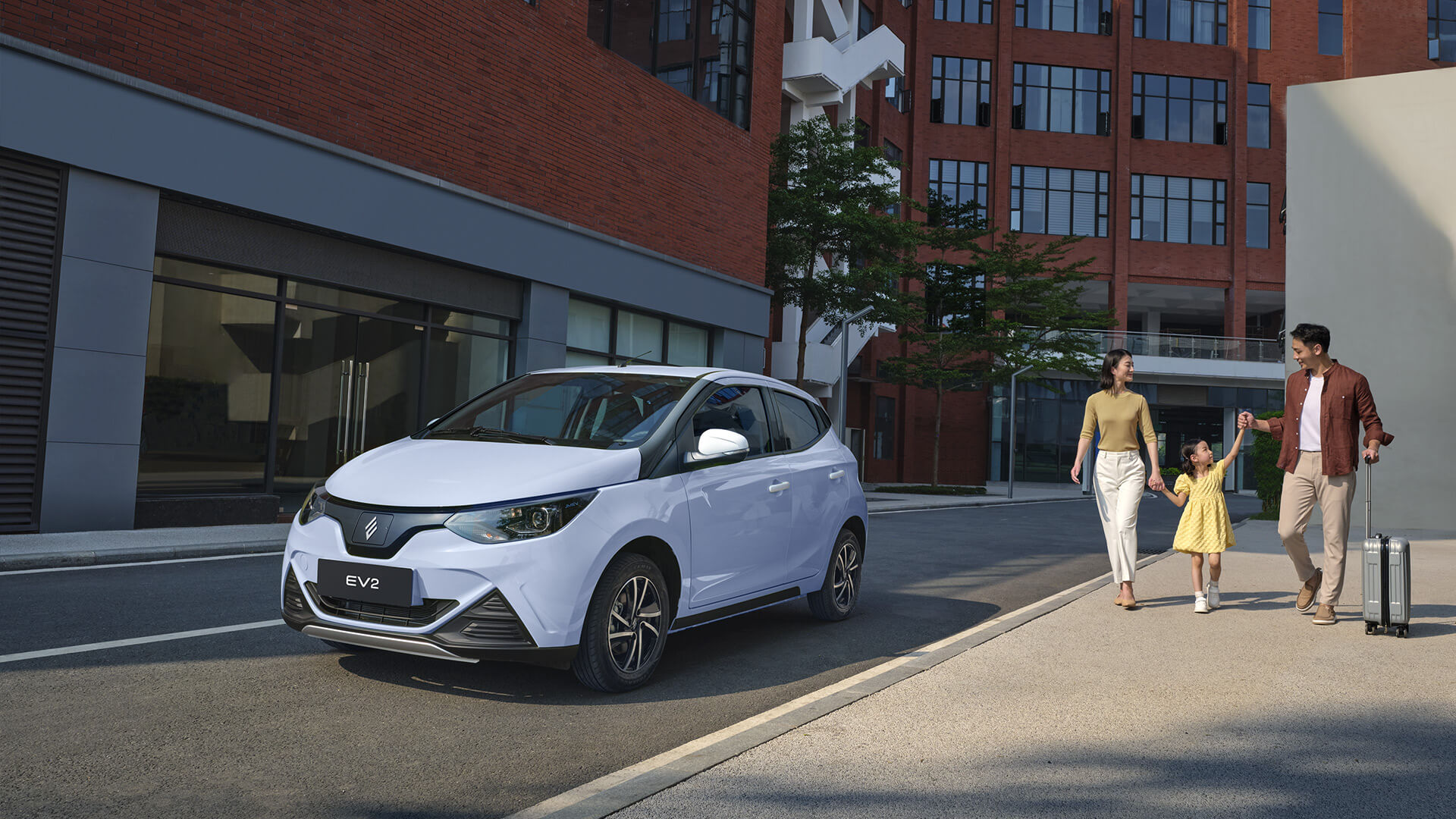
Goodbye expensive popular car: electric vehicle for less than R$ 70,000 starts being sold in Brazil with a range of 200 km and targets those looking to escape gasoline.
-
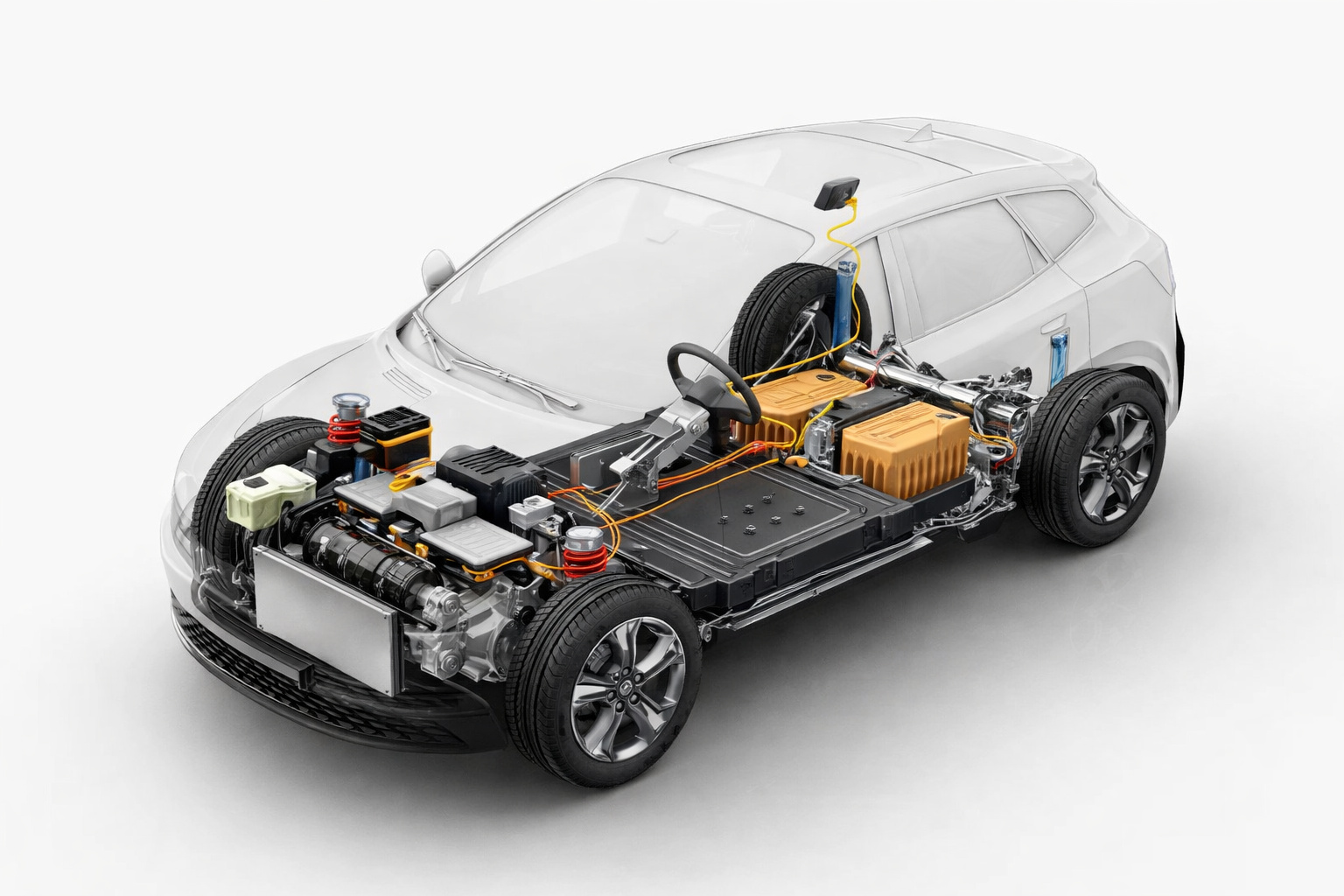
China Surprises Automotive Industry With Battery That Promises Electric Car Able to Run Up to 1,000 km Without Recharge
-
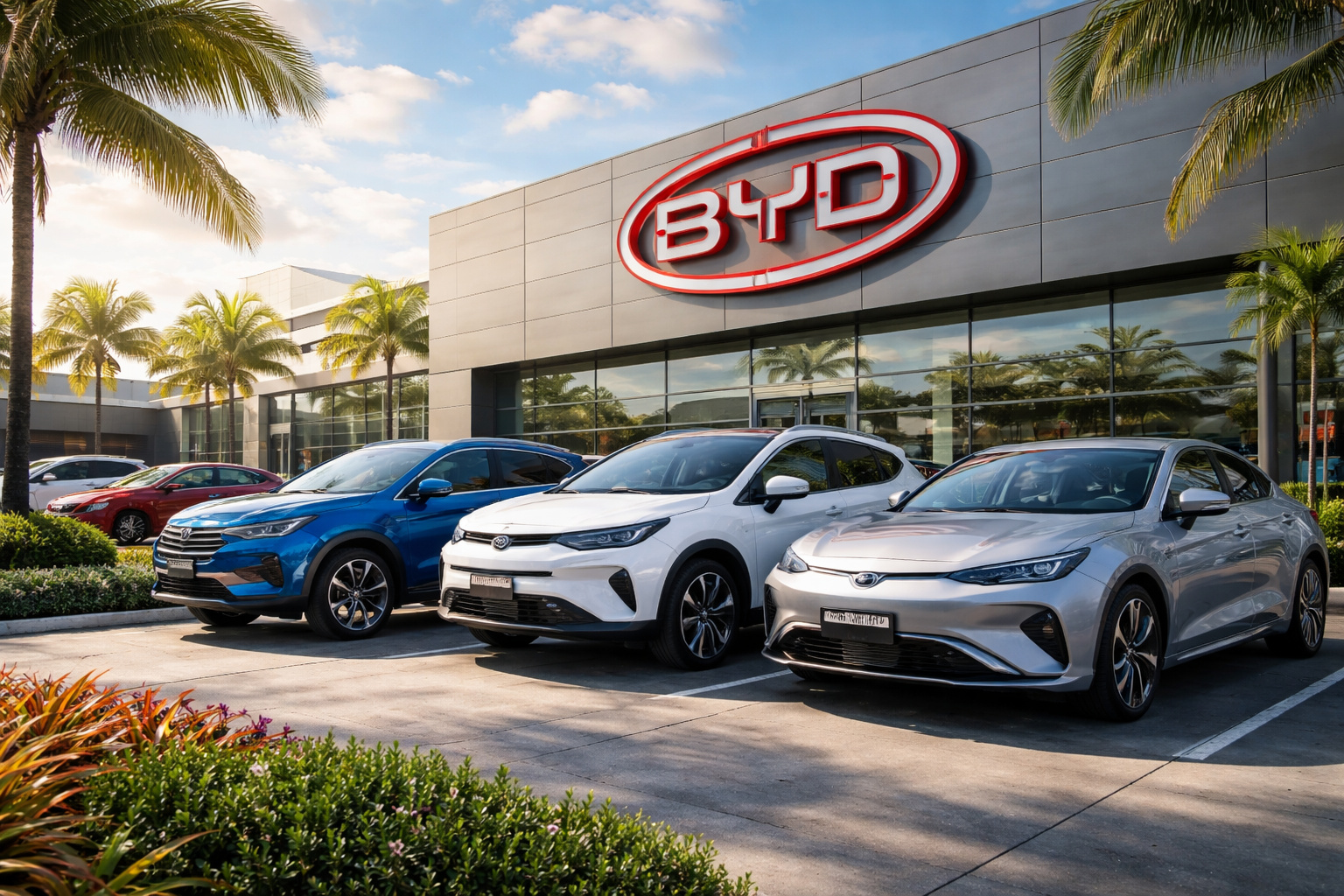
Why BYD Grew So Fast in Brazil and How Blade Batteries, Electric Cars, and Industrial Incentives Shaped This Expansion in the National Automotive Sector
-
Electric Cars Make Progress in Brazil in 2026 and Promise to Reduce Drivers’ Costs with Cheaper Energy, While Infrastructure Grows Slowly Across the Country
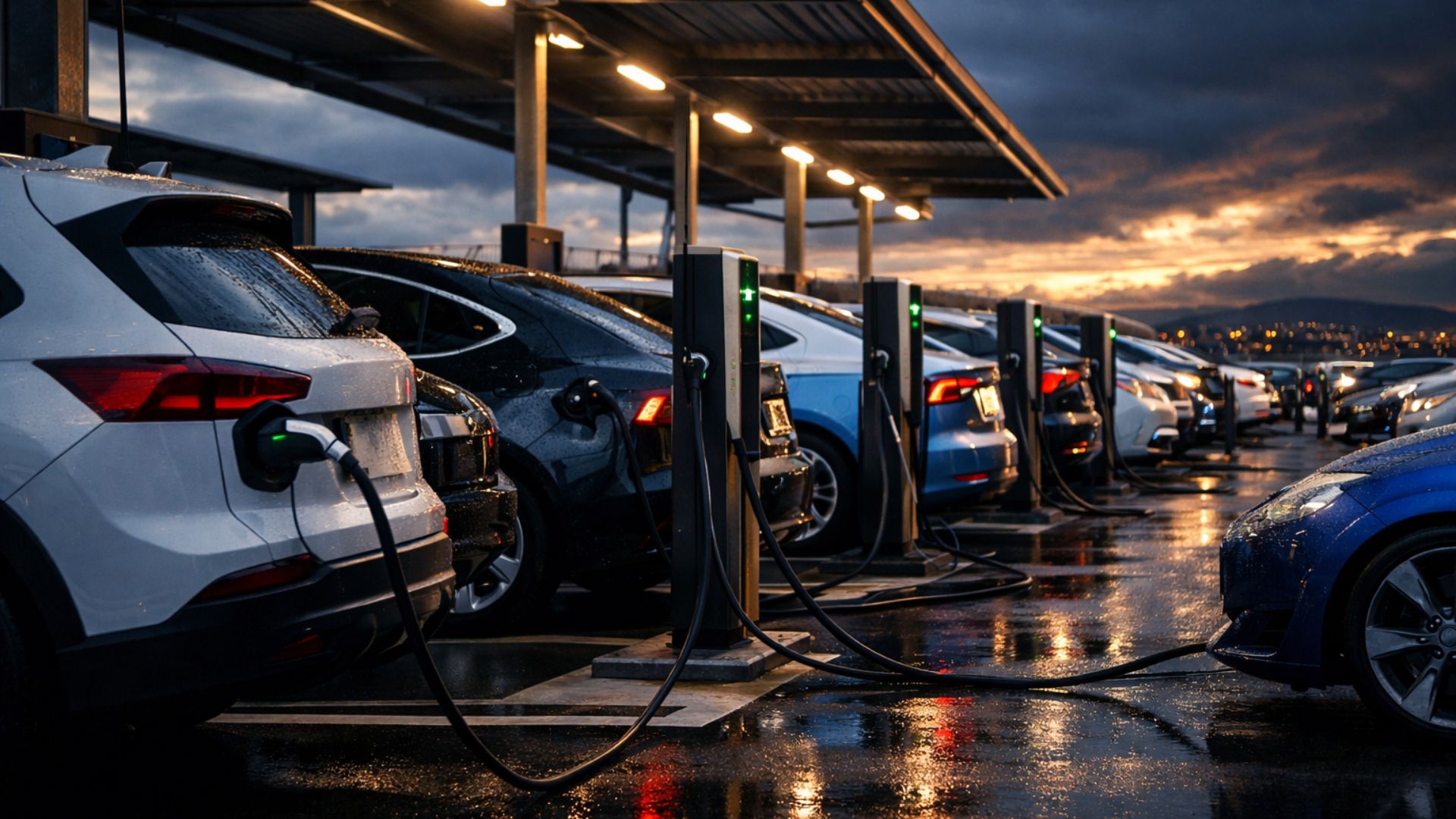

However, the rapid technological evolution forced researchers to revise their conclusions.
In a new edition of the study published in 2023, it was found that modern electric vehicles have reduced the likelihood of failures by 12% per year.
Meanwhile, combustion engine vehicles recorded only 6.7%.
This demonstrates that, with each new generation, manufacturers can significantly enhance the durability and operational efficiency of their electric models.
Additionally, according to researchers, the electronic components and electric propulsion systems are becoming increasingly resistant to wear.
This is due to improvements in thermal control software and the use of more durable materials.
Thus, electric cars are proving to be as reliable as conventional ones — and, in many cases, even more so.
Longevity And Performance Of Batteries In Numbers
According to the University of Birmingham, the average lifespan of an electric car is 18.4 years.
The average range is approximately 200,000 kilometers (124,000 miles) before requiring significant component replacement.
This data represents an important milestone.
Until the beginning of the last decade, it was estimated that the average durability did not exceed 10 years.
The determining factor, however, is the lithium-ion battery, whose evolution has been remarkable.
The same study showed that the latest batteries degrade by only 1.8% per year.
This rate is considered extremely low and indicates greater energy stability.
In 2019, an analysis by Geotab, a global reference in telematics technology and fleet management, pointed to an average degradation rate of 2.3% per year.
The reduction in this rate in recent years demonstrates the continuous effort of manufacturers to improve the design and thermal management of batteries.
These factors directly influence their durability.
Continuous Evolution Of The Electric Automotive Industry
As the sector invests in research and innovation, the performance and durability of electric vehicles continue to grow.
Manufacturers such as Tesla, BYD, Nissan, and Volkswagen have directed billions of resources toward developing new solid-state battery technologies.
These innovations promise ranges exceeding 500,000 kilometers, with low degradation over time.
In addition, the integration of intelligent monitoring systems for charging and temperature has allowed for failure prevention and increased energy efficiency.
This ensures that wear over the years is reduced.
These advances reinforce that electric vehicles are not only a sustainable alternative but also a reliable and long-lasting option.
They offer simpler maintenance and reduced operational costs over time.
The Future Of Electric Durability
Based on the latest analyses and the constant evolution of automotive engineering, it is possible to state that the lifespan of electric cars is likely to grow even more.
The expectation is that, by 2030, models equipped with next-generation batteries will exceed 25 years of functional use.
They should maintain stable and sustainable performance.
Thus, the transition to electric mobility not only reduces emissions.
It also ensures more durable, economical, and reliable vehicles, redefining the concept of automotive longevity.









Gu
O carro elétrico pode ser uma alternativa para a mobilidade mas, não para a desfocilização…de onde vem a energia pra carregar a bateria?