





 Portuguese
  English
  Spanish
  5 min of reading
  0 comments


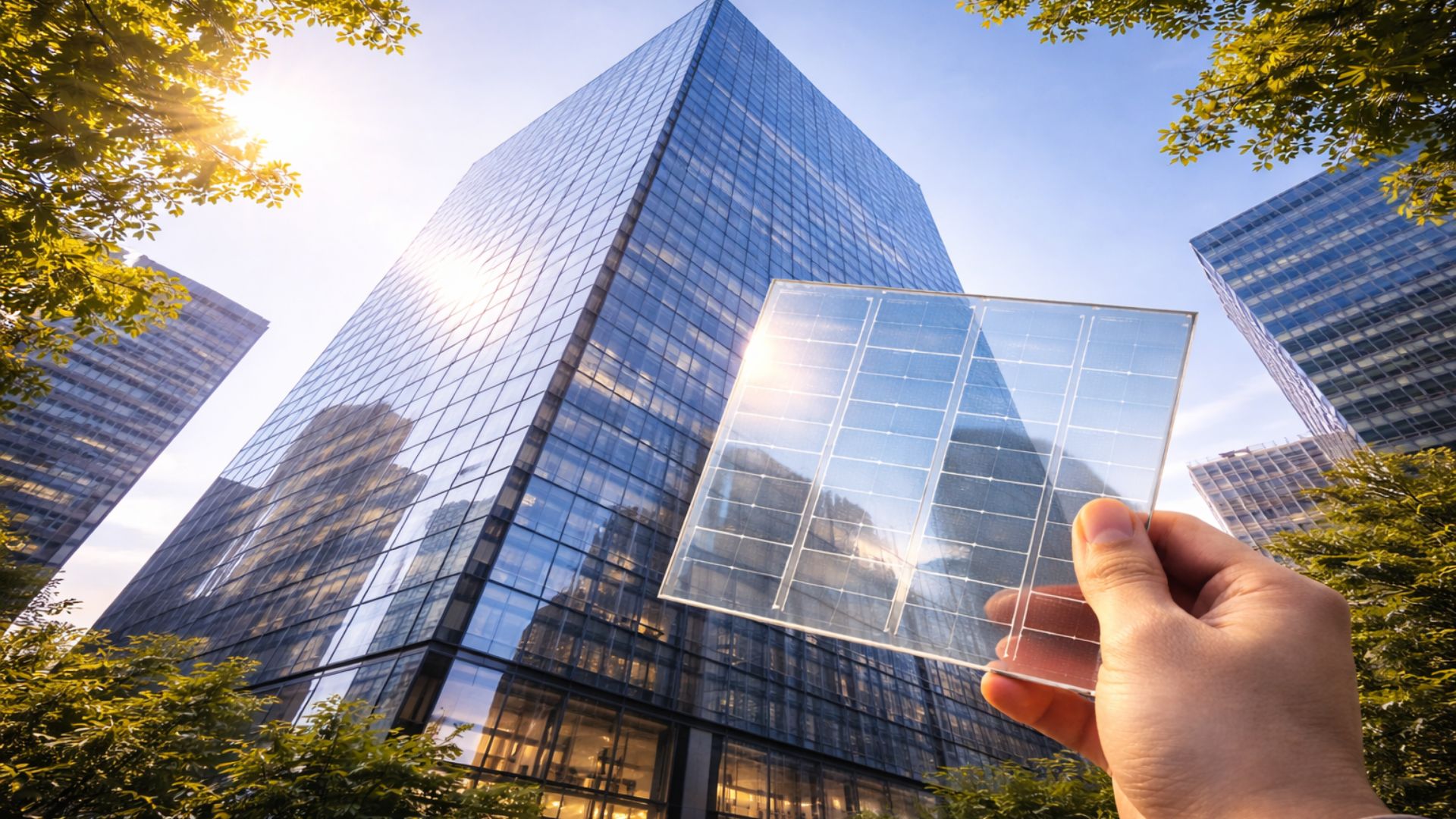
Sustainable Architecture Gains Momentum with Solar Energy Integrated into Building Facades. Photovoltaic Glass Expands Clean Generation in Cities and Redefines Urban Efficiency.
Integrated solar energy into urban architecture has definitely entered the radar of major cities. The advancement of photovoltaic glass, capable of transforming building facades into active surfaces for clean generation, marks a new stage in the energy transition and sustainable construction.
According to an article published by Olhar Digital this Monday (2), the technology allows buildings to stop being mere consumers of electricity and start producing part of their own energy silently, decentralized, and environmentally responsibly.
Integrated Solar Energy Redefines the Role of Building Facades in Cities
According to recent analyses by the sustainable architecture sector and specialized technical publications, integrating photovoltaic systems into the construction elements themselves expands the potential of solar energy in dense urban areas where roof space is limited.
-
Solar cells have just achieved the “impossible” with this 130% breakthrough.

-
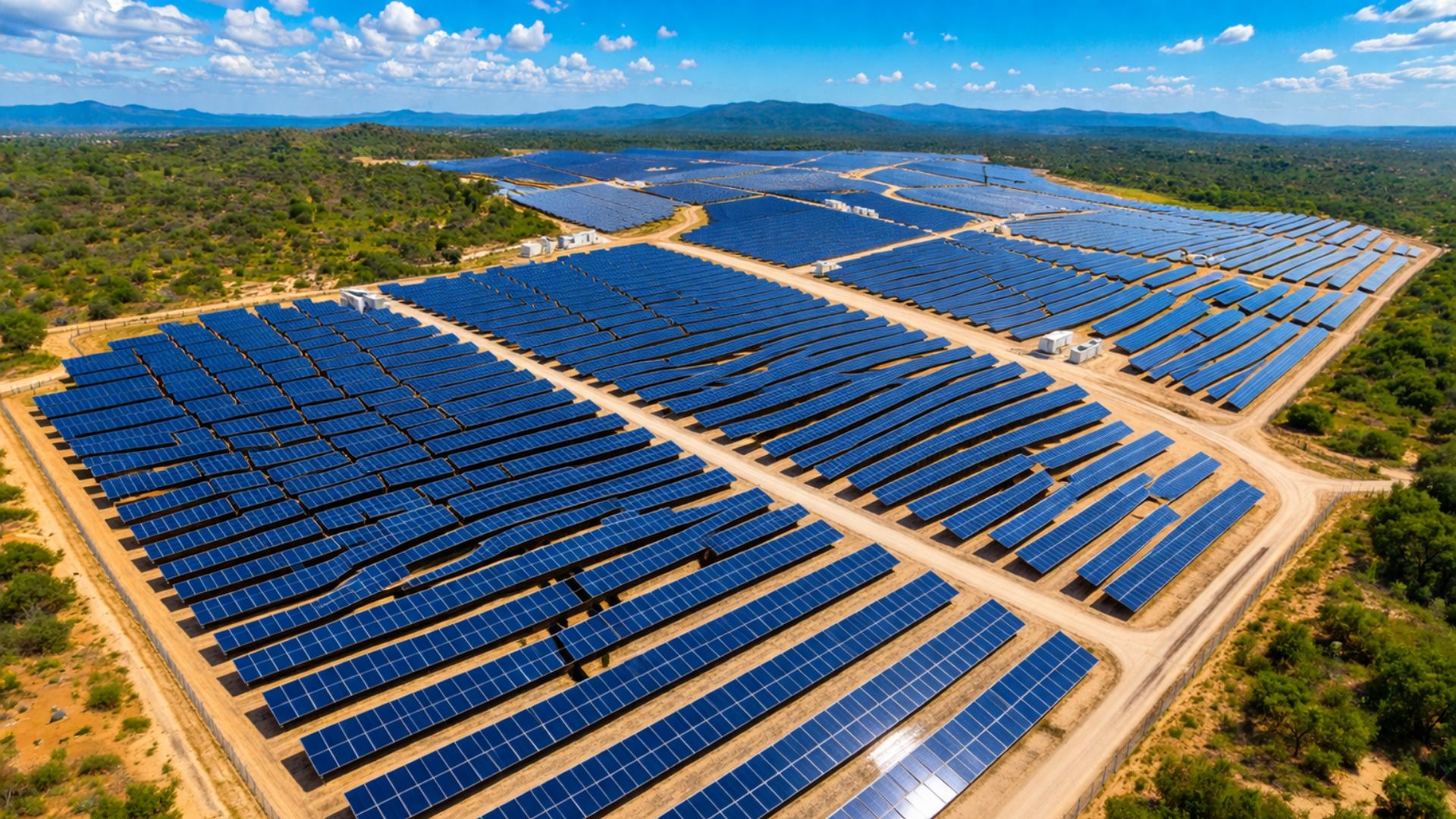
The Sol do Agreste Photovoltaic Complex begins operations in Pernambuco and accelerates the expansion of solar energy in Brazil, directly impacting the reduction of emissions and strengthening the sustainable energy matrix.
-
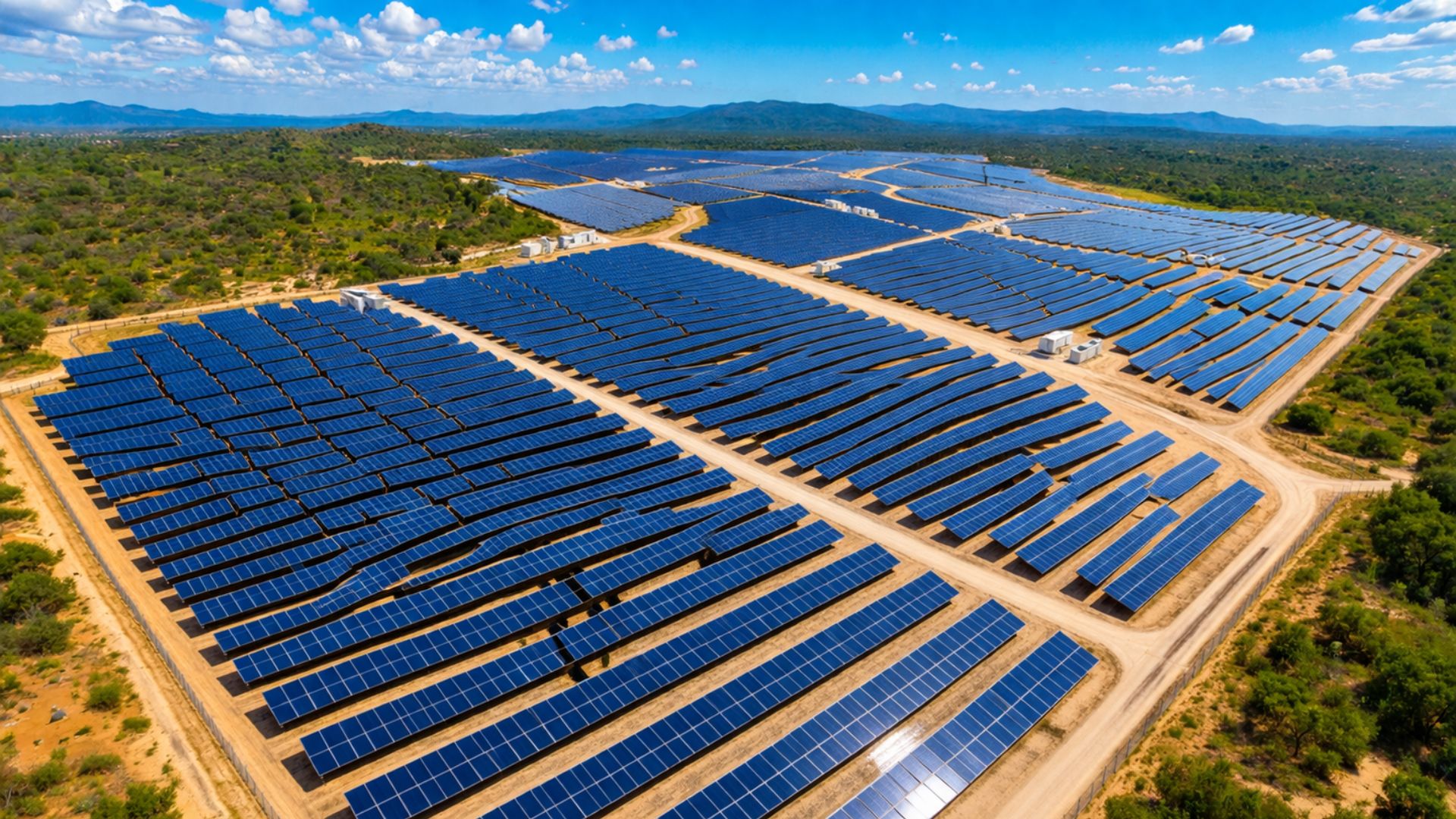
The Sol do Agreste Photovoltaic Complex begins operations in Pernambuco and accelerates the expansion of solar energy in Brazil, directly impacting the reduction of emissions and strengthening the sustainable energy matrix.
-
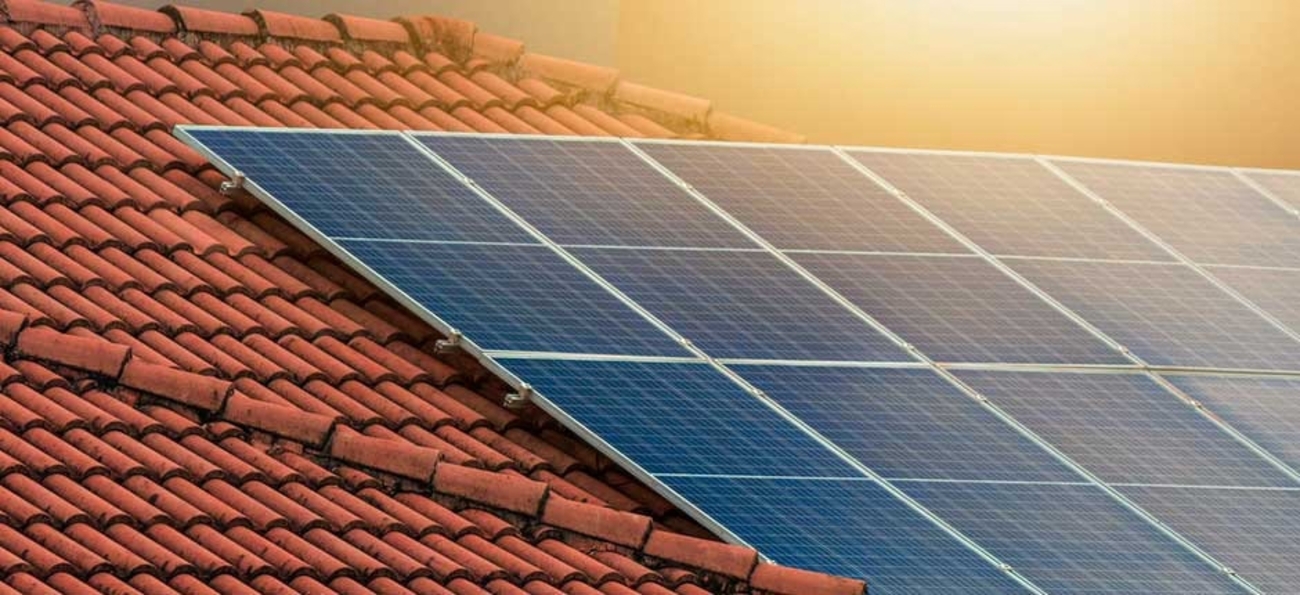
Roraima bets on the sun to escape high tariffs: Amid the energy crisis and price hikes, solar energy is growing in Roraima and transforming consumption in the North region.

Thus, facades gain prominence by combining energy efficiency, aesthetics, and technological innovation, positioning photovoltaic glass as one of the most promising solutions for smart cities. The building ceases to be passive and becomes part of the urban energy infrastructure.
Integrated solar energy, technically known as BIPV (Building-Integrated Photovoltaics), involves replacing traditional materials with components capable of generating electricity. Instead of panels installed overlaid, the building’s own cladding takes on this function.
In this context, building facades become strategic. Unlike roofs, which have limited area and suffer from inclination and shading restrictions, vertical surfaces offer a large available area for solar capture. In vertically developed urban centers, this characteristic significantly enhances the potential for clean generation distributed.
Moreover, integration eliminates negative visual impacts, one of the main obstacles to adopting solar energy in high-end commercial and residential buildings.

Photovoltaic Glass and the Evolution of Sustainable Architecture
Photovoltaic glass is a construction material that incorporates solar cells into its composition, allowing partial light transmission while converting solar radiation into electricity. As described in articles from Architectural Digest and industry studies, this technology has rapidly evolved in the past decade.
Initially, systems exhibited low efficiency and high costs. However, advancements in nanomaterials, transparent semiconductors, and industrial processes enabled consistent gains in performance and durability. By 2026, photovoltaic glass is already used in facades, windows, and glass curtains without compromising architectural aesthetics. Energy generation becomes part of the building’s design.
Technological Milestones that Boosted Urban Clean Generation
The consolidation of solar energy integrated into buildings is the result of a series of technological innovations over the past few years. The introduction of flexible photovoltaic cells expanded the possibilities for application on curved surfaces and complex architectural designs.
Subsequently, the development of semitransparent solar glass enabled use in large glazed areas. Today, complete systems of active building facades combine electrical generation, thermal control, and integration with smart grids. These advances have allowed clean generation to become predictable and aligned with urban energy efficiency requirements.
Advantages of Solar Energy in Building Facades
The use of integrated solar energy offers technical, environmental, and economic benefits. One of the main advantages is the full utilization of the vertical surfaces of buildings, something especially relevant in dense urban areas.
Photovoltaic glass also contributes to thermal insulation, reducing direct heat incidence inside environments. As a result, there is a decrease in air conditioning consumption and better thermal comfort throughout the year, reinforcing the gains of clean generation.
In the real estate market, buildings that incorporate sustainable solutions tend to have higher value. Energy efficiency has become a decision criterion for investors, companies, and residents. Sustainability has ceased to be a differential and has become an asset.
Differences Between Traditional Systems and Integrated Photovoltaic Glass
Although traditional solar energy panels on roofs still exhibit high efficiency per square meter, they have structural and aesthetic limitations. Meanwhile, photovoltaic glass stands out when integrated from the architectural design phase.
In building facades, individual efficiency may be slightly lower compared to conventional panels. However, the large available area compensates for this difference, resulting in significant volumes of clean generation throughout the day.
Another important point is the cost. Since photovoltaic glass replaces traditional construction materials, part of the investment is absorbed by the construction itself, reducing additional financial impact.
Solar Energy, Urban Planning, and Sustainability
The adoption of integrated solar energy is directly related to the concept of smart cities. By generating electricity on-site, buildings reduce the overload on transmission networks and minimize electrical losses.
Active building facades contribute to the decentralization of the energy matrix and strengthen urban resilience. In peak demand situations or supply instability, local clean generation can act as a supporting element for the electrical system. Moreover, the reduction of greenhouse gas emissions reinforces climate commitments made by governments and companies in the international arena.
How to Start a Project with Photovoltaic Glass in 2026
The successful implementation of integrated solar energy requires technical planning from the project’s inception. Specialized architects and engineers conduct studies on insolation, solar orientation, and urban shading to define which building facades perform best throughout the year.
The choice of the type of photovoltaic glass should consider factors such as transparency level, installed power, and integration with the building’s electrical system. When properly sized, the system ensures clean generation compatible with the projected energy demand. Planning is what transforms innovation into real efficiency.
Trends for Solar Energy and Smart Facades in the Coming Years
Experts point out that the trend is for accelerated expansion of integrated solar energy in commercial, residential, and public buildings. The gradual reduction of costs and the expansion of regulatory incentives should further boost the use of photovoltaic glass.
Building facades are likely to become multifunctional, combining electrical generation, thermal control, natural lighting, and digital integration with building management systems. This movement consolidates clean generation as a structural part of the urban environment.

The Future of Cities Begins at the Facades
The transformation of building facades into active surfaces for clean generation symbolizes a profound shift in the relationship between architecture and energy. Solar energy, integrated through photovoltaic glass, ceases to be a complement and takes on a central role in sustainable urban planning.
What was once merely cladding now produces energy, efficiency, and value. By 2026, this innovation solidifies as one of the most relevant solutions for cities seeking to reduce emissions, increase energy autonomy, and build a smarter and more resilient urban future.






-

-

-

5 pessoas reagiram a isso.