





 Portuguese
  English
  Spanish
 3 min of reading
  0 comments


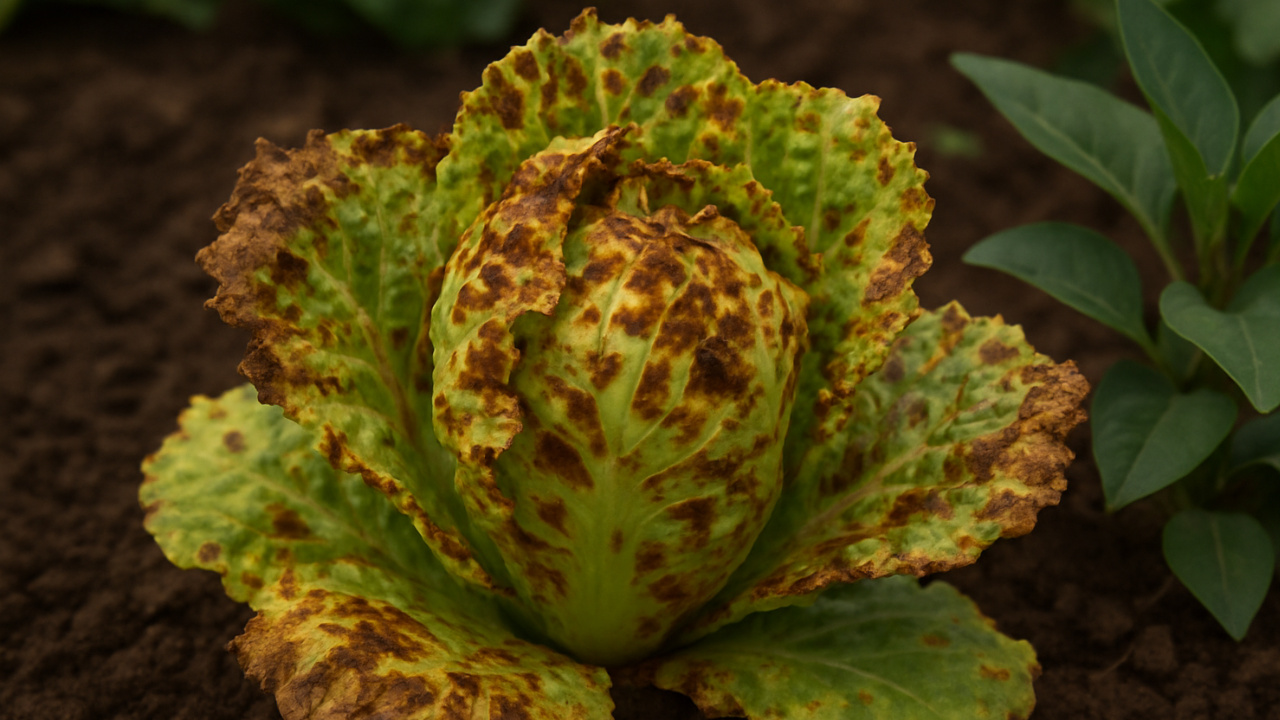
Scientists Identified The BiMoV Virus For The First Time In Brazil In 2024. Transmitted By Aphids, It Can Affect Lettuce, Chicory, And Sunflower Crops, Putting Agricultural Production At Risk.
Researchers Raised An Alarm After The Detection Of A Virus Never Before Registered In National Territory. Named BiMoV (Bidens Mottle Virus), It Was Identified In The City Of Santa Bárbara D’Oeste, In The Interior Of São Paulo, With The Potential To Impact Lettuce, Chicory, And Sunflower Crops Directly.
The Investigation Was Conducted By Scientists From The Escola Superior De Agricultura Luiz De Queiroz (Esalq-USP) In Piracicaba, In Partnership With Unesp In Botucatu. The Discovery Was Published In The Scientific Journal Scientia Agricola And Is Mobilizing The Academic Community And The Productive Sector.
Virus Is Transmitted By Aphids And Already Infects Known Plants
The Virus Was Initially Found In Two Species Of Plants: Zinnia (Zinnia Sp.) And Black Bidens (Bidens Pilosa), Both Located Near Passion Fruit Cultivations In The Municipality.
-
Alert in Ilhabela: reddish stain in the sea may pose risks to bathers at Curral and Veloso beaches this month.

-
Archaeologists discover cemetery with 160 tombs; one of them belonged to an elite woman dated to 3,000 years ago and accompanied by 19 bronze bracelets.
-
To transform desert into forest, the owner prepares a road, gravel, and ramps for 12 volunteers; a mini Chinese truck carries stones, while 50 Afghan pines receive manure, biochar, and cactus glue before the rain.
-
A study with 280,000 people reveals that concern about money can increase the risk of heart problems more than smoking and places financial pressure at the center of health.


The Zinnia Showed Typical Mosaic Symptoms, Such As Yellowish Lines On The Leaves, In Addition To Changes In The Color And Shape Of The Stem. The Black Bidens Exhibited Leaf Spots.

After Microscopic Analyses, The Scientists Confirmed That The Causative Agent Was BiMoV.
Although This Is The First Time The Virus Has Appeared In Brazil, It Is Known For Its Ability To Spread Easily Through Aphids.
When These Insects Suck The Sap From An Infected Plant, They Carry The Virus With Them And Transmit It While Feeding On Other Healthy Plants.
Lettuce, Chicory, And Sunflower Crops Are Among The Most Vulnerable
Laboratory Tests Revealed That The Virus Can Also Infect Economically Valuable Crops. Lettuce, Chicory, And Sunflower, Common In Brazilian Farms, Are Among The Potential Hosts Of BiMoV. This Raises Concerns Among Specialists Regarding The Possibility Of Dissemination On An Agricultural Scale.
So Far, The Direct Damage To The Crops Has Not Been Fully Quantified.
However, The Symptoms Observed Indicate That The Development Of Affected Plants Suffers Significant Interference. On A Large Scale, The Impact On Productivity Can Be Severe.
The Risk Of Dissemination Worries Scientists
According To Jorge Alberto Marques Rezende, One Of The Researchers Involved In The Discovery, It Is Still Unknown Whether BiMoV Is Present In Other Regions Of Brazil.
In An Interview With Jornal Da USP, He Stated: “This Work Will Serve To Find Evidence Of Occurrence And Damage In Economically Important Plants That Deserve Attention.”
The Researcher Highlights The Importance Of Continuous Monitoring To Map The Presence Of The Virus In Different Agricultural Areas.
The Aim Is To Assess The Real Threat To Economically Important Crops And Develop Preventive Strategies.
This Initiative Could Be Crucial To Contain The Spread Of BiMoV Before It Reaches Commercial Crops And Causes Wider Damage. In The Meantime, Specialists Recommend Increased Attention To The Appearance Of Symptoms On The Leaves And Stems Of The Plants.
Source: Olhar Digital







Seja o primeiro a reagir!