





 Portuguese
  English
  Spanish
  4 min of reading


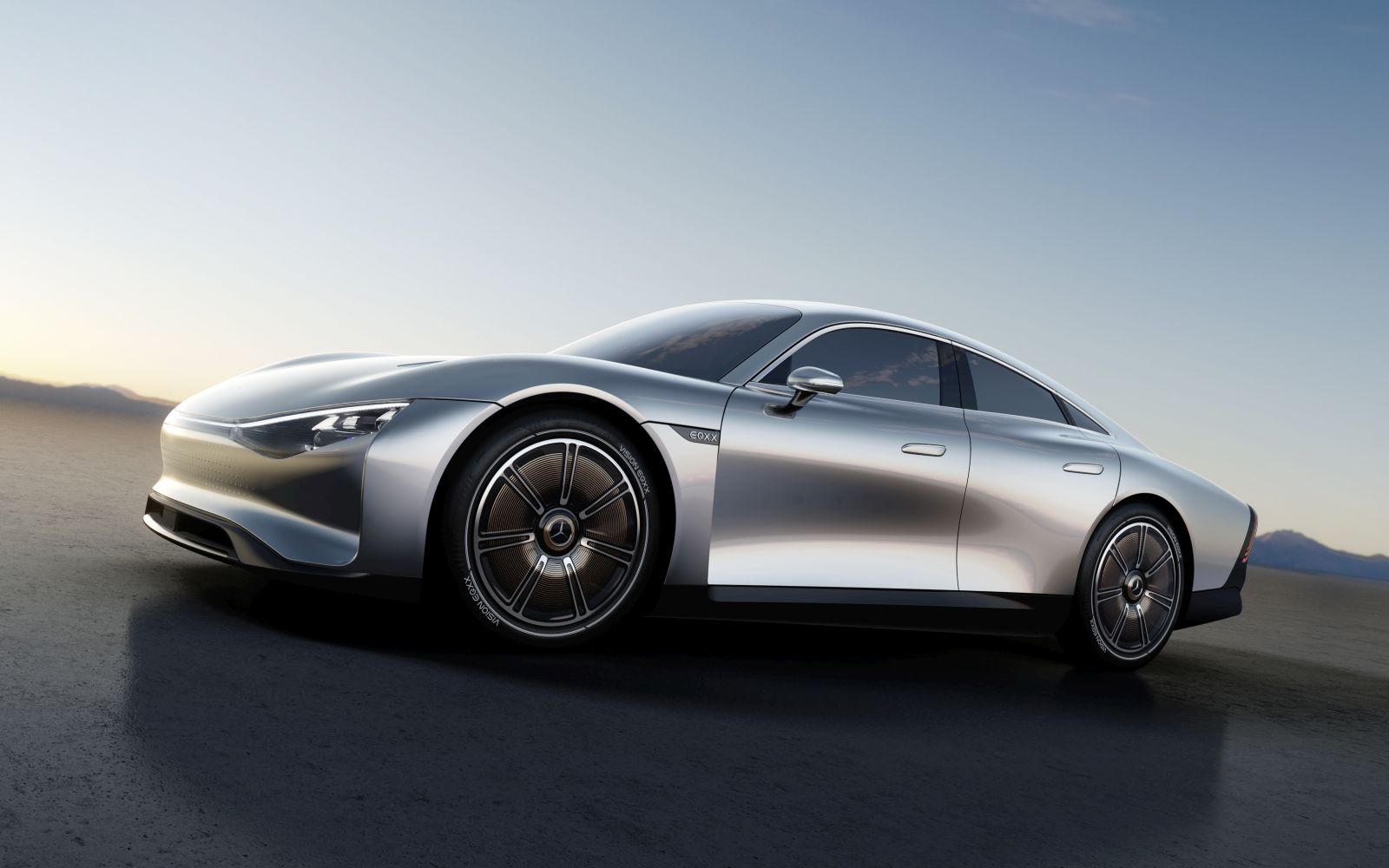
Mercedes-Benz Launched, On Monday (01/03), The Prototype Of Its Electric Car Entitled VISION EQXX That, According To The Company, Will Have A Range Of Over 1,000 Kilometers (Km) Per Charge, Marking A Significant Step In Its Electric Vehicle (EV) Ambitions.
The major challenge for automakers today is to produce an electric vehicle with an ever-increasing range. Mercedes is no exception, announcing on Monday (3) a prototype powered by electricity that promises to travel up to 1,000 kilometers on a single battery charge. This is the Vision EQXX. Daimler, which will soon be renamed Mercedes-Benz, announced plans in 2021 to invest over 40 billion euros (US$ 45 billion) by 2030 to take on Tesla (TSLA.O) in a fully electric car market, including building eight battery factories. Starting in 2025, all new vehicle platforms will only feature electric vehicles.
Read Also
The electric car VISION EQXX has been deemed the most efficient Mercedes-Benz ever built due to its range. It will have an energy consumption of less than 10 kilowatt-hours (kWh) per 100 km, claims Daimler.
Over 40 Billion Euros Invested In The Electric Car Market

Daimler, the parent company of Mercedes-Benz, announced plans at the end of 2021 to invest over 40 billion euros (US$ 45 billion) by 2030 to take on Tesla (TSLA.O) in a fully electric car market, including building eight battery factories. Starting in 2025, all new vehicle platforms will only feature electric vehicles. The Tesla S60 model currently consumes 18.1 kWh over the same distance, according to data from its website.
-
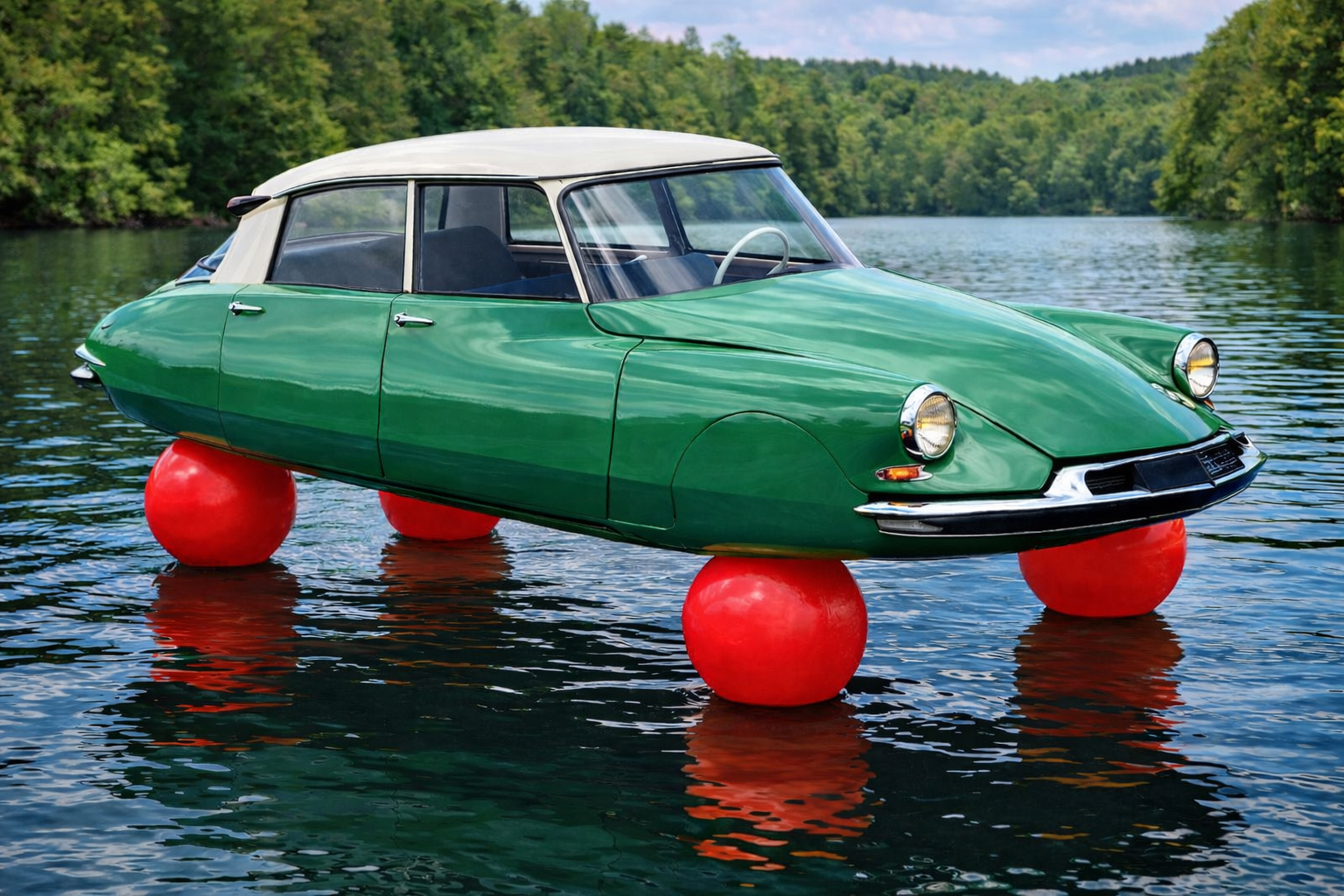
A French brand placed a car on four huge red balloons to prove that its suspension made the vehicle “float,” and the surreal scene became one of the most iconic and unusual images in automotive history.
-
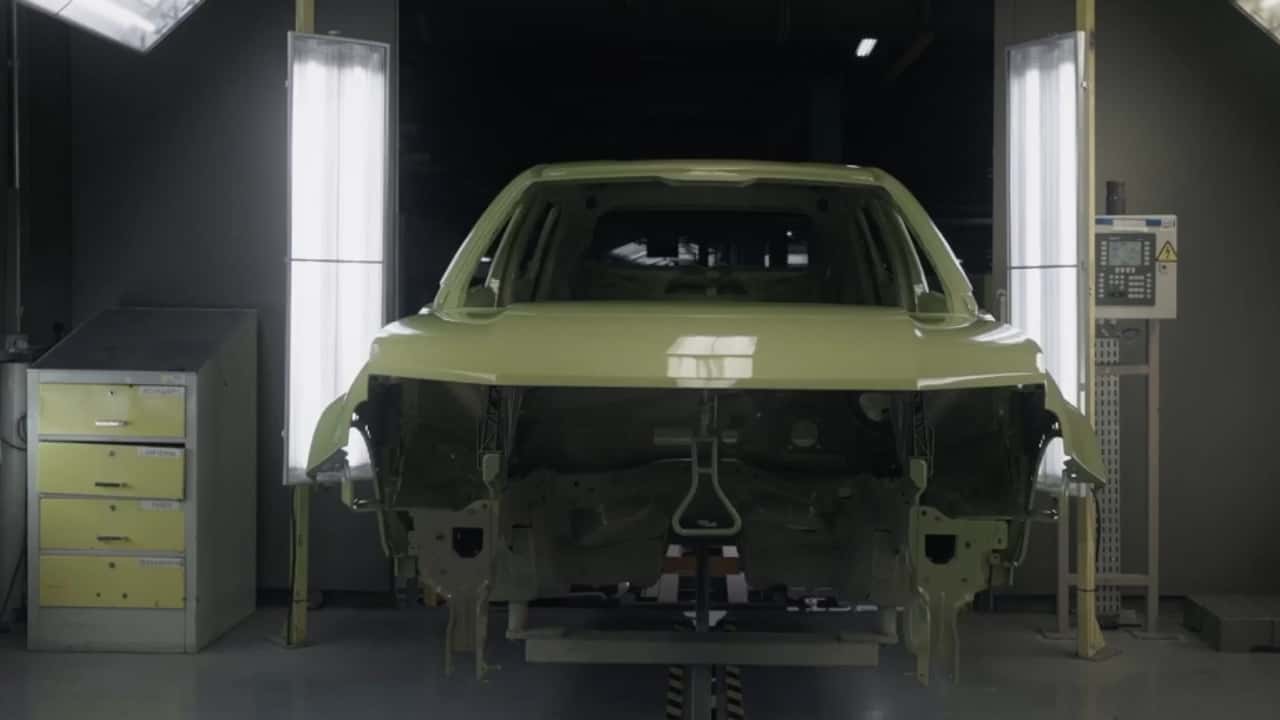
Jeep Avenger begins production in Brazil, debuting as the brand’s new entry-level SUV and inaugurating an unprecedented phase by becoming the first national Jeep manufactured outside of Goiana, as part of a R$ 3 billion plan.
-
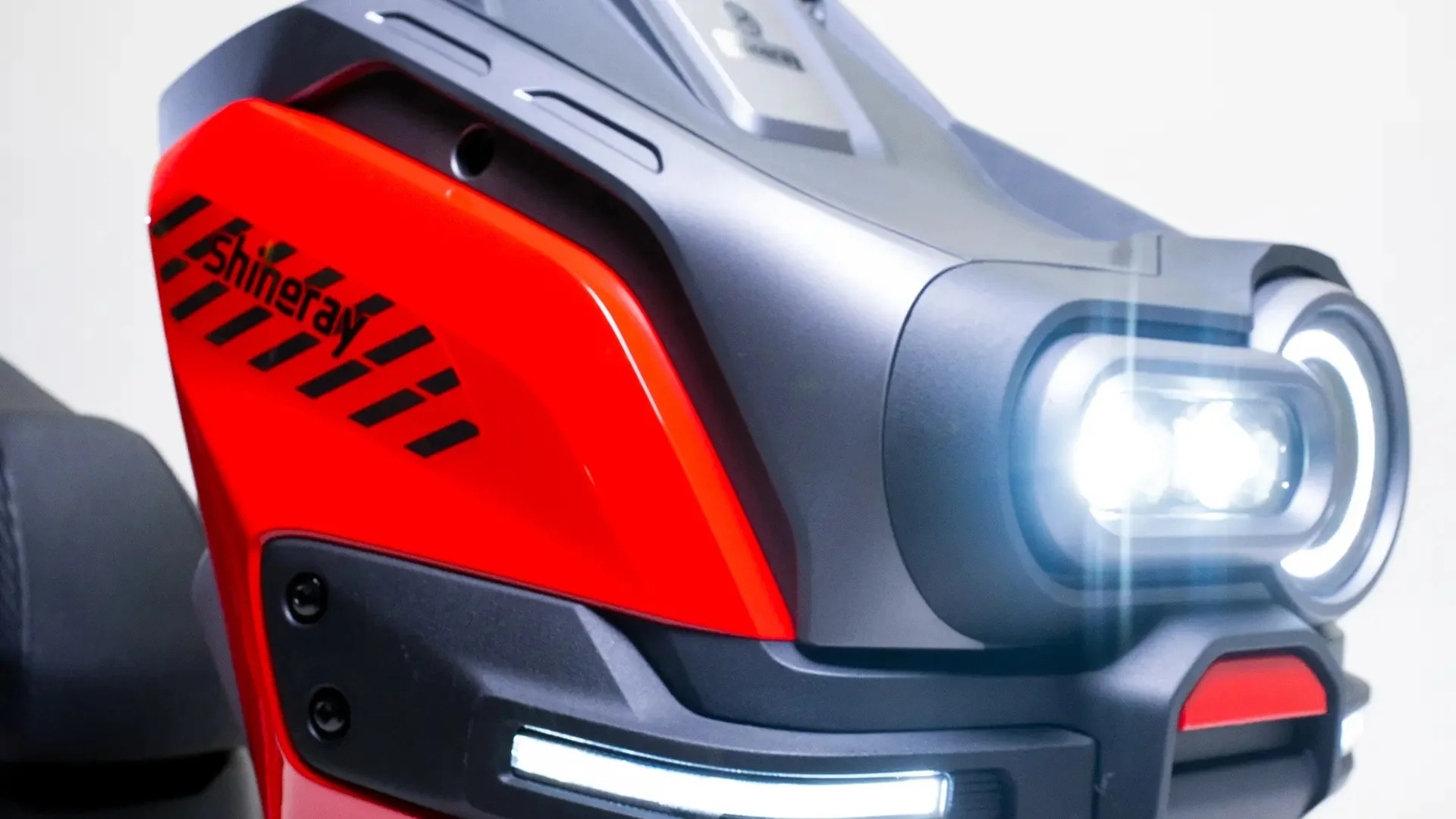
Costing R$ 12,490, the new Shineray Urban Lite 150 “cheap one” arrives in Brazil with a CVT transmission, digital dashboard, and LED lights, making it more affordable than the Biz and targeting those who want to abandon the bus.
-
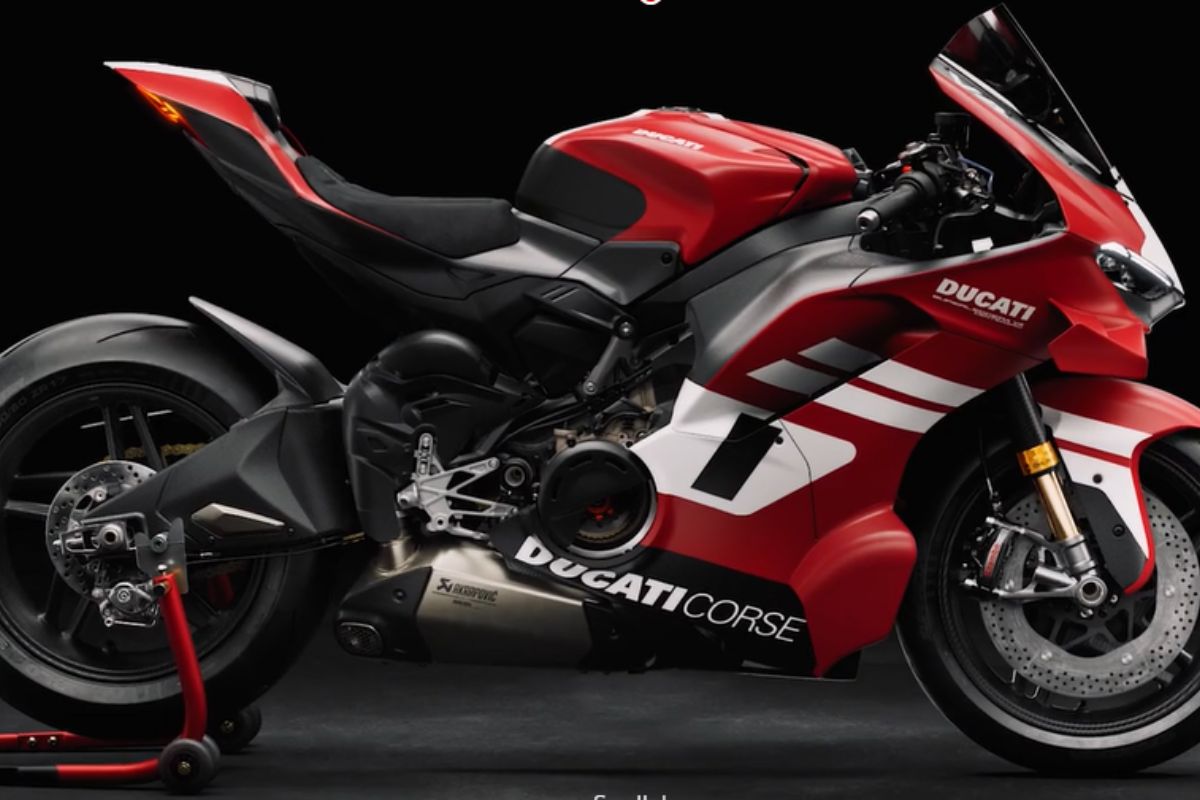
Ducati brings to Brazil the Superleggera V4 Centenario: 228 hp that become 247 with a track kit, carbon fiber and carbon-ceramic brakes, estimated price between R$ 1.5 and 2 million, deliveries only in 2027.

“The Mercedes-Benz VISION EQXX is how we envision the future of electric cars, with plenty of range and rapid recharging capability,” said Mercedes-Benz CEO, Ola Kaellenius.
Some components of the prototype will be available in Mercedes-Benz vehicles within two to three years, Schaefer highlighted. However, the CTO refused to specify when the 1,000 km battery would be ready for market.
“We will probably be the first to show a 1,000 km car in real life, with such a small battery,” said Schaefer.
When Will The Mercedes-Benz Electric Car Be Available In The Automotive Market?
“When such a vehicle would be put on sale is a “market decision” to be determined once the automaker has established the amount of range that customers expect and how much they would be willing to pay,” claims the brand’s CEO.
The prototype, built within 18 months, “puts an end to range anxiety,” said Mercedes-Benz, referring to one of the main obstacles explaining why electric vehicles are not in high demand.
The new model required the development of a new battery that, according to the company, would fit in a compact vehicle and whose energy density – measuring how much energy batteries can hold compared to their size – is about 400 watt-hours per liter.
Mercedes Achieves Level 3 Autonomous Driving And Plans Debut In The S-Class
Another step has been taken towards fully self-driving cars. The KBA, Germany’s top transportation agency, validated the Drive Pilot driving system, developed by Mercedes-Benz, within the requirements that place it at Level 3 of vehicle automation. Thus, the three-pointed star brand becomes the first automaker in the world to apply this technology, with a forecast debut in 2022.
Automation levels are defined by the SAE, which classifies vehicles from 0, with no automation, to 5, for fully autonomous cars, with steering wheels and pedals completely dispensable. In the case of Tesla’s Autopilot, the level is 2+, which, although impressive, still does not allow the driver to abandon the steering wheel. The debut of Drive Pilot will occur with the S-Class in the first half of next year.
The Mercedes sedan will be able to drive autonomously at speeds of up to 60 km/h without the driver needing to hold the steering wheel or press the pedals. This speed can be achieved in heavy traffic or congestion on the Autobahns, high-speed roads that allow the use of the technology.
According to Mercedes, in heavy traffic situations with Drive Pilot, the driver will be able to access the MBUX multimedia system to, for example, check emails or make online purchases while the car drives completely on its own in traffic jams.








Seja o primeiro a reagir!