





 Portuguese
  English
  Spanish
  3 min of reading
  0 comments


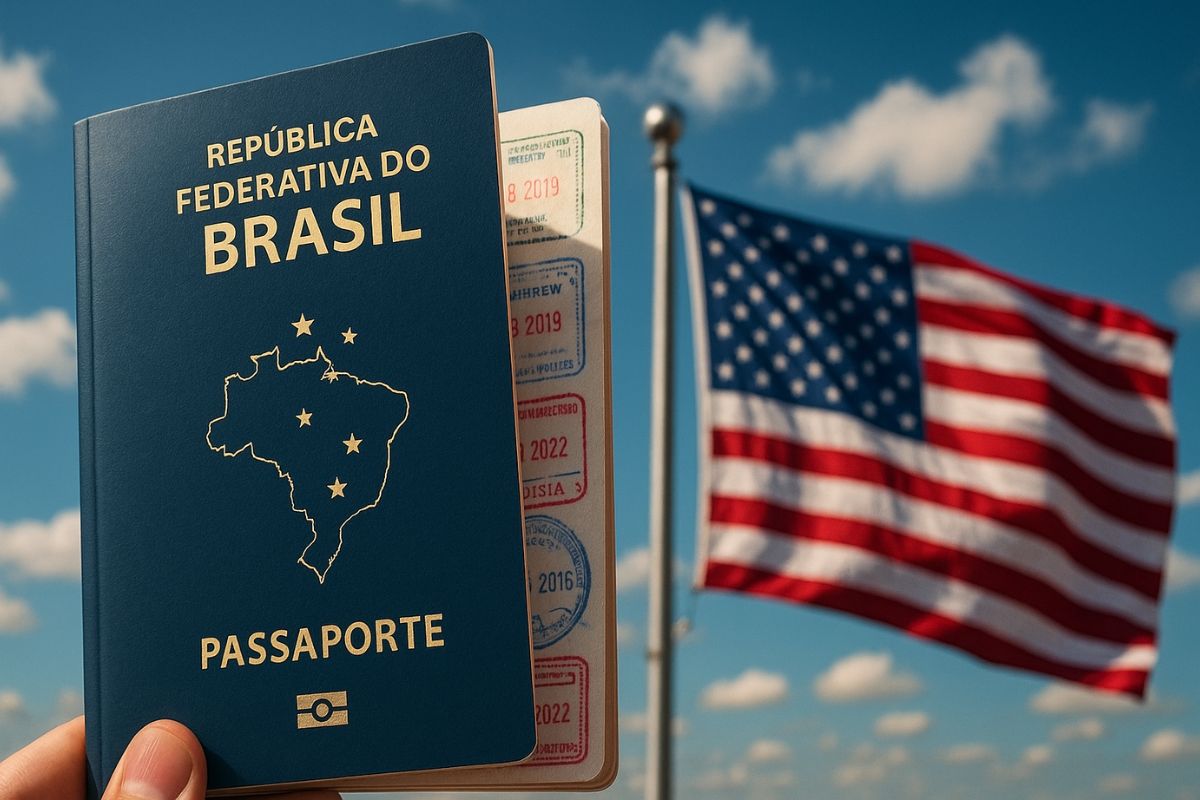
American Visa Will Have New Rules Starting September 2: See What Changes. The US Embassy confirmed that the American visa will have new rules for in-person interviews, affecting mainly first-time applicants.
The American visa will have new rules starting September 2, according to a statement from the United States Embassy in Brazil, released this Monday (25) and cited by Estadão. The changes directly affect non-immigrant visa applicants, such as those for tourism and business, and aim to increase control over consular processes.
According to the new guidelines, all individuals applying for the visa for the first time will have to undergo an in-person interview. Those who are renewing their visa may be eligible for an interview waiver in some cases, provided they meet the deadlines and categories defined by American authorities.
What Changes With the New American Visa Rules
Previously, children under 13 years old and seniors over 80 years old could apply for the visa without an interview. With the new rules, this exemption no longer exists for first-time applicants, regardless of age. This means that a larger number of people will need to attend consulates and embassies for the in-person stage.
-
Brazilian city bets on the business environment to generate jobs and attract investments in the energy sector — secretary reveals strategy at Macaé Energy 2026.

-
50 viaducts, 4 tunnels, 28 bridges, and 40 kilometers of bike paths: BR-262 in Espírito Santo will receive 8.6 billion reais for the largest engineering project in the state’s history, inspired by the Immigrant Highway in São Paulo.

-
Brazil produces too much clean energy and doesn’t know what to do with it: over 20% of solar and wind capacity was wasted in 2025 while investors flee and 509 renewable generation projects were abandoned in the last year.

-
Piauí will produce a new fuel that replaces diesel without needing to change anything in the truck’s engine and reduces pollutant gas emissions by half: truck drivers from all over the Northeast are already celebrating the news that will arrive later this decade.


On the other hand, those who already had a previous visa and simply wish to renew it may be eligible for a waiver of the interview, as long as the document expired no more than 12 months ago. This rule applies to tourist visas (B-2), business visas (B-1), and the combined B1/B2 model.
Who Will Be Affected By the Changes
In practice, first-time American visa applicants will be the most impacted. They will have to schedule in-person interviews in locations such as São Paulo, Rio de Janeiro, Brasília, Recife, and Porto Alegre, where the consulates operate.
Meanwhile, Brazilians who already have a travel history to the United States and are only renewing their document will have a simplified process, as long as they meet the established requirements. This flexibility aims to reduce queues and waiting times, but also reinforces security controls in new issuances.
Why the United States Adopted the Change
According to the Embassy, the goal is to ensure greater security and standardization in visa issuance. The increase in demand for travel to the US has also put pressure on the consular system, requiring adjustments to balance the interview load with renewal requests.
Moreover, the US government seeks to provide more transparency in the process, following criticisms regarding long waits for appointments and differing treatment among applicant profiles. With the new American visa rules, the priority will be to expedite renewals while reinforcing the analysis in cases of first requests.
The announcement that the American visa will have new rules starting in September changes the routine for those planning to travel to the United States in the coming months. First-time applicants will need to prepare for interviews, while renewals can be done more efficiently.
Do you think this measure will make life easier or harder for Brazilians who want to travel to the US? Does the change bring more security or just more bureaucracy? Share your thoughts in the comments — we want to hear from those who experience this firsthand.










Seja o primeiro a reagir!