





 Portuguese
  English
  Spanish
  4 min of reading
  0 comments


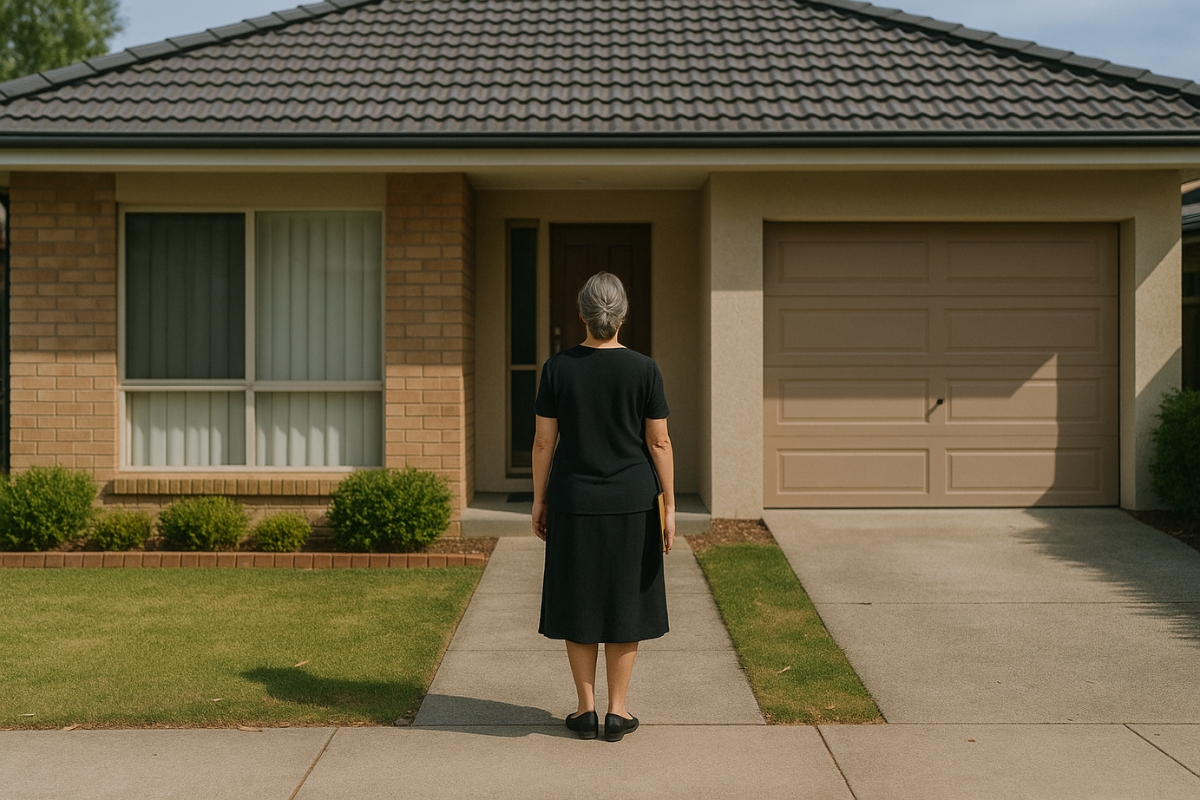
The STJ Has Limited The Widow’s Right To Remain In The Couple’s Property. When There Is Another Property, Harm To Heirs, Or A Blockage Of Division, The Court May Withdraw The Right To Housing Provided In The Civil Code
The question may seem simple, but it is one of the topics that generates the most discussion in notaries, law offices, and courts across the country: after all, does the widow or widower really have an automatic right to continue living in the property where the couple resided? Many people believe so.
However, recent decisions from the Superior Court of Justice indicate that this right is not as absolute as it seems and can, indeed, be set aside in specific situations.
The discussion gained momentum especially after rulings in which the court emphasized that the purpose of the law is to protect those who genuinely depend on that property, not to create a privilege that harms other heirs.
-
The Chamber opens a debate on driver’s licenses at 16 years old as part of a reform that includes around 270 proposals to change the Brazilian Traffic Code and may redesign rules for licensing, enforcement, and circulation in the country.

-
The new Civil Code could revolutionize marriages in Brazil with “express divorce” and changes that could exclude spouses from inheritance.

-
Banco do Brasil sues famous influencer for million-dollar debt and intensifies debate on delinquency, risks of seizure, and direct impact on Gkay’s credibility.

-
The Senate approves a bill that criminalizes misogyny, hatred, or aversion towards women, and includes the crime in the Racism Law with a penalty of up to 5 years.


In recent years, cases involving conflicts between stepmothers, stepfathers, stepchildren, and biological children have multiplied, and each situation has revealed new nuances about how the right to housing, as foreseen in the Article 1,831 of the Civil Code, should be interpreted.
The rule exists to prevent the surviving spouse from losing their home, but the scenario changes when there are other properties, compromised division, or evident property conflicts. It is at this point that the STJ has acted more firmly, establishing limits that many people might not even imagine.
What Is The Right To Housing And Why Is It No Longer So Absolute
By law, the surviving spouse has the right to continue living rent-free in the property that served as the family’s residence, even if the children are direct heirs of the asset. This benefit is lifetime, does not allow for rental charges, and aims to guarantee the security of those who have lost their partner. Up to this point, everything seems simple.
However, real life is almost never simple. The STJ has analyzed various cases where the widow owned another property, capable of fully accommodating her residence. In these situations, the court understood that maintaining the right to housing would be excessive.
The most cited decision is the REsp 1.555.117/SP, in which ministers stated that the right cannot be used disproportionately, especially when there are already available housing alternatives for the surviving spouse.
Another point that has weighed in is when the property is the only asset in the inheritance. If the widow remains indefinitely in the location, the other heirs are prevented from selling the asset, dividing the inheritance financially, or even finalizing the probate.
In a landmark case, REsp 1.846.781/RS, the court understood that the widow’s presence blocked the entire division. The outcome: she had to leave the property so that the inheritance could be divided.
These precedents show that the right to housing is not an absolute shield, but a protection that must be analyzed with balance. The court makes it clear that if exercising this right causes tangible harm to other heirs, it can be set aside.
When Can The Widow Really Lose The Right To Live In The Property
The STJ decisions point to three main scenarios where the right to housing can be reviewed or even denied:
- When The Widow Owns Another Suitable Property
In this case, the court understands that the protection of the law is no longer necessary. The purpose is to protect those who would become vulnerable, not to favor those who already have housing alternatives.
Applicable Decision: REsp 1.555.117/SP. - When The Property Is The Only Asset In The Inheritance And Prevents Division
If the widow remains in the location for life, and this blocks the division among the heirs, the STJ considers that there is collective harm.
Applicable Decision: REsp 1.846.781/RS. - When There Are Real And Proven Losses To The Heirs
This can occur when the property cannot be sold, when one of the heirs depends on the sale to survive, or when there is a serious property conflict.
In some cases, the court even suggested that the widow be relocated to another property or receive financial compensation, provided that this does not violate the purpose of the law.
What Factors Weigh In The Decision: Economic Dependence, Age, And Lack Of Alternate Housing
Despite limiting the right in certain scenarios, the STJ emphasizes that its application remains fully valid for those who truly depend on the property. If the widow:
- is elderly,
- has low income,
- does not own another property,
- has lived in that location for years,
- and depends on that housing to maintain her stability,
the court tends to fully preserve the right to housing.
A central factor in the judgments has been economic and housing dependence. Protection remains strong when there is evident vulnerability, since the aim of the law is to prevent the surviving spouse from being placed in a state of abandonment after the partner’s death.
Therefore, each case analyzed by the courts includes an assessment of the property regime, the family’s economic context, the number of heirs, the existence of alternative properties, and the specific needs of the widow.
What was once understood as a practically automatic right now depends on a more human and balanced reading of reality.









Seja o primeiro a reagir!