





 Portuguese
  English
  Spanish
  4 min of reading
  0 comments


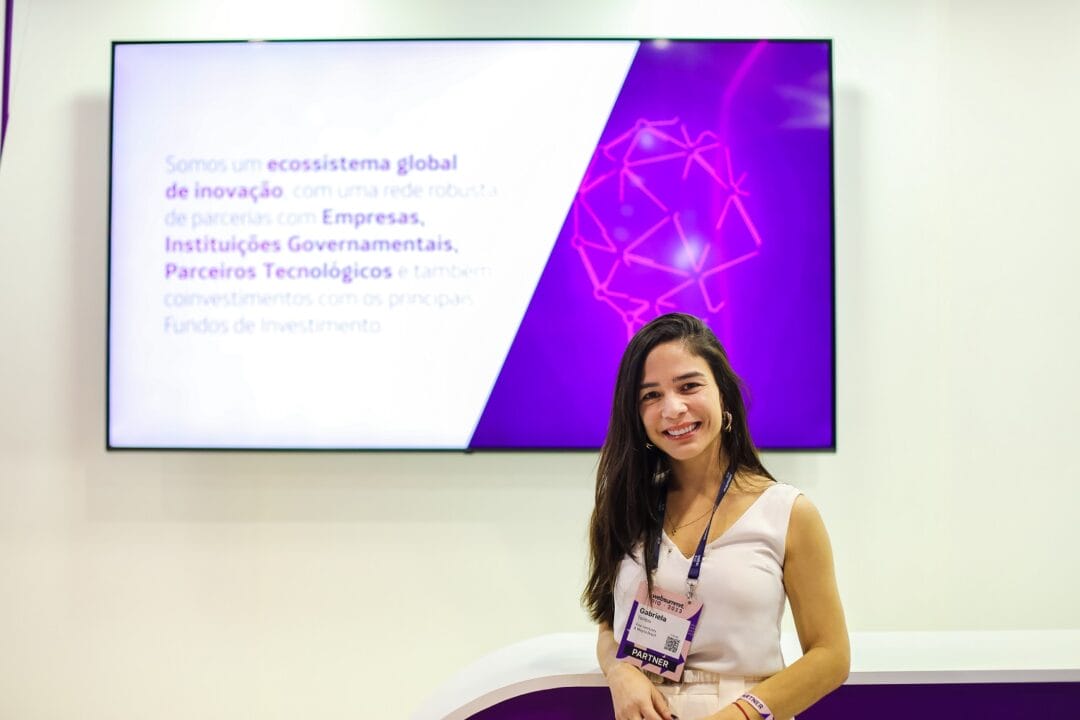
Invested Startups Bring New Products and Business Avenues for the Operator’s Core Business and Competitors.
The venture capital area of Telefónica Vivo in Brazil has been expanding with a versatile approach, investing not only in companies that develop products for the operator’s use but also aiming for profitable divestments for the parent company.
Additionally, Vivo’s investment portfolio includes companies like Klavi and Klubi, fintechs focused on financial solutions, and Trocafone, an e-commerce startup. These strategic partnerships demonstrate the company’s commitment to the entrepreneurial and technological ecosystem, strengthening its presence in the venture capital market.
Vivo and Venture Capital Investments
There is also the investor side: Vivo managed to multiply its investment in Teravoz by more than 30 times, which was sold in January 2020 to Twilio, a cloud communication company based in Silicon Valley, listed on the NYSE, that provides infrastructure for tech giants like Uber, Amazon, and Netflix). To this day, this is one of the largest
-
Offshore industrial demand in Macaé skyrockets with the recovery of oil and gas and could grow by up to 396% by 2026 in the Campos Basin.
-
Offshore industrial demand in Macaé surges with the recovery of oil and gas and could grow by up to 396% by 2026 in the Campos Basin.
-
Brazilian giant expands borders in the Southeast: Petrobras confirms new oil discovery in ultra-deep waters in the pre-salt of the Campos Basin.

-
Alert in the global energy market: Severe tropical cyclone hits the coast and disrupts gas production at major plants in Australia, threatening global supply.


exits
from the portfolio. Other sales included Gupy, which uses artificial intelligence for recruitment and selection (and is still used by Vivo in hiring, even after the sale), in addition to Cinnecta (acquired by Matera) and Netsupport.
Vivo’s Strategic Investment
We always look from the angle of what we call fit first. Is there a fit? It doesn’t need to have a fit right at the beginning, but we should envision some possibility of developing something with the startup
, says Gabriela Toribio, who leads the corporate venture capital (CVC) area of Vivo in Brazil.
It’s not just to create internal solutions at all, because we actually want the companies to grow. We invest in companies in exchange for equity, so we also make money when companies appreciate and we sell our stake
.
Venture Capital and Investment in Startups
Vivo invests in these innovative companies through Wayra Brasil and Vivo Ventures. Wayra has so far invested about R$ 30 million in 84 startups since its inception in Brazil in 2012 and currently has 27 invested companies (of which about half have contracts with the operator). Vivo Ventures is a Private Equity Fund (FIP), created last year with a cheque of R$ 320 million, of which
only
R$ 70 million has been invested so far.
Future Perspectives and Vivo’s Investments
We still have R$ 250 million to invest over the next two years
, says Toribio, who has been with the company since October 2022 and is also the managing director of Wayra Brasil and Vivo Ventures. The executive, who previously worked for eight years at Votorantim and spent another three leading the venture capital area of Companhia Siderúrgica Nacional (CSN), states that Vivo’s CVC area is already sustainable.
We are already self-sustainable. We do not need capital injection, and our exits [sales of stakes] already sustain the operation at Wayra. Vivo Ventures we just started, so it needs a few years
.
While at Wayra the cheques are smaller, up to R$ 2 million in early-stage startups (in seed and pre-seed rounds), at Vivo Ventures they can reach R$ 25 million and the focus is on more mature companies and growth opportunities (and for now there are only three invested companies). In both cases, the idea is to leverage Vivo’s B2C ecosystem strategy in three lines of innovation: strengthen the current business, create new business models, and discover disruptive businesses.
Investment Results
Vivo states that just in 2022, the invested companies of Wayra generated over R$ 70 million in business with the operator in Brazil – and that the 26 startups together have a market value exceeding R$ 2.3 billion. The valuation of the three companies invested by Vivo Ventures exceeds R$ 1.6 billion (in addition to Klavi and Klubi, the company also invested in Digibee).
Innovation and Expansion
Wayra was created in 2011 and currently operates in nine countries (Argentina, Brazil, Chile, Colombia, Germany, Mexico, Peru, Spain, and the United Kingdom), but the local operation has total independence in managing resources (both in divestments and in new investments). Globally, the fund has already invested over 66 million euros in startups (around R$ 350 million at current exchange rates) and has 550 companies in its innovation portfolio.
Successful Venture Capital Case Studies
A case of
double success
of the strategy is Gupy, a company that uses artificial intelligence for recruitment and selection. It received investment from Wayra in 2019 and today is responsible for 100% of Vivo’s recruitment and selection process, even though the company has already divested from the startup. According to the operator, using Gupy’s technology
increased hiring accuracy by 75% and reduced the time to fill a vacancy by 34%
.
Among the investments is also QueroQuitar, a startup focused on recovering revenue from delinquent consumers. The business has evolved, and now Vivo uses the platform to retrieve equipment from consumers’ homes, such as modems and routers. Voll is another investee that integrates corporate mobility platforms, such as Uber and 99, and has reduced operating costs by more than 30%, according to Vivo. The next step is to develop a service that will cover all employee transportation needs, including booking airline tickets and hotel reservations.
Source: Info Money










Seja o primeiro a reagir!