





 Portuguese
  English
  Spanish
  4 min of reading
  1 comment


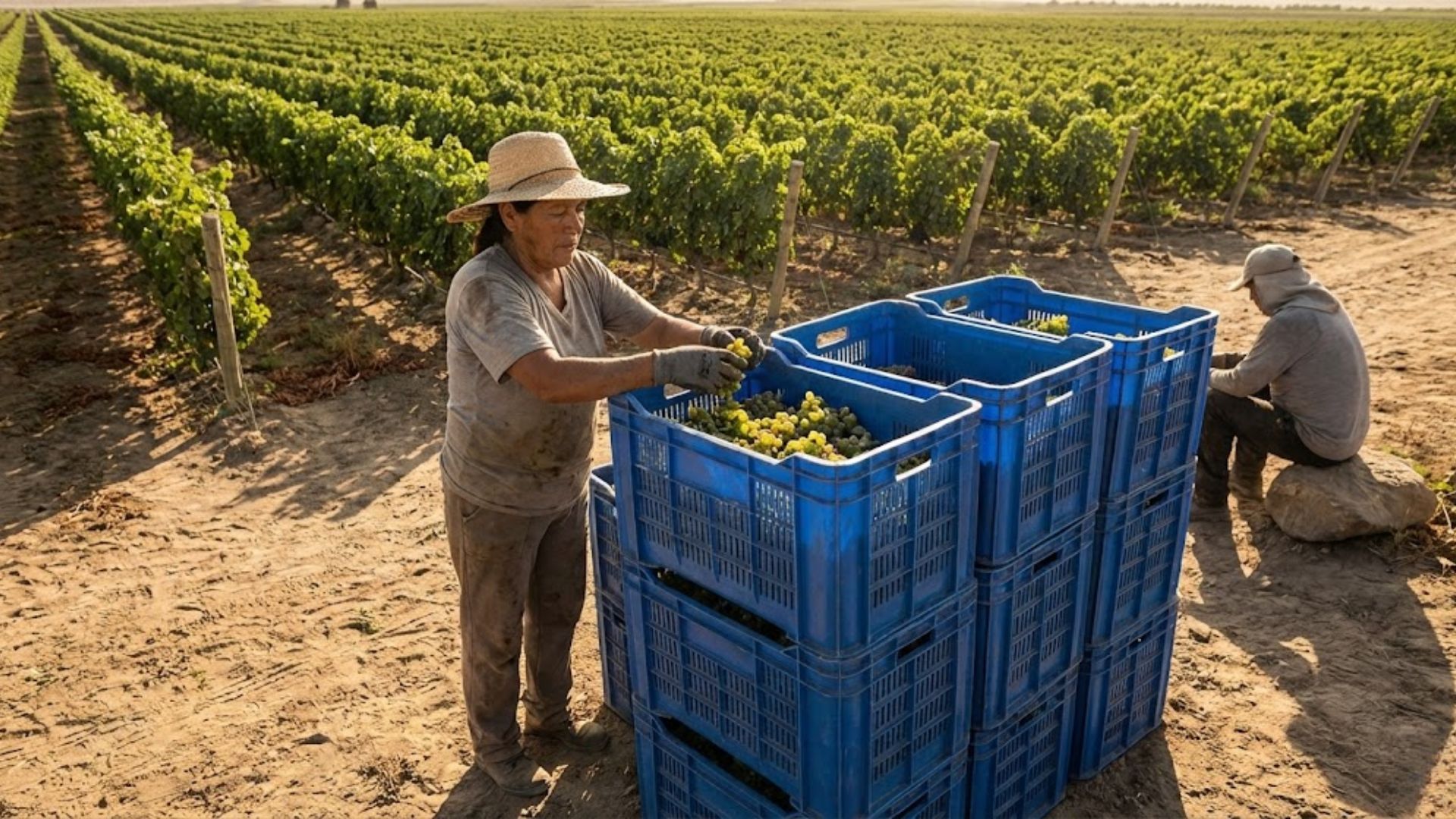


Agricultural Center in the Heart of the Peruvian Desert Boosts Exports, Attracts Investments, and Rekindles Debate on Water Use, Increasing Tensions Between Large Producers, Small Farmers, and Local Communities in the Country’s Arid Coastal Region.
The vast desert plains of the Ica region in Peru have established themselves as one of the most dynamic agricultural hubs on the planet.
In just a few decades, areas previously associated with sand and water scarcity have become home to extensive crops of grapes, blueberries, mangoes, and avocados, propelling the country to the top of global exports while disputes over water intensify.
Agricultural Transformation in the Peruvian Desert
Until the 1990s, it was unlikely that the Peruvian coastal desert would become an “artificial orchard.”
-
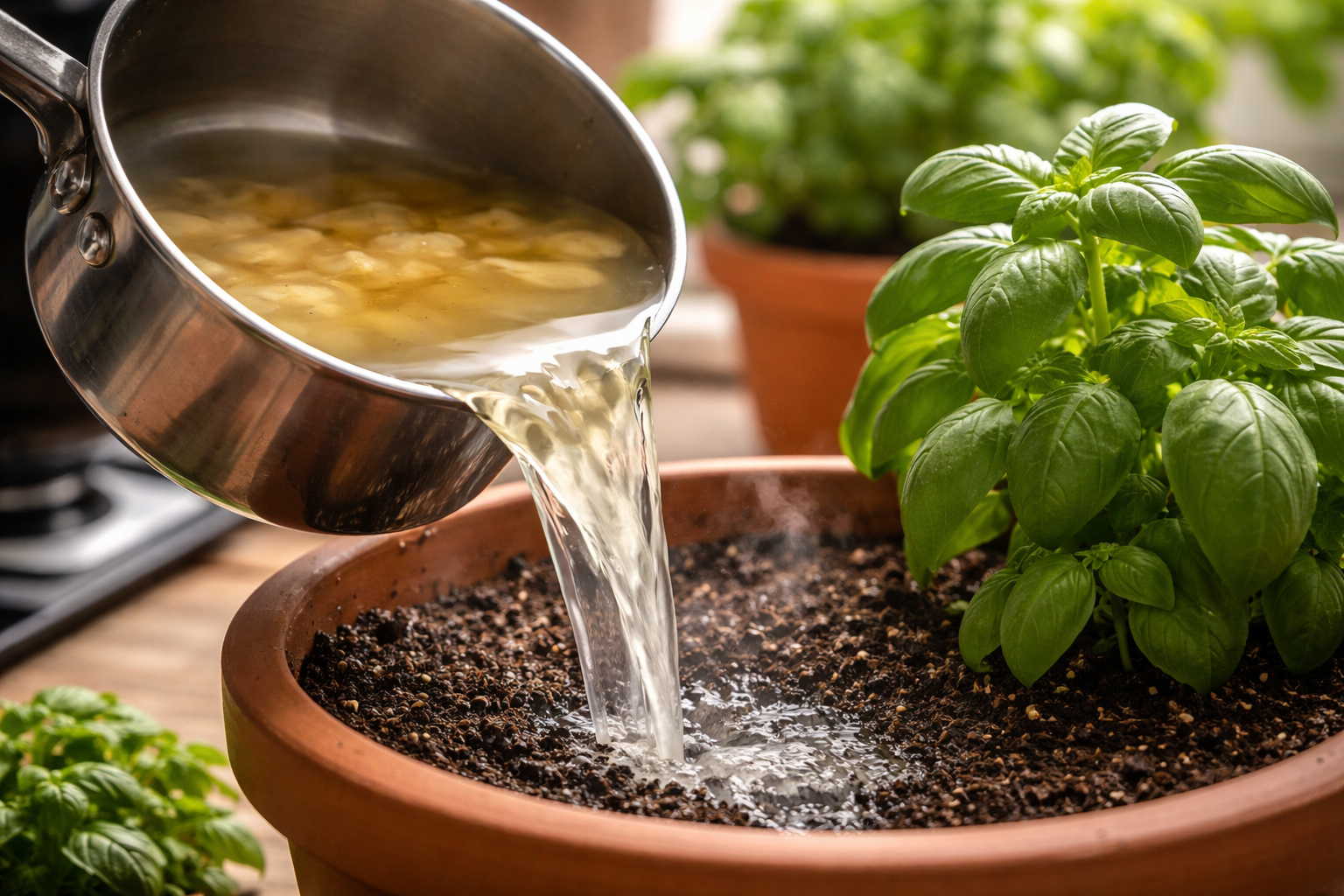
The water that almost everyone throws away after cooking potatoes carries nutrients released during the preparation and can be reused to help in the development of plants when used correctly at the base of gardens and pots, at no additional cost and without changing the routine.
-
The sea water temperature rose from 28 to 34 degrees in Santa Catarina and killed up to 90% of the oysters: producers who planted over 1 million seeds lost practically everything and say that if it happens again, production is doomed to end.

-
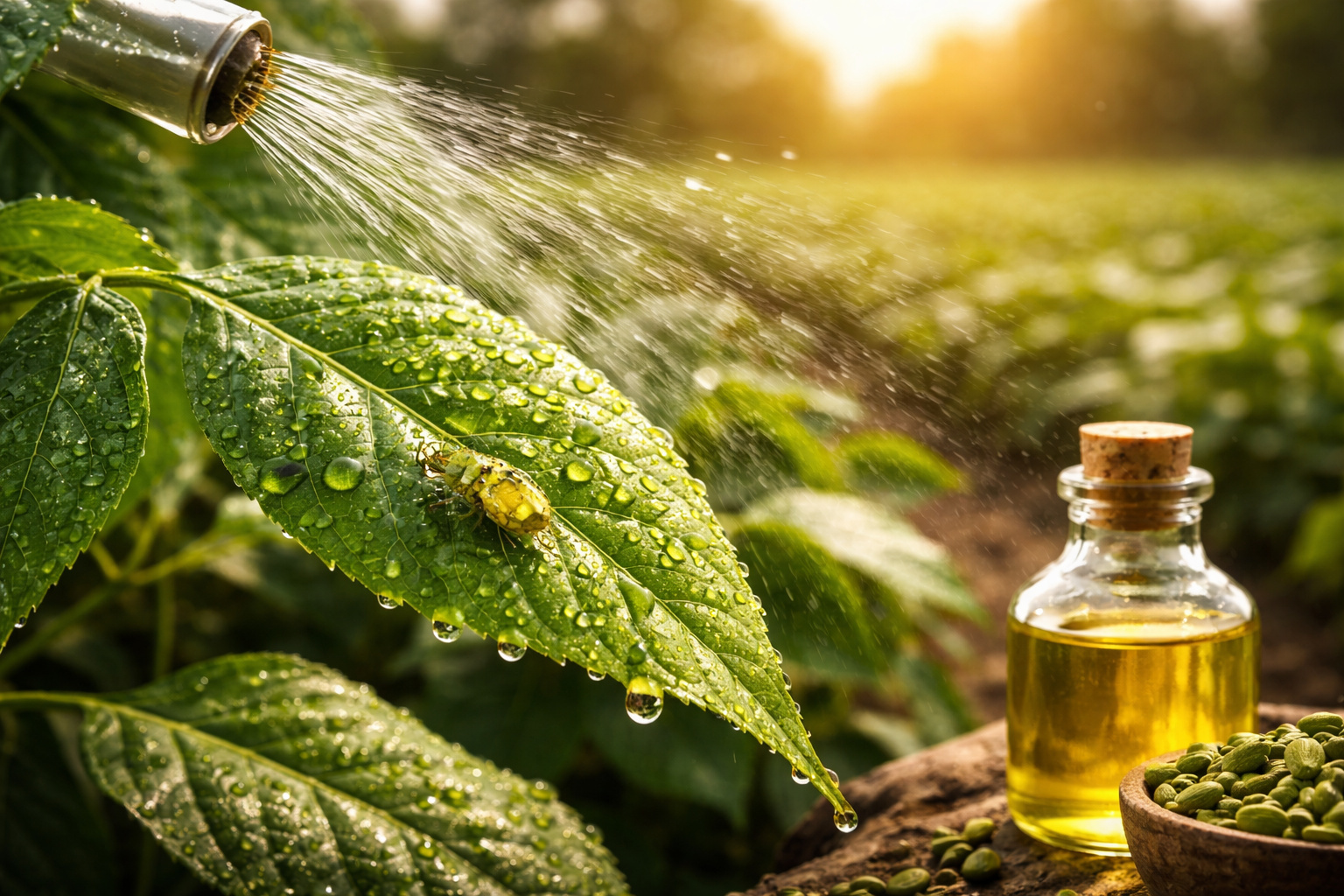
An Indian tree that grows in the Brazilian Northeast produces an oil capable of acting against more than 200 species of pests and interrupting the insect cycle, gaining ground as a natural alternative in soybean, cotton, and vegetable crops.
-
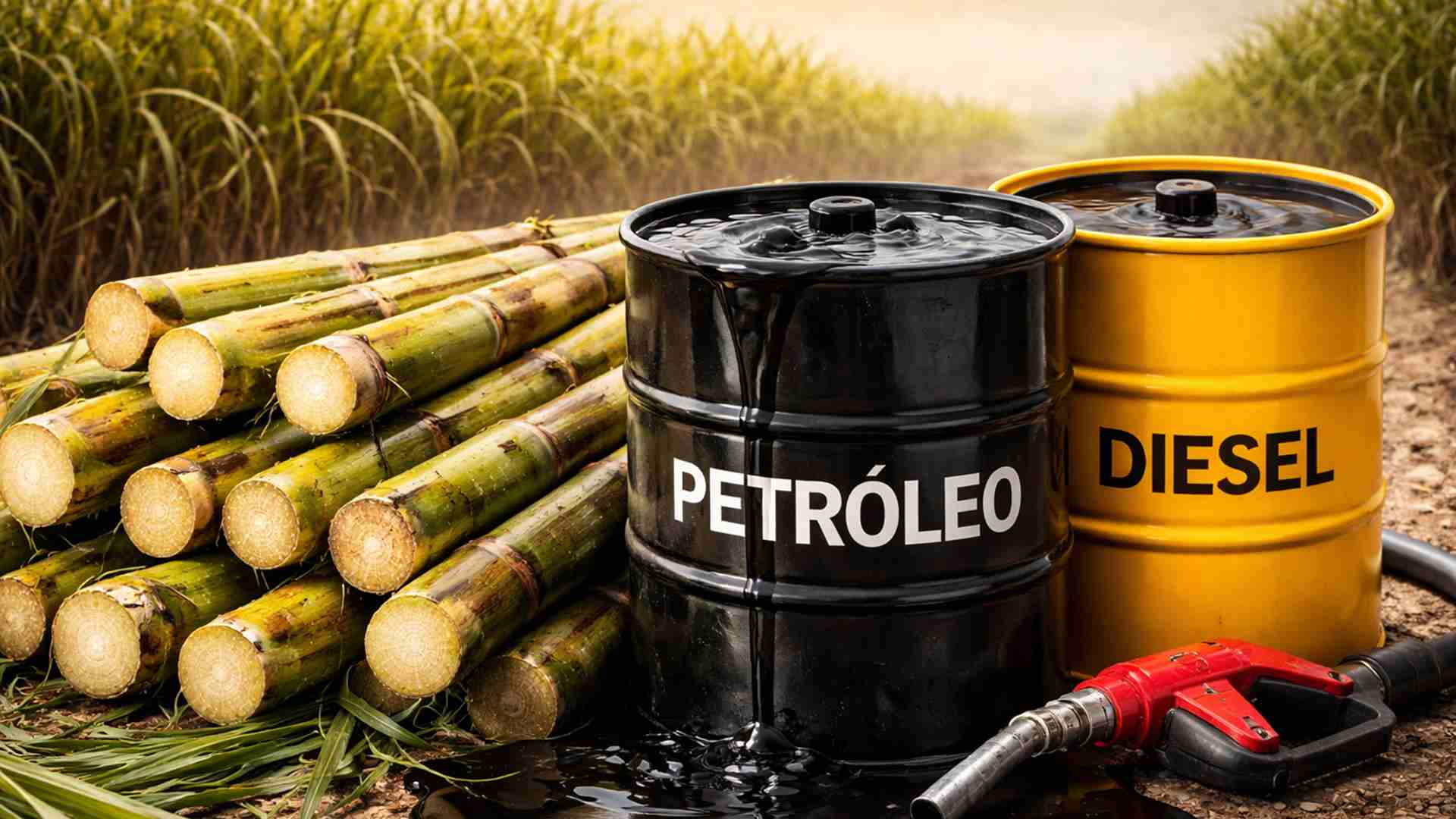
The rise in oil prices in the Middle East is already affecting Brazilian sugar: mills in the Central-South are seeing their margins shrink just as ethanol gains strength.

The predominant landscape was one of dunes, sandy soils, and almost total absence of rainfall.
This scenario changed when investors began to bet on high-tech irrigation, including drip systems and water diversion projects.
Researchers describe the desert coastline as a kind of “natural greenhouse”, favoring high-value crops.
Experts estimate that the cultivable area in the coastal desert has increased by about 30%, driven by irrigation technologies and varieties adapted to arid conditions.
Regions like Ica and Piura have been transformed into international agricultural hubs.
The combination of stable climate, efficient irrigation, and genetic innovations allowed blueberries, which were almost nonexistent in Peru, to become one of the country’s main exported fruits.
Economic Reforms and Expansion of Agro-Exports

The process gained momentum in the 1990s with economic reforms that reduced tariffs, encouraged foreign investment, and facilitated the operation of exporting companies.
Although mining was the initial focus, a business elite identified the irrigated agribusiness sector as an opportunity to diversify the economy.
From then on, large private projects began to occupy sections of the desert, aligned with government policies that promoted the expansion of agricultural frontiers.
For experts, private investment was crucial in financing modern irrigation systems and adapting crops to local conditions.
Varieties developed for the arid environment allowed for the filling of gaps in the northern hemisphere’s off-season, which is the basis of Peruvian competitiveness.
Peru at the Top of Global Exports
Official data shows that agricultural exports have steadily increased since the early 2010s, reaching US$ 9.185 billion in 2024.
The country has become the largest global exporter of blueberries and one of the leading suppliers of grapes, while also gaining ground in niches like avocados, mangoes, and asparagus.
Production during the northern hemisphere’s winter has increased its relevance in the markets of the United States, Europe, and China.
The share of agro-exports in GDP rose from 1.3% in 2000 to 4.6% in 2024, consolidating the sector as one of the engines of the national economy.
Research indicates that agro-exports have increased formal employment and average income in regions previously dominated by informality.
Social Effects and Changes in the Countryside

The growth, however, has not been evenly distributed.
Small farmers face difficulties in competing for labor, squeezed by the higher wages of large exporters.
They also report obstacles in accessing water in adequate volume and price.
In many cases, family farmers have sold their lands to companies, altering the land structure of the Peruvian coast.
Still, some of these families benefit from the jobs offered by the agro-export industry itself.
Water Dispute and Aquifer Depletion
It is with water that the strongest criticisms of the model arise.
The Ica region virtually experiences no rainfall, and most of the water used comes from the subsoil or from diversion projects.
While communities depend on water trucks, large farms rely on their own wells, reservoirs, and advanced irrigation systems.
According to residents, there is a real dispute for water, marked by increasing difficulty of access for small producers.
Reports indicate that wells that used to reach water just a few meters now need to reach about 100 meters.
The National Water Authority prohibited the opening of new wells in 2011, warning of the continuous decline in the aquifer level.
Still, residents claim that enforcement is limited and that technicians often encounter barriers to inspect private properties.
Exports vs. Water Security

The advancement of agro-exports has reignited the debate about what the country is really selling to the world.
Critics argue that by exporting fruits like grapes and products associated with pisco, Peru would also be exporting “virtual water”, essential for agricultural production.
The discussion gains traction in a country where part of the population still lacks running water.
Experts warn that the current model relies on a clear redefinition of priorities to ensure human supply, ecosystem conservation, and economic continuity.
In Ica, electoral debates often highlight the urgency of water solutions, but residents claim that structural measures remain postponed.
The challenge is to balance a highly competitive agribusiness with policies that ensure water for small communities, family producers, and the very maintenance of the aquifer.
In light of this scenario of agricultural advancement in the desert and increasing pressure on water resources, how far can Peru sustain this model without compromising its environmental and social future?









Muito bom. É isso, enquanto aqui temos osE ECOCHATOSe a esquerdalha **** lutando contra o avanço e o progresso ( e se auto intitulam Progressistas rsrs) lá eles tomam posse do lugar que deveria ser nosso. Vai chegar a hora em que os produtores daki vai acordar e ir pra lá e a meu irmão, já era