





 Portuguese
  English
  Spanish
  2 min of reading
  0 comments


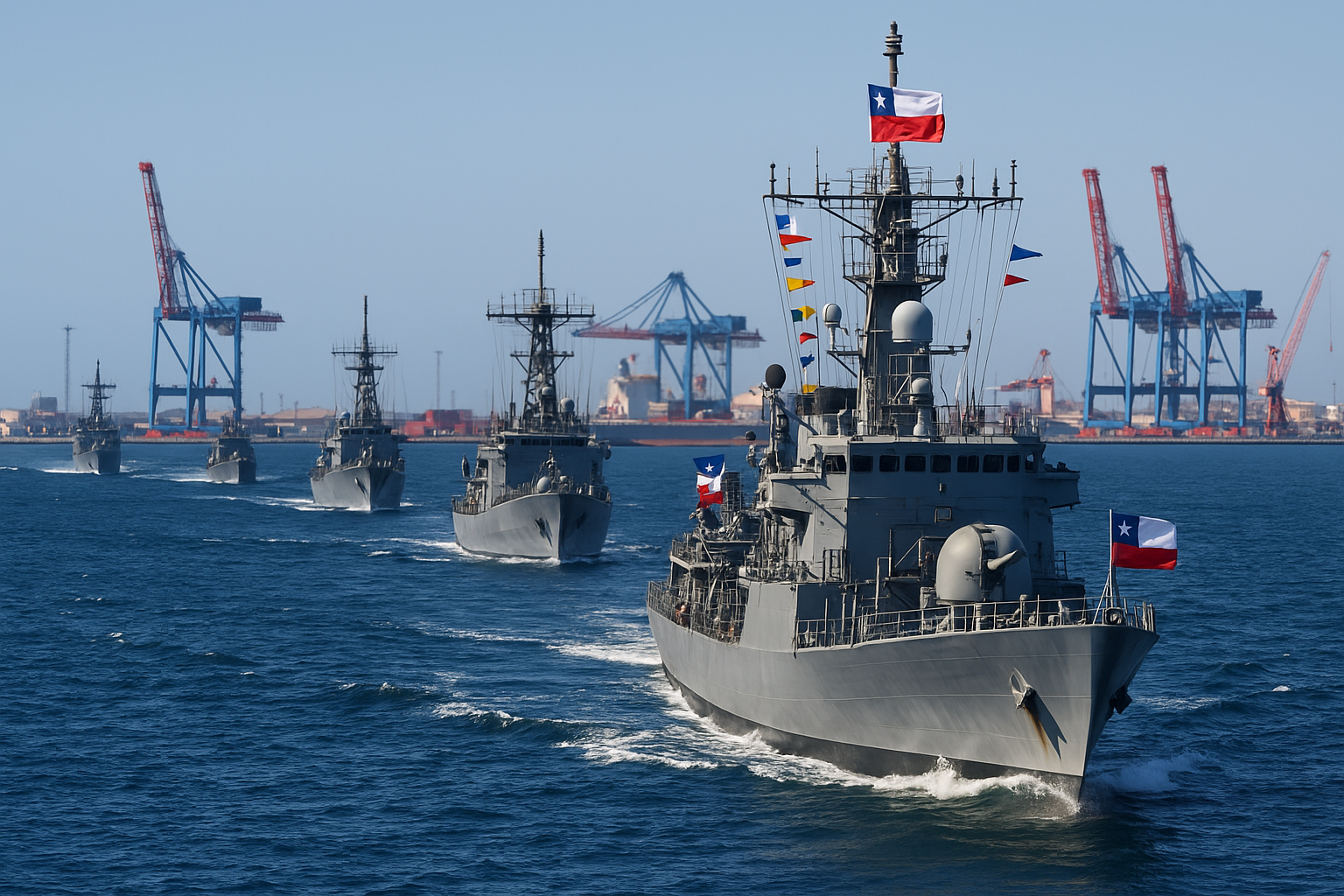
Chile Surprises and Matches Powers Like France and the United Kingdom in Ballistic Submarines, Consolidating Its Naval Strength with Investments in Technology and Defense Industry.
Chile surprised military and economic analysts by reaching an unprecedented level on the global stage. According to the 2025 ranking from Military Watch, the country has matched France and the United Kingdom in the number of operational ballistic submarines.
It has also surpassed larger economies, such as Germany and North Korea, consolidating its position among the world’s leading fleets.
The Chilean advancement is not limited to numbers. It is the result of a consistent policy of strategic investment in defense, technology and shipbuilding industry. With four cutting-edge submarines, the Chilean Navy stands out for its operational capacity and ongoing modernization.
-
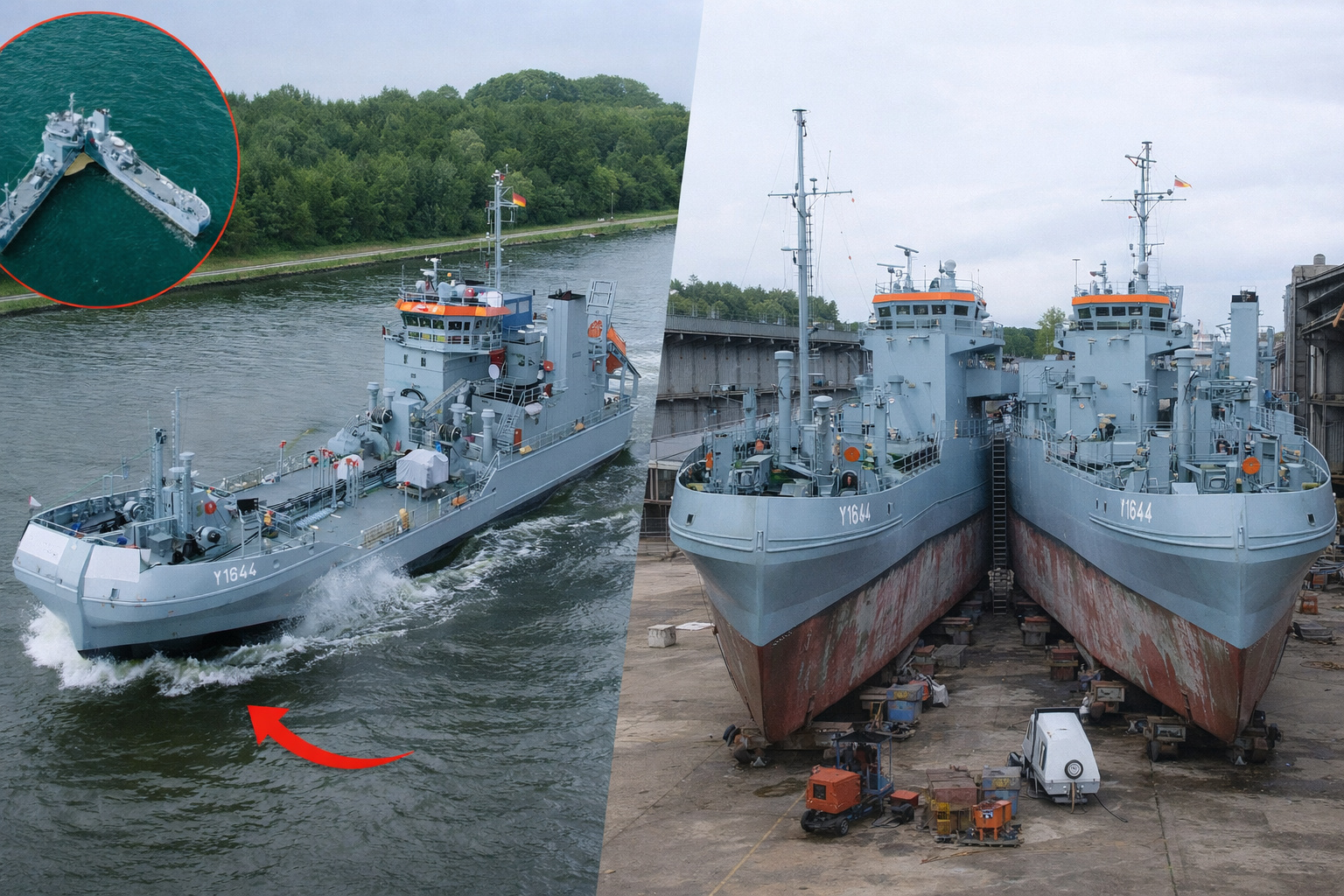
The German ship Bottsand splits its hull in two halves in the middle of the ocean to swallow spilled oil on the surface, separating the oil from the water inside a 790 cubic meter tank and then closing again. It is the only ship in the world factory-designed to split in half as part of normal operations, and the crew of six people who operate everything is civilian.
-
With almost 70 meters in width at the stern and a shape resembling a “giant slice of cheese,” the Ramform Titan tows up to 24 seismic cables to sweep the ocean floor in 3D and reveal oil reserves hidden beneath kilometers of sediment.

-
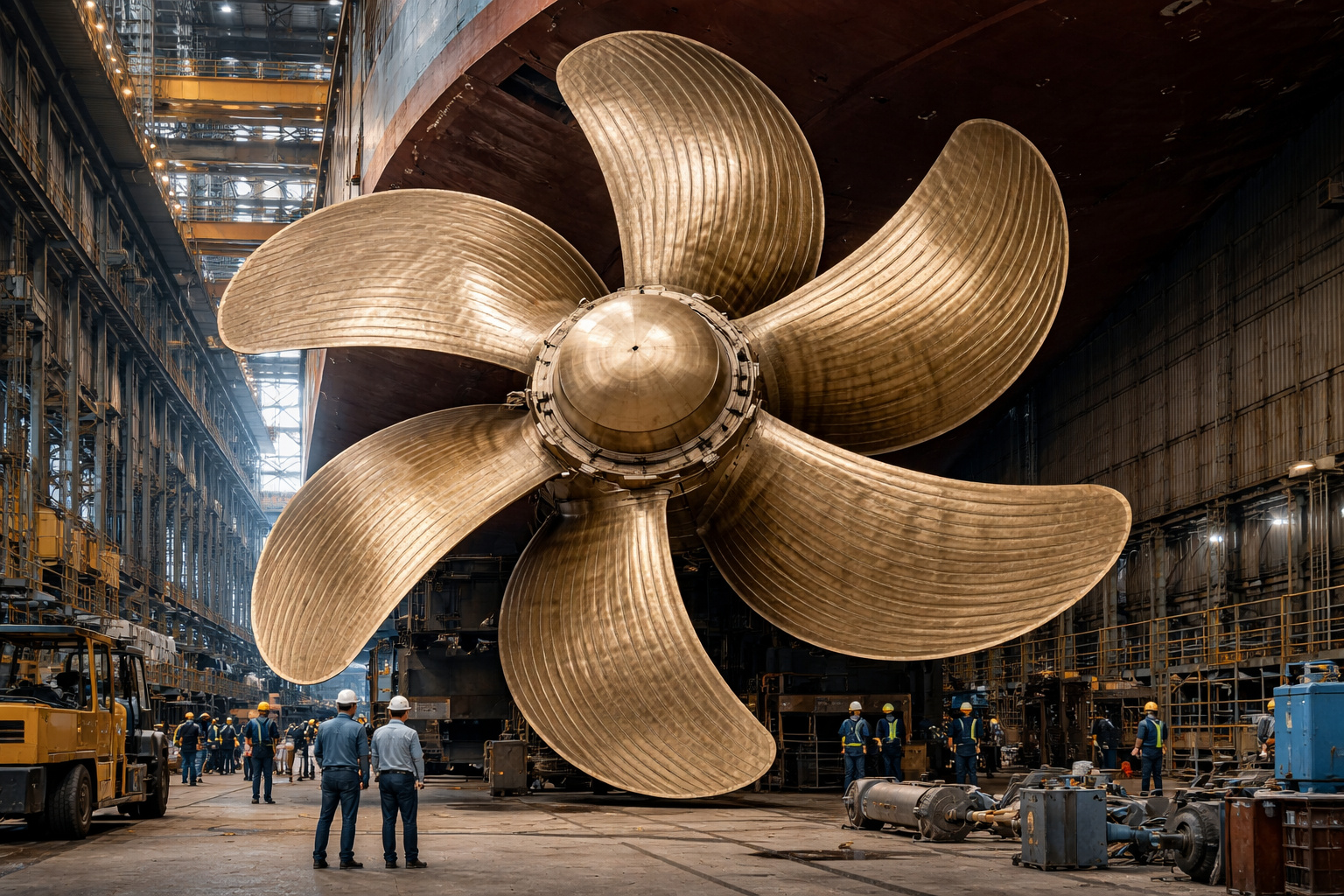
How a 131-ton, 11-meter propeller supports 90% of global trade and transforms the largest container ships on the planet.
-
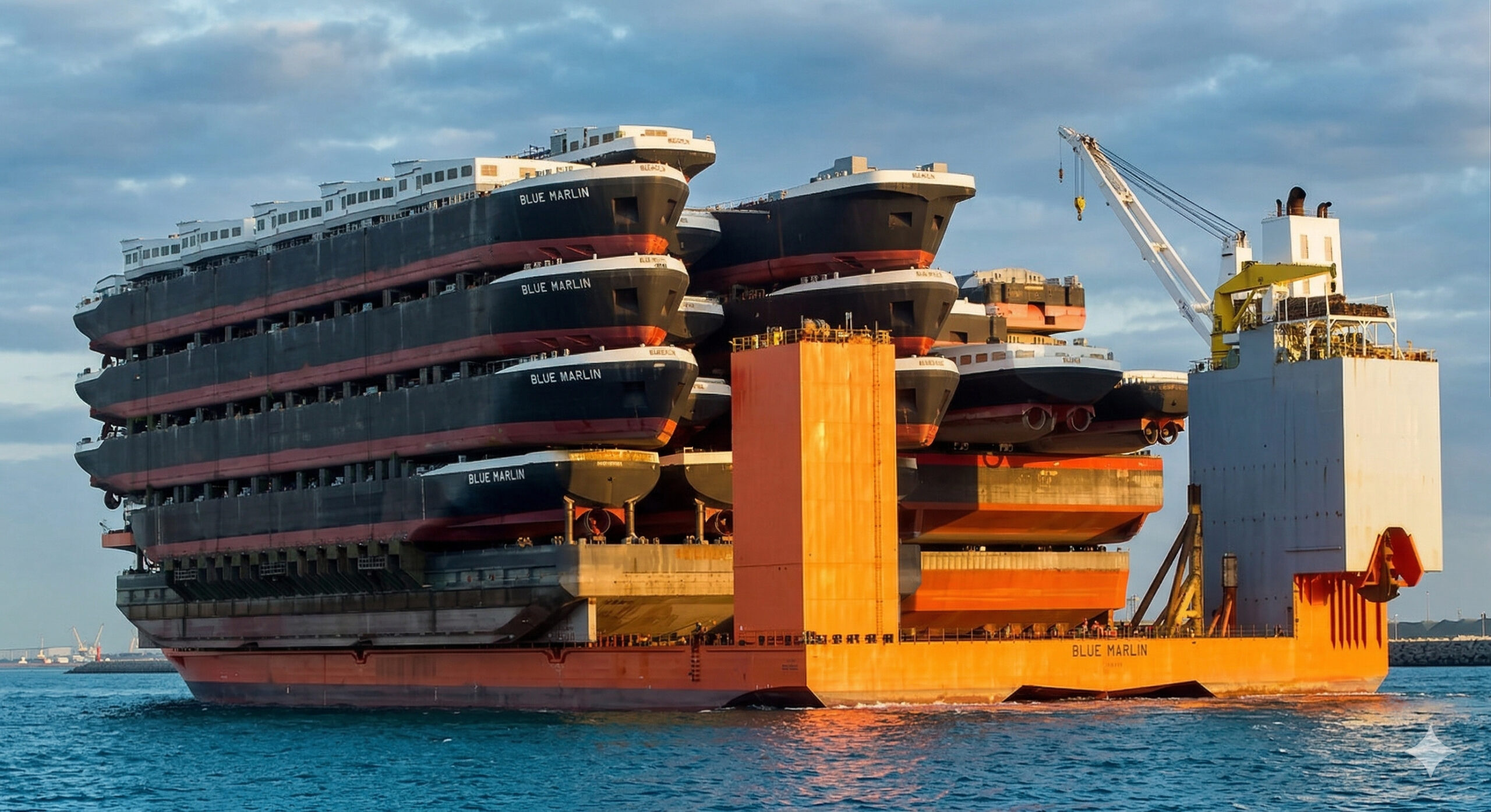
With a length of 225 meters and a capacity of 76 thousand tons, this ship “sinks” its own deck down to 28 meters deep to accommodate war destroyers, oil platforms, and giant radars floating above, and then emerges with everything intact on top like a colossal tray crossing oceans.
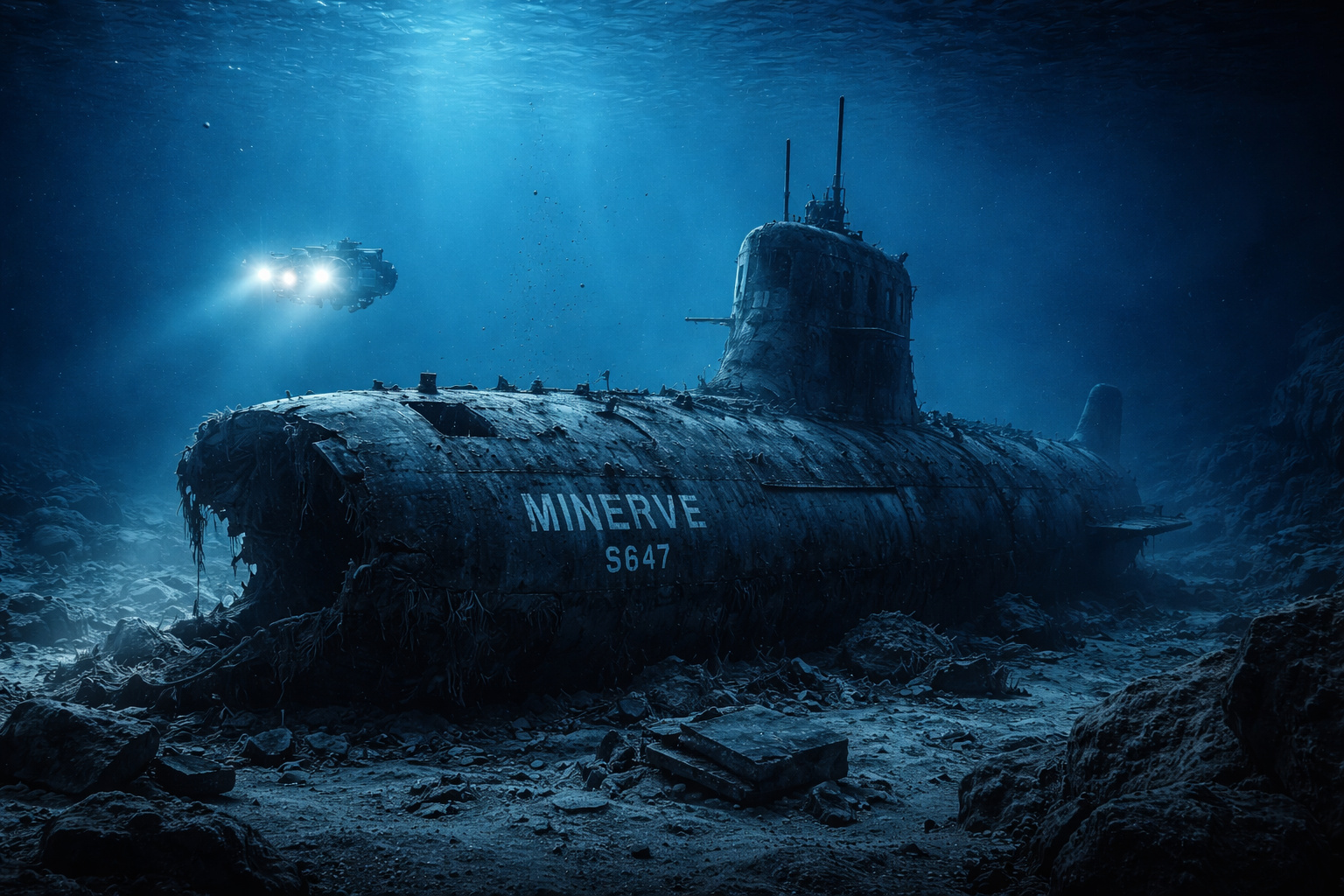
The current fleet consists of two Thomson-class submarines (Type 209/1400), manufactured in Germany, and two Scorpène-class submarines, developed in partnership between the Spanish Navantia and France’s Naval Group.
These acquisitions are part of a long-term plan that involved significant investments in technology, maritime infrastructure, and industrial innovation, focusing on the shipyards of Talcahuano, the country’s main naval base.
In addition to enhancing national security, the naval program has boosted strategic sectors of the economy. The shipbuilding industry, mechanical engineering, and high-tech services have gained strength, generating specialized jobs and fostering international partnerships.
In the Latin American context, Chile now surpasses Brazil, whose submarine fleet is considered less developed in this category.
On the global stage, only the United States, with 14 units, Russia, with 11, and China, with 6, exceed the Chilean count of ballistic submarines.
Chile’s macroeconomic stability has been crucial in enabling these defense investments. The strategy enhances the country’s sovereignty over important maritime routes, strengthens foreign trade, and projects the image of a secure and technologically advanced nation.
With defense increasingly connected to innovation, Chile has transformed its military sector into a strategic economic asset, elevating its presence both regionally and globally.
With information from Revista Economia.







Seja o primeiro a reagir!