





 Portuguese
  English
  Spanish
  5 min of reading
  0 comments


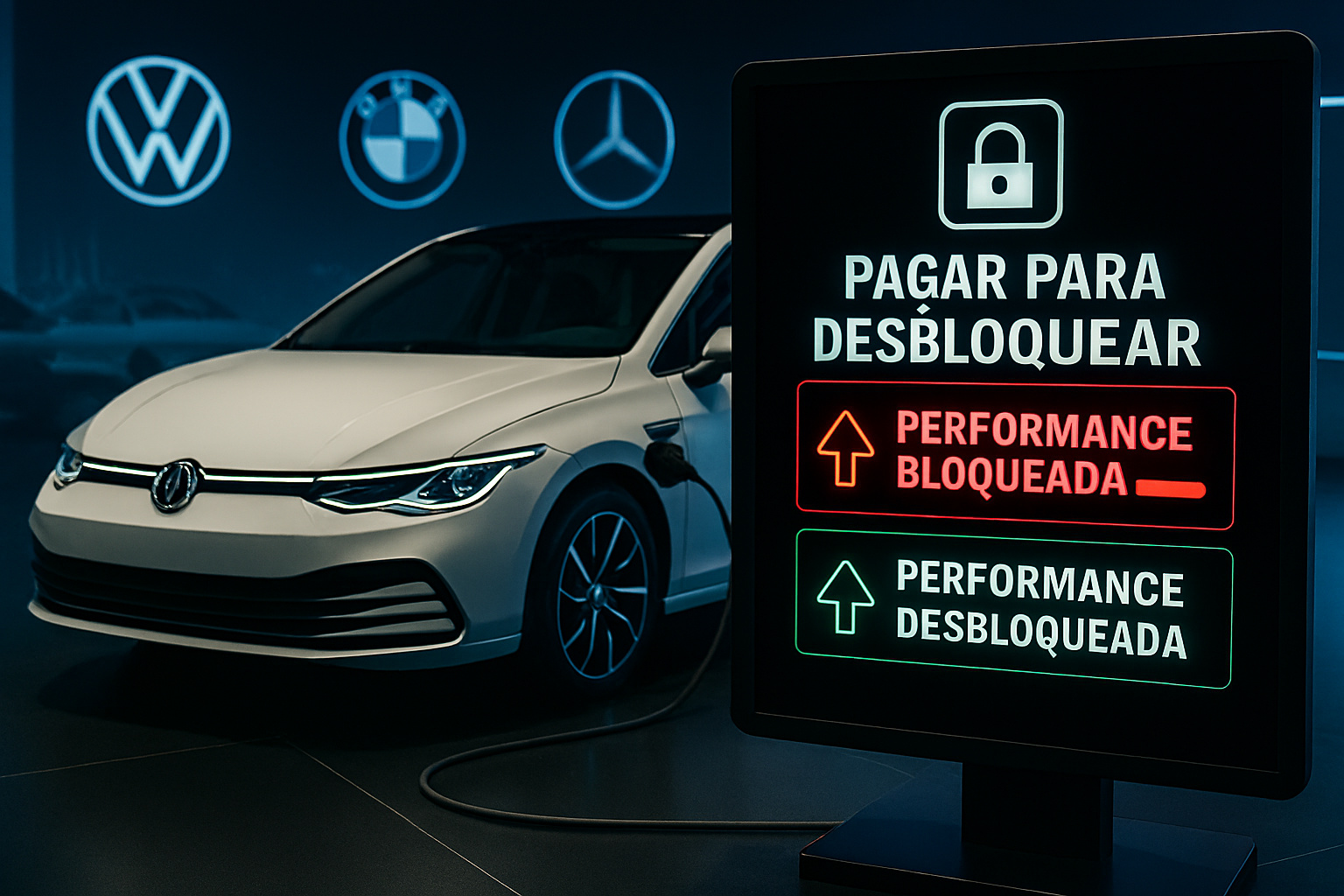
Volkswagen Adopts Subscription Model to Unlock Power in Its ID.3 Electric Cars, Following BMW and Mercedes. Understand How It Works and the Impact on Drivers and the Market
Volkswagen has introduced a novelty to the market that promises to generate debate among consumers: a subscription charge to unlock extra power in its ID.3 electric cars in the UK. The strategy follows practices already adopted by BMW and Mercedes, but has faced criticism for charging for features already present in the vehicle. Today, we will detail how this subscription works, the context of the automotive industry, and the implications for drivers.
Volkswagen Launches Subscription to Unlock Performance: How Does It Work?
The Volkswagen novelty consists of offering ID.3 owners the possibility to increase the vehicle’s power for a recurring payment. From the factory, the Pro and Pro S models have 201 horsepower. With the subscription, the cars deliver 228 horsepower, increasing acceleration and overall performance.
The cost of the subscription varies: drivers pay £16.50 monthly; £165 annually; or they can opt for a one-time payment of £649 to release the power indefinitely.
-
Global warming will expose a treasure hidden under the ice of Antarctica and may spark an international dispute over gold and valuable minerals.

-
A street vendor from Praia Grande built a robot made of scrap from scooters and washing machines that pulls his popcorn cart on the beach, emits sounds, and interacts with customers, becoming an attraction on the coast of São Paulo.

-
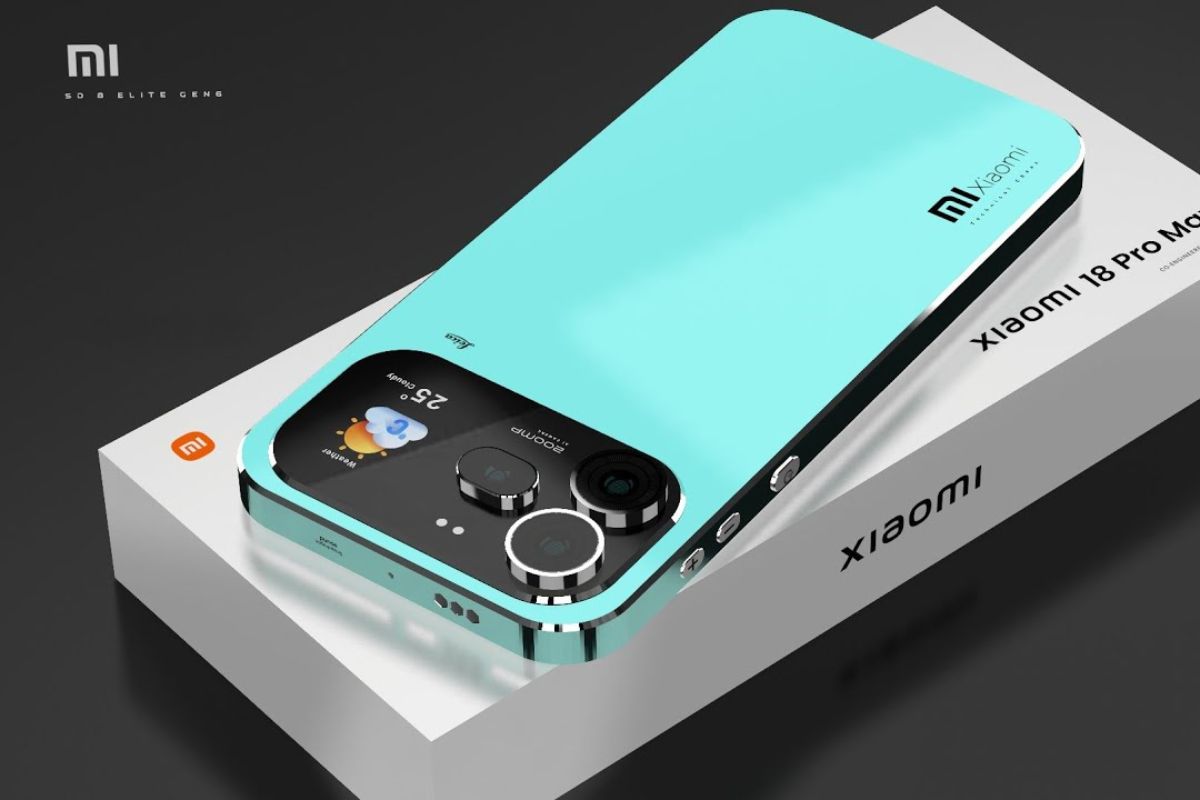
The specifications of the Xiaomi 18 Pro Max have been leaked, and the highlight is a dual 200 MP camera with a new 22-nanometer technology that promises to consume less energy and capture details in shadows and bright areas using LOFIC HDR.
-
If the trip to the Moon were a hoax, it would be necessary to keep the secret among 400,000 people for more than 50 years and to deceive even the Soviet Union, which was tracking the radio signals coming from the exact direction of the satellite during each Apollo mission.


This practice, known as subscription to unlock car power, aims to generate recurring revenue for the automaker, leveraging functionalities already included in the systems of electric cars.
Electric Cars and New Monetization Strategies
The electric car sector is expanding. According to the Global EV Outlook 2025 from the International Energy Agency (IEA), the global fleet of electric vehicles surpassed 58 million units by the end of 2024, and sales continue to grow at an accelerated pace.
As a result, manufacturers are seeking new ways to monetize, including digital services, remote updates, and premium features activated by subscription.
The practice of charging for extra performance is not unprecedented. BMW and Mercedes have already implemented similar features in electric models, allowing drivers to unlock additional power for a fee. However, the debate over the ethics of charging for functionalities already present in cars remains heated.
Criticism of the Subscription to Unlock Car Power
Experts and consumers have questioned Volkswagen’s approach. The charge for unlocking power is seen by many as a way to capitalize on features that drivers have already purchased.
Moreover, there are concerns about transparency. Many consumers do not realize at the time of purchase that certain features may require additional payment. This raises questions about clarity in communication and customer satisfaction.
Research indicates that this type of charge may affect brand image and reduce consumer loyalty, especially when the paid feature does not add new technologies but merely unlocks something already present in the vehicle.
Impacts on the Electric Car Automotive Market
The introduction of the subscription to unlock car power can influence consumer perception of Volkswagen and the electric vehicle industry as a whole. Some implications include:
- Competitiveness: the practice may make Volkswagen’s electric cars more expensive compared to competitors that offer full performance without a subscription.
- Recurring Revenue: for the automaker, it’s a way to generate ongoing revenue beyond the initial vehicle sale.
- Consumer Experience: drivers may feel frustrated upon realizing that already available features require additional payments, affecting their trust in the brand.
According to a McKinsey survey, digital services in electric cars could represent up to 20% of future automaker revenue, reinforcing the importance of strategies like those adopted by Volkswagen.
Comparison with BMW and Mercedes
BMW and Mercedes have already tested similar models, offering power unlocking and other digital features via subscription. These experiences show that:
- The subscription model serves as an additional revenue source;
- There is resistance from some consumers, especially those who find the practice unfair;
- The strategy is more accepted in markets with strong electric vehicle penetration and high digital service integration.
By following this trend, Volkswagen bets that the demand for extra performance will be sufficient to justify the recurring charge.
The Future of Subscription Features in Electric Cars
Experts indicate that the electric car market will continue to adopt subscription-based monetization models. In addition to power, features such as software updates, driver assistance systems, and premium driving modes can be offered via subscription.
According to Deloitte’s “2025 Automotive Consumer Study,” 48% of consumers are willing to pay for digital services that enhance the driving experience, as long as there is clarity about costs and benefits. The trend is for premium features, including additional performance, to become part of automakers’ ongoing revenue strategies, especially in markets with strong electric vehicle adoption.
Legal and Regulatory Aspects of Volkswagen Initiative
The charge for features already present in the vehicle raises regulatory questions. European consumer protection authorities recommend full transparency in the offering of paid services, including clear information at the time of purchase.
Volkswagen claims that all conditions are presented to customers, but experts point out that communication can still be improved to avoid misunderstandings.
Regulation may evolve to limit practices that generate the perception of selling “locked features,” especially in countries with strong consumer protection, which could directly impact the adopted monetization model.
How to Assess If It’s Worth Paying for Extra Power?
When considering Volkswagen’s subscription to unlock performance, drivers should carefully evaluate the cost-benefit ratio. Some important points include:
- Cost x Performance: does the power increase from 201 to 228 horsepower justify the recurring or one-time payment?
- Market Alternatives: are there vehicles from other brands that offer full power without a subscription?
- Resale Value: does the subscription impact the resale value of the electric car?
Additionally, drivers should consider their daily usage experience, travel frequency, and driving style, factors that directly influence their perception of the added value of this feature.
Subscription to Unlock Car Power: Impact on Consumers and Industry
Volkswagen’s initiative represents a milestone in the evolution of the electric car market, signaling that automakers are increasingly exploring digital services as a revenue source. For consumers, the decision to pay again for features already present from the factory involves economic and emotional factors.
The trend is for other automakers to follow the same path, offering unlocked functionalities via subscription, which may generate debates about ethics, transparency, and consumer value perception. How each manufacturer communicates these options will be decisive for market acceptance.
The charge for unlocking power in the ID.3 electric cars shows that the automotive industry is undergoing a transformation.
The digitization of vehicles allows already installed features to be monetized, but this also requires brands to carefully consider consumer perception and market competitiveness.
Drivers should analyze their priorities before opting for paid services, weighing extra performance against additional cost. At the same time, manufacturers need to balance monetization with transparency and customer satisfaction. This balance will be crucial to consolidate public trust in electric cars and associated digital services.






Seja o primeiro a reagir!