





 Portuguese
  English
  Spanish
  3 min of reading
  0 comments


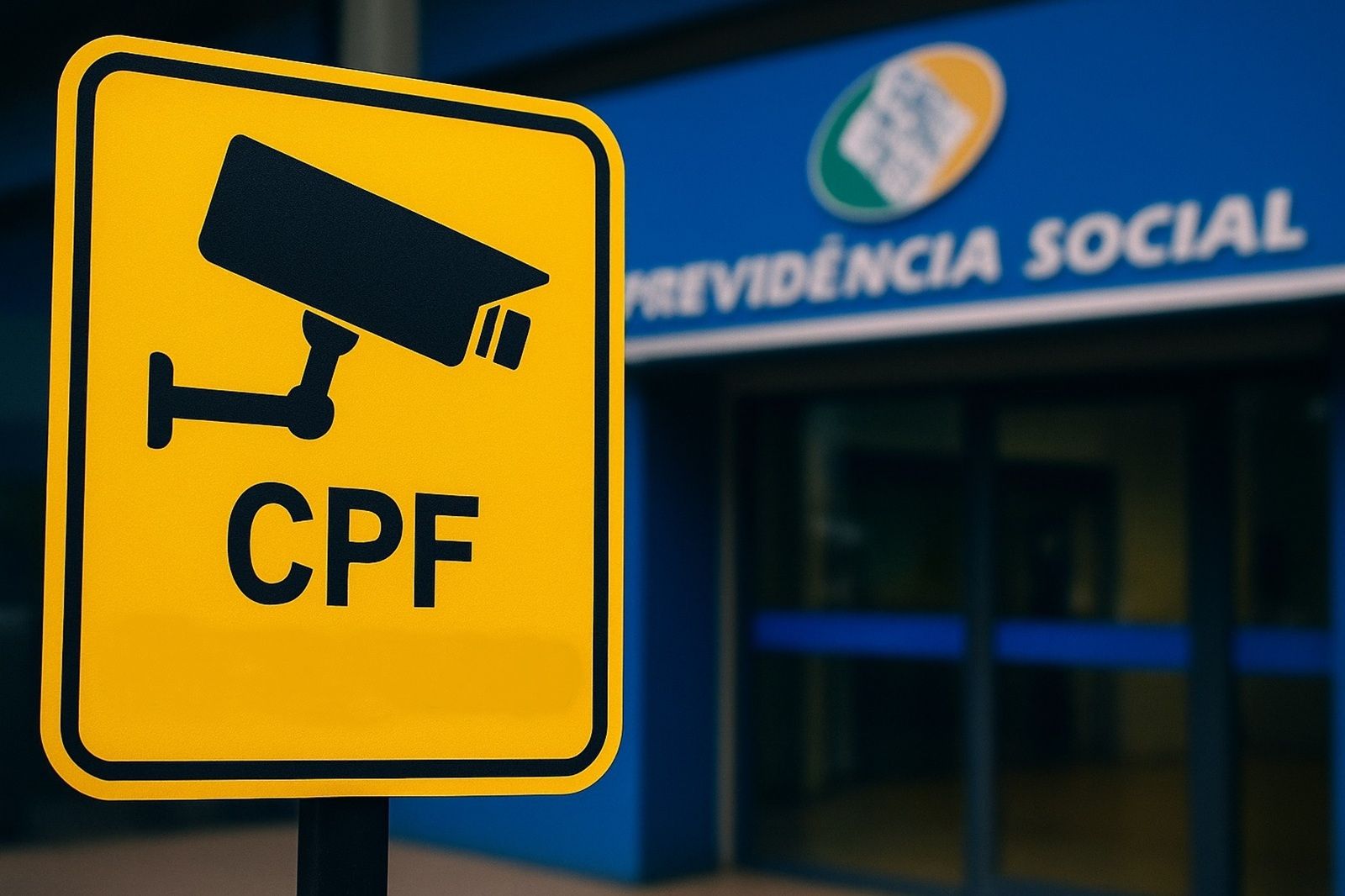
INSS Uses Artificial Intelligence and Monitors Social Media to Identify Irregularities, Suspend Benefits, and Demand Repayment of Undue Amounts.
The National Institute of Social Security (INSS) is increasing the use of technology to monitor beneficiaries and identify fraud.
The agency cross-references information from various databases and uses artificial intelligence to detect irregularities that may indicate undue payments.
The recommendation is that each insured person checks their National Register of Social Information (CNIS) and consults a specialist before requesting any benefits. The channel of Tais Santos, a social security lawyer, provided some examples.
-
The noise law will no longer be in effect at 10 PM starting in June with a new rule valid during the 2026 World Cup.

-
The Chamber opens a debate on driver’s licenses at 16 years old as part of a reform that includes around 270 proposals to change the Brazilian Traffic Code and may redesign rules for licensing, enforcement, and circulation in the country.

-
The new Civil Code could revolutionize marriages in Brazil with “express divorce” and changes that could exclude spouses from inheritance.
-
Banco do Brasil sues famous influencer for million-dollar debt and intensifies debate on delinquency, risks of seizure, and direct impact on Gkay’s credibility.

Cross-Referencing Data and Cases of Cancellation
An example mentioned involves a woman who received the Continuous Cash Benefit (BPC) — a minimum wage granted to people over 65 in vulnerable situations — and had her payment canceled.
The reason: she had an open MEI in her name. Although the benefit was initially granted, the INSS identified the company through cross-referencing information with the Federal Revenue and ceased the payment.
The agency, however, cannot cancel without notifying the beneficiary, having to allow for their response first.
The system cross-references data from sources such as the Single Registry (CadÚnico), Caged, Federal Revenue, and records of individual micro-entrepreneurs.
In some cases, non-existent employment links appear, known as “ghost services,” which also leads to investigation and eventual suspension of the benefit.
Invisible Monitoring and the Need for Verification
The recommendation is that all insured persons periodically review the CNIS in the “My INSS” app.
This document contains the worker’s professional and social security history.
Inconsistencies between the CNIS and the work card should be corrected before the benefit request to avoid future blocks.
If the benefit is suspended without notification, the insured person can file a writ of security or judicial action for reinstatement.
Social Media Under Surveillance
The INSS also monitors social media. Posts indicating activities incompatible with the type of benefit may lead to cancellation.
Examples include beneficiaries for physical incapacity who post videos participating in races or dancing.
Even photos at parties posted by people undergoing treatment for depression can be interpreted as signs of irregularity. Although behavior does not prove fraud, it can serve as a basis for reevaluation of the benefit.
Artificial Intelligence and the Fine-Tooth Comb
The agency uses artificial intelligence systems in the so-called “INSS Fine-Tooth Comb,” which cross-references banking and tax information.
Unusual financial transactions may indicate undeclared work, especially in cases of benefits for incapacity, which require total withdrawal from labor activities. If the system detects incompatible transactions, the benefit may be suspended.
The final warning is clear: the INSS has efficient monitoring mechanisms, and even if the analysis takes time, irregularities will be identified.
To avoid repayments, fines, and legal actions, the insured person should keep their registration updated, act transparently, and constantly monitor their information in the system.










-

-

-

5 pessoas reagiram a isso.