





 English
  Francês
  Alemão
  Italiano
  Japonês
  Norueguês
  Portuguese
  Spanish
  3 min of reading
  0 comments


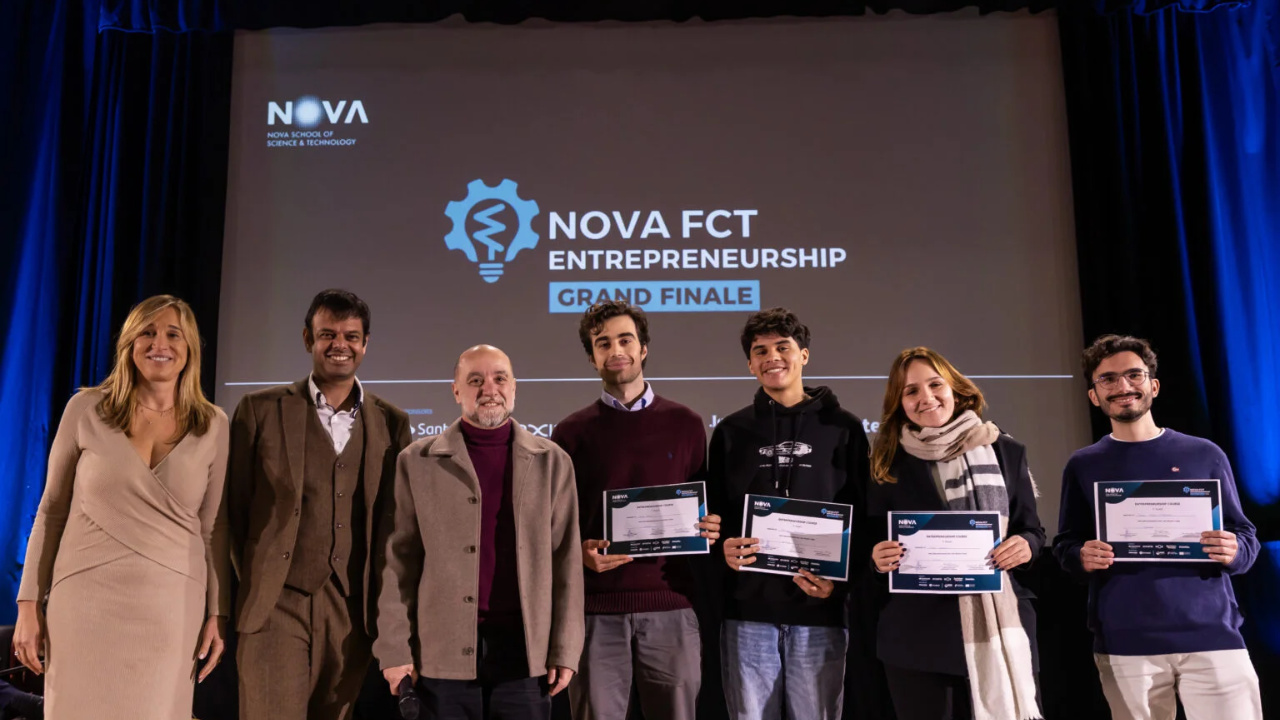
VENTUS Project, Created by Students of NOVA FCT, Wins Entrepreneurship Program with Urban Low-Cost Wind Energy Proposal Installed on Streetlight Poles.
An innovative wind energy solution aimed at urban environments took first place in the 14th Edition of the Entrepreneurship Program at the Faculty of Science and Technology of NOVA University Lisbon.
The project, named VENTUS, proposes the installation of vertical-axis turbines on public lighting poles to generate clean and decentralized energy.
The initiative won the competition and awarded the team the maximum prize of 1,000 euros. The goal is simple and direct: to harness the wind in cities to produce electricity locally, at low cost and with minimal environmental impact.
-
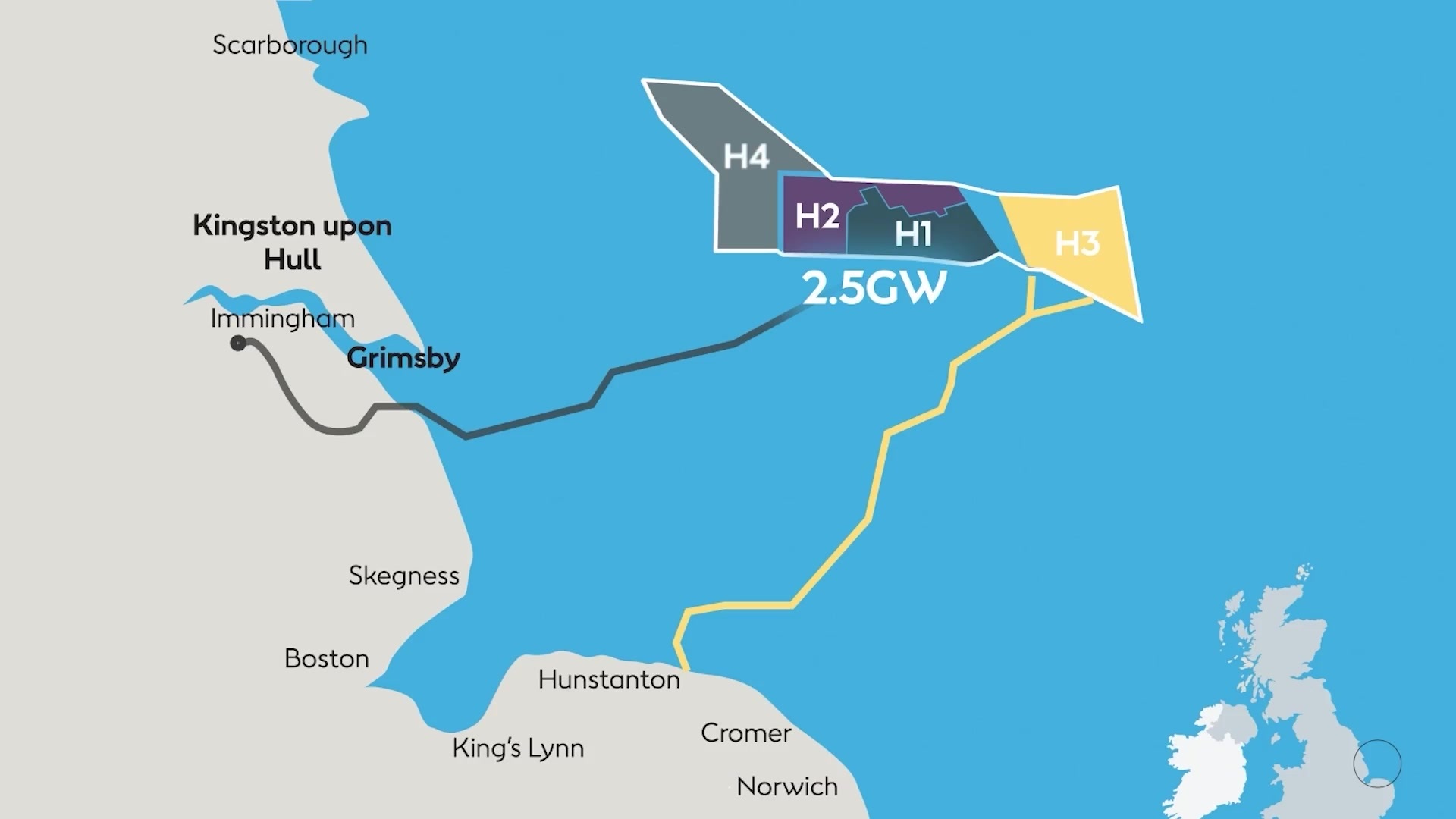
231 turbines of 260 meters at 160 km from the coast, monopiles weighing as much as nine blue whales embedded in the North Sea, and a crane ship taller than the Eiffel Tower: Hornsea 3 will be the largest offshore wind farm on the planet by 2027, and its first components have already arrived in England.
-
International Certification Puts Senai Norte on the Renewable Energy Map and Expands Access to Essential Training for Qualified Wind Power Professionals

-
The Winds of the Northeast Are in Foreign Hands: Nearly 70% of the Region’s Wind Farms Are Owned by International Companies, with France, China, and Italy Leading Investments in Wind Energy in Brazil
-
Echoenergia’s Wind Farms Receive Diamond and Platinum Seals and Boost Carbon Credits with Projects that Prevent Large Volumes of Annual Emissions

Throughout February, more than 900 students participated in the program. In the end, 12 teams were selected to present their proposals to a jury composed of representatives from companies such as Axians, Deloitte, Jerónimo Martins, and NOS.
How the Low-Cost Wind Energy Proposal Works
Unlike the large towers seen in wind farms, VENTUS relies on vertical-axis turbines.

This model can be installed directly on existing streetlight poles. Thus, it avoids the need for large structures and expands access to wind energy in urban centers.
The proposal aims to decentralize energy generation. That is, to produce electricity close to where it will be consumed. Furthermore, the solution promises to reduce operational costs and facilitate maintenance.
At a time when the debate over energy transition gains strength, initiatives like this elevate wind energy to a new level. Now, not only in rural or coastal areas, but also within cities.
Other Awarded Projects Broaden the Debate on Sustainability
Although wind energy was the standout feature, other solutions also garnered attention. The second place went to FungiFoam, which developed a sustainable thermal insulation material made from mycelium, combined with sawdust and Portuguese cork. The project also received the IMPACT Prize, worth 750 euros, for its sustainable proposal.
The third place was won by Celumetrics Exams – RenalNow, a biosensor capable of analyzing biomarkers related to Chronic Kidney Disease and sending data directly to an app, facilitating medical monitoring.
According to Fernanda Llussá, coordinator of the program alongside professors Aneesh Zutshi and Virgílio Cruz Machado, this year’s projects demonstrated significant advancement.
“This year, the distinguished projects reveal growing maturity, with many students already involved in the development of physical prototypes and technologies validated at the proof-of-concept level. This represents a decisive step in mitigating technological risk. The next challenge focuses on the market, where adaptability and speed in decision-making play a crucial role — skills that are increasingly valued in the professional context,” she states.
Meanwhile, the urban wind energy proposal raises a question that divides opinions: are the small turbines spread throughout the cities 100% beneficial? Or could they generate visual pollution, for example, besides affecting the passage of birds in the sky?








-

Uma pessoa reagiu a isso.