





 Portuguese
  English
  Spanish
  3 min of reading
  0 comments


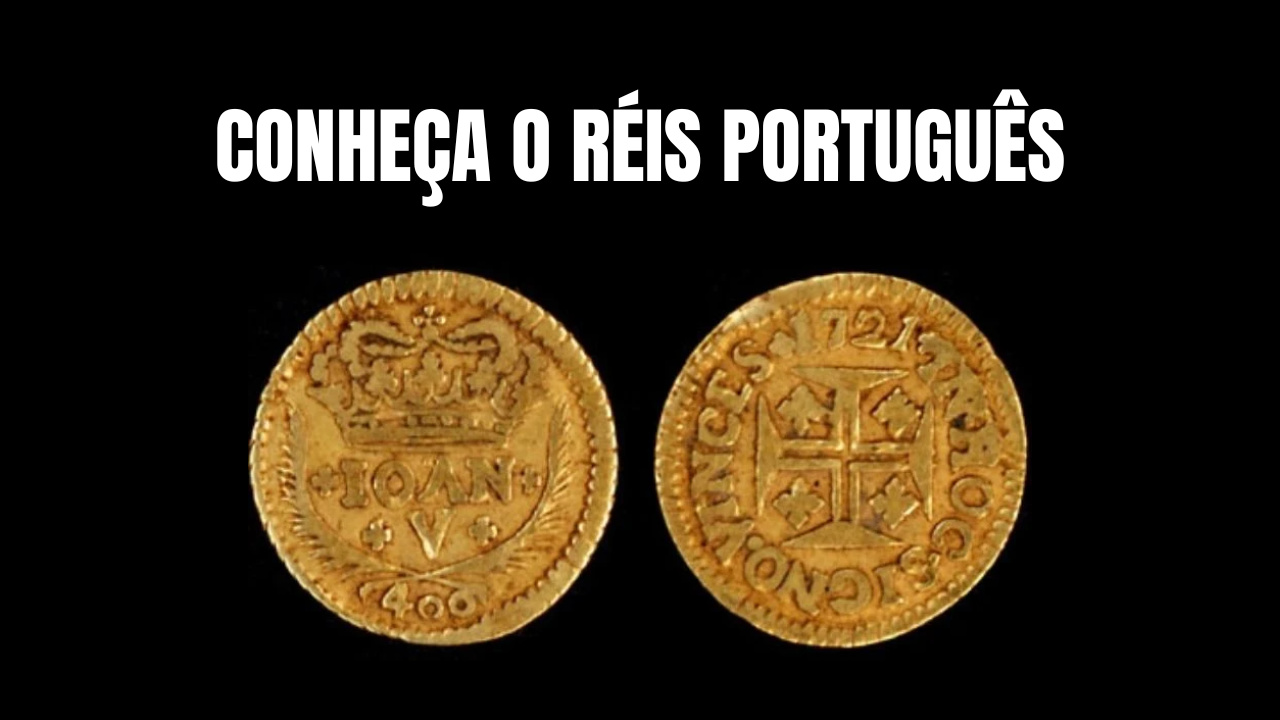
Before the Real, Brazil Went Through a Long Journey of Monetary Transformations. Understand What Was the First Currency of Brazil and How Economic Changes Shaped Brazilian Money Throughout History.
Since July 1, 1994, the real is the official currency of Brazil. Created as part of the Real Plan, its implementation marked the end of a period of hyperinflation that had dominated the economic landscape in previous decades. The new currency brought stability and established itself as one of the strongest in Latin America.
But the path to the real was long. The history of currency in Brazil began long before 1994, with origins that date back to the colonial period.
The Beginning of It All: The Portuguese Real, or Réis
The first currency to officially circulate on Brazilian soil was the Portuguese real, more commonly known as réis. Its introduction dates back to the 16th century, when Brazil was still a colony of Portugal.
-
Friends have been building a small “town” for 30 years to grow old together, with compact houses, a common area, nature surrounding it, and a collective life project designed for friendship, coexistence, and simplicity.

-
This small town in Germany created its own currency 24 years ago, today it circulates millions per year, is accepted in over 300 stores, and the German government allowed all of this to happen under one condition.

-
Curitiba is shrinking and is expected to lose 97,000 residents by 2050, while inland cities in Paraná such as Sarandi, Araucária, and Toledo are experiencing accelerated growth that is changing the entire state’s map.

-
Tourists were poisoned on Everest in a million-dollar fraud scheme involving helicopters that diverted over $19 million and shocked international authorities.


The réis was a metallic currency, minted in gold or silver, that remained in use until the early 20th century.
In the absence of a well-defined monetary system, the inhabitants of colonial Brazil also resorted to direct barter.
Products such as sugar, fabrics, salt, and even brazilwood were used as a form of payment in a bartering system quite common at the time.
The Currency in Brazil After Independence
Even after Independence, proclaimed in 1822, Brazil continued to use the réis as currency. During the reign of Dom Pedro I, the first efforts to nationalize the currency emerged.
The new emissions began to display the coat of arms of the Empire and the image of the emperor, marking an important step in building the identity of the new Brazilian state.
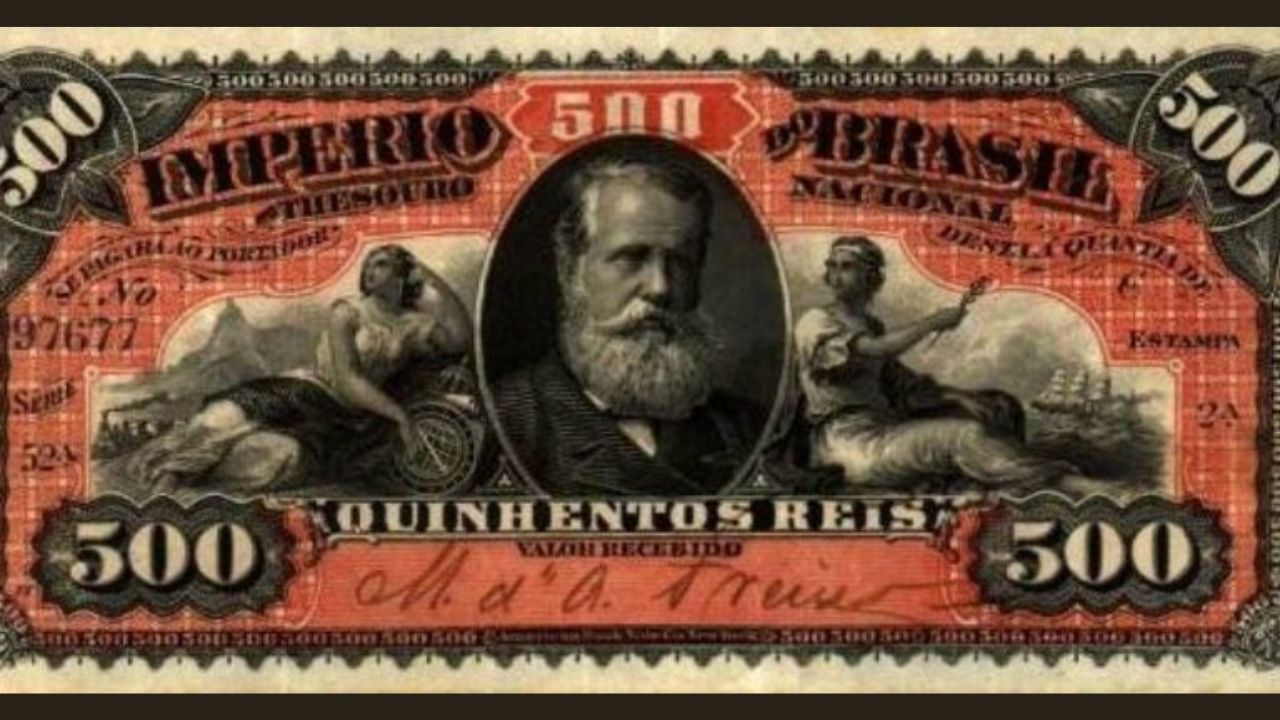
The Bank of Brazil, founded in 1808, played a central role in issuing paper currency. Despite this, metallic coins continued to be predominant in the daily lives of the population.
The regency period, following Dom Pedro I’s abdication, brought attempts to reform the monetary system to light.
However, the scenario was complex: the country faced a legacy of Portuguese debts, persistent inflation, and a disorganized circulation of coins.
The Monetary Transformations Throughout the 20th Century
The Brazilian currency went through various changes between the end of the réis and the arrival of the real.
These changes occurred largely in response to inflation and economic crises. Here’s the sequence of official currencies in Brazil:
- Réis (until 1942)
- Cruzeiro (1942–1986)
- Cruzado (1986–1989)
- Cruzado Novo (1989–1990)
- Cruzeiro (new version, 1990–1993)
- Cruzeiro Real (1993–1994)
- Real (since 1994)
These constant changes reflected the attempt to control prices and restore the population’s confidence in a functional monetary system.
The Turnaround with the Real Plan
It was during the government of Itamar Franco, coordinated by then Minister of Finance Fernando Henrique Cardoso, that Brazil took a decisive step to stabilize its economy.
The Real Plan was not only the creation of a new currency but a set of actions to curb inflation, reorganize public accounts, and restore the purchasing power of the population.
The real currency was born strong. Its initial value was pegged to the dollar, facilitating the transition and increasing the confidence of Brazilians.
With information from Revista Forum.










-

-

2 pessoas reagiram a isso.