





 Portuguese
  English
  Spanish
  3 min of reading
  2 comments





The Brazilian Middle Class Has Started to Grow Again! Find Out What the Minimum Income Is to Be Part of This Group in 2025 and How This Impacts the Economy. Despite the Progress, Millions Still Live in Poverty. The Solution? Invest in Education. Will Brazil Be Able to Maintain This Growth?
Brazil started 2025 with an economic turnaround that promises to affect the finances and lives of millions of Brazilians.
The so-called middle class has started to grow significantly again, bringing new consumption and investment perspectives.
But after all, how much do you need to earn per month to be considered middle class in Brazil? The answer may surprise you!
-
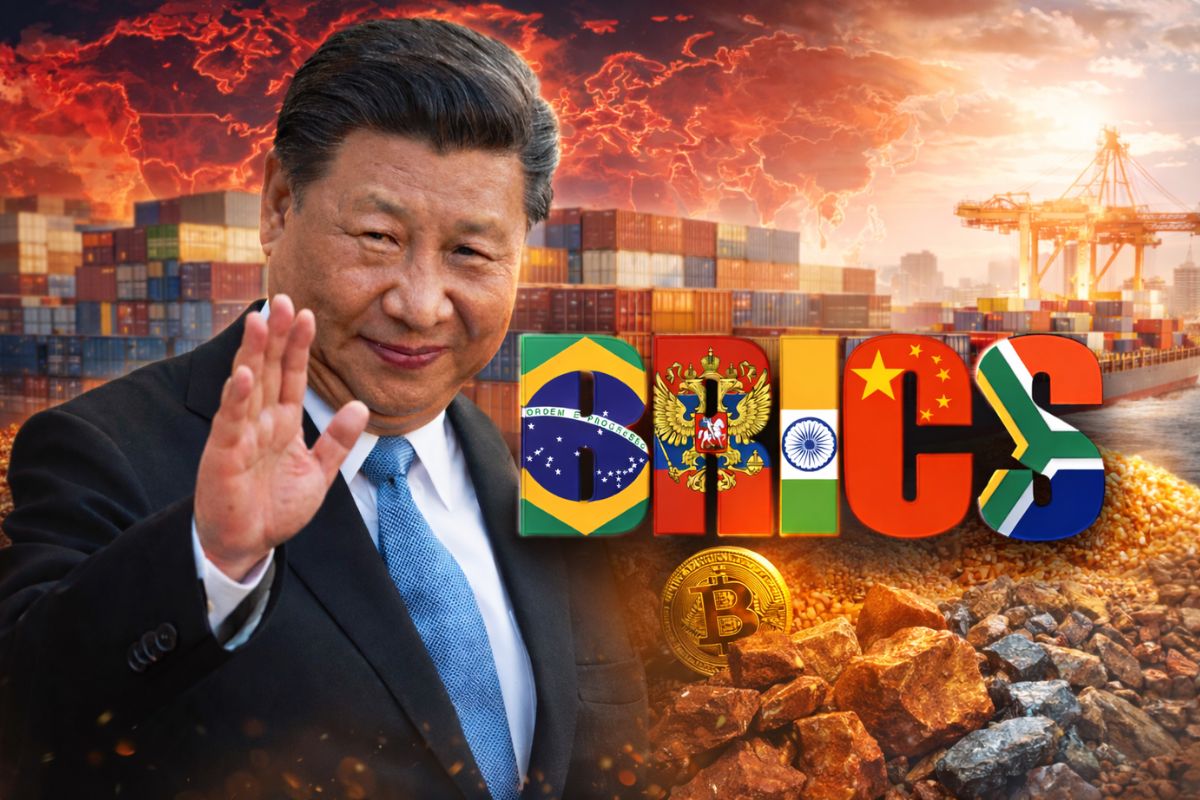
China alone accounts for 70% of trade within the BRICS, while Brazil establishes itself as an essential supplier of food and minerals: understand how the group, which already represents nearly 40% of the world’s GDP, is changing the game.
-
Starting in May, those who do not have registered biometrics will not be able to apply for Bolsa Família, sickness benefits, or unemployment insurance: understand the new rule that changes access to benefits for millions of Brazilians.

-
A new law being voted on in Brazil proposes a minimum fare of R$ 10 per trip and R$ 2.50 per kilometer for Uber and 99 drivers, and promises to ensure they earn as well as taxi drivers did during the golden age of taxis in the country.

-
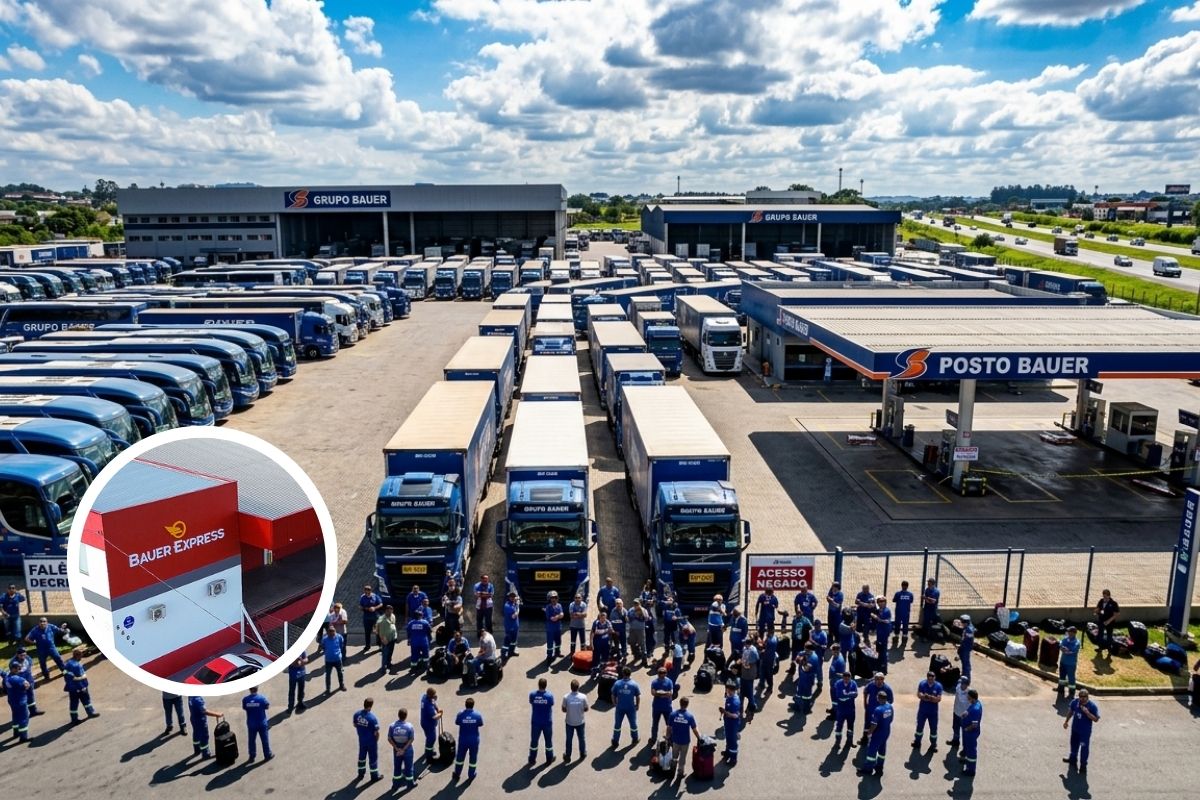
Bauer Group collapses after failed judicial recovery: 25 years, 800 vehicles, and a network of gas stations leave a debt of R$ 50 million and 100 layoffs, exposing costs, tight margins, and expensive credit in Brazil.
Monthly Income to Be Middle Class
According to a survey released in January 2025 by Tendências Consultoria, based on data from 2024, more than half of the Brazilian population now belongs to the middle class.
To be part of this group, it is necessary to have a monthly income greater than R$ 3,4 thousand. This progress marks the first time since 2015 that Brazil has shown significant growth in this social segment.
The Brazilian middle class is composed of three distinct groups:
- Class A: monthly income greater than R$ 25,2 thousand;
- Class B: income between R$ 8,1 thousand and R$ 25,2 thousand;
- Class C: income from R$ 3,4 thousand to R$ 8,1 thousand.
Those who earn up to R$ 3,4 thousand monthly fall into Classes D and E, representing the population with lower purchasing power.
Factors That Propelled the Growth of Class C
The main driver of this growth was the increase in income generated by work, which rose by 7.5% in 2024.
This increase was even more pronounced for Class C, which recorded a 9.5% annual income growth.
This advancement allowed more Brazilians to reach a more comfortable standard of living, with the capacity to consume goods and services beyond basic needs.
This change directly impacts sectors such as tourism, retail, and other consumption-oriented markets, boosting the economy as a whole.
Social Inequality and Poverty Still Concern
Despite the progress, Brazil still faces significant challenges regarding poverty and inequality.
According to IBGE (Brazilian Institute of Geography and Statistics), 58.9 million Brazilians live in poverty, while 9.5 million are in extreme poverty.
These numbers represent the lowest rate since 2012, but still require attention.
IBGE uses the income criteria of the World Bank to classify these groups:
- Extreme Poverty: income less than US$ 2.15 per day (approximately R$ 209 monthly per person);
- Poverty: income less than US$ 6.85 per day (approximately R$ 665 monthly per person).
Education: The Key to Reducing Inequality
According to senior professor at FEA-USP, Helio Zylberstajn, reducing poverty and inequality in Brazil is directly linked to investment in education.
“It is more than proven that there is a strong relationship between education and income. As long as we do not have a quality educational system, we will continue to see poverty“, Zylberstajn states.
Improving access to education and investing in professional qualification are fundamental steps to promote social mobility and ensure that more Brazilians have access to better living conditions.
Prospects for 2025 and Beyond
The growth of the middle class in 2025 brings optimism for the Brazilian economy but also raises questions about how to ensure that this progress is sustainable.
Public policies focused on education, job creation, and reducing social inequalities are essential to maintain this growth pace and benefit all layers of the population.
However, will Brazil be able to maintain this economic growth and reduce inequality in the coming years? This is the question that remains in the air and will depend on the economic and social decisions made moving forward.









Com preços disparados e divulgação de uma inflação mentirosa é absurdamente ridículo falar que o brasileiro com renda acima de 3,4 mil faz parte da classe média!
Custo da cesta básica maior do que dados do governo, dólar dispara, parte do comércio fechando as portas, pessoas em situação de rua e crimes aumentam. A conta não fecha.