





 Portuguese
  English
  Spanish
  2 min of reading
  0 comments


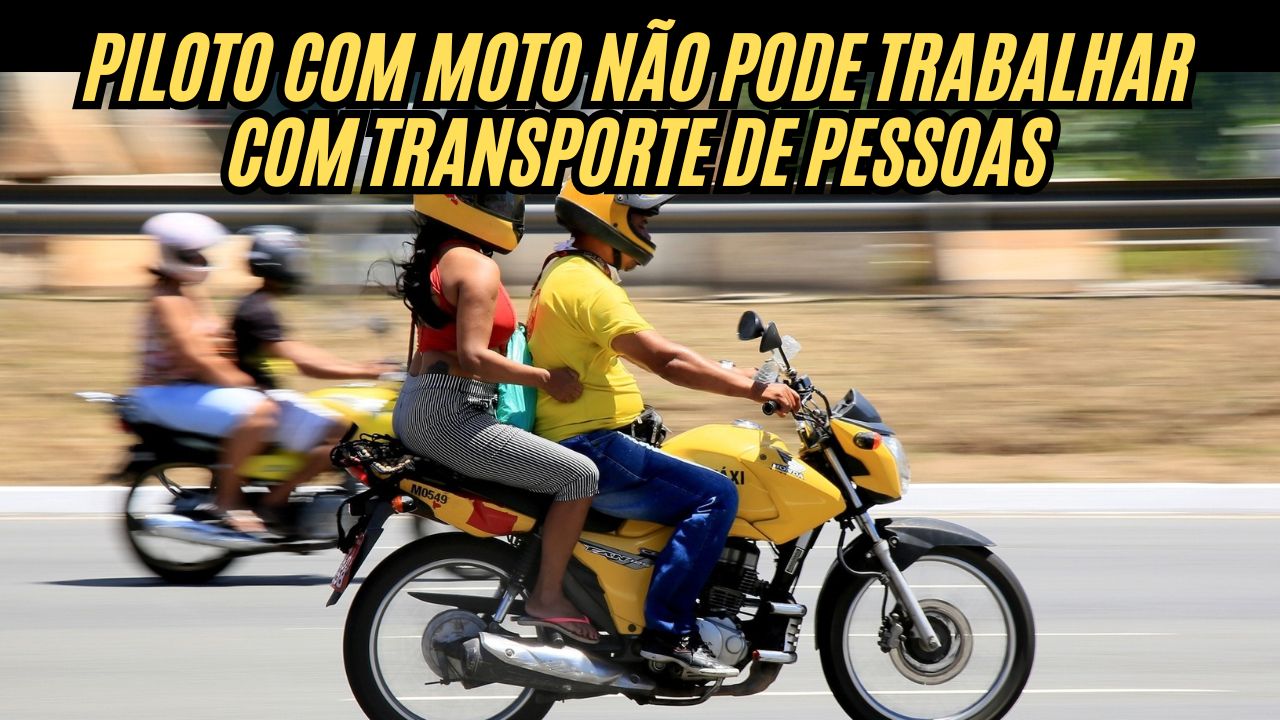
The Current Legislation Limits Passenger Transportation on Motorcycles, But a Bill Seeks to Change This Scenario.
Did you know that the law prohibits paid passenger transportation on motorcycles? This issue has gained attention recently in discussions about transportation apps like Uber and 99 Moto. Despite the growing popularity of these platforms, Brazilian legislation still does not allow motorcyclists to conduct paid passenger transport.
In a recent interview, lawyer Renato Campestrini highlighted an important point: Brazilian legislation, in effect since the approval of Federal Law No. 13,640 of 2018, restricts paid transportation of passengers only to drivers with a B-category license or higher. This automatically excludes motorcycles, as they are driven by those with an A-category license.
Motorcyclist Cannot Work with Passenger Transportation
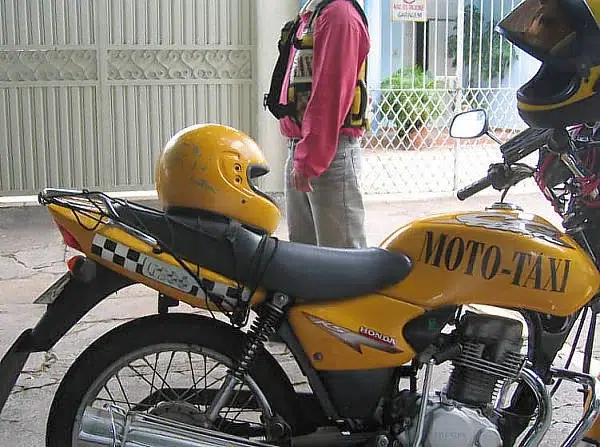
According to Article 11-B of this law, private paid transportation requires, among other requirements, that the driver has a National Driver’s License (CNH) suitable for four-wheeled vehicles or more. Thus, the practice of paid passenger transportation by motorcyclists is considered irregular and subject to fines, which in some regions can reach nearly R$ 4 thousand.
-
Brazilian city bets on the business environment to generate jobs and attract investments in the energy sector — secretary reveals strategy at Macaé Energy 2026.

-
50 viaducts, 4 tunnels, 28 bridges, and 40 kilometers of bike paths: BR-262 in Espírito Santo will receive 8.6 billion reais for the largest engineering project in the state’s history, inspired by the Immigrant Highway in São Paulo.

-
Brazil produces too much clean energy and doesn’t know what to do with it: over 20% of solar and wind capacity was wasted in 2025 while investors flee and 509 renewable generation projects were abandoned in the last year.

-
Piauí will produce a new fuel that replaces diesel without needing to change anything in the truck’s engine and reduces pollutant gas emissions by half: truck drivers from all over the Northeast are already celebrating the news that will arrive later this decade.


This restriction has sparked heated debates, especially with the expansion of services like Uber Moto and 99 Moto since 2021. The increase in the use of motorcycles for paid transportation raises the need for greater oversight, but also questions whether the law aligns with current societal demands.
The Bill Proposes Changes
Bill 271/23, currently in progress, aims to change this scenario for motorcycles. The proposal suggests a national regulation that includes motorcyclists among the providers of individual passenger transportation services. This change would allow drivers with a type A CNH to operate legally in the sector, promoting greater accessibility and competition.
According to Deputy Amom Mandel, the exclusion of motorcyclists was an oversight of the current legislation. He believes that including this category will bring significant benefits, such as:
- Increased availability of accessible transportation;
- Expansion of the number of service providers;
- Encouragement of the collaborative economy.
If approved, the bill could directly impact cities, increasing mobility and reducing costs for users.
As the debate progresses, it is essential to understand that the law prohibits paid passenger transportation on motorcycles, but the pressure for a review of this rule is only growing. The approval of Bill 271/23 could transform the market for urban transportation, balancing safety, accessibility, and innovation.









Seja o primeiro a reagir!